Early Signs of Esophageal Cancer
Early Signs of Esophageal Cancer You Should Never Ignore
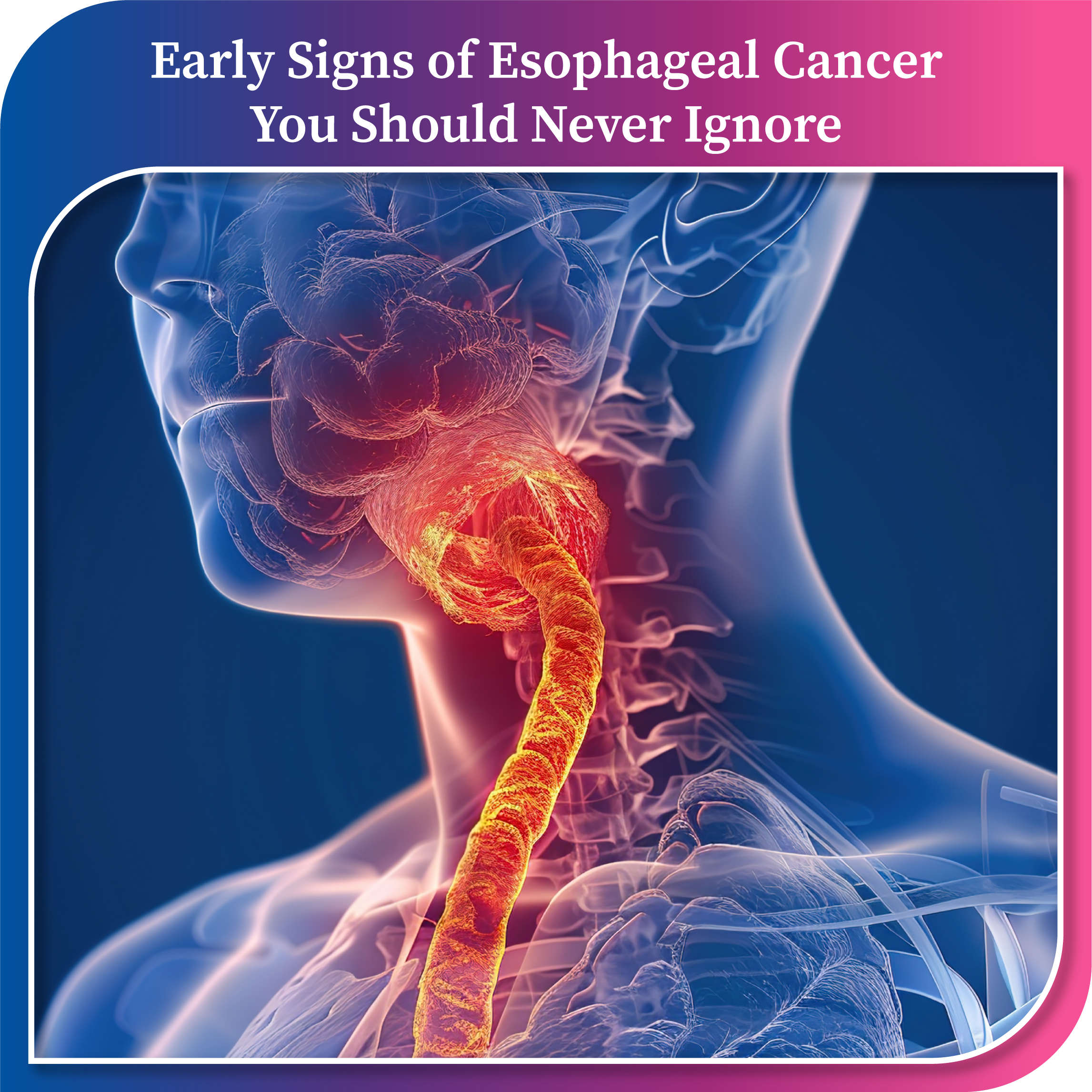
Esophageal cancer is becoming increasingly common across the world, yet many people are still unaware of its early warning signs. The esophagus is the muscular tube that carries food and liquids from the mouth to the stomach. When cancer develops in this area, symptoms may initially appear mild and are often mistaken for acidity, indigestion, or common throat problems. Unfortunately, ignoring these symptoms can delay diagnosis and treatment.
One of the biggest reasons esophageal cancer becomes dangerous is because it is frequently diagnosed at an advanced stage. However, when detected early, treatment outcomes are significantly better. Recognizing the warning signs and consulting an experienced specialist like Dr. Rajesh Shinde can help patients receive timely treatment and improve their quality of life.
What Is Esophageal Cancer?
Esophageal cancer develops when abnormal cells begin growing uncontrollably inside the lining of the esophagus. Over time, these cancerous cells can spread deeper into the esophageal wall and even to nearby organs if left untreated.
There are two major types of esophageal cancer. The first is squamous cell carcinoma, which usually develops in the upper and middle parts of the esophagus and is often linked to smoking and alcohol consumption. The second is adenocarcinoma, which commonly affects the lower part of the esophagus and is associated with chronic acid reflux and obesity.
Today, lifestyle habits, smoking, increasing obesity, and long-term digestive disorders are contributing to the rising number of esophageal cancer cases. This makes awareness and early detection extremely important.
Why Early Detection Is So Important?
Esophageal cancer is highly treatable when identified early. In the initial stages, treatment may involve less extensive surgery and better recovery outcomes. However, once the cancer spreads, treatment becomes more complicated and survival rates can decrease significantly.
The problem is that early symptoms are often subtle. Many patients continue taking antacids or home remedies for months without realizing something more serious may be developing. Seeking timely consultation from experts such as Dr. Rajesh Shinde can help detect the disease before it progresses.
Understanding the warning signs can help patients avoid dangerous delays in diagnosis.
Difficulty Swallowing Is One of the Earliest Signs
One of the first and most common symptoms of esophageal cancer is difficulty swallowing, medically known as dysphagia. Initially, patients may feel that solid foods like bread, rice, or meat are getting stuck in the throat or chest. Many people start eating slowly, chewing excessively, or drinking extra water while eating to help food pass down.
As the tumor grows, swallowing may become increasingly difficult, eventually affecting even liquids. Some people may feel pain or pressure while swallowing.
This symptom should never be ignored, especially if it continues for more than a few weeks. Persistent swallowing problems require immediate medical evaluation.
Persistent Acid Reflux and Heartburn May Be Warning Signs
Acid reflux and heartburn are extremely common today, particularly due to unhealthy eating habits and stress. However, chronic acid reflux can damage the lining of the esophagus over time and increase the risk of cancer.
People suffering from frequent acidity may experience burning in the chest, sour taste in the mouth, throat irritation, or nighttime reflux symptoms. Long-standing gastroesophageal reflux disease (GERD) may eventually lead to Barrett’s esophagus, a condition that increases the risk of developing esophageal cancer.
Patients who experience chronic acidity should consult a specialist such as Dr. Rajesh Shinde for proper evaluation and preventive care.
Unexplained Weight Loss Should Never Be Ignored
Sudden and unexplained weight loss is another common warning sign of esophageal cancer. Many patients begin losing weight because swallowing becomes difficult, appetite decreases, and the body’s metabolism changes due to cancer.
People often mistake this weight loss as a result of stress or lifestyle changes. However, losing significant weight without trying—especially when accompanied by digestive symptoms—should always raise concern.
Cancer-related weight loss may also lead to weakness, fatigue, and nutritional deficiencies if not addressed early.
Chest Pain and Discomfort Can Be Misleading
Many patients with esophageal cancer experience chest discomfort that is often mistaken for acidity or heart problems. The pain may feel like pressure, burning, or tightness behind the breastbone. Some individuals notice pain while swallowing, while others feel discomfort after meals.
Because chest symptoms are commonly associated with other conditions, people frequently delay seeking medical attention. Persistent chest pain associated with eating or swallowing should always be evaluated by an experienced cancer specialist.
Chronic Cough and Throat Irritation May Signal a Problem
A persistent cough that does not improve with standard treatment can sometimes indicate irritation caused by esophageal cancer. Patients may experience dry cough, repeated throat clearing, or coughing after eating.
In some cases, the tumor may irritate nearby structures, leading to continuous throat discomfort. Chronic cough is often ignored because it resembles allergies or respiratory infections, but if it persists for weeks, medical evaluation becomes necessary.
Hoarseness of Voice Can Be an Important Symptom
Changes in voice quality or persistent hoarseness may occur when esophageal cancer affects nearby nerves. Patients may notice their voice becoming weak, rough, or strained.
Although temporary voice changes are common during infections, hoarseness lasting more than two weeks should not be neglected. Early diagnosis can help prevent complications and improve treatment success.
Pain While Swallowing Is Another Warning Sign
Some patients experience pain during swallowing, also known as odynophagia. This pain may feel sharp, burning, or uncomfortable while consuming food or liquids.
Pain while swallowing often indicates inflammation or narrowing inside the esophagus and requires medical attention. Ignoring this symptom can allow the disease to progress silently.
Persistent Indigestion and Bloating May Indicate Digestive Problems
Frequent indigestion, bloating, burping, and upper abdominal discomfort may sometimes be linked to esophageal cancer. While these symptoms are common in many digestive conditions, persistent problems that do not improve with medication should be evaluated carefully.
Many patients continue taking over-the-counter antacids without identifying the underlying cause. Early consultation with a specialist can help detect serious conditions before they become advanced.
Vomiting or Food Coming Back Up Is a Serious Symptom
As the tumor grows larger, food may not pass properly into the stomach. Patients may experience vomiting after meals or regurgitation of undigested food.
This symptom usually indicates narrowing of the esophagus and requires urgent medical attention. Delaying treatment at this stage can increase complications and nutritional problems.
Fatigue and Weakness Often Develop Gradually
Cancer can affect the entire body, leading to weakness and persistent fatigue. Poor nutrition, reduced food intake, and cancer-related inflammation may contribute to low energy levels.
Many patients describe feeling tired even after adequate rest. Persistent fatigue associated with digestive symptoms should never be overlooked.
Who Is at Higher Risk of Esophageal Cancer?
Several lifestyle and medical factors can increase the risk of esophageal cancer. Smoking is one of the major causes because tobacco damages the lining of the esophagus. Excessive alcohol consumption also increases risk significantly, especially when combined with smoking..
Obesity is another important risk factor because it increases acid reflux. Chronic GERD and Barrett’s esophagus are strongly linked to adenocarcinoma of the esophagus.
Poor dietary habits, low intake of fruits and vegetables, and regular consumption of very hot beverages may also contribute to the development of esophageal cancer.
People with these risk factors should undergo timely screening and consult experts such as Dr. Rajesh Shinde for preventive guidance.
How Is Esophageal Cancer Diagnosed?
Diagnosis usually begins with a detailed medical history and physical examination. If symptoms suggest esophageal cancer, doctors may recommend endoscopy, where a thin flexible tube with a camera is inserted through the mouth to examine the esophagus.
During endoscopy, a biopsy may be taken to confirm the presence of cancer cells. Imaging tests such as CT scans, PET scans, and endoscopic ultrasound help determine the stage and spread of the disease.
Accurate diagnosis is essential for planning effective treatment.
Treatment Options for Esophageal Cancer
Treatment depends on the stage of cancer, tumor location, and overall health of the patient. Surgery is often the primary treatment for early-stage esophageal cancer. Experienced specialists like Dr. Rajesh Shinde perform advanced gastrointestinal cancer surgeries aimed at removing the tumor effectively.
Chemotherapy and radiation therapy may be used before or after surgery to destroy cancer cells and reduce recurrence risk. In advanced cases, targeted therapy and immunotherapy may also be recommended depending on tumor characteristics.
Modern cancer treatment focuses not only on survival but also on improving the patient’s quality of life.
Can Esophageal Cancer Be Prevented?
Although not all cases can be prevented, healthy lifestyle changes can reduce the risk significantly. Quitting smoking and limiting alcohol consumption are among the most important preventive measures.
Maintaining a healthy weight and treating chronic acid reflux early can also help protect the esophagus from long-term damage. Eating a balanced diet rich in fruits, vegetables, and fiber supports digestive health and lowers cancer risk.
Regular health checkups are especially important for individuals with persistent reflux symptoms or family history of gastrointestinal cancers.
Why Choosing the Right Cancer Specialist Matters?
Esophageal cancer treatment requires expertise and a multidisciplinary approach. From diagnosis to surgery and long-term follow-up, every step plays a critical role in patient outcomes.
Patients looking for the Best Cancer Specialist in Chembur, Best Cancer Doctor in Mumbai, or Surgical Oncologist in Chembur often seek experienced professionals who specialize in gastrointestinal cancer treatment.
Dr. Rajesh Shinde is recognized for his expertise in surgical oncology and patient-focused cancer care, helping patients receive personalized and advanced treatment options.
Esophageal cancer may begin silently, but the body often gives warning signs that should never be ignored. Difficulty swallowing, chronic acidity, unexplained weight loss, chest discomfort, persistent cough, hoarseness, and pain while swallowing are all symptoms that deserve medical attention.
Early detection can dramatically improve treatment success and survival outcomes. Ignoring symptoms or depending only on temporary medications may delay diagnosis and reduce treatment options.
If you or your loved one experiences persistent digestive symptoms, consult an experienced specialist like Dr. Rajesh Shinde for timely evaluation and expert care. Early action can make a life-saving difference.