How Safe Is Robotic Surgery
How Safe Is Robotic Surgery for Cancer Patients?
Cancer treatment has changed dramatically over the last decade. Earlier, surgery for cancer meant large cuts, longer hospital stays, and weeks of painful recovery. Today, thanks to advanced technology, cancer surgery can be far more precise, less invasive, and easier for patients to recover from.
One of the biggest breakthroughs in modern cancer care is robotic surgery.
But when patients first hear the term, they often feel confused or even worried. A common question many people ask is:
“Is robotic surgery really safe for cancer patients?”
The idea of a robot being involved in surgery can sound intimidating. However, the reality is very different. Robotic surgery is not about machines replacing doctors — it is about helping skilled surgeonsperform complex procedures with greater precision and control.
Experienced cancer specialists like Dr. Rajesh Shinde, known for advanced cancer surgeries, use robotic technology to improve surgical outcomes and patient recovery.
Understanding Robotic Surgery
Before discussing safety, it is important to understand what robotic surgery actually is.
Despite its name, robotic surgery does not mean that a robot performs the operation independently. Instead, the robot acts as a highly advanced surgical tool controlled entirely by the surgeon.
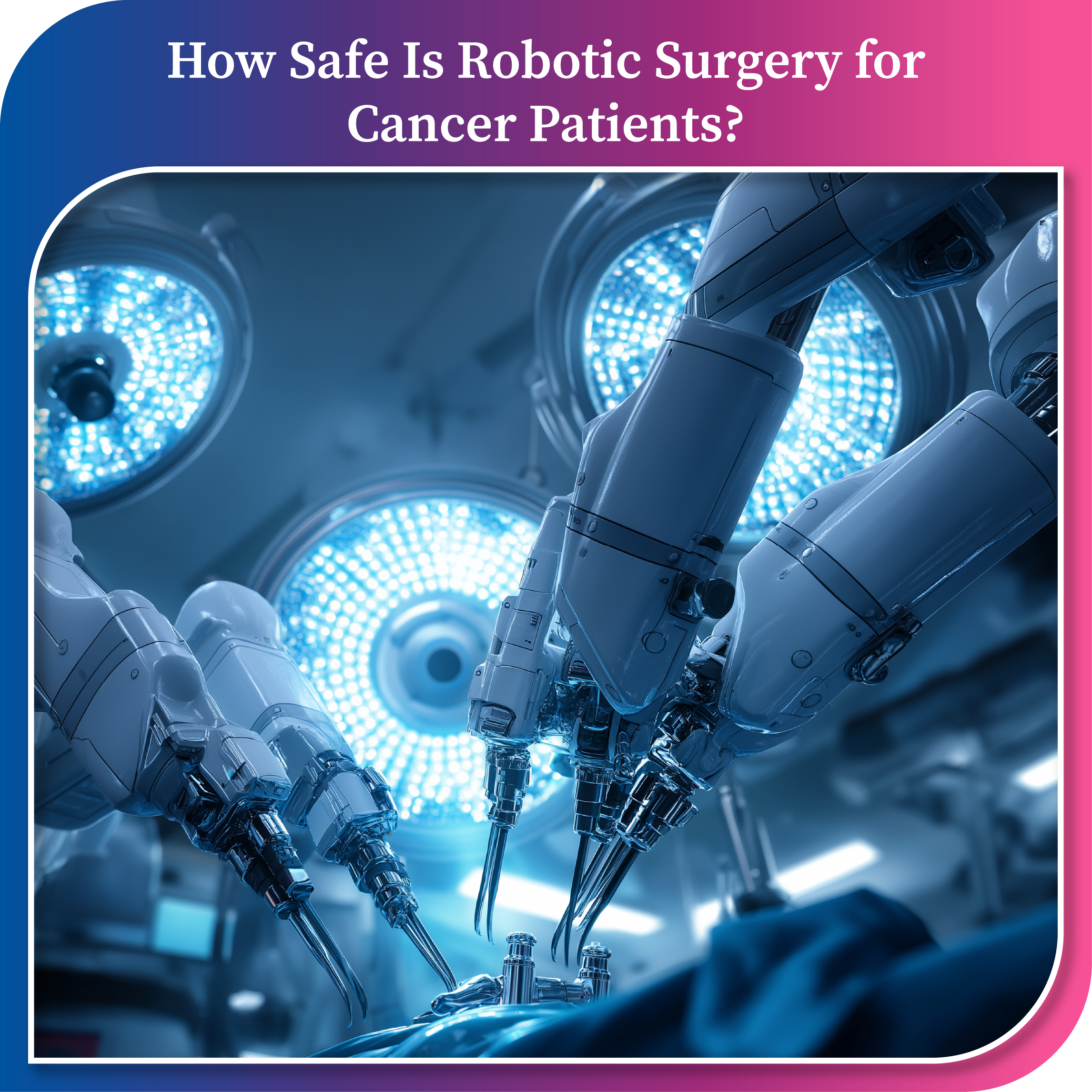
During robotic surgery, the surgeon sits at a special console and controls robotic arms that hold tiny surgical instruments. A high-definition camera inside the patient’s body provides a magnified 3D view ofthe surgical area, allowing the surgeon to see delicate tissues and blood vessels clearly.
This level of precision allows the surgeon to perform complex cancer surgeries with very small incisions instead of large cuts.
For experienced specialists like Dr. Rajesh Shinde, robotic systems provide enhanced control and accuracy, making it possible to operate in areas of the body that are difficult to reach using traditional techniques.
Why Robotic Surgery Is Transforming Cancer Treatment?
Cancer surgery is often complex because tumors may be located close to important organs, nerves, or blood vessels. Surgeons must remove the tumor completely while preserving as much healthy tissue as possible.
This is where robotic surgery offers a major advantage.
Robotic technology allows surgeons to operate with extraordinary precision, reducing the chances of damage to surrounding structures.
Over the years, robotic surgery has been increasingly used to treat different types of cancers, including:
- Lung cancer
- Esophageal cancer
- Colorectal cancer
- Prostate cancer
- Gynecologic cancers
- Kidney cancer
Specialists like Dr. Rajesh Shinde use robotic surgery for selected cancer cases where minimally invasive techniques can provide better outcomes for patients.
So, How Safe Is Robotic Surgery for Cancer Patients?
The safety of any medical procedure depends on multiple factors, including the surgeon’s expertise, the patient’s health condition, and the type of cancer being treated.
However, multiple clinical studies and global medical experiences have shown that robotic surgery issafe and effective for many cancer patients.
In fact, robotic surgery often offers several safety advantages over traditional open surgery.
One of the biggest reasons for its safety is greater surgical precision. Robotic instruments can move in ways that the human hand cannot, allowing surgeons to perform extremely delicate movements.
Another advantage is enhanced visibility. The high-definition 3D camera gives surgeons a magnified view of the surgical area, helping them identify tissues and structures more clearly.
Because robotic surgery uses smaller incisions, patients also experience less trauma to the body, which reduces the risk of complications.
For experienced surgeons such as Dr. Rajesh Shinde, robotic technology serves as a powerful tool that helps improve the accuracy and safety of cancer surgeries.
Benefits of Robotic Surgery for Cancer Patients
Robotic surgery offers several benefits that make it an attractive option for many cancer patients.
1. Smaller Incisions: Traditional open surgeries often require large incisions to access the tumor. Robotic surgery, on the other hand, uses small keyhole-sized cuts. This results in:
- Less pain after surgery
- Minimal scarring
- Faster healing
2. Reduced Blood Loss: Because robotic surgery is highly precise, surgeons can control bleeding more effectively during the procedure. This reduces the chances of excessive blood loss and the need for blood transfusions.
4. Shorter Hospital Stay Another advantage of robotic surgery is a shorter hospital stay. Patients may be able to go home within a few days after surgery, depending on the type of procedure performed.
5. Improved Surgical Precision: Robotic instruments can rotate and move more freely than traditional surgical tools. This allows surgeons like Dr. Rajesh Shinde to operate with incredible accuracy, especially in complex areas of the body.
The Role of Surgeon Experience in Robotic Surgery
While robotic technology is advanced, the success of the surgery still depends heavily on the skill and experience of the surgeon.
The robot does not make decisions — it simply follows the movements and commands of the surgeon.
This means that choosing a highly trained and experienced cancer surgeon is extremely important.
Specialists like Dr. Rajesh Shinde, who have extensive experience in advanced oncological procedures, are able to use robotic systems effectively to deliver better surgical outcomes.
Their expertise ensures that the technology is used safely and appropriately for each patient.
Are There Any Risks with Robotic Surgery?
Like any surgical procedure, robotic surgery does carry some risks. However, these risks are generally low and similar to those associated with other types of surgery.
Possible risks may include
- Infection
- Bleeding
- Reaction to anesthesia
- Rare technical issues with equipment
It is important to remember that complications are uncommon when the procedure is performed by skilled surgeons and in well-equipped hospitals.
Proper patient selection and surgical planning also help minimize these risks.
Who Can Benefit from Robotic Cancer Surgery?
Not every cancer patient will require robotic surgery. The suitability of this technique depends on several factors.
Doctors evaluate each patient carefully before recommending robotic surgery.
Factors considered include:
- The type of cancer
- Stage of the disease
- Location of the tumor
- Patient’s overall health
- Previous surgeries or medical conditions
An experienced specialist like Dr. Rajesh Shindecarefully studies all these aspects before deciding whether robotic surgery is the best option.
What Happens Before Robotic Surgery?
Before robotic cancer surgery, patients undergo a detailed evaluation to ensure that the procedure is safe.
This may include:
- Blood tests
- Imaging scans such as CT or MRI
- Medical history review
- Anesthesia assessment
The surgeon will also explain the procedure in detail, including its benefits and possible risks.
This discussion helps patients understand the treatment plan and feel more confident about their surgery.
Recovery After Robotic Cancer Surgery
Recovery after robotic surgery is generally smoother compared to traditional surgery.Because the incisions are smaller, patients often experience less pain and faster healing.Most patients can begin walking within a day after surgery, and normal activities can gradually resume over the following weeks.Doctors also provide specific instructions regarding diet, physical activity, and follow-up care to ensure proper recovery.With proper post-surgical care, many patients regain their strength quickly and return to their daily routines.
The Future of Robotic Surgery in Cancer Care
Robotic surgery is still evolving, and new advancements continue to improve its capabilities.
Future developments may include:
- Even more precise robotic systems
- Integration with artificial intelligence
- Improved imaging technology
- Faster and more efficient procedures
These innovations will likely make robotic surgery even safer and more effective for cancer patients.
Experts like Dr. Rajesh Shinde continue to adopt modern technologies to provide the most advanced cancer treatments available.
Facing cancer surgery can be overwhelming, and it is natural for patients to have concerns about safety and recovery
Robotic surgery has emerged as one of the most promising advancements in modern cancer treatment. By combining advanced technology with surgical expertise, it allows doctors to perform complex procedures with greater precision and minimal trauma to the body.
For many patients, this means less pain, faster recovery, and improved treatment outcomes.
When performed by experienced specialists such as Dr. Rajesh Shinde, robotic surgery can be a safe and highly effective option for cancer treatment.
If you or a loved one is exploring surgical options for cancer, discussing robotic surgery with an experienced oncological surgeon may help you understand whether it is the right choice for your condition.
Modern medicine continues to move forward, and robotic surgery is playing an important role in giving cancer patients better hope, better recovery, and better quality of life.