Step-by-Step Guide to Robotic Cancer Surgery
Step-by-Step Guide to Robotic Cancer Surgery Procedure: What Patients Should Expect?
Cancer treatment has changed dramatically over the past few decades. Earlier, surgeries often meant large incisions, long hospital stays, and extended recovery periods. Today, technology has transformed the way cancer surgeries are performed. One of the most advanced innovations in modern oncology is robotic cancer surgery.
Many patients hear about robotic surgery but don’t fully understand how it works. Some wonder if a robot actually performs the operation. Others worry about safety or effectiveness.
The truth is that robotic surgery is one of the most precise and advanced forms of minimally invasivecancer treatment available today. It allows surgeons to perform complex procedures with greater accuracy and better outcomes for patients.
Understanding Robotic Cancer Surgery
Before we dive into the steps, it is important to understand what robotic cancer surgery actually means.
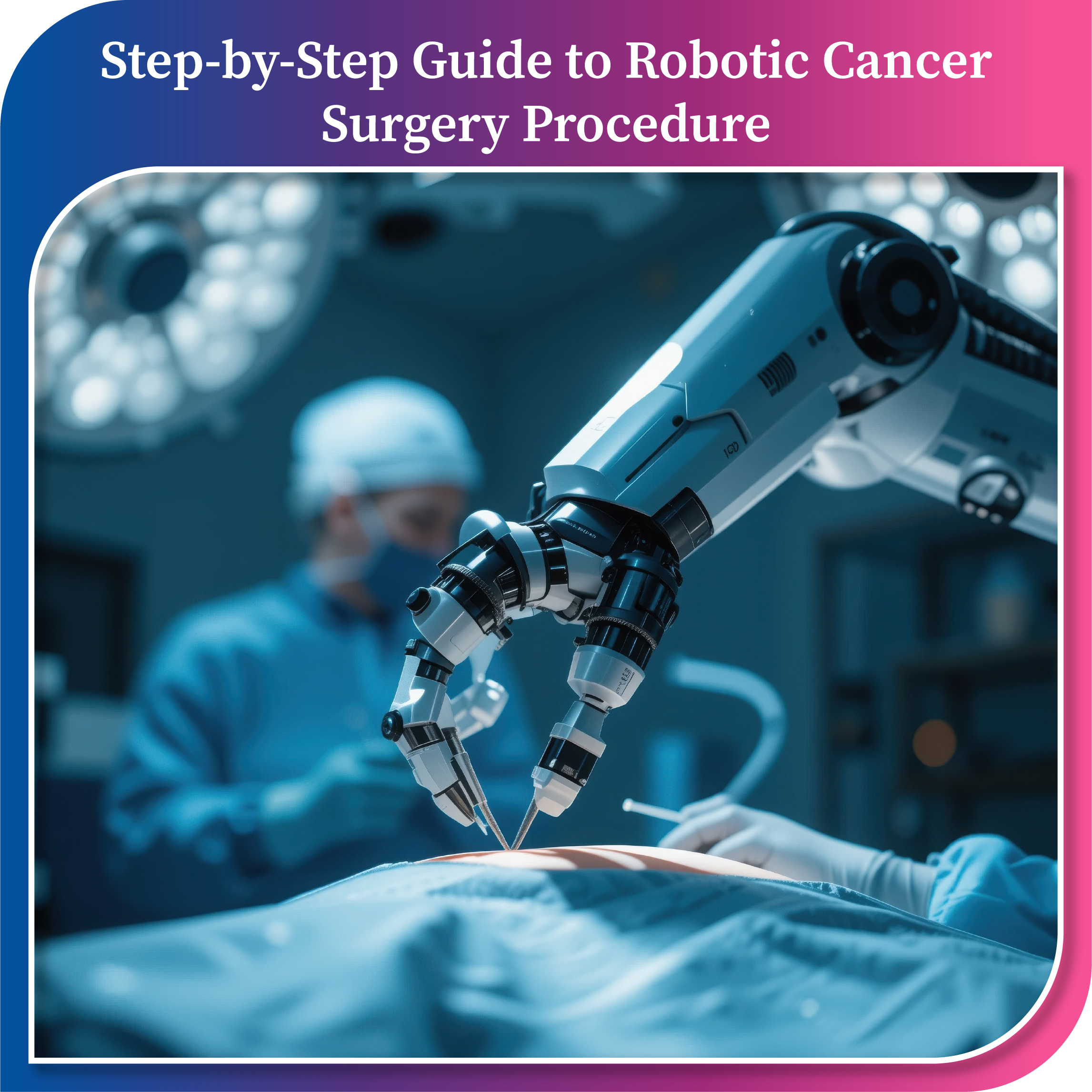
Robotic surgery is a technique where a surgeon uses a robotic system to perform delicate operations through very small incisions. The system includes advanced instruments and a high-definition camera that provides a magnified 3D view of the surgical area.
Despite the name, the robot does not operate independently. Every movement of the robotic arms is controlled by the surgeon sitting at a specialized console.
The robotic system simply enhances the surgeon’s ability to perform extremely precise movements. This is why experienced specialists such as Dr. Rajesh Shinde, robotic cancer surgeon in Mumbai, use this technology to treat various cancers safely and effectively.
Why Robotic Surgery Is Transforming Cancer Treatment?
The main reason robotic surgery has become popular is the improvement it brings to both surgical precision and patient recovery.
Traditional open surgery often requires large cuts to access the tumor. In contrast, robotic surgery allows surgeons to operate through tiny incisions while maintaining excellent visibility of the surgical area.
This leads to several benefits for patients.
Patients undergoing robotic cancer surgery in Mumbai often experience less pain, less blood loss, and faster recovery compared to traditional surgical techniques. Smaller incisions also mean minimal scarring and a lower risk of infections.
For surgeons like Dr. Rajesh Shinde, robotic technology allows more controlled movements and improved access to difficult-to-reach areas in the body.
Step-by-Step Guide to the Robotic Cancer Surgery Procedure
One of the biggest fears patients have before surgery is uncertainty. Knowing exactly what happens during the procedure can help reduce anxiety.
Step 1: Initial Consultation and Evaluation
The journey begins with a consultation with a cancer specialist.
The surgeon may ask questions about previous treatments, medications, lifestyle habits, and
overall health. This information helps determine whether robotic surgery is the right treatment
option.
In many cases, experienced specialists like Dr. Rajesh Shinde, robotic oncologist in Mumbai,
recommend robotic surgery when the tumor can be removed safely using minimally invasive
techniques.
Not every patient requires robotic surgery, but when suitable, it can significantly improve
treatment outcomes.
Step 2: Diagnostic Tests and Imaging
Once surgery is being considered, additional diagnostic tests may be required.
These tests help the surgeon understand the tumor in detail. Common investigations include CT
scans, MRI scans, PET scans, blood tests, and biopsy reports.
These imaging techniques help determine the exact location, size, and stage of the cancer. They
also help identify whether the disease has spread to nearby tissues or lymph nodes.
The information gathered from these tests allows the surgeon to carefully plan the surgical
approach.
Experts performing robotic cancer surgery in Mumbai rely on these advanced diagnostic tools to
ensure the procedure is performed with maximum precision.
Step 3: Preparing the Patient for Surgery
Once the surgical plan is finalized, patients receive detailed instructions to prepare for the
procedure.
Preparation usually includes fasting for several hours before surgery and stopping certain
medications if required. A pre-anesthesia checkup is also conducted to make sure the patient is
fit for anesthesia.
During this stage, the medical team explains the procedure, expected recovery time, and possible
risks. Patients are encouraged to ask questions and clarify any concerns they may have.
Experienced specialists such as Dr. Rajesh Shinde believe that informed patients feel more
confident and comfortable before surgery.
Step 4: Administration of Anesthesia
On the day of surgery, the patient is taken to the operating room where the anesthesia team
prepares them for the procedure.
Robotic cancer surgeries are usually performed under general anesthesia. This means the patient
is fully asleep and does not feel any pain during the operation.
Throughout the surgery, anesthesiologists closely monitor the patient’s heart rate, breathing,
oxygen levels, and blood pressure to ensure complete safety
Step 5: Creating Small Surgical Incisions
After the patient is under anesthesia, the surgeon begins the procedure by making a few small
incisions in the body.
Unlike traditional surgery, these cuts are very small, typically around one to two centimeters
in size.
These small openings allow the surgeon to insert robotic instruments and a tiny camera into the
surgical area.
These small openings allow the surgeon to insert robotic instruments and a tiny camera into the
surgical area.
Step 6: Inserting the Robotic Camera and Instruments
Once the incisions are made, specialized robotic instruments and a high-definition camera are
inserted through the small openings.
The camera provides a magnified three-dimensional view of the surgical area. This allows the
surgeon to clearly see tissues, nerves, and blood vessels that may not be visible in traditional
surgery.
This enhanced visibility helps surgeons like Dr. Rajesh Shinde, robotic cancer surgeon in
Mumbai, perform complex procedures with exceptional precision.
Step 7: Surgeon Controls the Robotic System
After the robotic instruments are positioned, the surgeon moves to a nearby control console.
From this console, the surgeon controls the robotic arms using hand movements and foot pedals.
The robotic system translates these movements into extremely precise actions inside the
patient’s body.
One of the biggest advantages of robotic instruments is that they can move with a wider range of
motion than the human hand. This allows surgeons to perform delicate surgical tasks in confined
spaces.
It is important to remember that the surgeon is always in full control of the robotic system.
The robot simply assists in performing the procedure more accurately.
Step 8: Removing the Cancerous Tumor
The most critical stage of the surgery is the removal of the tumor.
Using robotic instruments, the surgeon carefully identifies and separates the cancerous tissue
from surrounding healthy structures.
In some cases, nearby lymph nodes may also be removed for further examination. This helps
determine whether cancer has spread and assists in planning further treatment if needed.
Robotic surgery allows surgeons to remove tumors with high precision while preserving healthy
tissues as much as possible.
Step 9: Reconstruction and Repair
Depending on the type of cancer surgery being performed, reconstruction may sometimes be
required.
For example, the surgeon may need to reconnect tissues or repair certain structures after
removing the tumor.
Robotic technology allows these delicate repairs to be performed with greater accuracy.
Step 10: Closing the Incisions
Once the surgical procedure is complete, the robotic instruments are carefully removed.
The small incisions are then closed using sutures or surgical adhesive. Because the cuts are
very small, the wounds usually heal faster and leave minimal scarring.
This is another reason why many patients prefer minimally invasive robotic cancer surgery.
What Happens After Robotic Surgery?
After the procedure, the patient is moved to the recovery room where medical staff monitor vital
signs until the anesthesia wears off.
Once the patient is stable, they are shifted to their hospital room.
Compared to traditional surgery, patients who undergo robotic cancer surgery in Mumbai usually
experience faster recovery and shorter hospital stays.
Many patients can return home within a few days depending on the complexity of the procedure.
Recovery After Robotic Cancer Surgery
Recovery after robotic surgery is generally smoother compared to open surgery.
Patients are usually encouraged to start gentle movement soon after surgery. Walking helps
improve circulation and reduces the risk of complications.
Most patients can resume their normal routine within a few weeks.
However, doctors may advise avoiding heavy lifting or strenuous activity until the body fully
heals.
Patients treated by specialists like Dr. Rajesh Shinde also receive follow-up care to monitor
healing and ensure the best possible recovery.
The Future of Robotic Cancer Surgery
Robotic surgery is still evolving, and the future of this technology looks extremely promising.
Advancements in imaging systems, artificial intelligence, and robotic instruments are expected
to make surgeries even safer and more precise.
As awareness increases, more patients are exploring robotic cancer surgery in Mumbai as a modern
and effective treatment option.
Experienced surgeons who specialize in minimally invasive oncology procedures continue to play a
key role in bringing these innovations to patients.
Cancer surgery can be a stressful experience, but modern technology has significantly improved
the way these procedures are performed.
Robotic cancer surgery offers a combination of precision, safety, and faster recovery, making it
an excellent option for many patients.
If you are considering advanced cancer treatment options, consulting an experienced specialist
such as Dr. Rajesh Shinde, robotic cancer surgeon in Mumbai, can help you understand whether
robotic surgery is the right choice for your condition.
With the right expertise and advanced technology, patients today have better chances of
successful treatment and a quicker return to normal life.