Anal Cancer – Causes, Symptoms, Diagnosis & Treatment
Anal cancer is a rare type of cancer, but its cases are slowly increasing. Many people ignore early symptoms because they feel shy or think it is just piles or an infection. The good news is – anal cancer is highly treatable when detected early.
What is Anal Cancer?
Anal cancer is a disease where abnormal cells grow in the anal canal (the last part of the digestive system). The anal canal is the opening through which stool passes out of the body.
These abnormal cells multiply without control and form a tumor. Over time, this tumor can grow and spread to nearby organs or lymph nodes if not treated.
Types of Anal Cancer
There are different types of anal cancer, depending on which cells are affected:
Squamous Cell Carcinoma: This is the most common type of anal cancer. It develops from the lining of the anal canal and usually responds well to radiation and chemotherapy.
Adenocarcinoma : This type forms in mucus-producing glands near the anus. It is less common and usually needs surgery.
Basal Cell Carcinoma : A rare type that develops in skin cells around the anus.
Melanoma : Very rare but aggressive. It forms in pigment-producing cells.
Staging of Anal Cancer
Staging means finding how big the cancer is and if it has spread:
Persistent change in bowel habits (diarrhea or constipation)
Stage 1: Small tumor, only in anal canal
Stage 2: Larger tumor but not spread
Stage 3 Spread to lymph nodes
Stage 4: Spread to distant organs
Early-stage cancer has very high cure rates.
Symptoms of Anal Cancer
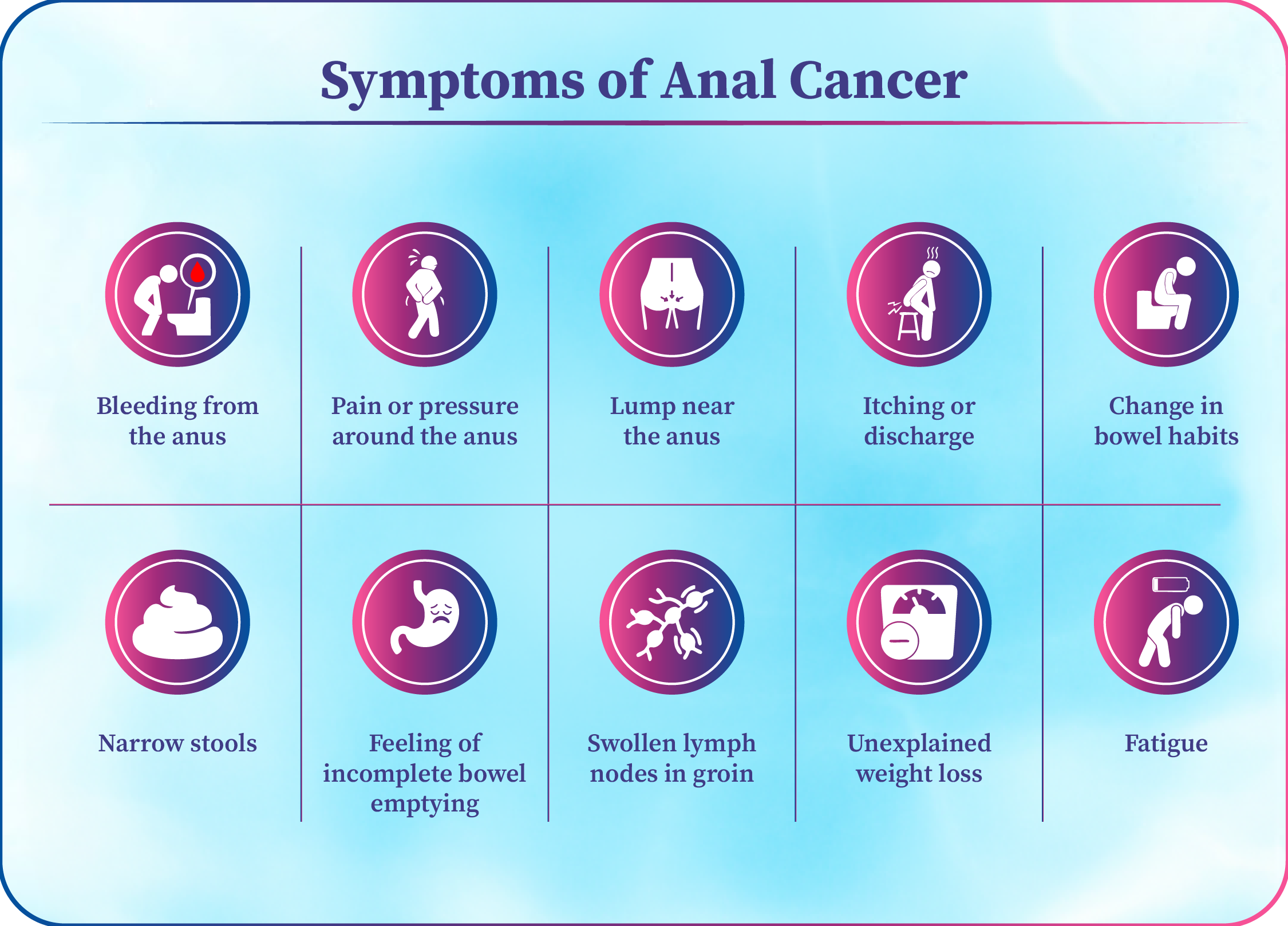
Early symptoms are often mild and mistaken for piles or fissures. Do not ignore these signs:
Bleeding from the anus
Pain or pressure around the anus
Lump near the anus
Itching or discharge
Change in bowel habits
Narrow stools
Feeling of incomplete bowel emptying
Swollen lymph nodes in groin
Unexplained weight loss
Fatigue
Important: If bleeding continues for more than 2 weeks, consult an oncologist immediately.
Causes of Anal Cancer
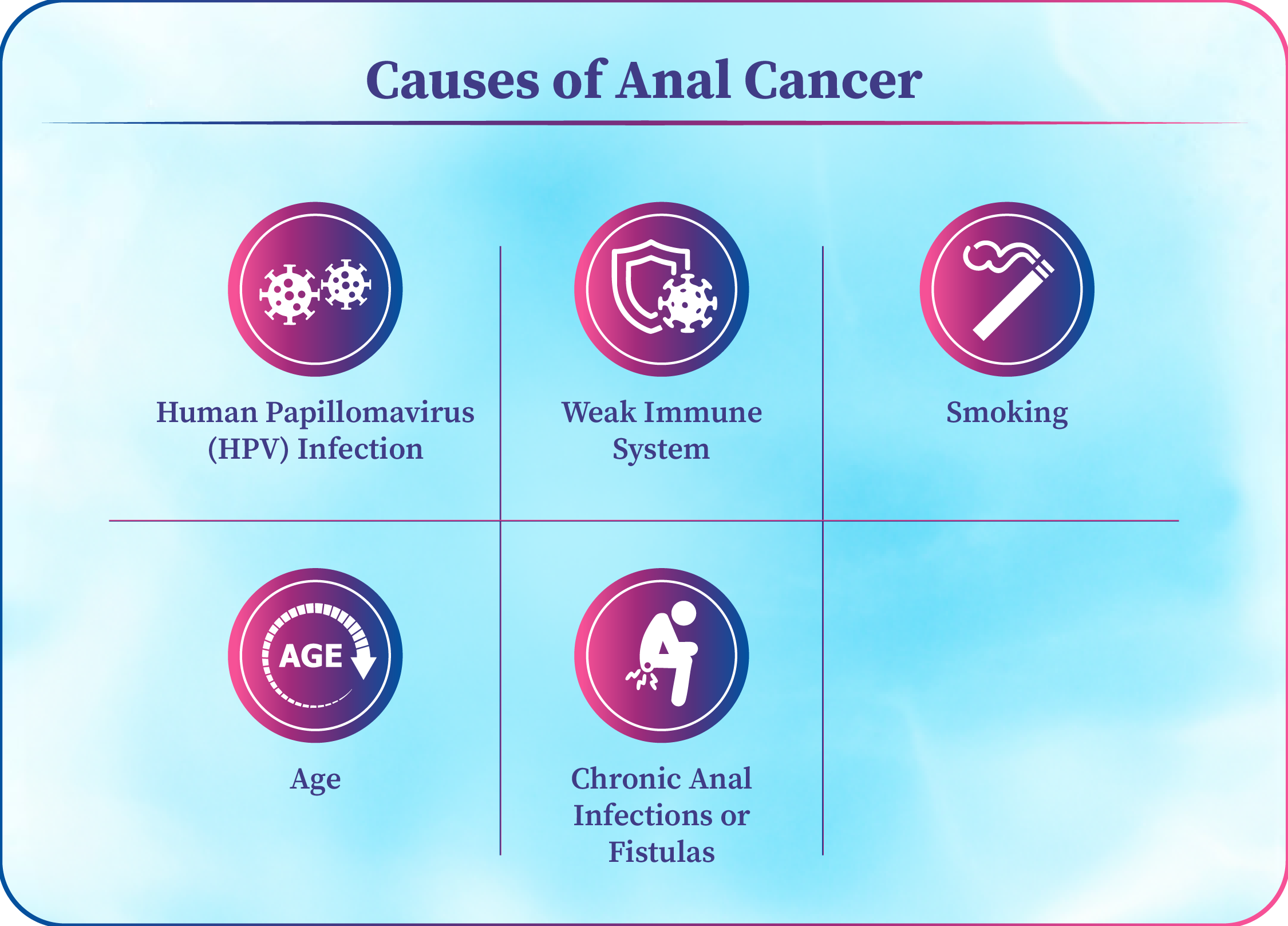
Anal cancer happens when healthy cells change into cancer cells. The main causes include:
Human Papillomavirus (HPV) Infection : HPV is the biggest risk factor. Long-term HPV infection can cause cell changes that lead to cancer.
Weak Immune System: People with HIV, transplant patients, or those on immune-suppressing medicines are at higher risk.
Smoking: Smoking damages cells and reduces immunity, increasing cancer risk.
Age Most anal cancer cases occur after the age of 50.
Chronic Anal Infections or Fistulas: Long-term irritation can lead to abnormal cell growth.
How Anal Cancer is diagnosed?
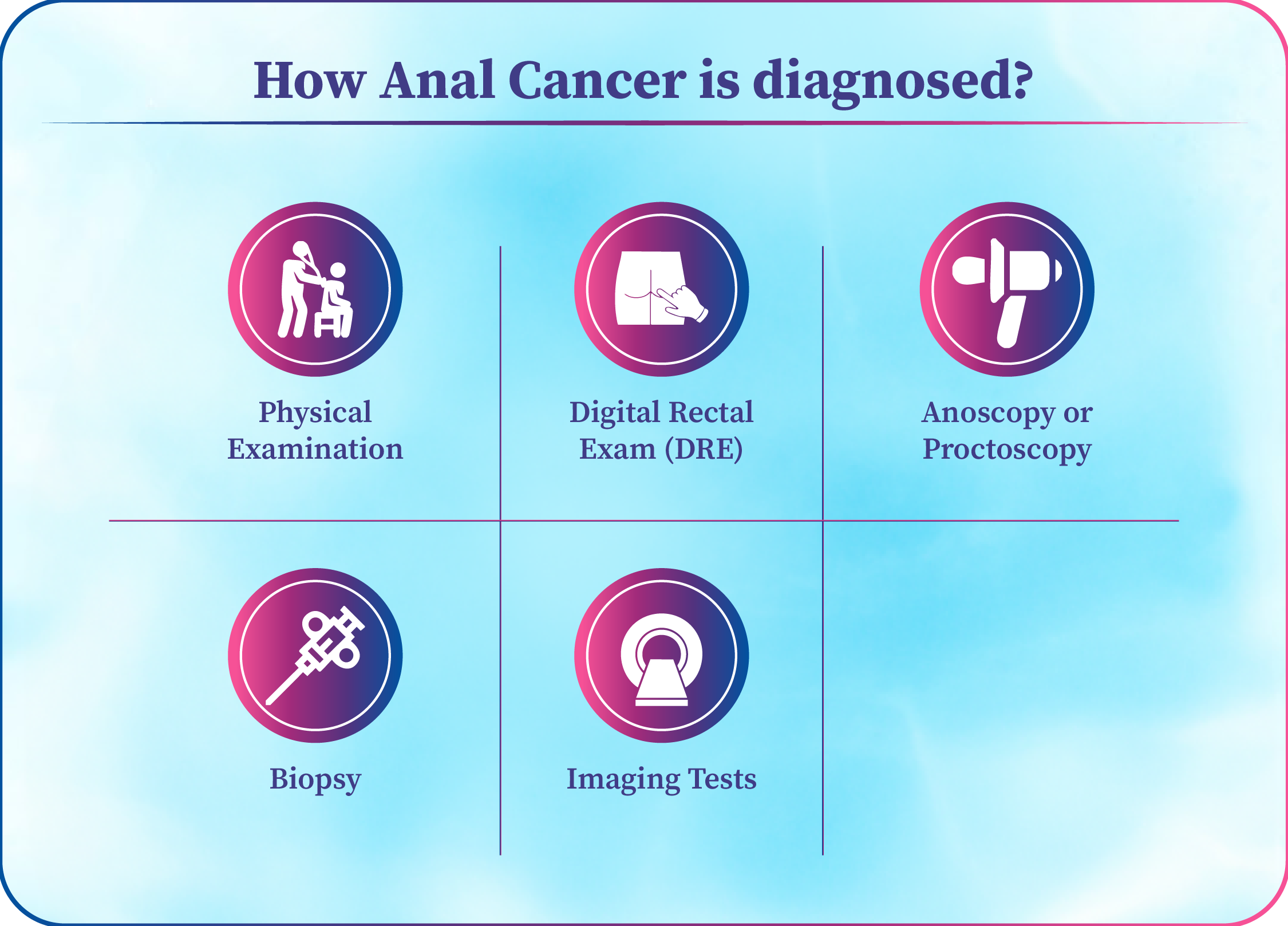
Physical Examination The doctor examines the anal area and feels for lumps.
Digital Rectal Exam (DRE): A gloved finger is used to check for abnormalities
Anoscopy or Proctoscopy A small tube with a light is inserted to view the inside of the anus.
Most anal cancer cases occur after
Biopsy A small tissue sample is taken and checked under a microscope. This confirms cancer.
Imaging Tests: CT scan, MRI, PET scan.
These tests show how far cancer has spread.
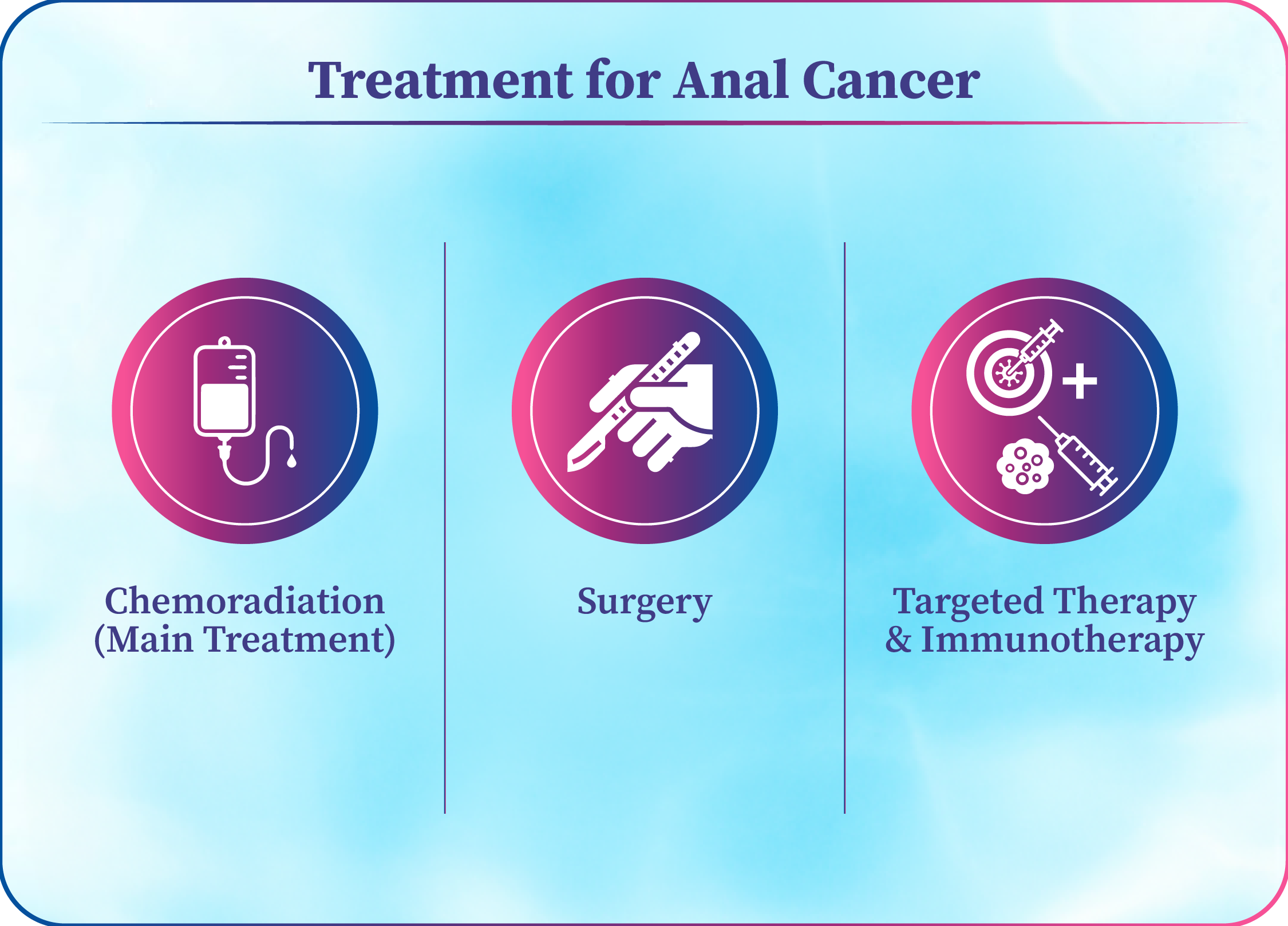
Treatment for Anal Cancer
Treatment depends on stage, type of cancer, and patient health. Dr Rajesh Shinde uses advanced protocols for best outcomes.
- 1. Chemoradiation (Main Treatment):
This is the most common treatment for anal cancer.
- Radiation therapy kills cancer cells
- Chemotherapy makes radiation more effective
Most patients do not need surgery after this treatment
- 2. Surgery:
- Tumor does not respond to radiation
- Cancer comes back
- Large growth blocks bowel movement
Surgery is done if:
In some cases, a colostomy may be required.
- 3. Targeted Therapy & Immunotherapy:
Used for advanced cancer:
- Attacks only cancer cells
- Fewer side effects
- Improves survival rates
Surgery is done if:
Side Effects of Treatment
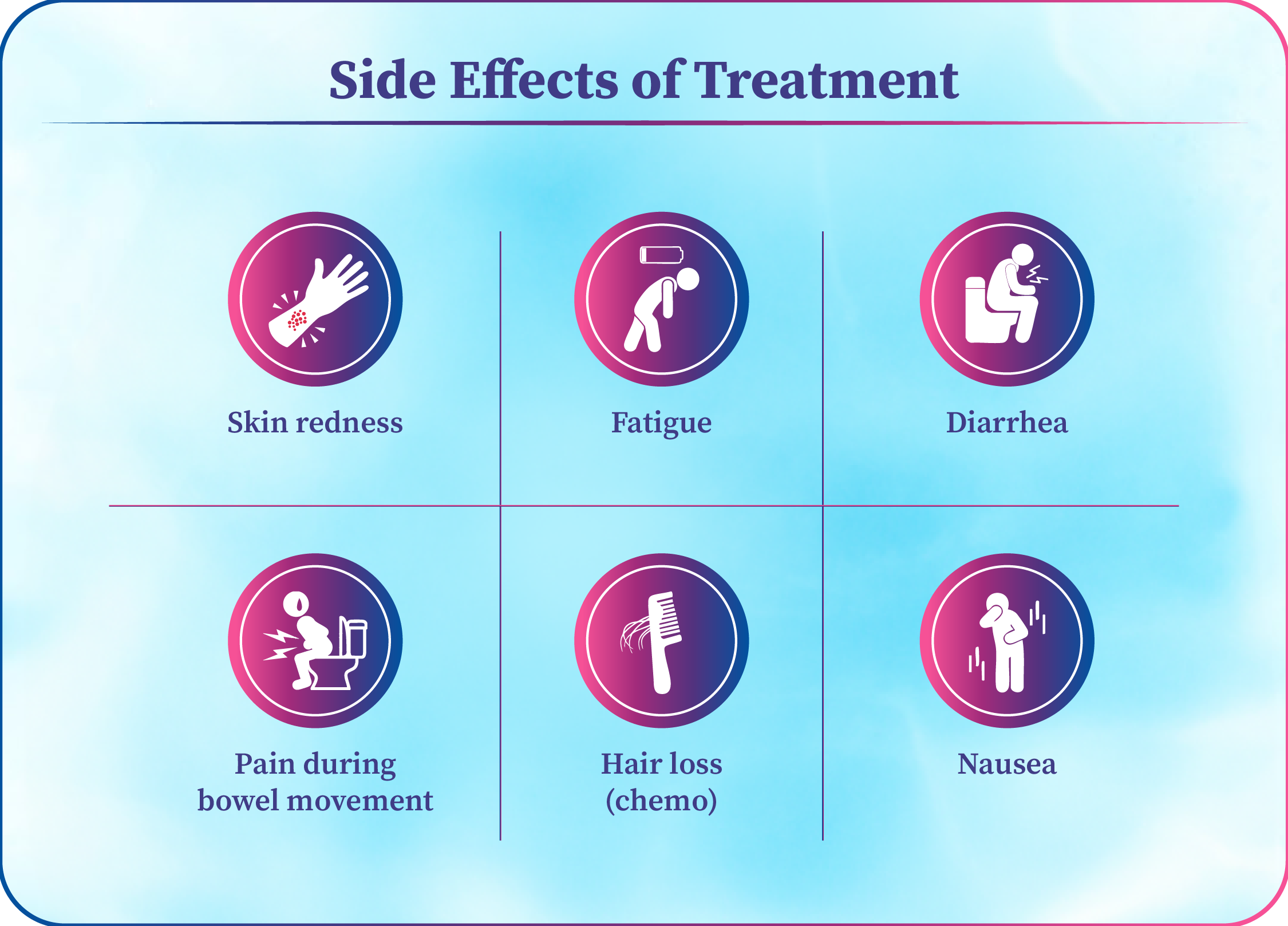
Common side effects include:
Skin redness
Fatigue
Diarrhea
Pain during bowel movement
Hair loss (chemo)
Nausea
With expert care, side effects can be managed well.
Recovery After Treatment
Recovery depends on stage and treatment type.
Most patients return to normal life
after therapy.
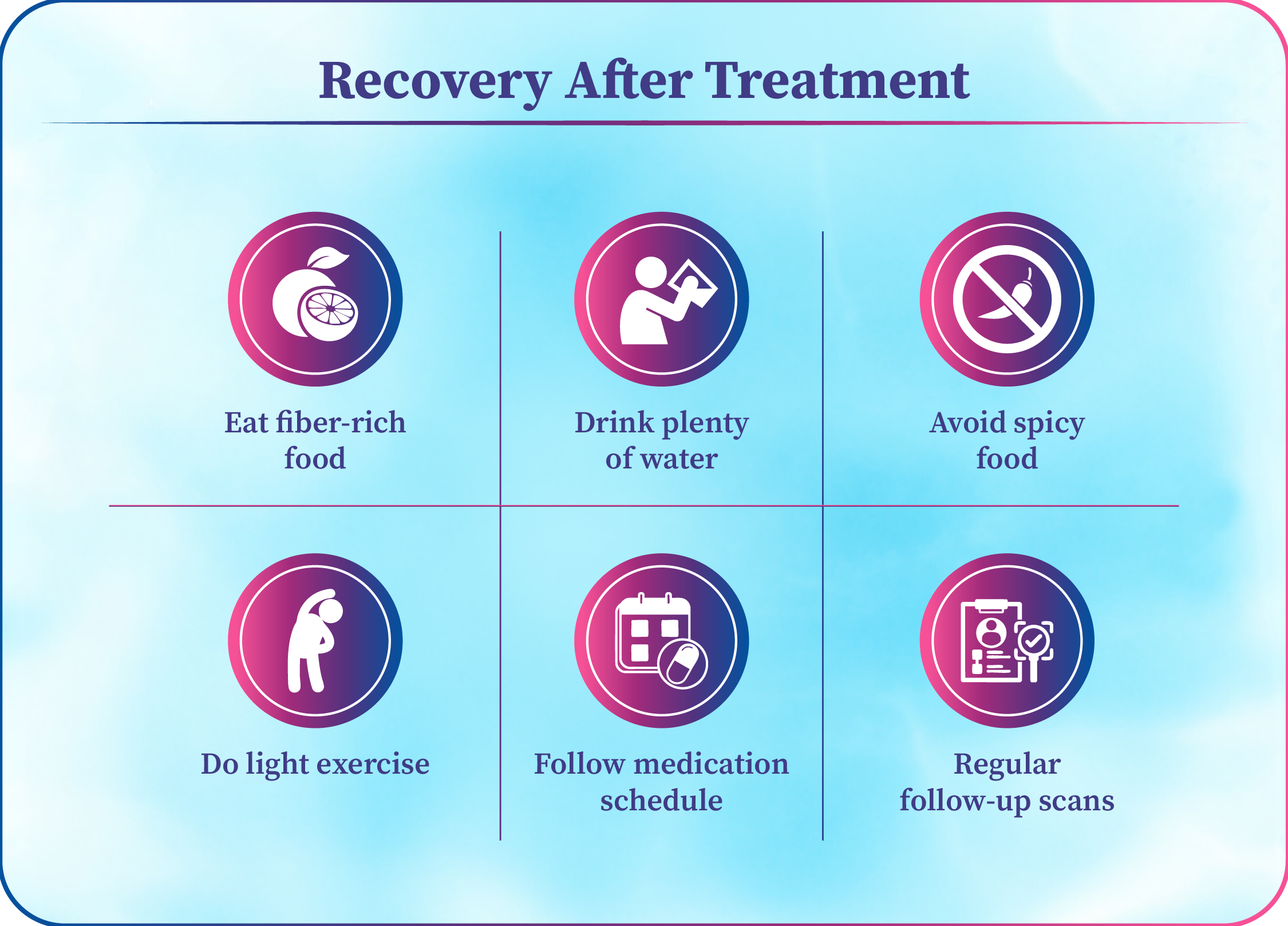
Tips for Recovery:
Eat fiber-rich food
Drink plenty of water
Avoid spicy food
Do light exercise
Follow medication schedule
Regular follow-up scans
Can Anal Cancer Be Prevented?
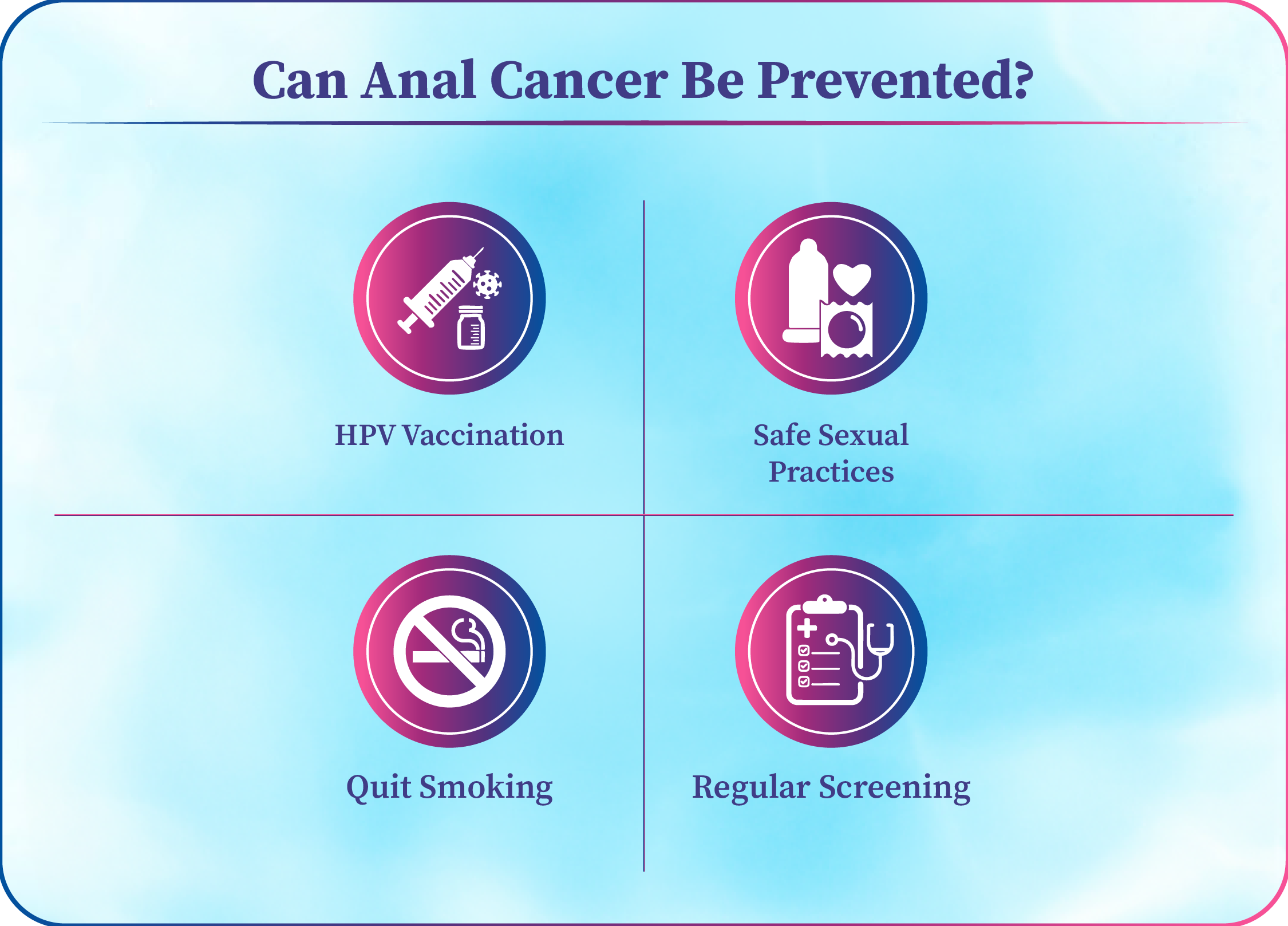
Yes, in many cases.
HPV Vaccination: Protects against virus causing anal cancer.
Safe Sexual PracticesReduces HPV spread.
Quit Smoking Lowers cancer risk.
Regular Screening High-risk people should get checked yearly.
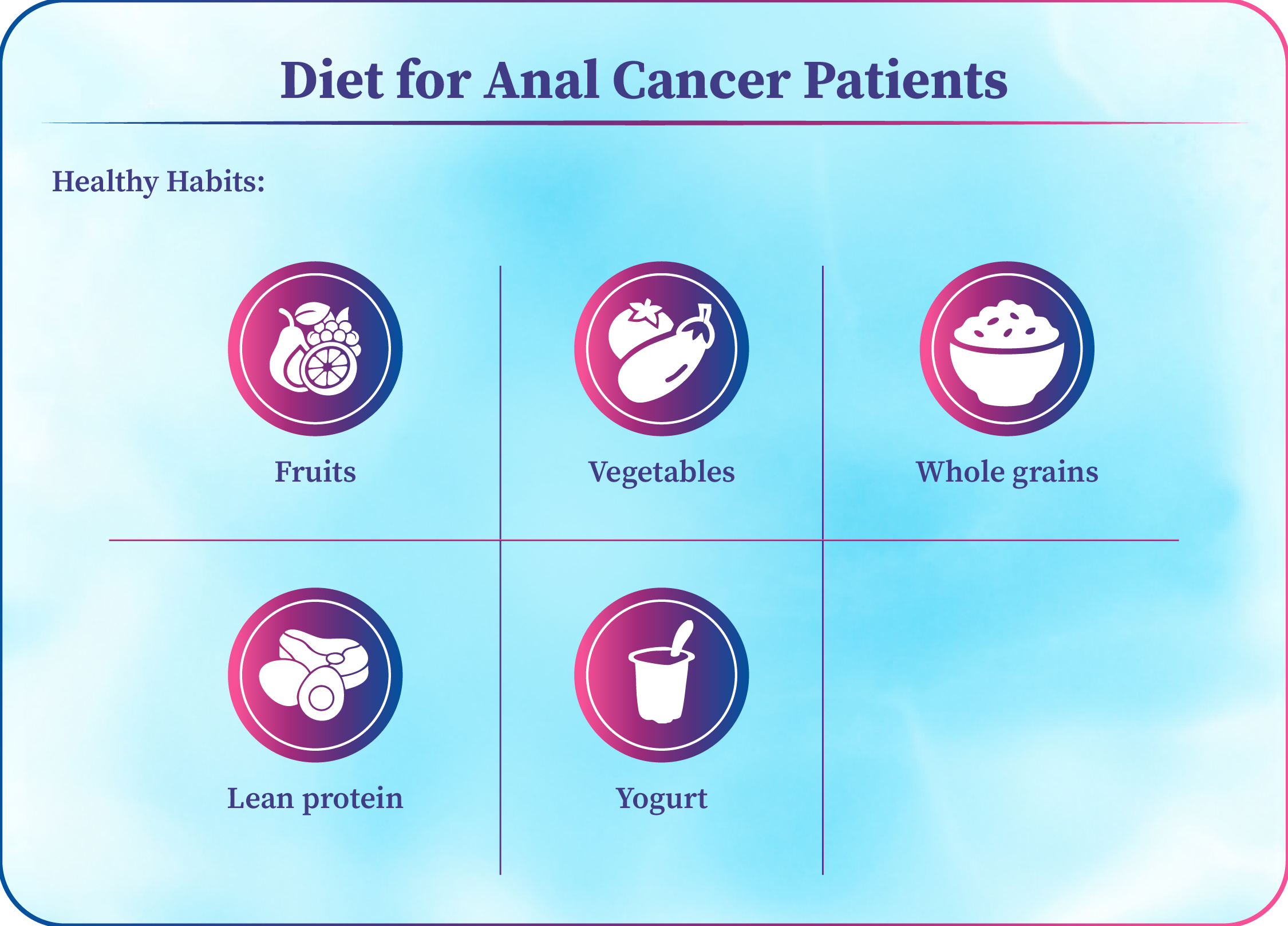
Diet for Anal Cancer Patients
Recommended foods:
Fruits
Vegetables
Whole grains
Lean protein
Yogurt
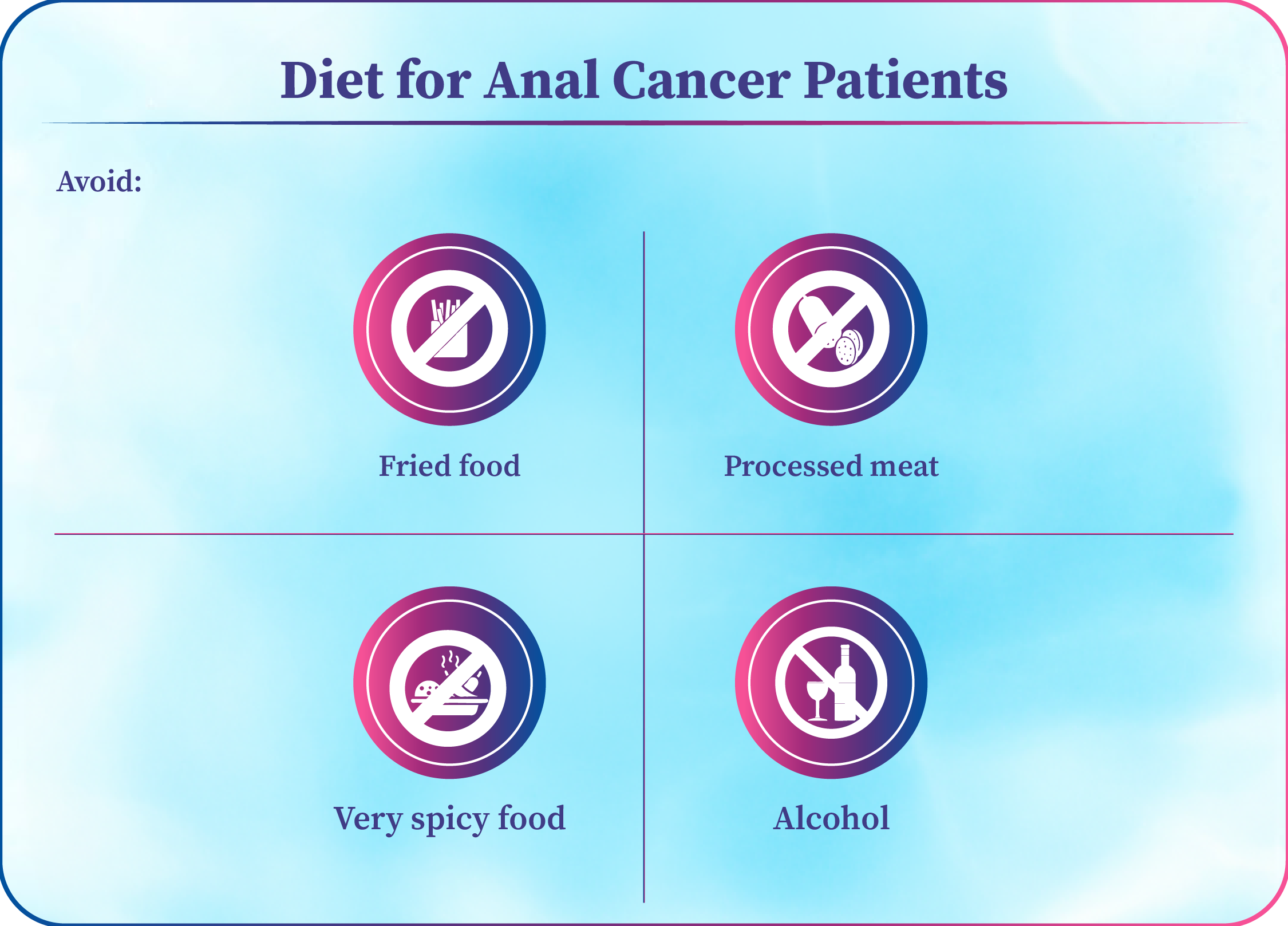
Avoid
Fried foods
Alcohol
Very spicy food
Processed meat
Psychological Support
Cancer affects mental health.
Patients may feel fear, shame, or sadness.
Counseling helps in:
Coping with diagnosis
Reducing anxiety
Improving quality of life
Why Choose Dr Rajesh Shinde for Anal Cancer Treatment?
Dr Rajesh Shinde is a highly experienced oncologist known for:
Personalized cancer care
Latest radiation techniques
Multidisciplinary approach
High success rate
Patient-friendly communication
Patients trust Dr Rajesh Shinde for compassionate care and modern treatment methods.
When Should You See a Doctor?
You should consult Dr Rajesh Shinde if you have:
Bleeding from anus
Pain for more than 2 weeks
Lump near anus
Sudden bowel changes
Early diagnosis saves lives.
Anal cancer is rare but serious. Many people delay treatment due to embarrassment. But early detection
and modern treatment have very high cure rates.
With expert care by Dr Rajesh Shinde, patients get accurate diagnosis, advanced treatment, and emotional
support throughout their journey.
If you or your loved one has symptoms of anal cancer, do not wait. Timely treatment can make a
life-saving difference.
Faq's