Colon Cancer Treatment
Colon cancer is one of the most common types of cancer affecting the digestive system. It develops in the large intestine (colon), which is responsible for absorbing water and forming stool. Colon cancer usually starts as small growths called polyps on the inner lining of the colon. Over time, some of these polyps can turn into cancer if not treated early.
With timely diagnosis and proper treatment, colon cancer is highly treatable, especially in the early stages. Under the expert care of Dr. Rajesh Shinde, patients receive comprehensive, advanced, and compassionate treatment for colon cancer, ensuring better recovery and quality of life.
What Is Colon Cancer?
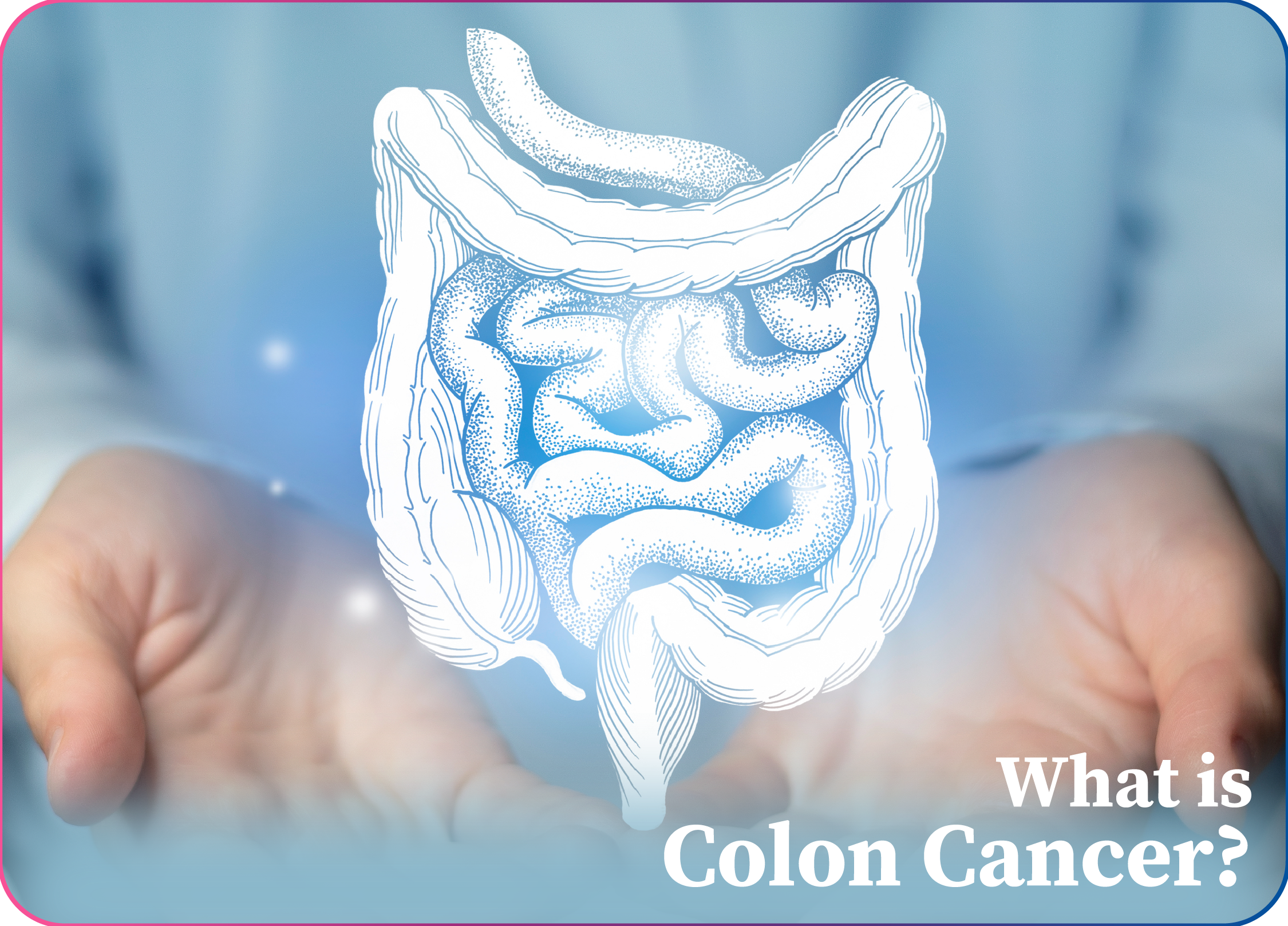
Colon cancer is a type of cancer that begins in the large intestine (colon). It is also known as colorectal cancer when it affects both the colon and rectum. The disease usually develops slowly over several years, starting as a benign polyp that later becomes cancerous.
Colon cancer is more common in people over the age of 45–50, but it can also occur in younger individuals due to lifestyle factors, genetic conditions, and dietary habits.
Stages of Colon Cancer
Colon cancer is classified into stages depending on how far it has spread:
Stage 1: Cancer is limited to the inner lining of the colon.
Stage 2: Cancer has spread to the wall of the colon but not to lymph nodes.
Stage 3: Cancer has spread to nearby lymph nodes.
Stage 4: Cancer has spread to distant organs such as liver or lungs.
Treatment plan is based on the stage, patient’s health, and tumor location.
Symptoms of Colon Cancer
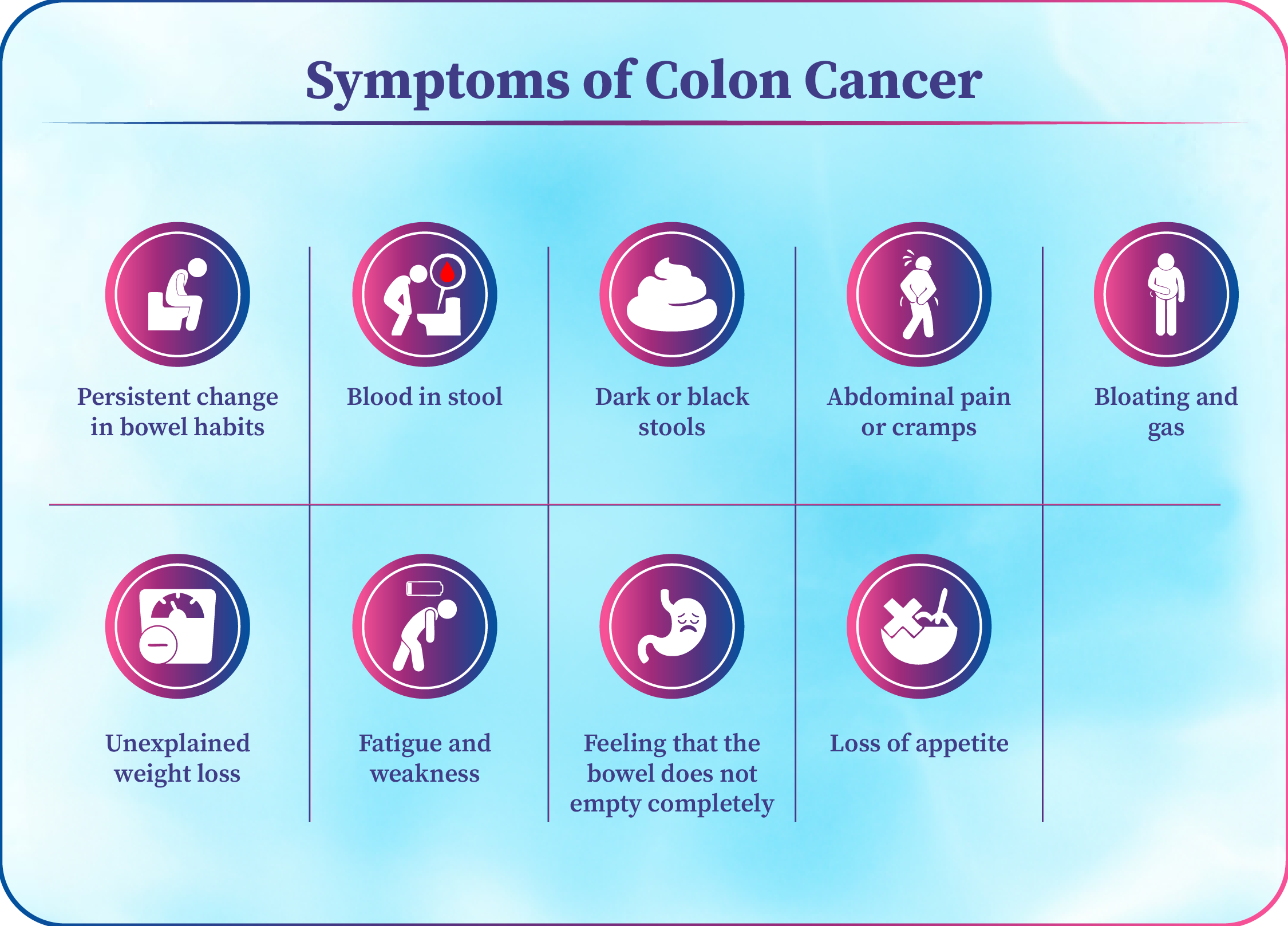
In early stages, colon cancer may not show any symptoms. As the disease progresses, common symptoms include:
Persistent change in bowel habits (diarrhea or constipation)
Blood in stool
Dark or black stools
Abdominal pain or cramps
Bloating and gas
Unexplained weight loss
Fatigue and weakness
Feeling that the bowel does not empty completely
Loss of appetite
If any of these symptoms persist for more than two weeks, it is important to consult a colon cancer specialist like Dr Rajesh Shinde immediately.
Causes of Colon Cancer
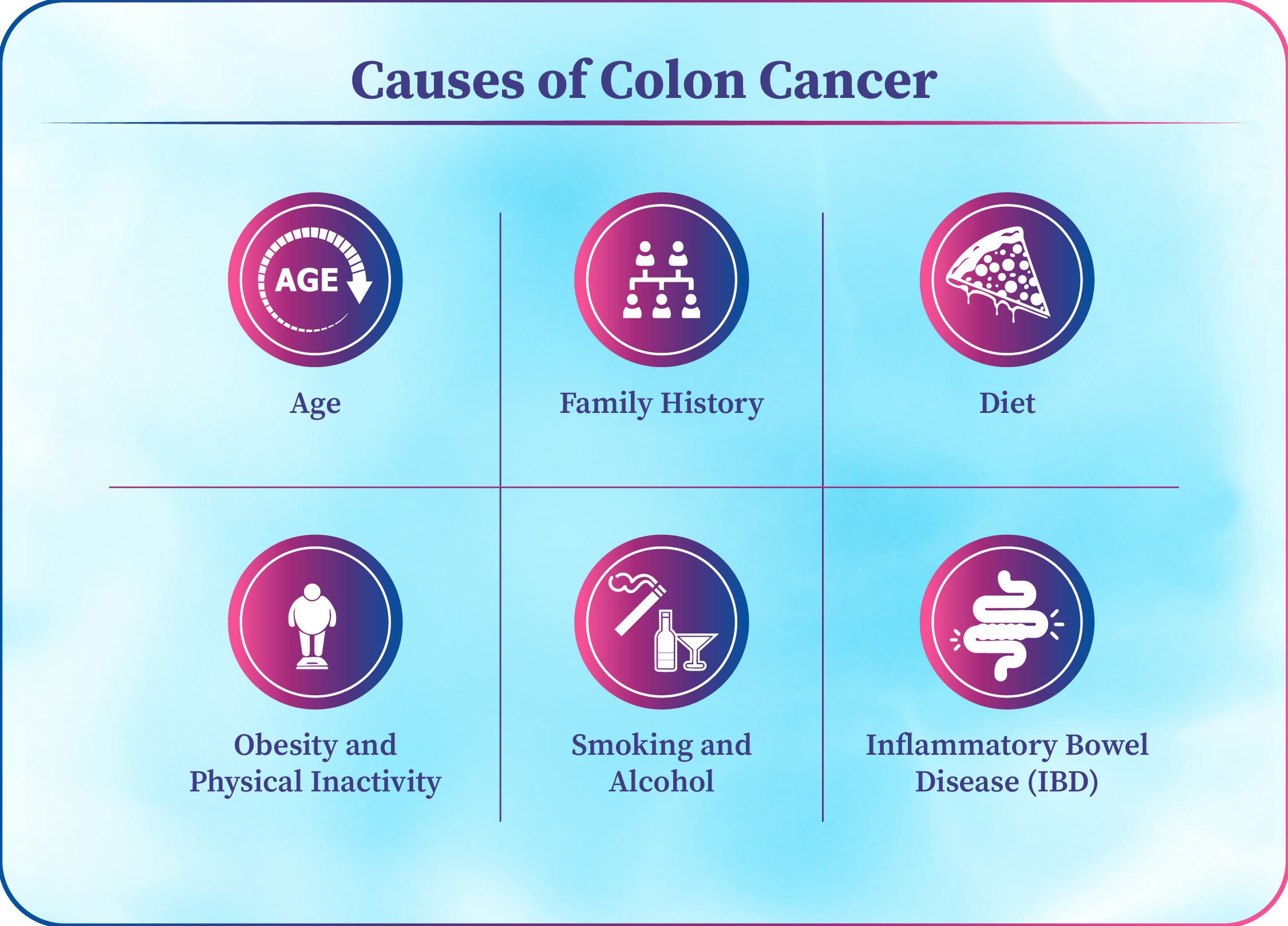
There is no single cause of colon cancer, but several risk factors increase the chances of developing it:
Age: The risk increases after the age of 45. However, cases among younger adults are rising due to unhealthy lifestyle habits.
Family History: People with a family history of colon cancer or polyps are at higher risk.
Diet: A diet high in red meat, processed food, fried items, and low in fiber increases the risk of colon cancer.
Obesity and Physical Inactivity: Being overweight and leading a sedentary lifestyle can increase the chances of developing colon cancer.
Smoking and Alcohol: Regular smoking and heavy alcohol consumption are linked to a higher risk of colon cancer.
Inflammatory Bowel Disease (IBD): Conditions like Crohn’s disease and ulcerative colitis increase long-term risk.
If any of these symptoms persist for more than two weeks, it is important to consult a colon cancer specialist like Dr Rajesh Shinde immediately.
Importance of Early Detection
Early detection of colon cancer significantly improves survival rates. When diagnosed in Stage 1 or Stage 2, colon cancer is often curable with surgery alone. Unfortunately, many patients ignore early warning signs, leading to late diagnosis.
Screening tests can detect cancer even before symptoms appear. Dr Rajesh Shinde strongly recommends regular screening for people above 45 years or those with family history.
How Colon Cancer Is Diagnosed?
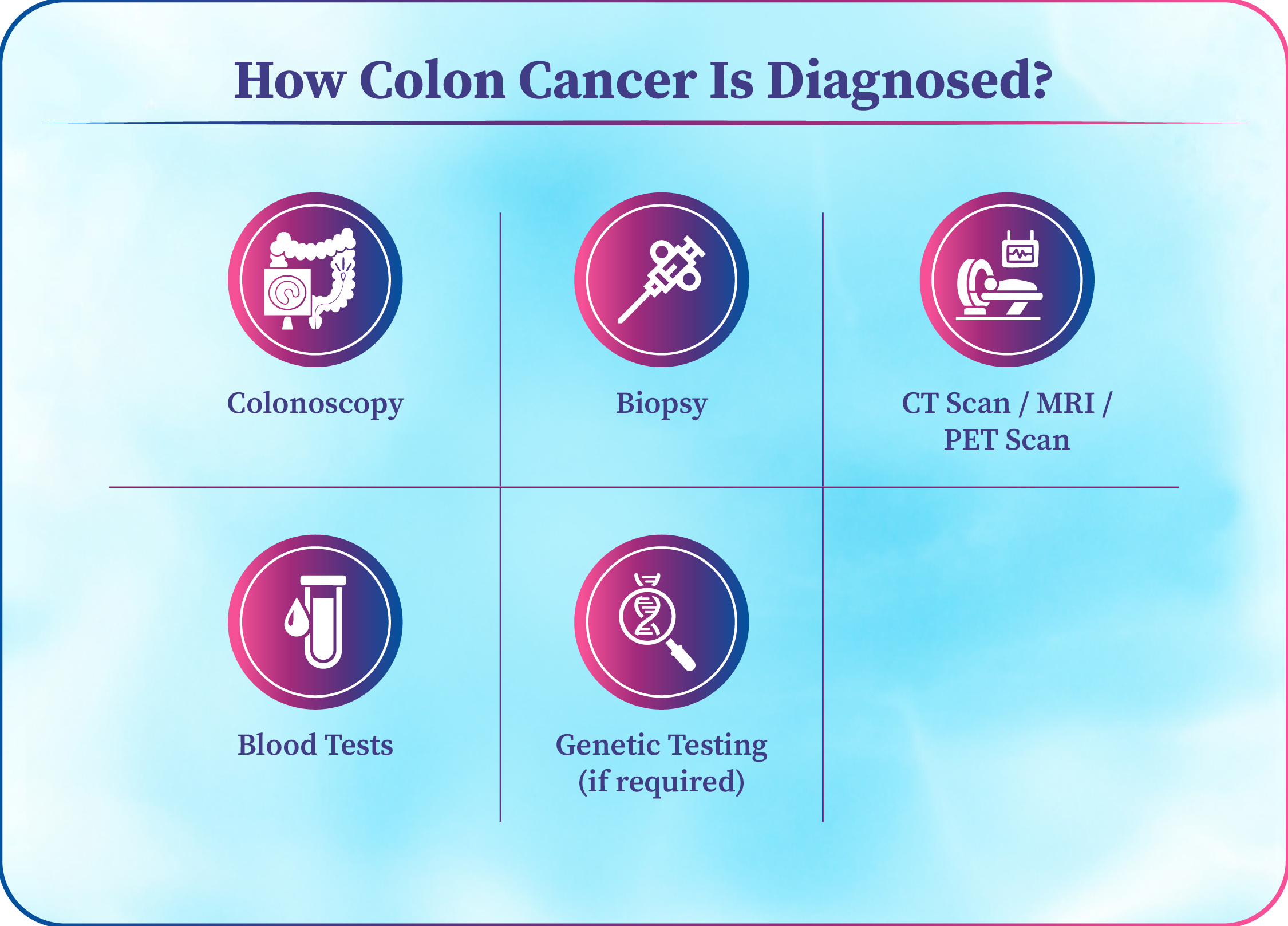
Dr Rajesh Shinde follows a thorough and systematic approach to diagnose colon cancer accurately.
Colonoscopy: A thin camera is inserted into the colon to examine the lining and detect polyps or tumors. Biopsy samples can be taken during the procedure.
Biopsy: A small tissue sample is examined under a microscope to confirm cancer.
CT Scan / MRI / PET Scan: These imaging tests help determine the size of the tumor and whether cancer has spread to nearby organs.
Blood Tests: Tumor markers like CEA help monitor cancer progression and response to treatment.
Genetic Testing (if required): Used in patients with strong family history.
Colon Cancer Treatment Options
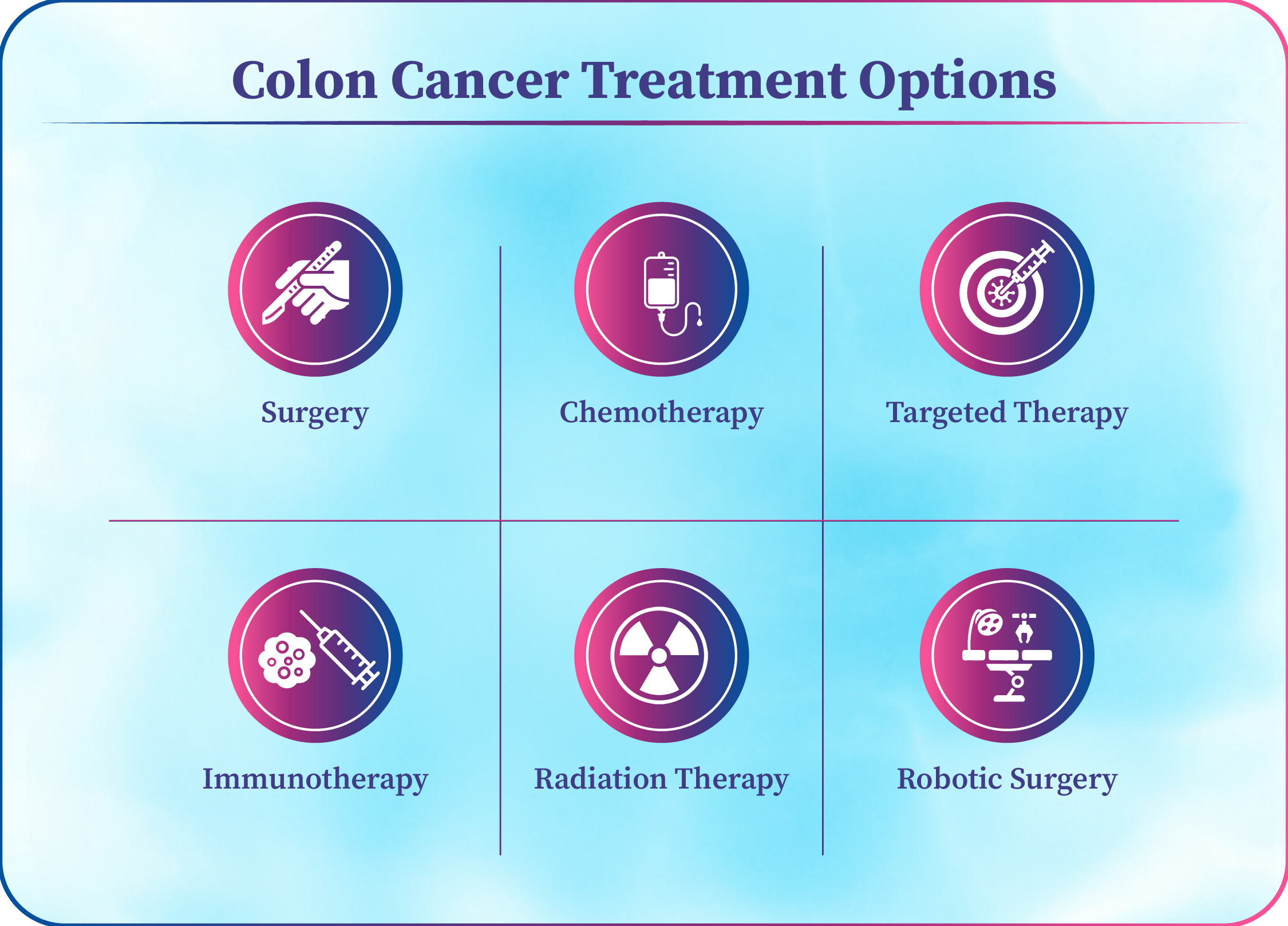
Dr Rajesh Shinde offers all modern and evidence-based treatment options for colon cancer.
Colonoscopy: A thin camera is inserted into the colon to examine the lining and detect polyps or tumors. Biopsy samples can be taken during the procedure.
Surgery for Colon Cancer - Surgery is the main treatment for colon cancer.
- Types of surgery include:
- Polypectomy – Removal of polyps during colonoscopy
- Partial Colectomy – Removal of the affected part of colon
- Laparoscopic Surgery – Minimally invasive technique with small cuts
- Robotic Surgery – High precision and faster recovery
- Dr Rajesh Shinde specializes in advanced surgical techniques to ensure:
- Minimal pain
- Faster recovery
- Less blood loss
- Better cosmetic results
Chemotherapy: Chemotherapy uses medicines to kill cancer cells and is given:
- After surgery (adjuvant therapy)
- Before surgery (neoadjuvant therapy)
- For advanced stage disease It may be given orally or through injections. Side effects are managed with modern supportive care.
Targeted Therapy: Targeted therapy works on specific molecules in cancer cells and causes less damage to normal cells. It is useful in advanced colon cancer.
Immunotherapy: Immunotherapy boosts the body’s immune system to fight cancer. It is effective in selected patients based on genetic testing.
Radiation Therapy: Radiation is less commonly used in colon cancer but may be needed in some advanced or recurrent cases.
Robotic Surgery for Colon Cancer Treatment: Robotic surgery is a modern and highly precise technique used in colon cancer treatment, especially for tumors located in difficult or narrow areas of the colon. In this method, the surgeon controls robotic arms from a console, allowing extremely accurate movements during surgery.
- Robotic colon cancer surgery helps in:
- Precise removal of cancer with clear margins
- Better visualization of blood vessels and lymph nodes
- Safer dissection of the tumor
- Reduced risk of injury to nearby organs
Benefits of Robotic Surgery in Colon Cancer
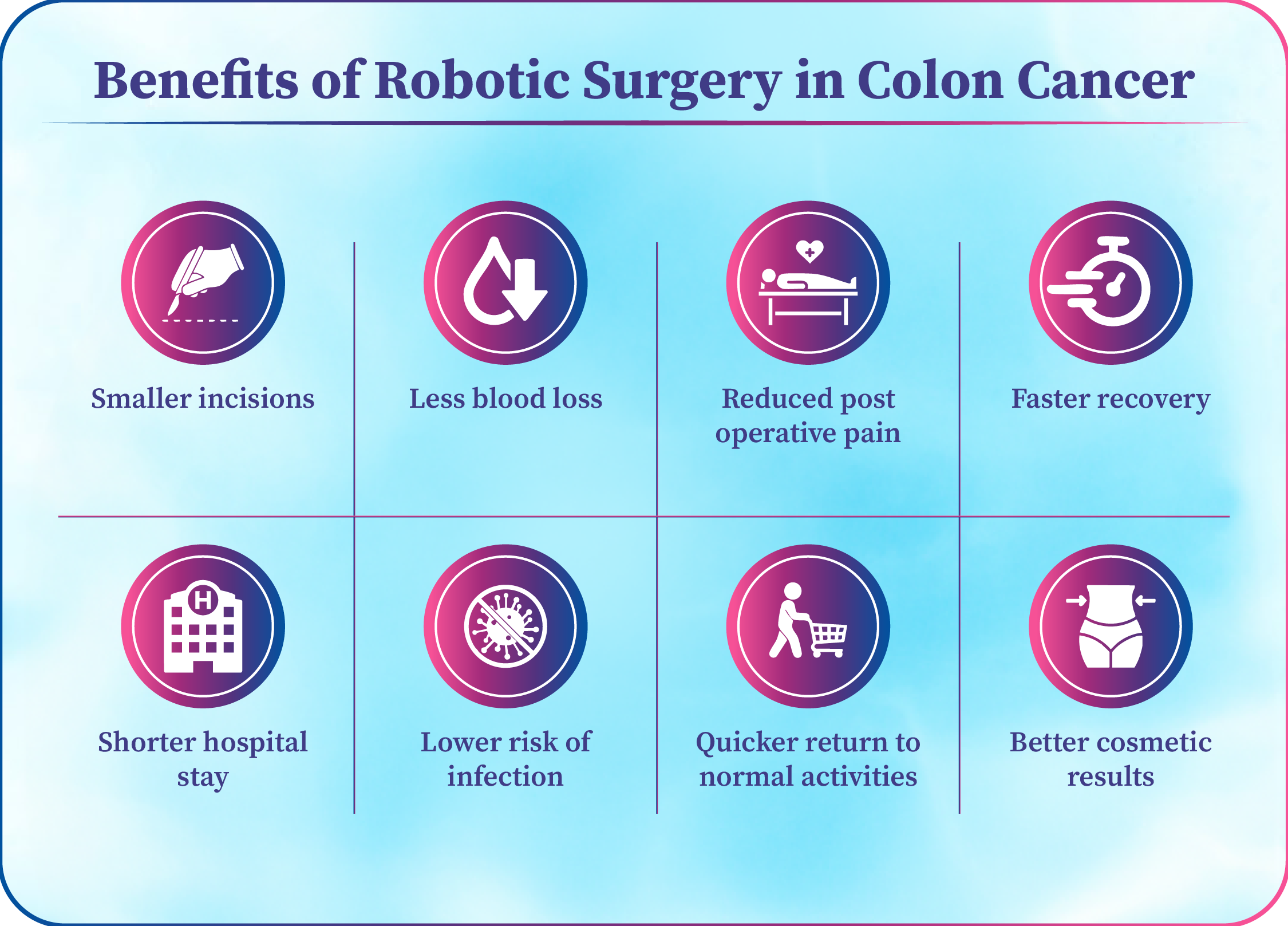
Robotic surgery offers several advantages over open and conventional laparoscopic surgery:
Smaller incisions
Less blood loss
Reduced post-operative pain
Faster recovery
Shorter hospital stay
Lower risk of infection
Quicker return to normal activities
Better cosmetic results
Robotic surgery is especially useful in:
Left-sided colon cancers
Obese patients
Complex tumors
Patients needing precise lymph node removal
Dr Rajesh Shinde uses advanced surgical techniques including laparoscopic and robotic surgery for colon cancer to ensure:
Complete cancer removal
Minimal trauma to the body
Faster healing
Improved long-term outcomes
Life After Colon Cancer Treatment
Recovery after colon cancer treatment depends on the stage and type of therapy received. With proper care, most patients return to normal life.
Diet After Treatment
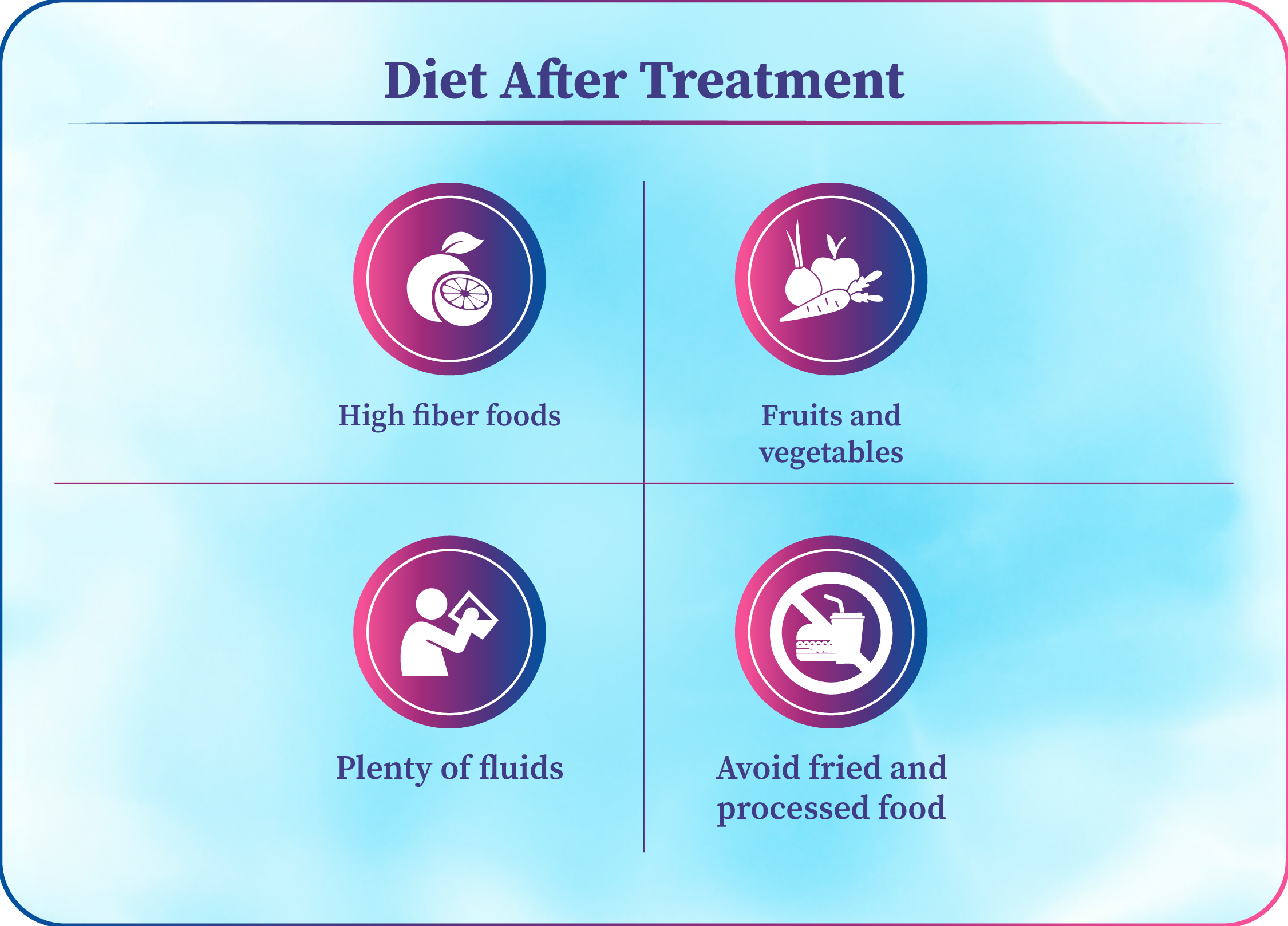
High fiber foods
Fruits and vegetables
Plenty of fluids
Avoid fried and processed food
Physical Activity
Light walking and exercises help improve digestion and overall health.
Regular Follow-Up
Regular check-ups, scans, and blood tests are important to detect recurrence early.
When Should You See a Colon Cancer Doctor?
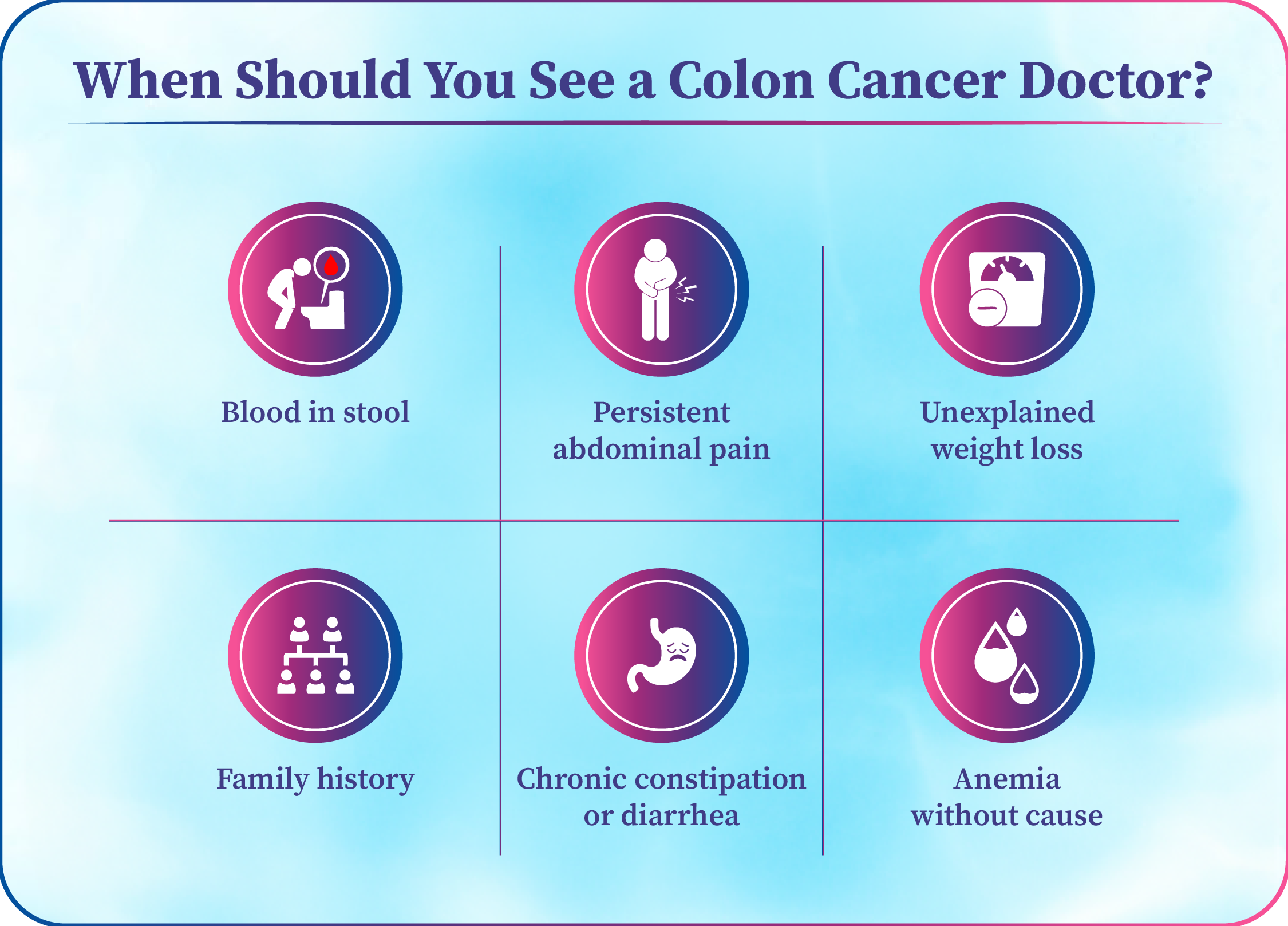
You should consult Dr Rajesh Shinde immediately if you have:
Blood in stool
Persistent abdominal pain
Unexplained weight loss
Family history of colon cancer
Chronic constipation or diarrhea
Anemia without cause
Early consultation saves lives.
Why Choose Dr Rajesh Shinde for Colon Cancer Treatment?
Dr Rajesh Shinde is a highly experienced colon cancer specialist known for patient-centered care and advanced treatment strategies.
Expertise in colon and colorectal cancer
Advanced surgical techniques
Multidisciplinary approach
Personalized treatment plans
Focus on early detection
High success rate
Compassionate patient care
Every patient receives a customized treatment plan based on:
Cancer stage
Tumor location
Age and medical history
Overall health condition
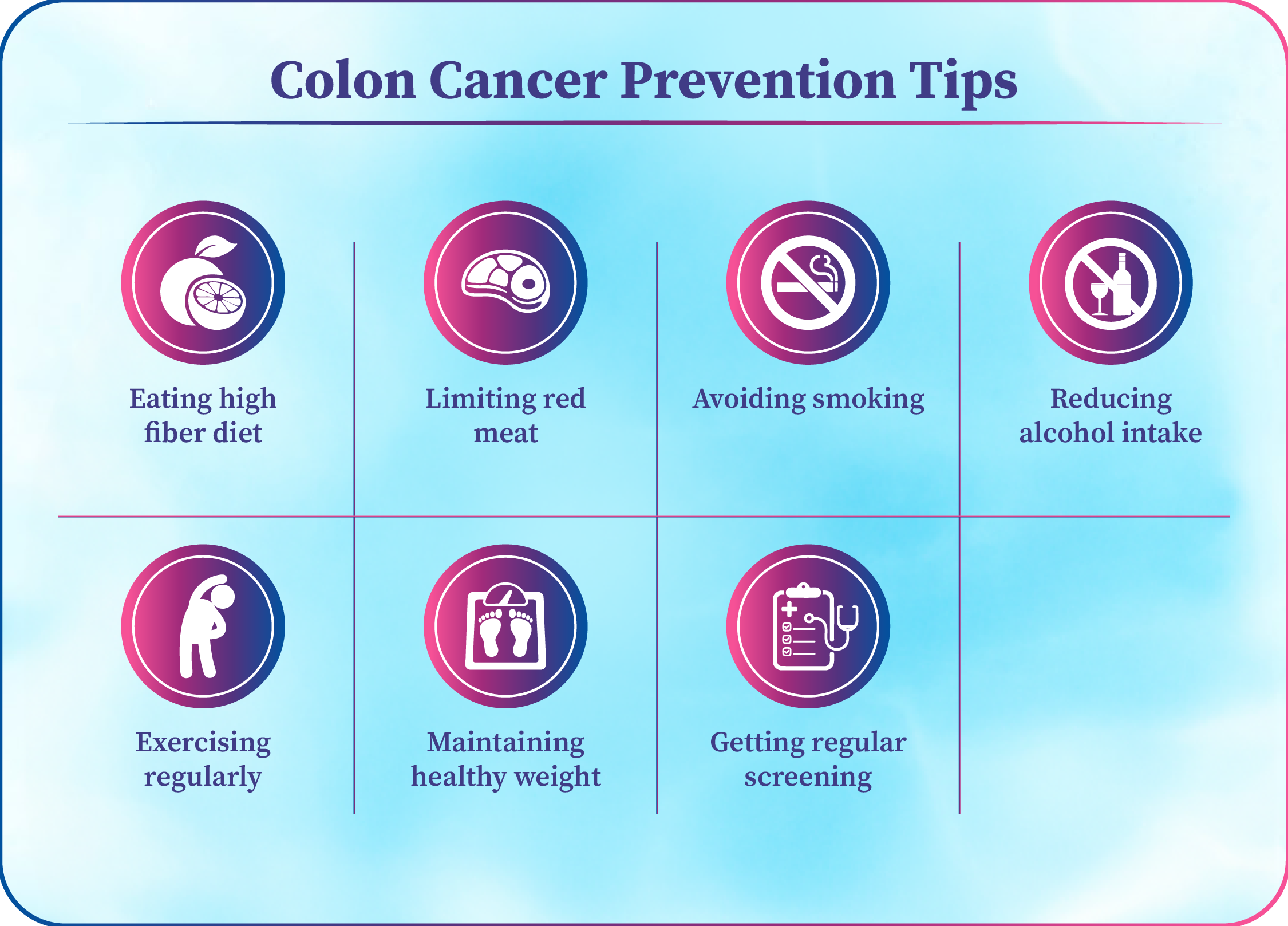
Colon Cancer Prevention Tips
While not all colon cancer cases can be prevented, the risk can be reduced by:
Eating high fiber diet
Limiting red meat
Avoiding smoking
Reducing alcohol intake
Exercising regularly
Maintaining healthy weight
Getting regular screening
Early consultation saves lives.
Colon cancer is a serious but treatable disease. Early diagnosis, expert surgical care, and proper follow-up are the keys to successful treatment. With the guidance and expertise of Dr Rajesh Shinde, patients receive world-class colon cancer treatment using advanced technology and compassionate care.
If you or your loved one is experiencing symptoms of colon cancer or needs screening, consult Dr Rajesh Shinde a trusted colon cancer specialist for accurate diagnosis and effective treatment.
Faq's