CRS HIPEC Surgery in Mumbai
Cancer that spreads inside the abdomen can be very difficult to treat with traditional therapies alone. For many years, patients diagnosed with cancers that spread to the lining of the abdomen were told that treatment options were limited. However, medical science has advanced significantly in recent years.
One of the most effective modern treatments for certain abdominal cancers is CRS HIPEC surgery.
CRS HIPEC stands for Cytoreductive Surgery (CRS) combined with Hyperthermic Intraperitoneal Chemotherapy (HIPEC). This advanced treatment is designed to remove visible cancer and destroy remaining microscopic cancer cells inside the abdomen.
If you are looking for CRS HIPEC surgery in Mumbai, Dr. Rajesh Shinde, an experienced surgical oncologist in Mumbai, provides advanced cancer treatment using modern surgical techniques and personalized care.

What is CRS HIPEC Surgery?
CRS HIPEC is a two-step cancer treatment procedure used for cancers that have spread to the lining of the abdomen (peritoneum).
The treatment involves:
Step 1: Cytoreductive Surgery
(CRS)
In this step, the surgeon removes all visible tumors from the abdominal cavity.
This may include removing small parts of affected organs or tissues if necessary.
Step 2: HIPEC (Heated
Chemotherapy)
After the tumors are removed, the surgeon circulates heated chemotherapy medicine inside
theabdomen for about 60–90 minutes.
The chemotherapy is heated to about 41–43°C, which helps it:
- Penetrate tissues better
- Kill remaining cancer cells
- Improve treatment effectiveness
Unlike traditional chemotherapy that travels through the bloodstream, HIPEC directly targets cancercells inside the abdomen, reducing side effects
Many patients searching for advanced cancer treatment in Mumbai choose CRS HIPEC surgery with Dr.Rajesh Shinde because it offers a targeted and effective treatment option.
What Types of Cancer Can Be Treated with CRS HIPEC?
CRS HIPEC is commonly used for cancers that spread to the peritoneum, the thin
lining inside the abdomen
These cancers include:
Appendix Cancer: Appendix tumors can spread mucus-producing cancer cells throughout the abdomen. CRS HIPEC helps remove tumors and destroy residual disease.
Colorectal Cancer: Some colorectal cancers spread to the peritoneum. In selected patients, CRS HIPEC may significantly improve survival.
Ovarian Cancer: For certain advanced ovarian cancers, CRS HIPEC may be used as part of treatment.
Peritoneal Mesothelioma: This rare cancer affects the lining of the abdomen and responds well to CRS HIPEC.
Gastric (Stomach) Cancer: In some cases where stomach cancer spreads inside the abdomen, HIPEC may be considered.
PseudomyxomaPeritone: This rare condition causes jelly-like tumors to spread throughout the abdominal cavity. CRS HIPEC is considered the standard treatment.
Patients seeking peritoneal cancer treatment in Mumbai often consult Dr. Rajesh Shinde, known for performing advanced surgical oncology procedures including CRS HIPEC
Why is CRS HIPEC Different from Regular Chemotherapy?
Traditional chemotherapy is given through the bloodstream. While it treats cancer throughout the body, it may not reach the abdominal lining effectively.
CRS HIPEC offers several advantages.
Direct Delivery of Chemotherapy: The medicine is delivered directly inside the abdomen where cancer cells exist.
Heated Chemotherapy Improves Effectiveness : Heat increases the ability of chemotherapy drugs to destroy cancer cells.
Higher Drug Concentration: Because the chemotherapy stays inside the abdomen, doctors can use a higher dose safely.
Reduced Side Effects: Less chemotherapy enters the bloodstream compared to IV chemotherapy.
These benefits make CRS HIPEC an important option in advanced abdominal cancer treatment in Mumbai.
Who is a Good Candidate for CRS HIPEC Surgery?
Not every patient with abdominal cancer needs CRS HIPEC. Careful evaluation is required.
A patient may be considered for CRS HIPEC if:
Cancer is confined mainly to the abdominal cavity
Tumors can be surgically removed
The patient is physically fit for major surgery
There is no widespread disease outside the abdomen
Previous treatments have been evaluated
Before recommending the procedure, Dr. Rajesh Shinde, a trusted cancer surgeon in Mumbai, performs a thorough evaluation including:
CT scan
PET scan
Blood tests
Diagnostic laparoscopy in some cases
This helps determine whether CRS HIPEC will be beneficial.
How is CRS HIPEC Surgery Performed?
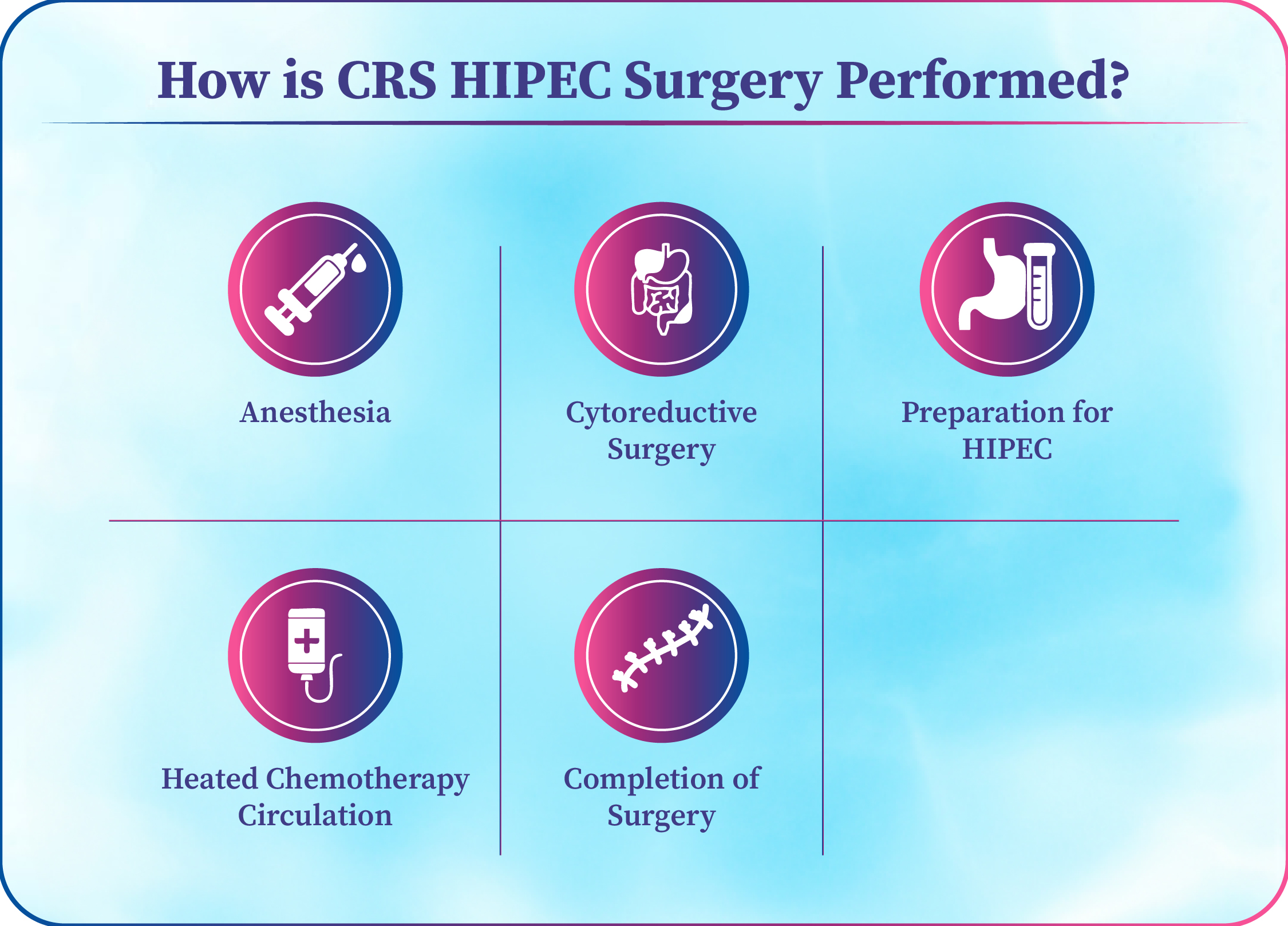
CRS HIPEC surgery is a complex procedure performed by specialized surgical oncologists.
The entire procedure usually takes 6 to 10 hours, depending on the extent of the disease.
Step 1: Anesthesia
The patient is given general anesthesia so they remain asleep during the surgery.
Step 2: Cytoreductive Surgery
The surgeon carefully removes visible tumors from the abdomen.
This may include removing affected tissues such as:
- Parts of the peritoneum
- Portions of the intestine
- Appendix
- Gallbladder
- Omentum (fatty tissue covering abdominal organs)
The aim is to remove all visible cancer.
Step 3: Preparation for HIPEC
Once tumor removal is completed, tubes are placed inside the abdomen to circulate
chemotherapy.
Step 4: Heated Chemotherapy
Circulation
A machine pumps heated chemotherapy solution throughout the abdominal cavity for about 60–90
minutes.
The surgeon gently moves the abdomen to ensure the chemotherapy reaches all areas.
Step 5: Completion of Surgery
After chemotherapy circulation, the solution is removed, and the surgical incision is
closed.
Patients undergoing CRS HIPEC surgery in Mumbai with Dr. Rajesh Shinde receive
treatment using advanced surgical technology and strict safety protocols.
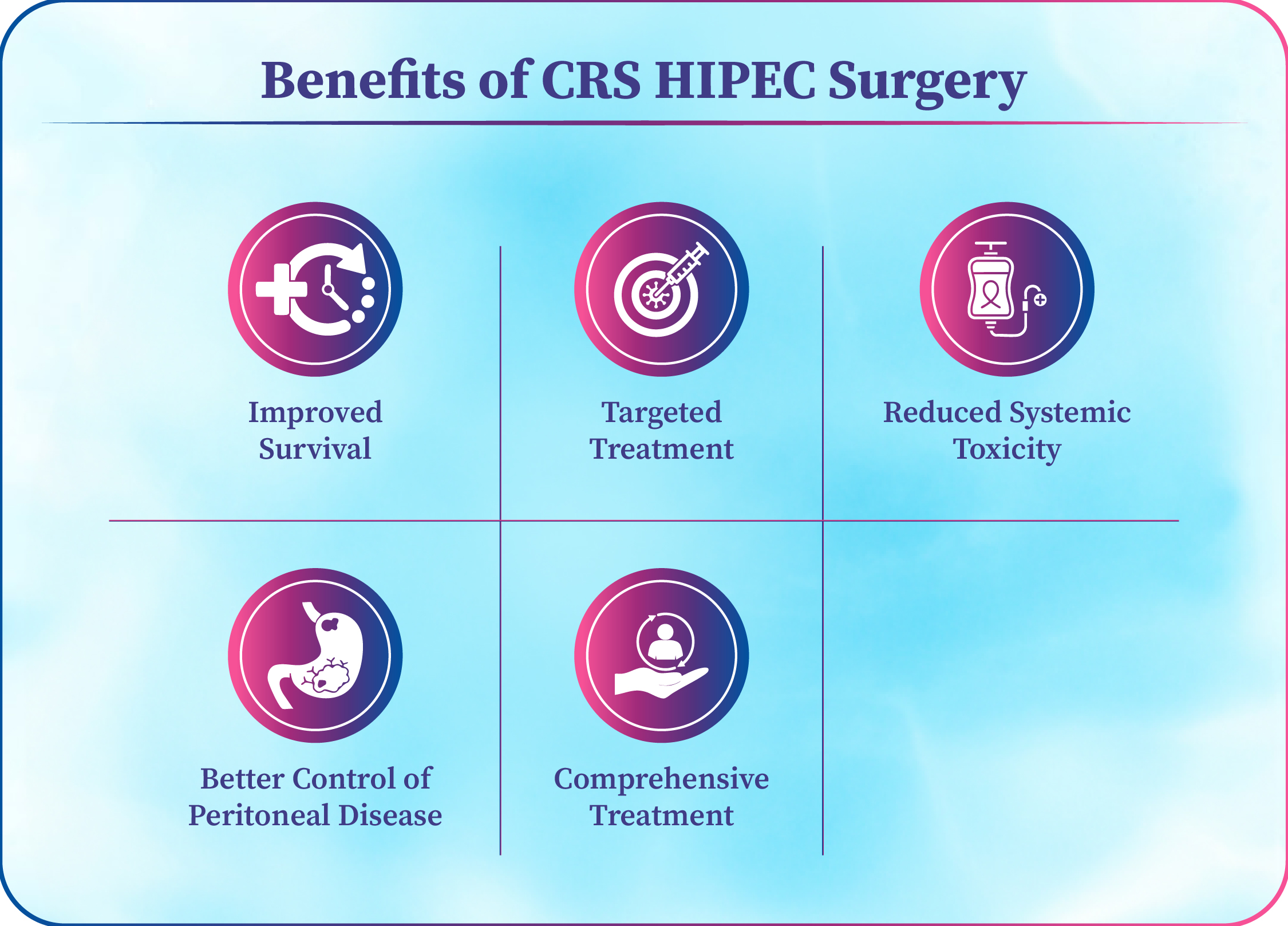
Benefits of CRS HIPEC Surgery
CRS HIPEC has changed the outlook for many patients with abdominal cancers.
Some of the major benefits include:
Improved Survival: Many patients experience significantly longer survival compared to traditional treatments alone.
Targeted Treatment: HIPEC directly targets cancer cells inside the abdomen.
Reduced Systemic Toxicity: Less chemotherapy circulates through the entire body.
Better Control of Peritoneal Disease: CRS HIPEC helps prevent cancer recurrence inside the abdomen.
Comprehensive Treatment: It removes visible tumors and destroys microscopic disease in a single procedure.
Because of these advantages, CRS HIPEC is increasingly recommended by specialists like Dr. RajeshShinde, a respected surgical oncologist in Mumbai.
Risks and Possible Complications
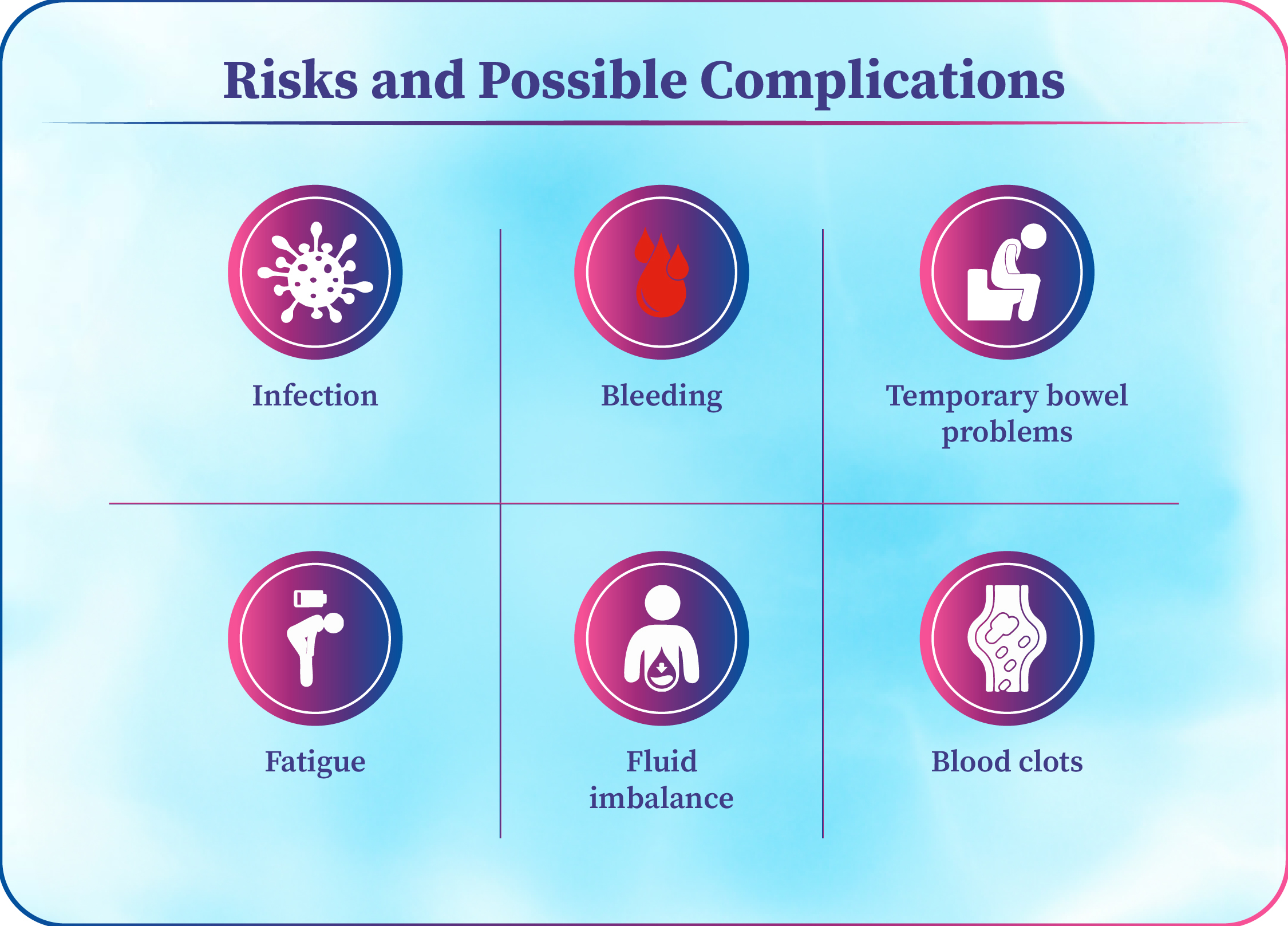
Like any major surgery, CRS HIPEC carries some risks.
Possible complications include:
Infection
Bleeding
Temporary bowel problems
Fatigue
Fluid imbalance
Blood clots
However, experienced specialists carefully manage these risks.
Choosing a skilled surgeon such as Dr. Rajesh Shinde, known for performing advanced cancer surgery inMumbai, significantly improves safety and outcomes.
Recovery After CRS HIPEC Surgery
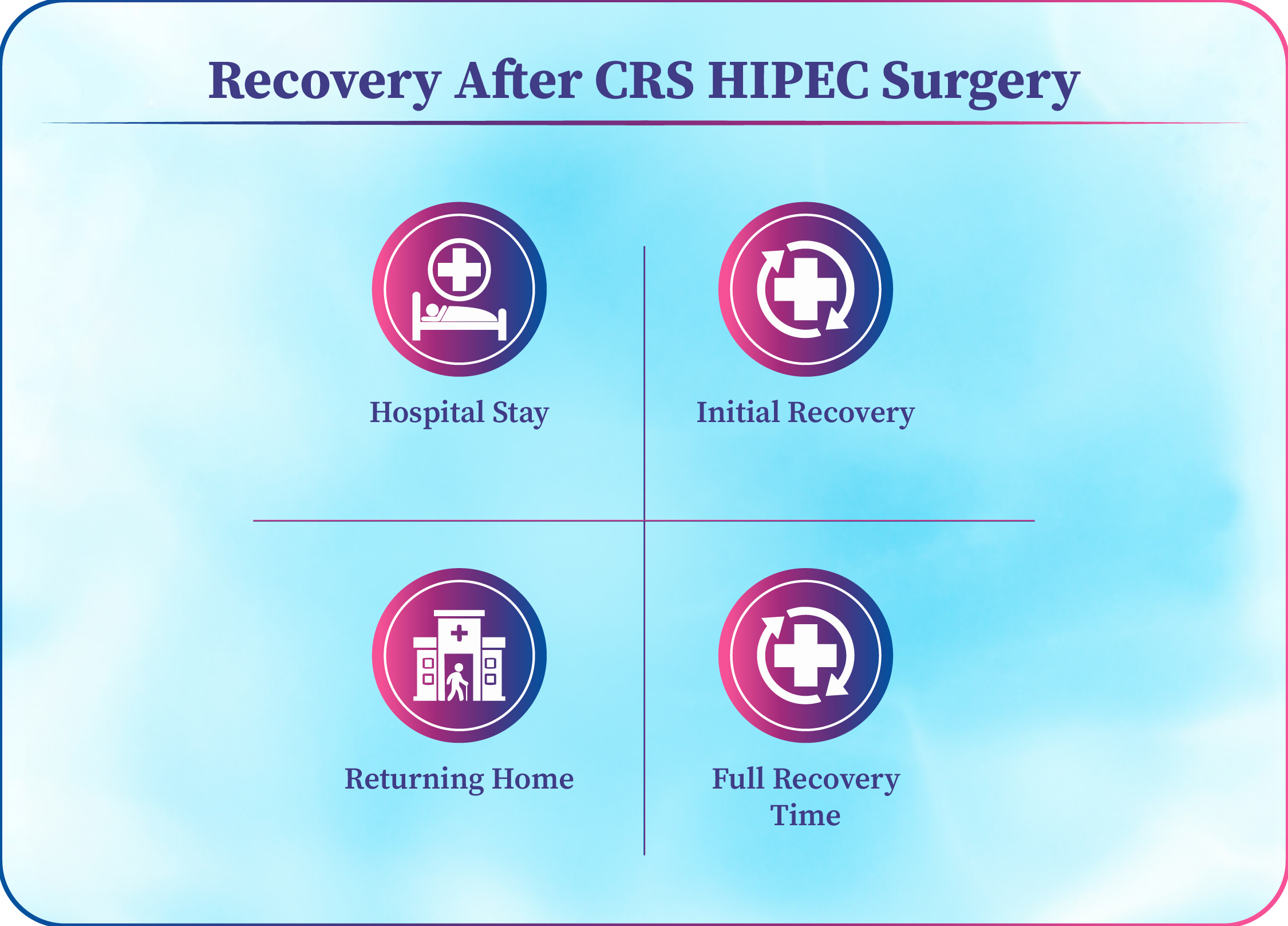
Recovery after CRS HIPEC takes time because it is a major surgical procedure.
Hospital Stay: Most patients stay in the hospital for 10 to 14 days.
Initial Recovery: During the first few days:
- Patients may stay in the ICU for monitoring
- Pain control is provided
- Gradual return to eating and walking begins
Returning Home: Once stable, patients are discharged with recovery instructions
Full Recovery Time: Most patients recover within 6 to 12 weeks.
Patients treated by Dr. Rajesh Shinde in Mumbai receive personalized recovery plans, nutritional guidance, and follow-up care.
Life After CRS HIPEC Surgery
Many patients worry about how life will change after treatment.
The good news is that many patients return to normal activities after recovery.
Patients may be able to:
Resume work
Travel
Exercise
Enjoy family life again
Regular follow-up is essential to monitor recovery and detect any recurrence early.
Success Rates of CRS HIPEC
The success of CRS HIPEC depends on several factors, including:
Type of cancer
Extent of disease
Patient health
Completeness of tumor removal
In many cases, CRS HIPEC has been shown to significantly improve survival.
For example:
Patients with appendix cancer and pseudomyxomaperitonei may have long-term survival after CRS HIPEC
Selected colorectal cancer patients may also benefit.
Consulting an experienced CRS HIPEC specialist in Mumbai such as Dr. Rajesh Shinde helps determine the expected outcome for each individual case.
Why Choose Dr. Rajesh Shinde for CRS HIPEC Surgery in Mumbai?
Choosing the right surgeon is one of the most important decisions in cancer treatment.
Dr. Rajesh Shinde is known for providing advanced surgical oncology care with a patient-focused approach.
Expertise in Complex Cancer Surgeries
Dr. Rajesh Shinde specializes in:
- CRS HIPEC surgery
- Gastrointestinal cancer surgery
- Laparoscopic cancer surgery
- Advanced oncological procedures
Personalized Treatment Plans: Every patient receives an individualized treatment strategy.
Advanced Surgical Techniques: Modern surgical techniques help improve outcomes and reduce complications.
Comprehensive Cancer Care: From diagnosis to recovery, patients receive complete support throughout their treatment journey.
Patients searching for best surgical oncologist in Mumbai or CRS HIPEC surgery in Mumbai often consult Dr. Rajesh Shinde for expert care.
When Should You Consult a Specialist for CRS HIPEC?
You should consider consulting a cancer specialist if you have been diagnosed with:
Peritoneal cancer
Recurrent abdominal cancer
Appendix tumors
Advanced colorectal cancer
Ovarian cancer spread inside the abdomen
Early evaluation can help determine the best treatment plan.
CRS HIPEC surgery represents a major advancement in the treatment of cancers that spread inside the abdomen. By combining tumor removal with heated chemotherapy, this procedure offers hope for patients who previously had limited treatment options.
If you or a loved one has been diagnosed with abdominal cancer, consulting an experienced specialist is essential.
Dr. Rajesh Shinde, a leading surgical oncologist in Mumbai, provides advanced CRS HIPEC treatment with a focus on patient safety, modern surgical techniques, and personalized care.
Early consultation can help determine the most effective treatment plan and improve outcomes.
Faq's