Esophageal Cancer Treatment
Esophageal cancer is a serious condition that affects the food pipe (esophagus), the tube that carries food from the mouth to the stomach. When cancer develops in this tube, it can make swallowing difficult and affect nutrition and overall health. With early diagnosis and the right treatment, many patients can be treated successfully and go on to live meaningful lives.
Dr. Rajesh Shinde, a highly experienced cancer specialist, provides comprehensive and advanced treatment for esophageal cancer using modern medical techniques, including robotic surgery, chemotherapy, radiation therapy, and personalized care plans based on each patient’s condition.
What Is Esophageal Cancer?
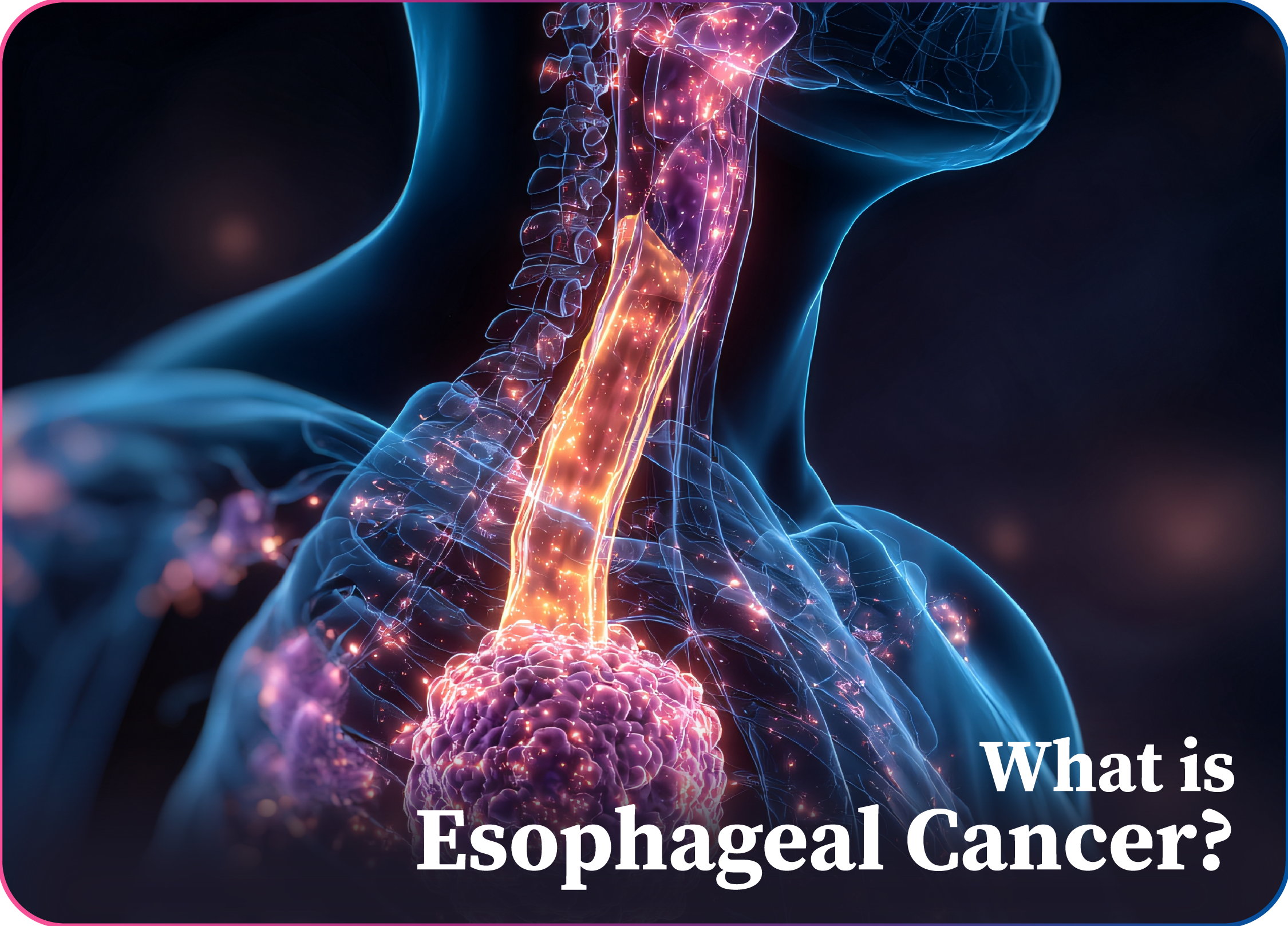
The esophagus is a long, muscular tube that connects your throat to your stomach. Esophageal cancer starts when abnormal cells grow uncontrollably in the lining of this tube. Over time, these cells can form a tumor and may spread to nearby organs or other parts of the body if not treated in time.
There are two main types of esophageal cancer:
Squamous Cell Carcinoma – usually affects the upper and middle part of the esophagus.
Adenocarcinoma – usually affects the lower part of the esophagus, near the stomach.
Both types need proper medical evaluation and treatment by a specialist like Dr. Rajesh Shinde.
Stages of Esophageal Cancer
Stage 1:Cancer is limited to the inner lining
Stage 2:Cancer spreads to deeper layers
Stage 3: Cancer spreads to nearby lymph nodes
Stage 4:Cancer spreads to distant organs like liver or lungs
Treatment depends on the stage, overall health of the patient, and tumor location.
Why Does Esophageal Cancer Occur?
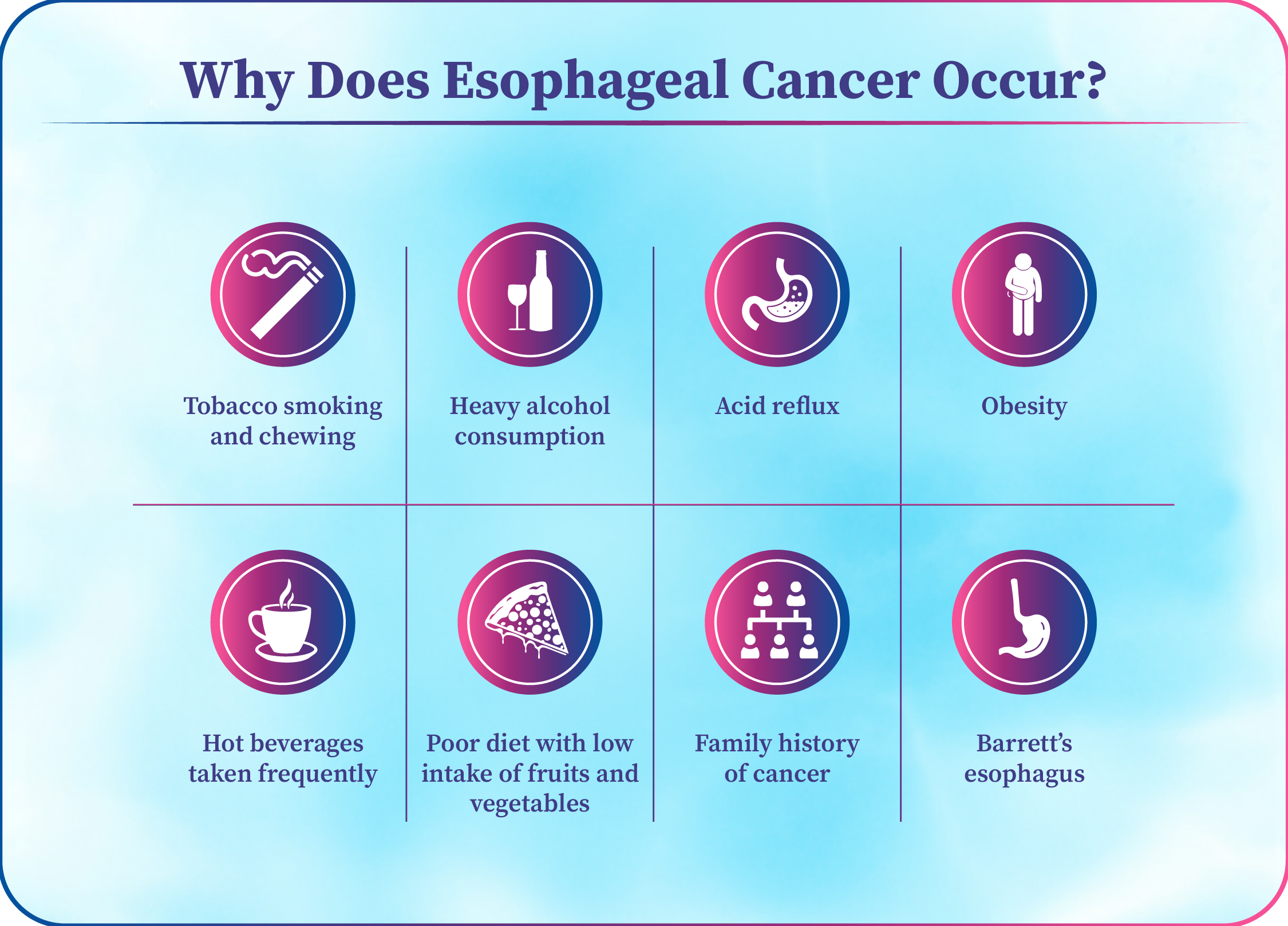
Several factors increase the risk of developing esophageal cancer:
Tobacco smoking and chewing
Heavy alcohol consumption
Acid reflux (GERD) for many years
Obesity
Poor diet with low intake of fruits and vegetables
Hot beverages taken frequently
Family history of cancer
Barrett’s esophagus (a condition caused by long-term acid reflux)
Avoiding tobacco, limiting alcohol, maintaining a healthy weight, and treating acid reflux early can reduce the risk.
Common Symptoms of Esophageal Cancer
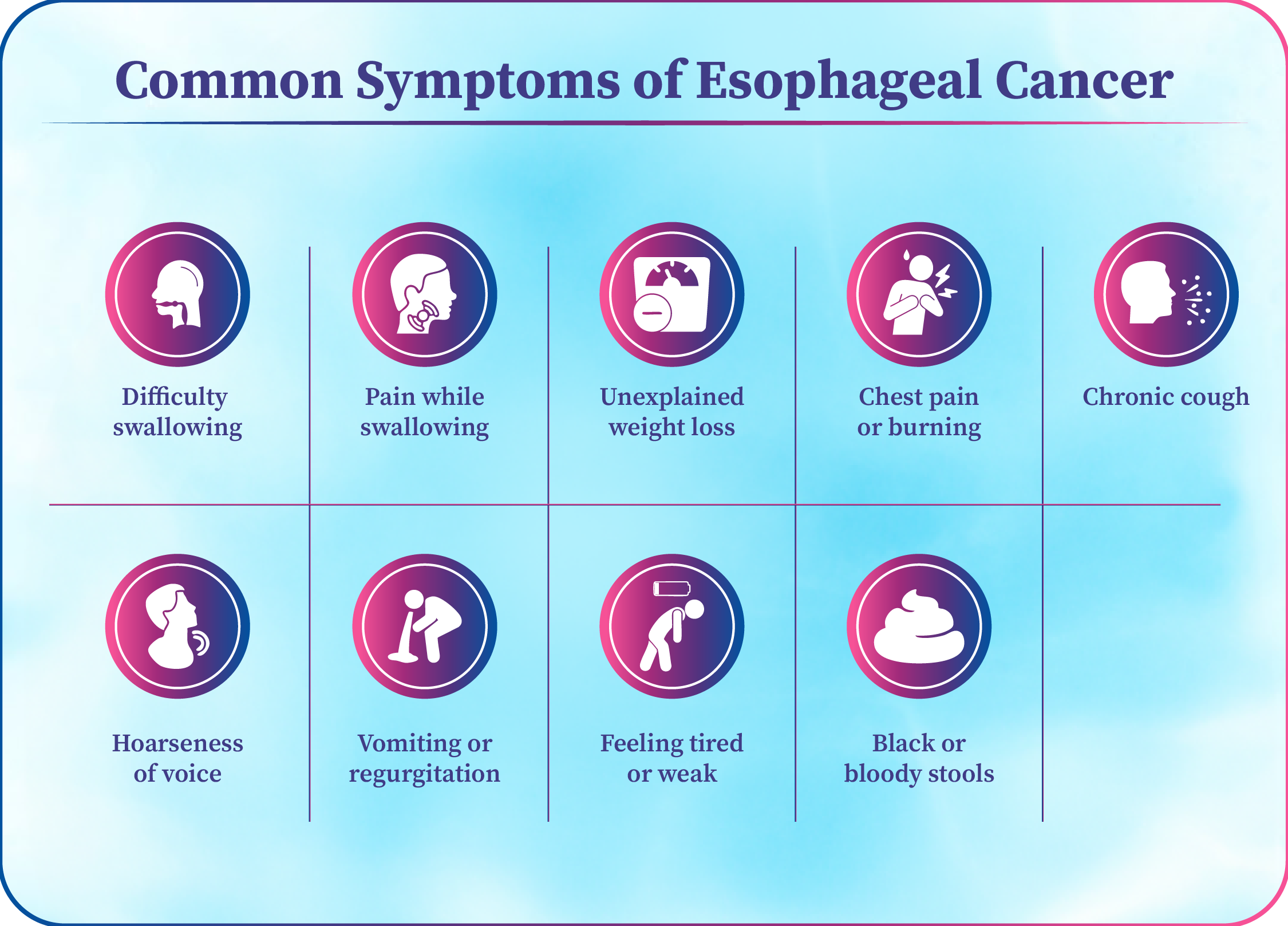
Early-stage esophageal cancer may not cause noticeable symptoms. As the disease grows, symptoms may include:
Difficulty swallowing (food feels stuck)
Pain while swallowing
Unexplained weight loss
Chest pain or burning
Chronic cough
Hoarseness of voice
Vomiting or regurgitation
Feeling tired or weak
Black or bloody stools (in advanced cases)
If you notice these symptoms for more than two weeks, it is important to consult a specialist like Dr. Rajesh Shinde for proper evaluation.
How Is Esophageal Cancer Diagnosed?
Accurate diagnosis is the first step toward successful treatment.
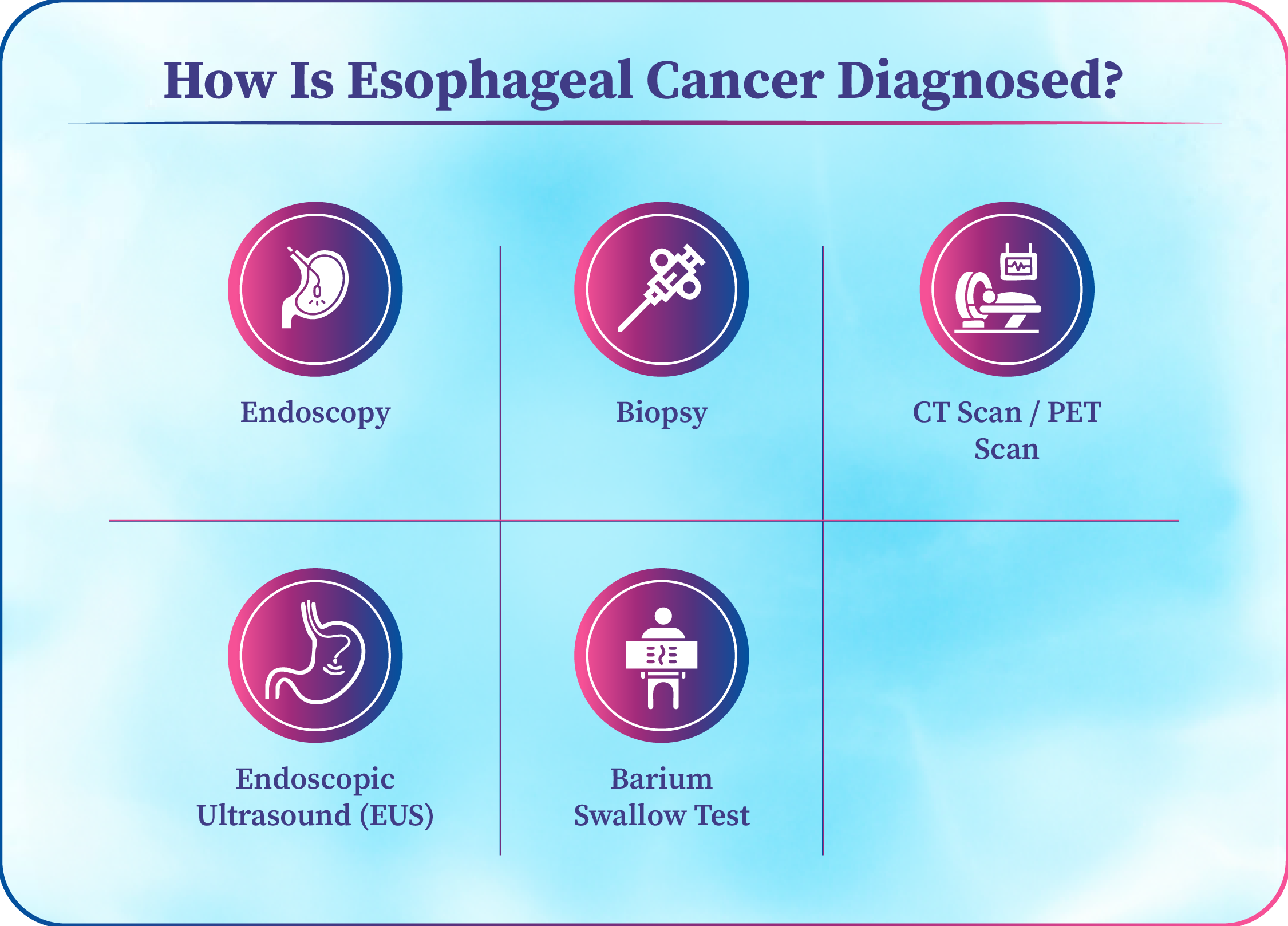
Tests used to detect esophageal cancer include:
Endoscopy: A thin tube with a camera is passed through the mouth to examine the esophagus.
Biopsy: A small tissue sample is taken during endoscopy and tested for cancer cells.
CT Scan / PET Scan: These scans show if cancer has spread to lymph nodes or other organs.
Endoscopic Ultrasound (EUS): Helps determine how deep the tumor has grown into the esophageal wall.
Barium Swallow Test: X-ray taken after drinking a special liquid to see blockages.
Based on these tests, the cancer is staged from Stage 1 (early) to Stage 4 (advanced).
Treatment Options for Esophageal Cancer
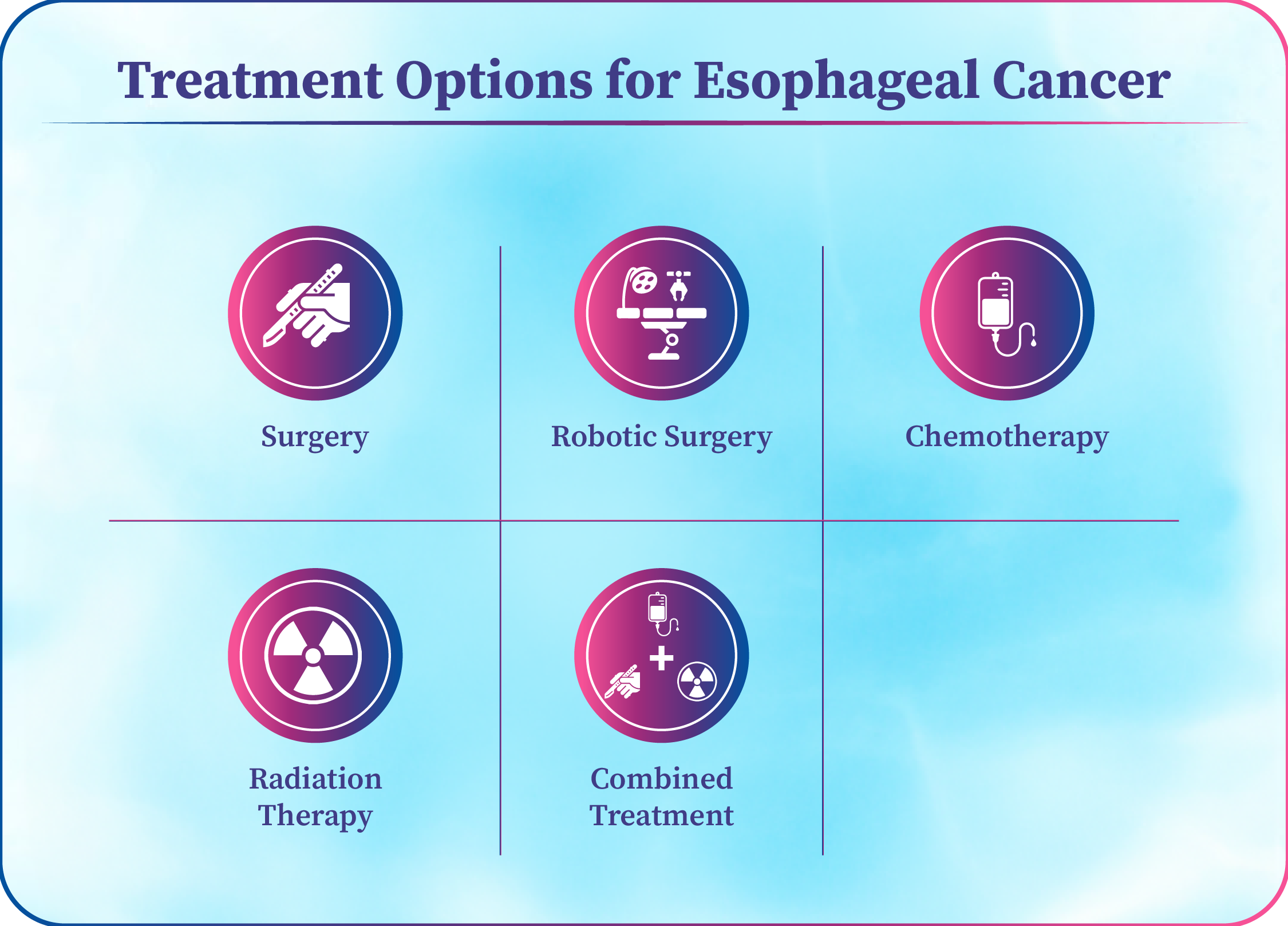
Treatment is usually a combination of different therapies. Dr. Rajesh Shinde follows a personalized treatment plan for each patient.
Surgery for Esophageal Cancer: Surgery is the main
treatment for early and locally advanced esophageal cancer. It involves removing the cancerous part
of the esophagus and reconnecting the stomach or intestine.
Traditional surgery required large cuts and long recovery time. Today, robotic-assisted esophageal
cancer surgery offers better results and faster recovery.
Robotic Surgery for Esophageal Cancer: Robotic surgery
is a modern and highly advanced surgical technique where the surgeon operates using robotic arms
controlled through a console. It is especially useful in esophageal cancer because the esophagus
lies deep inside the chest and near important organs.
Benefits of robotic surgery include:
- Smaller incisions
- Less pain after surgery
- Less blood loss
- Higher surgical precision
- Faster recovery
- Shorter hospital stay
- Lower risk of infection
- Better preservation of nerves and muscles
Dr. Rajesh Shinde specializes in robotic surgery for esophageal cancer and uses this technology to
improve patient safety and treatment success.
Robotic surgery allows the doctor to see the tumor in high-definition 3D view and remove it
accurately, while protecting nearby organs like the lungs and heart.
Chemotherapy for Esophageal Cancer: Chemotherapy uses
anti-cancer medicines to kill cancer cells or stop them from growing.
Chemotherapy can be used:
- Before surgery (to shrink the tumor)
- After surgery (to kill remaining cells)
- Along with radiation
- In advanced stages to control symptoms
Radiation Therapy: Radiation therapy uses high-energy rays to destroy cancer cells. It may be given:
- Before surgery
- Along with chemotherapy
- For pain relief in advanced cancer Modern radiation techniques target the tumor precisely and reduce damage to healthy tissue.
Combined Treatment (Multimodal Therapy): Most patients with esophageal cancer need a combination of:
- Chemotherapy
- Radiation therapy
- Surgery (often robotic) This combined approach increases the chances of cure and long-term survival.
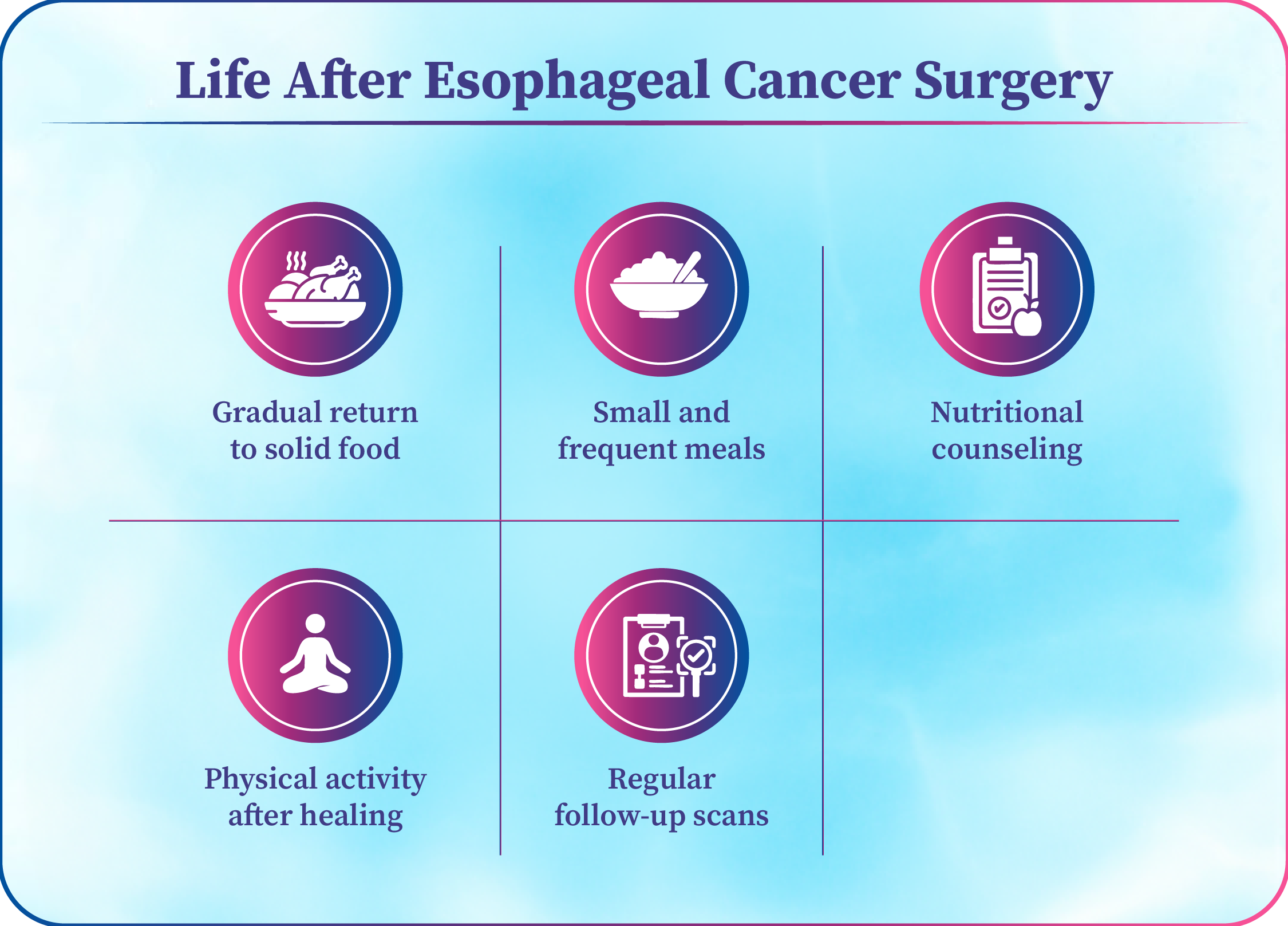
Life After Esophageal Cancer Surgery
After surgery, patients may need time to adjust their eating habits.
Recovery includes:
Gradual return to solid food
Small and frequent meals
Nutritional counseling
Physical activity after healing
Regular follow-up scans
Most patients are able to return to normal life with proper support and guidance from Dr. Rajesh Shinde and his medical team.
Diet and Lifestyle After Treatment
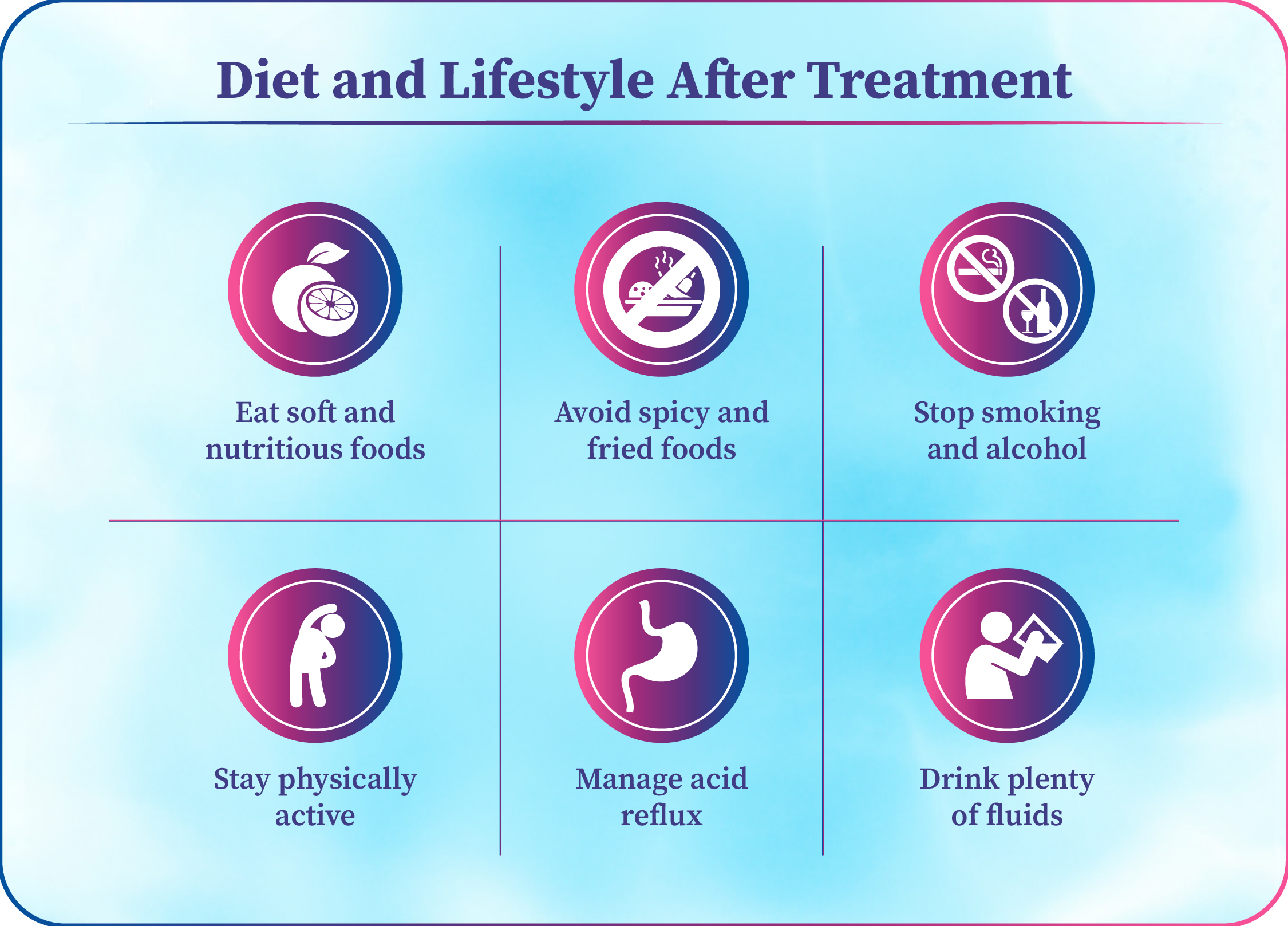
Healthy habits help prevent recurrence and improve quality of life:
Eat soft and nutritious foods
Avoid spicy and fried foods
Stop smoking and alcohol
Stay physically active
Manage acid reflux
Drink plenty of fluids
Advanced and Palliative Care for Esophageal Cancer
For advanced-stage cancer, treatment focuses on:
Reducing pain
Improving swallowing
Maintaining nutrition
Improving quality of life
Options include stenting, feeding tubes, and symptom control therapy.
Why Choose Dr. Rajesh Shinde for Esophageal Cancer Treatment?
Expertise in complex cancer surgeries
Advanced robotic surgery experience
Personalized treatment planning
Multidisciplinary team approach
Focus on safety and recovery
Compassionate patient care
Patients receive complete guidance from diagnosis to recovery under one roof.
Faq's