Gallbladder Cancer Treatment
Gallbladder cancer is a serious but often overlooked disease. Many people do not realize something is wrong until the cancer reaches an advanced stage. This is because early symptoms of gallbladder cancer are often mild or similar to common stomach problems like indigestion or gallstones.
With modern medical technology, early diagnosis and advanced treatment options have greatly improved survival rates. Under the expert care of Dr. Rajesh Shinde, patients receive complete, personalized, and advanced treatment for gallbladder cancer, including robotic surgery, chemotherapy, and supportive care
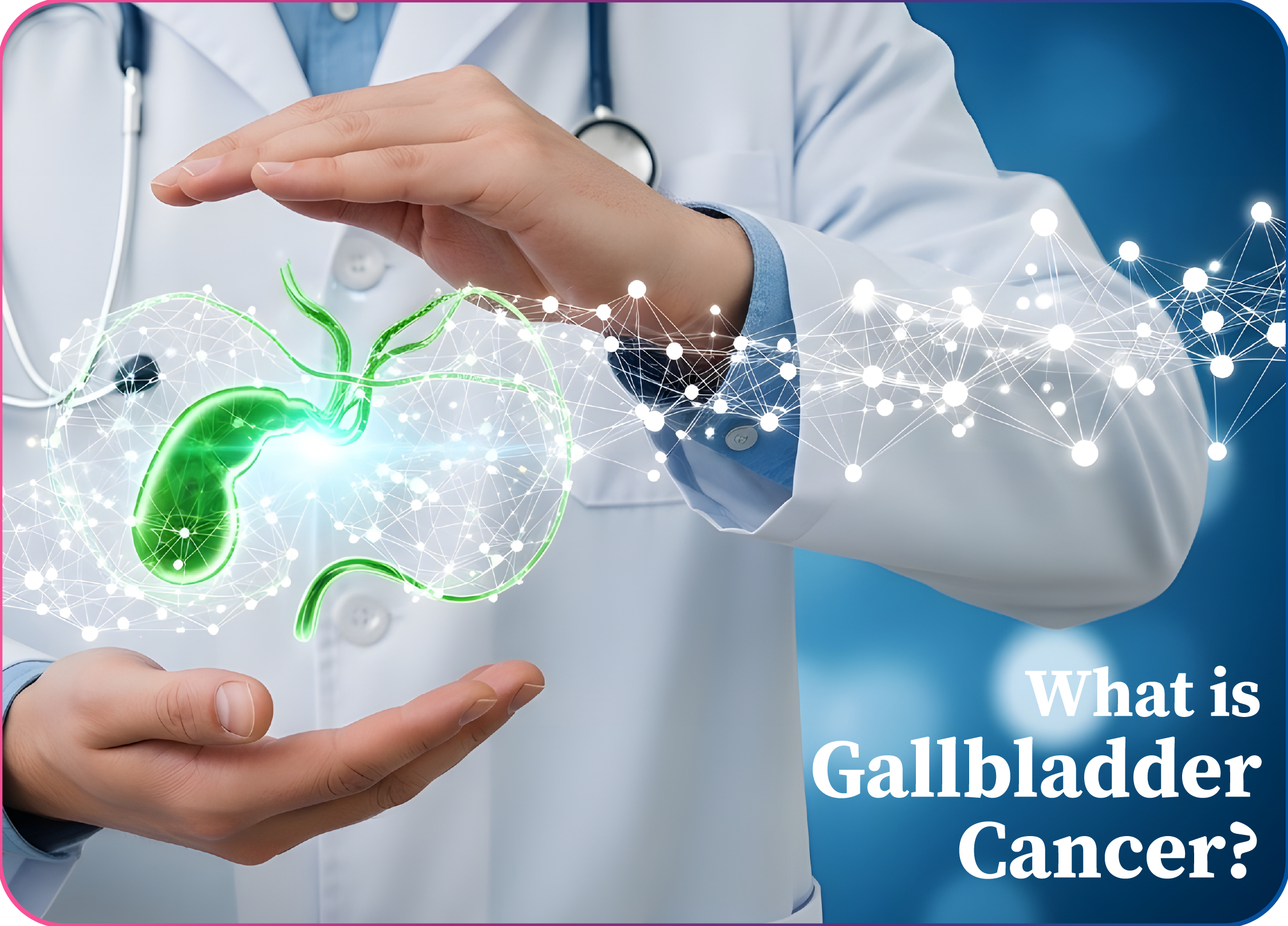
What is Gallbladder Cancer?
Gallbladder cancer is a type of cancer that starts in the gallbladder a small organ located below the liver. The gallbladder stores bile, a digestive fluid that helps break down fats in food.
Cancer develops when abnormal cells grow uncontrollably in the gallbladder lining. Over time, these cells can invade nearby organs such as the liver, bile ducts, and pancreas.
Gallbladder cancer is more common in:
People over 50 years of age
Women
Patients with long-standing gallstones
People with chronic gallbladder infection or inflammation
Because the gallbladder is hidden deep inside the body, tumors can grow without causing obvious symptoms in the early stage.
Stages of Gallbladder Cancer
Gallbladder cancer is divided into stages:
Stage 1: Cancer is only in the gallbladder wall.
Stage 2 Cancer has spread to nearby tissue but not organs.
Stage 3 Cancer spreads to liver or lymph nodes.
Stage 4 Cancer spreads to distant organs like lungs or bones.
Early-stage cancer has the highest chance of cure with surgery.
Causes and Risk Factors of Gallbladder Cancer
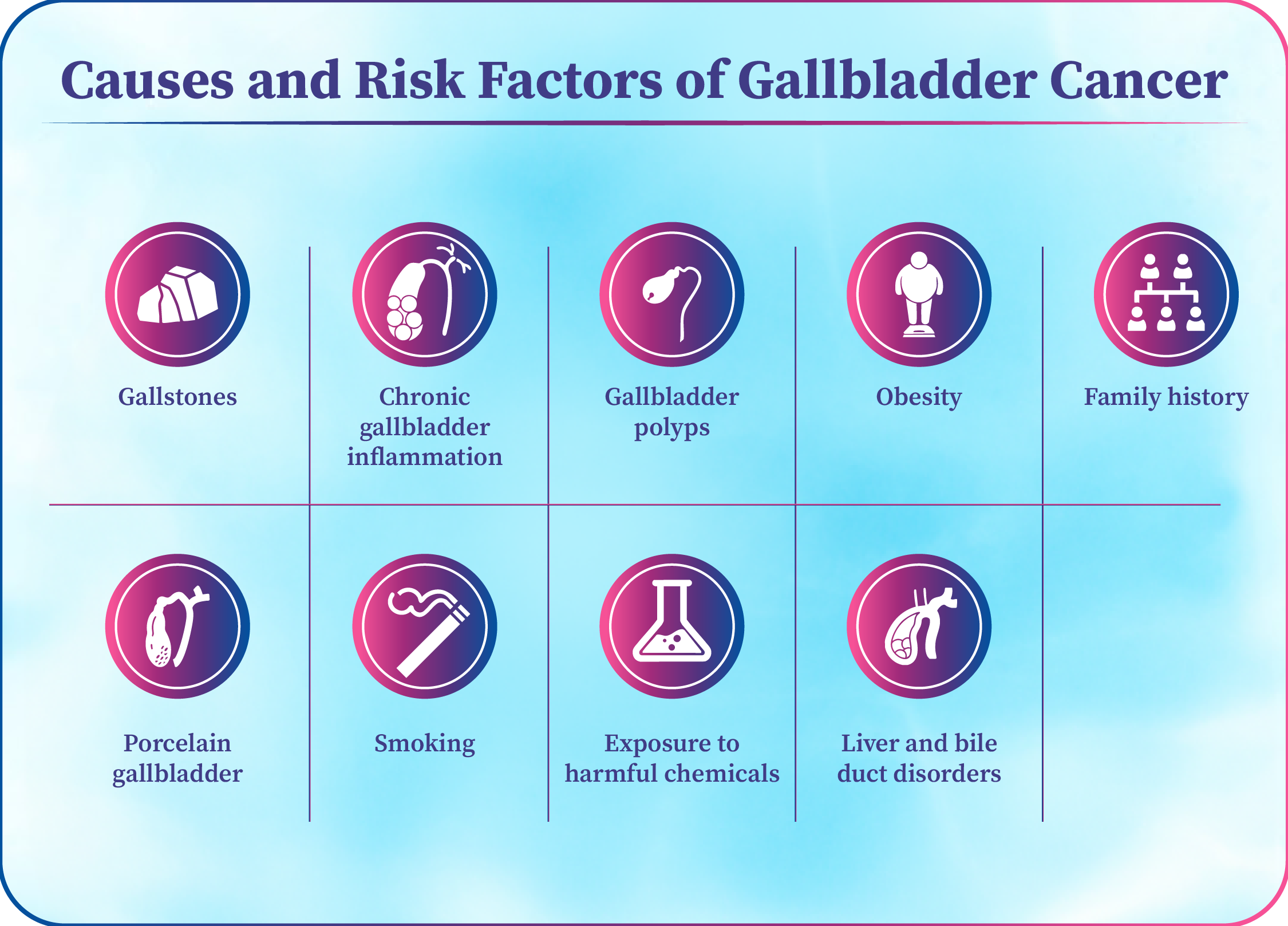
Gallbladder cancer does not happen suddenly. It usually develops slowly over many years. Several risk factors increase the chance of developing this disease:
Common Risk Factors
Gallstones (especially large stones)
Chronic gallbladder inflammation
Gallbladder polyps
Obesity
Family history of gallbladder cancer
Porcelain gallbladder (calcified gallbladder wall)
Smoking
Exposure to harmful chemicals
Liver and bile duct disorders
People with long-term gallstones are at higher risk because stones cause repeated irritation of the gallbladder lining.
Symptoms of Gallbladder Cancer
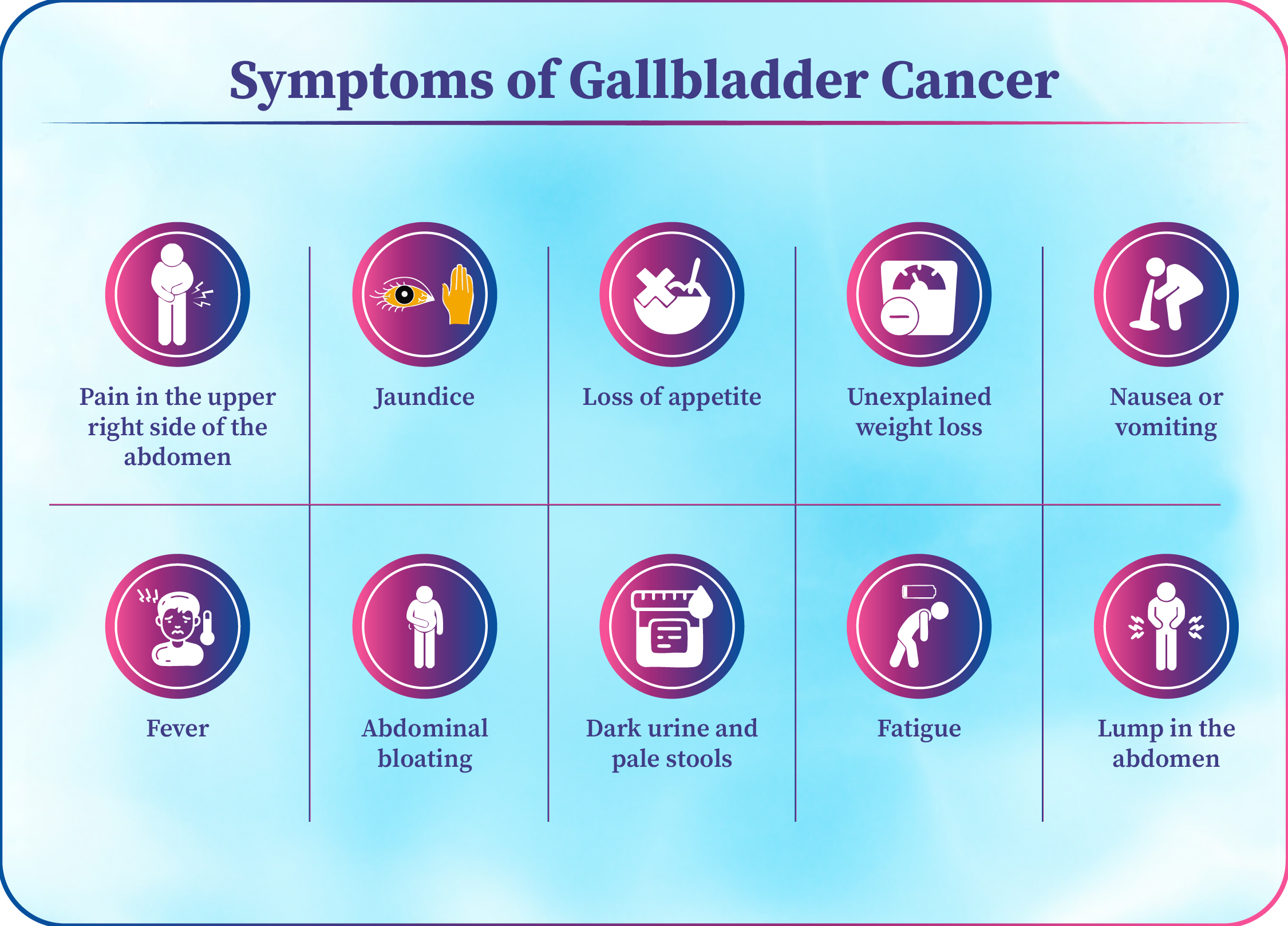
In the early stage, gallbladder cancer may not cause noticeable symptoms. As the disease progresses, symptoms may include:
Pain in the upper right side of the abdomen
Jaundice (yellowing of skin and eyes)
Loss of appetite
Unexplained weight loss
Nausea or vomiting
Fever
Abdominal bloating
Dark urine and pale stools
Fatigue
Lump in the abdomen
These symptoms can be mistaken for gallstones or digestive problems, which is why many cases are diagnosed late.
If these symptoms persist, immediate consultation with Dr. Rajesh Shinde is advised.
Diagnosis of Gallbladder Cancer
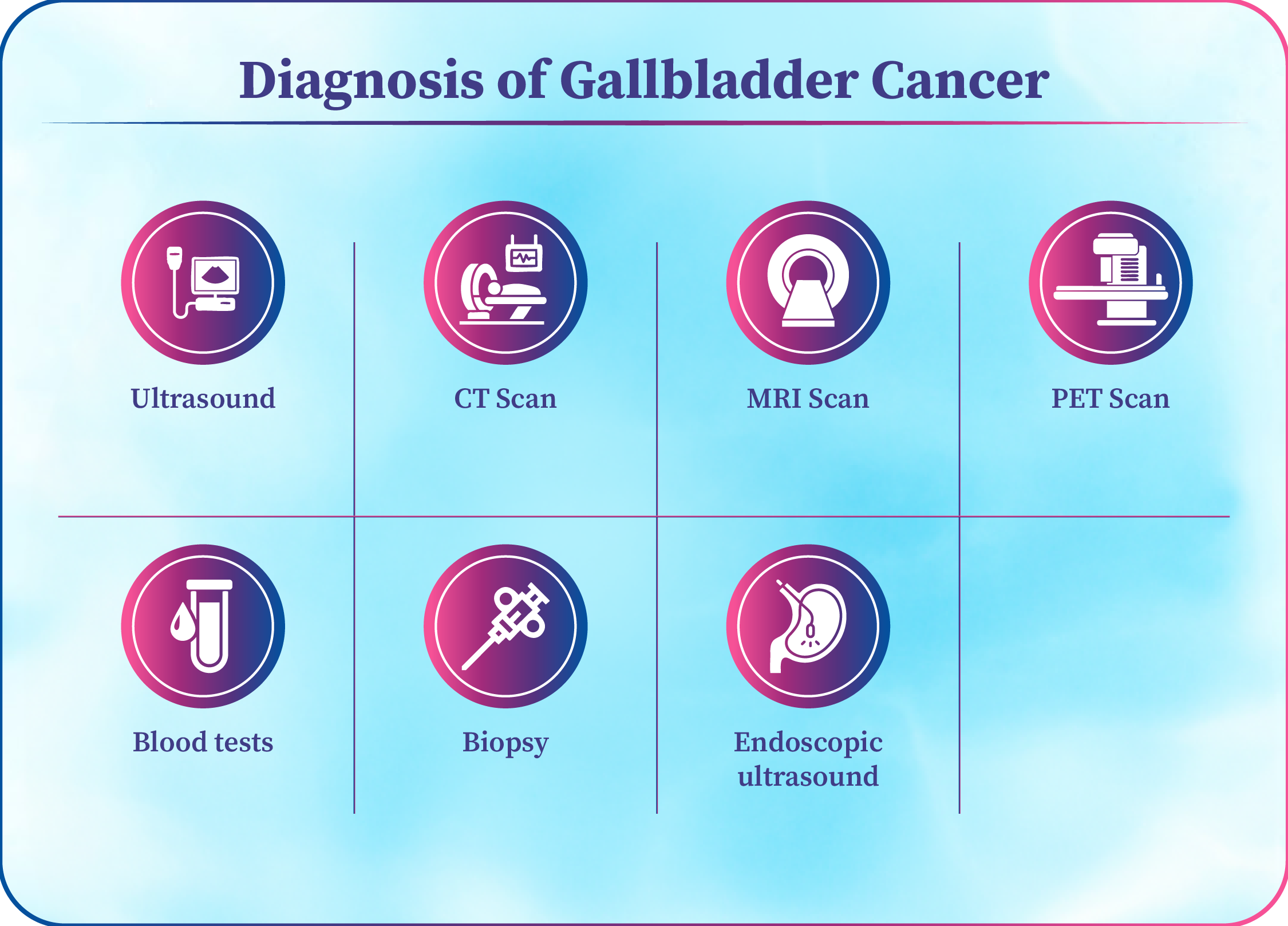
Accurate diagnosis is essential for successful treatment. Dr. Rajesh Shinde uses advanced diagnostic tools to confirm gallbladder cancer and determine its stage.
Diagnostic Tests Include:
Ultrasound
CT Scan
MRI Scan
PET Scan
Blood tests (liver function tests)
Biopsy (tissue sample)
Endoscopic ultrasound
These tests help in:
Confirming cancer
Checking spread to liver or lymph nodes
Planning surgery
Treatment Options for Gallbladder Cancer
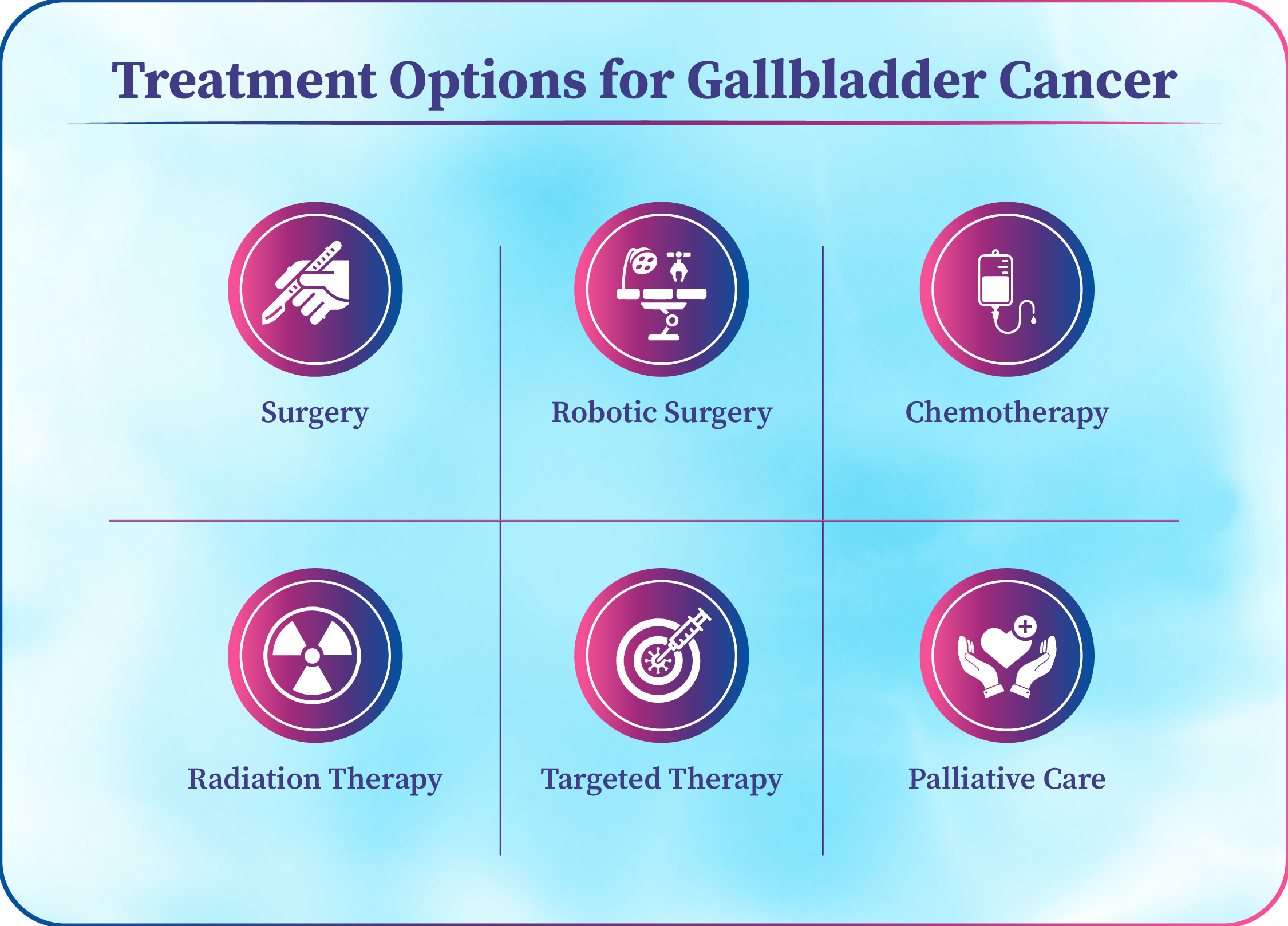
1) Surgery for Gallbladder Cancer: Surgery is the most effective treatment when cancer is detected early.
Types of Surgery
1. Simple Cholecystectomy: Removal of gallbladder only (for very early stage).
2. Radical Cholecystectomy: Removal of
- Gallbladder
- Part of liver
- Nearby lymph nodes This is the most common surgery for gallbladder cancer.
2) Robotic Surgery for Gallbladder Cancer: Robotic surgery is one of the most advanced techniques available today for gallbladder cancer treatment. Dr. Rajesh Shinde specializes in robotic surgery for gallbladder cancer, offering patients higher precision and faster recovery.
What is Robotic Surgery?
Robotic surgery uses robotic arms controlled by the surgeon through a computer console. The robot does not operate independently; every movement is controlled by the surgeon.
Advantages of Robotic Surgery:
High precision
Smaller incisions
Less bleeding
Reduced pain
Lower infection risk
Shorter hospital stay
Faster return to daily activities
Better view of tumor
Improved safety near liver and bile ducts
Robotic surgery is especially useful for:
Early gallbladder cancer
Selected advanced cases
Patients needing complex liver dissection
3) Chemotherapy for Gallbladder Cancer: Chemotherapy uses anti-cancer drugs to destroy cancer cells. It can be given
It can be given
Before surgery (neoadjuvant)
After surgery (adjuvant)
For advanced cancer
It can be given
Shrinking tumors
Killing remaining cancer cells
Preventing recurrence
4) Radiation Therapy: Radiation therapy uses high-energy rays to destroy cancer cells. It is used:
After surgery
For pain relief in advanced cancer
When surgery is not possible
5) Targeted Therapy: Targeted therapy attacks specific cancer cell proteins. It has fewer side effects compared to chemotherapy and is used in selected cases.
6) Palliative Care: In advanced cases, the focus is on:
Pain relief
Improving quality of life
Managing symptoms
Recovery After Gallbladder Cancer Surgery
Recovery depends on:
Surgery type
Stage of cancer
Overall health
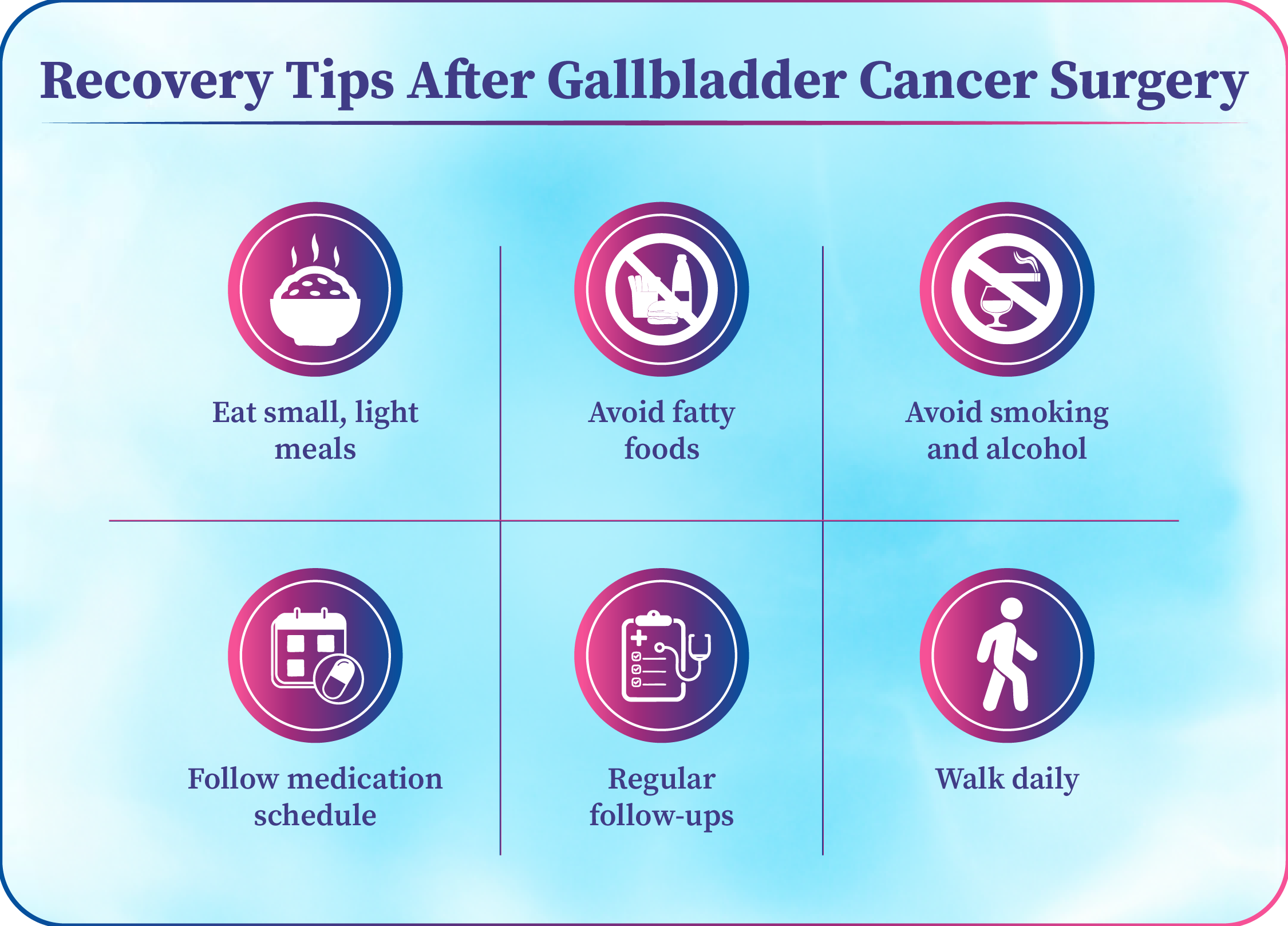
Recovery Tips:
Eat small, light meals
Avoid fatty foods
Walk daily
Follow medication schedule
Regular follow-ups
Avoid smoking and alcohol
Robotic surgery allows faster healing compared to open surgery.
Diet and Lifestyle After Gallbladder Cancer
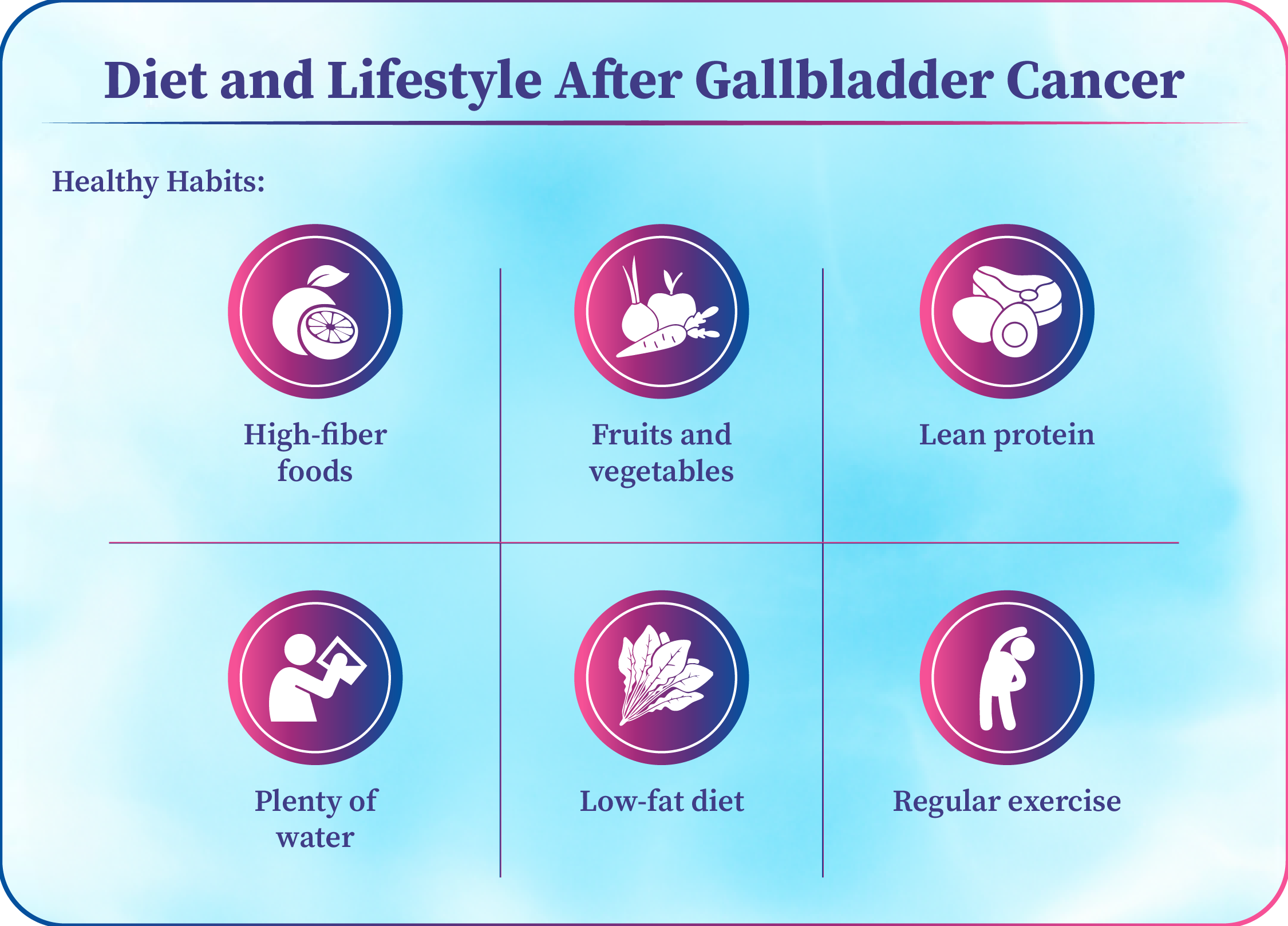
Healthy Habits:
High-fiber foods
Fruits and vegetables
Lean protein
Plenty of water
Low-fat diet
Regular exercise
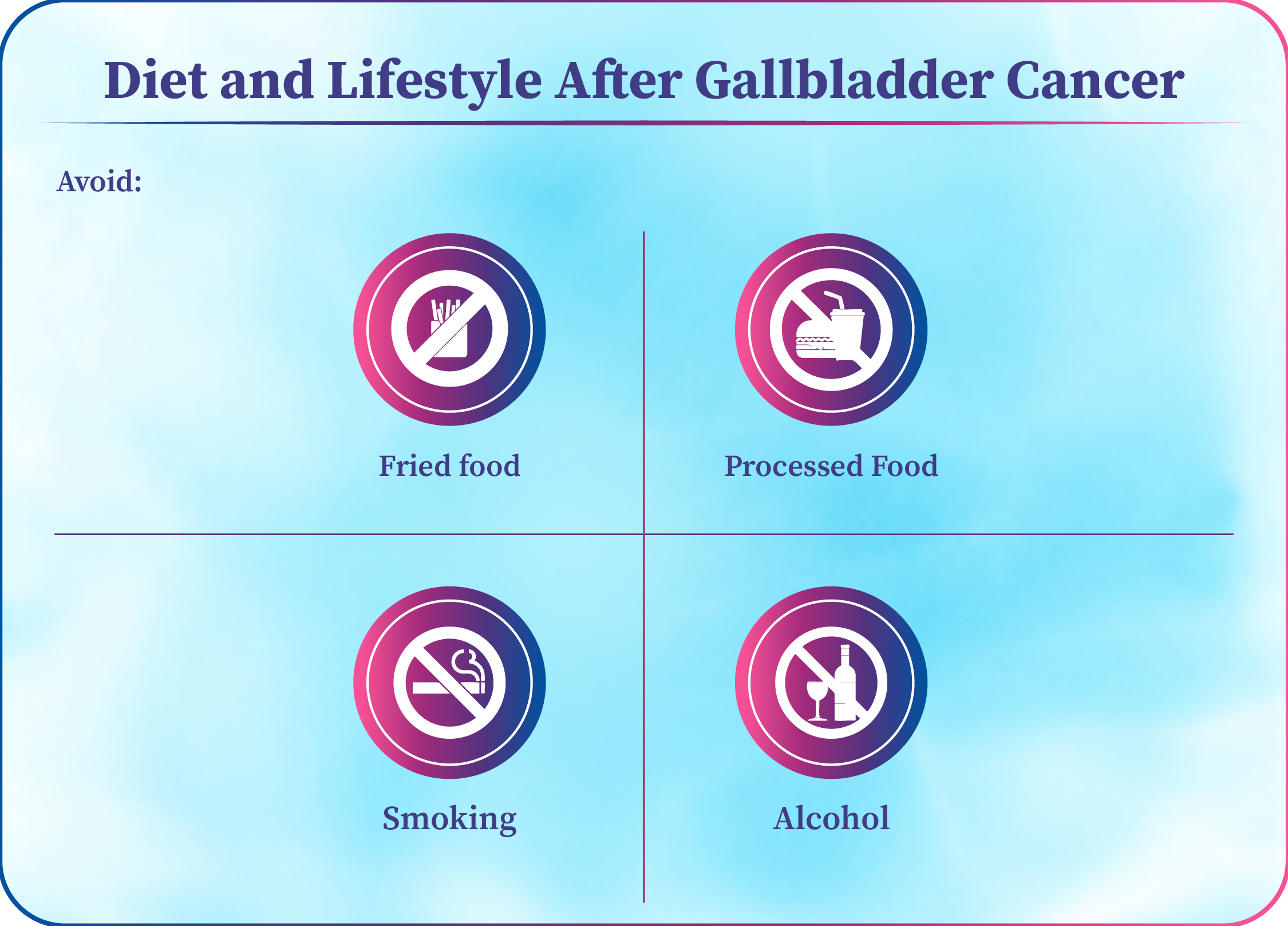
Avoid:
Fried food
Processed food
Smoking
Alcohol
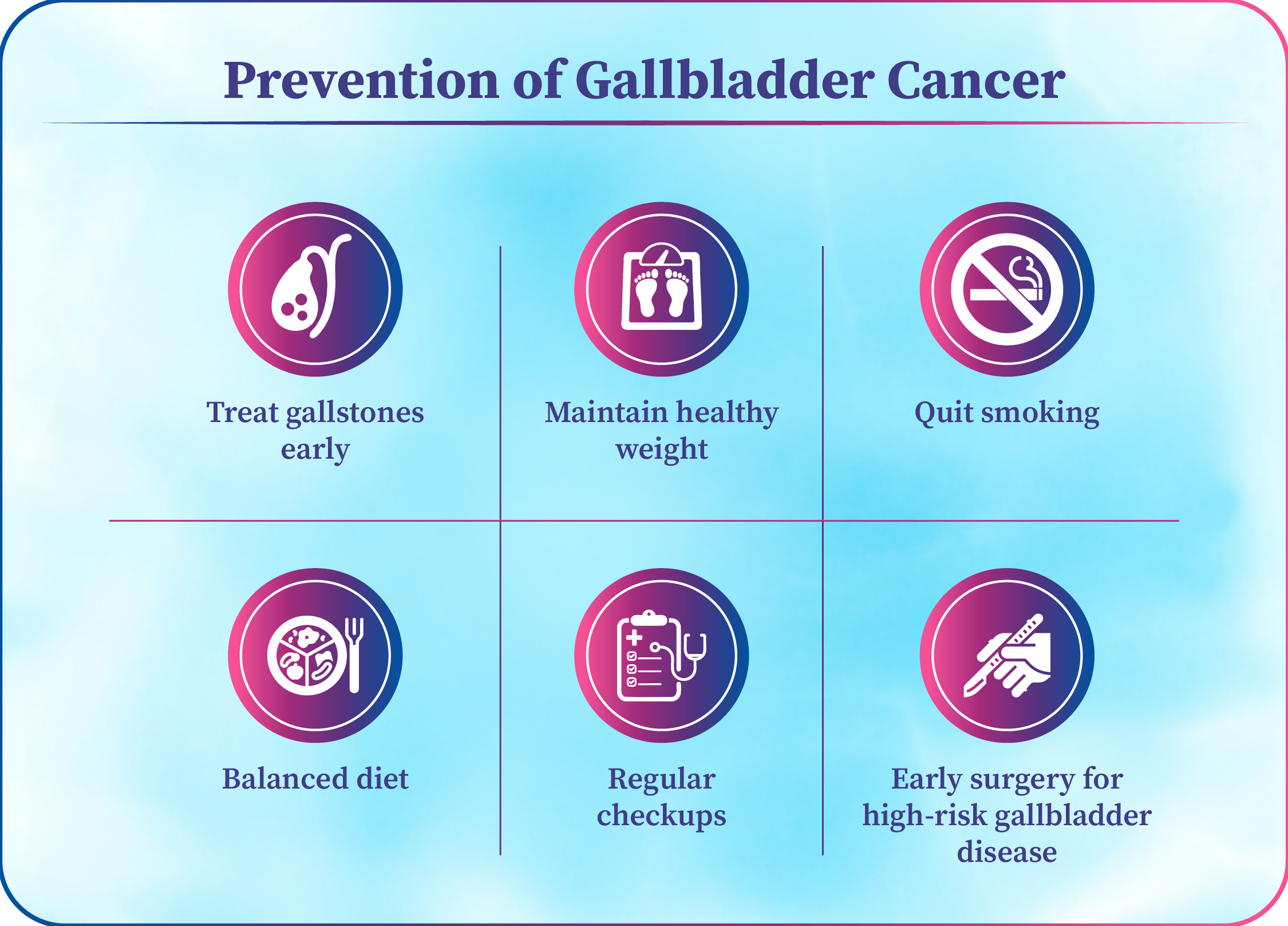
Prevention of Gallbladder Cancer
Treat gallstones early
Maintain healthy weight
Quit smoking
Balanced diet
Regular checkups
Early surgery for high-risk gallbladder disease
Book Appointment with Dr. Rajesh Shinde
If you or your loved one has been diagnosed with gallbladder cancer or has persistent gallbladder symptoms, early consultation with Dr. Rajesh Shinde can save lives. With expertise in robotic gallbladder cancer surgery, advanced diagnostics, and compassionate care, Dr. Rajesh Shinde offers complete treatment under one roof.
Faq's