HITHOC Treatment
Chest cancers can be complex and difficult to treat, especially when the disease spreads inside the chest cavity. Traditional treatments like surgery, chemotherapy, and radiation therapy may not always be enough in such cases. Thankfully, modern cancer treatment techniques have evolved, offering new hope for patients. One such advanced treatment is HITHOC (Hyperthermic Intrathoracic Chemotherapy).
HITHOC is an innovative cancer treatment used along with surgery to treat cancers that spread in the chest cavity. This treatment combines surgery, heated chemotherapy, and targeted cancer therapy to destroy cancer cells more effectively.
Dr Rajesh Shinde, one of the leading cancer surgeons, specializes in advanced oncological procedures including HITHOC treatment for chest cancers. With his expertise in thoracic oncology and advancedcancer surgery, patients receive comprehensive care using the latest medical technologies.
Patients searching for HITHOC treatment in India, advanced thoracic cancer surgery, or chest cancertreatment options can benefit from this cutting-edge procedure.
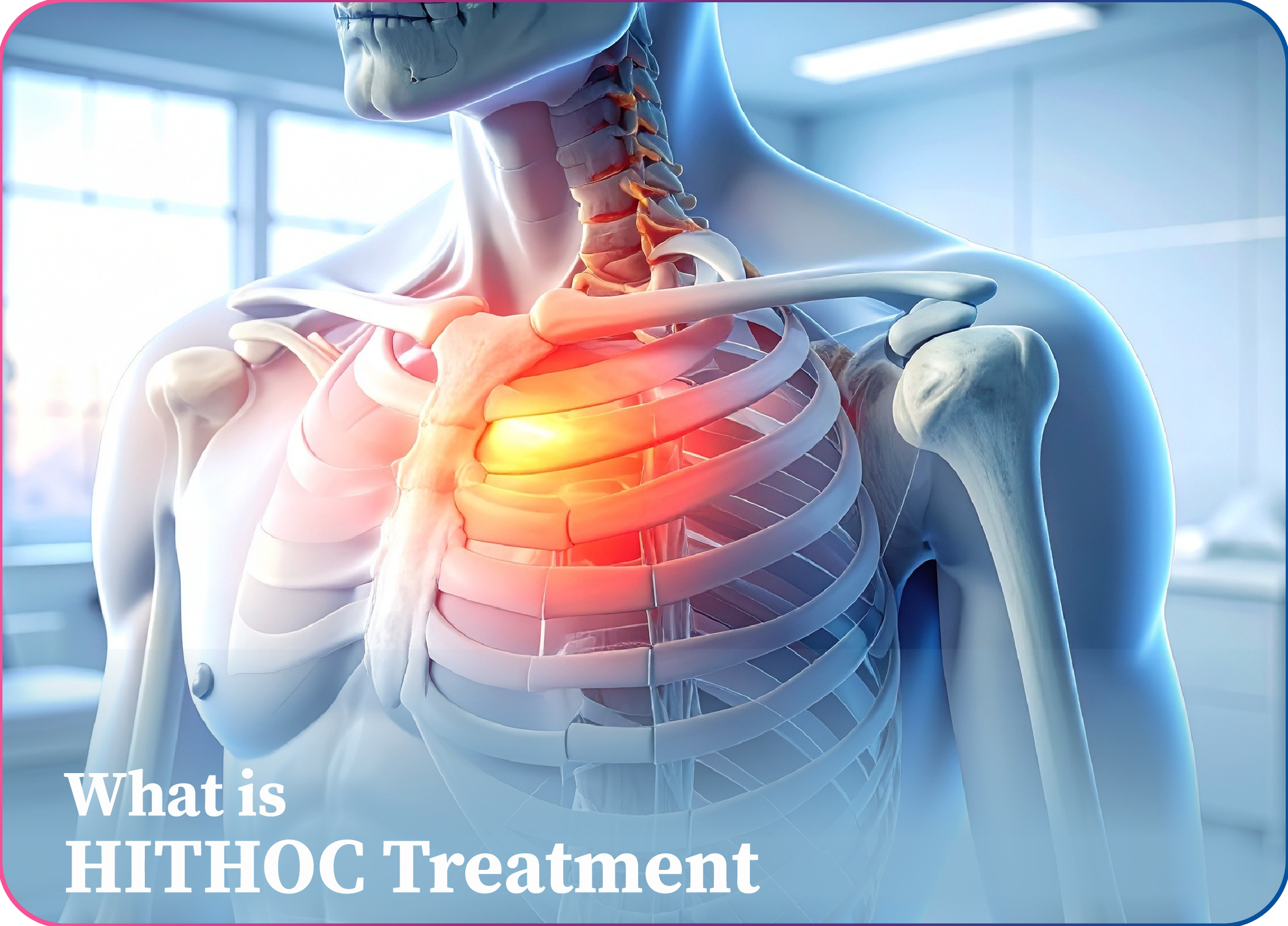
What is HITHOC?
HITHOC stands for Hyperthermic Intrathoracic Chemotherapy.
It is an advanced treatment used for cancers that affect the lining of the chest cavity (pleura). In this procedure, chemotherapy drugs are heated and circulated directly inside the chest after the tumor has been surgically removed.
The word HITHOC can be broken down as:
Hyperthermic– Heated
Intrathoracic – Inside the chest cavity
Chemotherapy– Anti-cancer drugs used to kill cancer cells
After removing visible tumors through surgery, doctors circulate heated chemotherapy solution insidethe chest cavity for about 60–90 minutes. The heat helps the chemotherapy penetrate deeper into tissues and destroy microscopic cancer cells that may remain after surgery.
This approach significantly improves the chances of controlling the cancer and reducing recurrence.
Patients looking for advanced chest cancer treatment, pleural cancer treatment, or mesotheliomasurgery may be advised HITHOC depending on their condition.
Why is HITHOC Performed?
HITHOC is mainly used when cancer spreads in the pleural cavity, which is the thin lining around the lungs.
These cancers often spread across surfaces rather than forming a single tumor. This makes it difficult to remove every cancer cell through surgery alone.
HITHOC helps by:
Killing microscopic cancer cells left after surgery
Reducing the risk of cancer recurrence
Increasing the effectiveness of chemotherapy
Delivering chemotherapy directly to the affected area
Limiting exposure to the rest of the body
Because the chemotherapy is delivered locally inside the chest, higher doses can be used with fewer systemic side effects.
Conditions Treated with HITHOC
HITHOC is used to treat several types of cancers affecting the chest cavity.
These include:
Pleural Mesothelioma : Mesothelioma is a rare cancer affecting the lining of the lungs. It is often linked to asbestos exposure. HITHOC combined with surgery can help control this disease more effectively.
Pleural Metastases : Sometimes cancers from other organs spread to the pleura. HITHOC may help treat these metastases.
Thymoma with Pleural Spread: Thymoma is a tumor of the thymus gland that can spread inside the chest cavity.
Lung Cancer with Pleural Involvement: In select cases, lung cancer that spreads to the pleura may be treated with this technique.
PseudomyxomaThoracis: This rare condition involves mucus-producing tumors spreading inside the chest cavity.
Who is the Right Candidate for HITHOC?
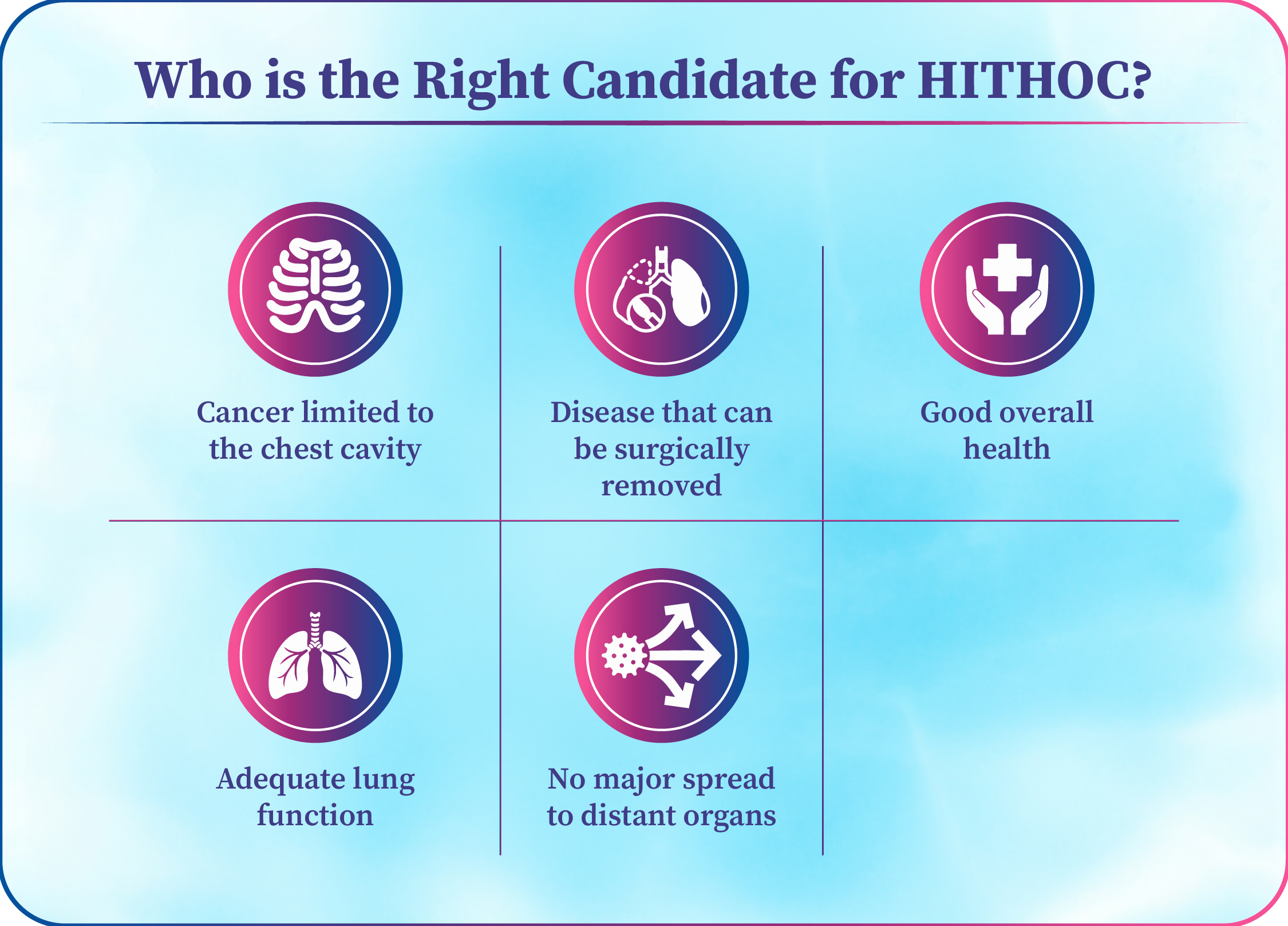
Not every patient with chest cancer requires HITHOC. Doctors carefully evaluate each case before recommending this treatment.
Patients who may benefit from HITHOC usually have:
Cancer limited to the chest cavity
Disease that can be surgically removed
Good overall health
Adequate lung function
No major spread to distant organs
Before recommending HITHOC, doctors perform several tests including:
CT scan
PET scan
Blood tests
Lung function tests
Biopsy
After evaluating these reports, Dr Rajesh Shinde and the oncology team decide whether HITHOC is the right treatment option.
How HITHOC Treatment Works?
HITHOC treatment involves two main steps:
Tumor removal surgery
Heated chemotherapy circulation
Step 1: Surgical Tumor Removal
First, surgeons perform surgery to remove as much visible cancer as possible from the chest cavity.
This may include removing:
Tumor deposits
Involved pleura
Small affected tissues
The goal is maximum tumor removal, also called cytoreductive surgery.
Step 2: Heated Chemotherapy
After surgery, heated chemotherapy solution is circulated inside the chest cavity.
The chemotherapy is heated to approximately 41–43°C.
This solution is pumped through tubes placed in the chest cavity and circulated for about
60–90 minutes.
The heat improves the effectiveness of chemotherapy by:
Increasing drug penetration
Enhancing cancer cell destruction
Preventing survival of microscopic tumor cells
Once the treatment is complete, the chemotherapy fluid is removed and the surgical incision is closed.
Advantages of HITHOC Treatment
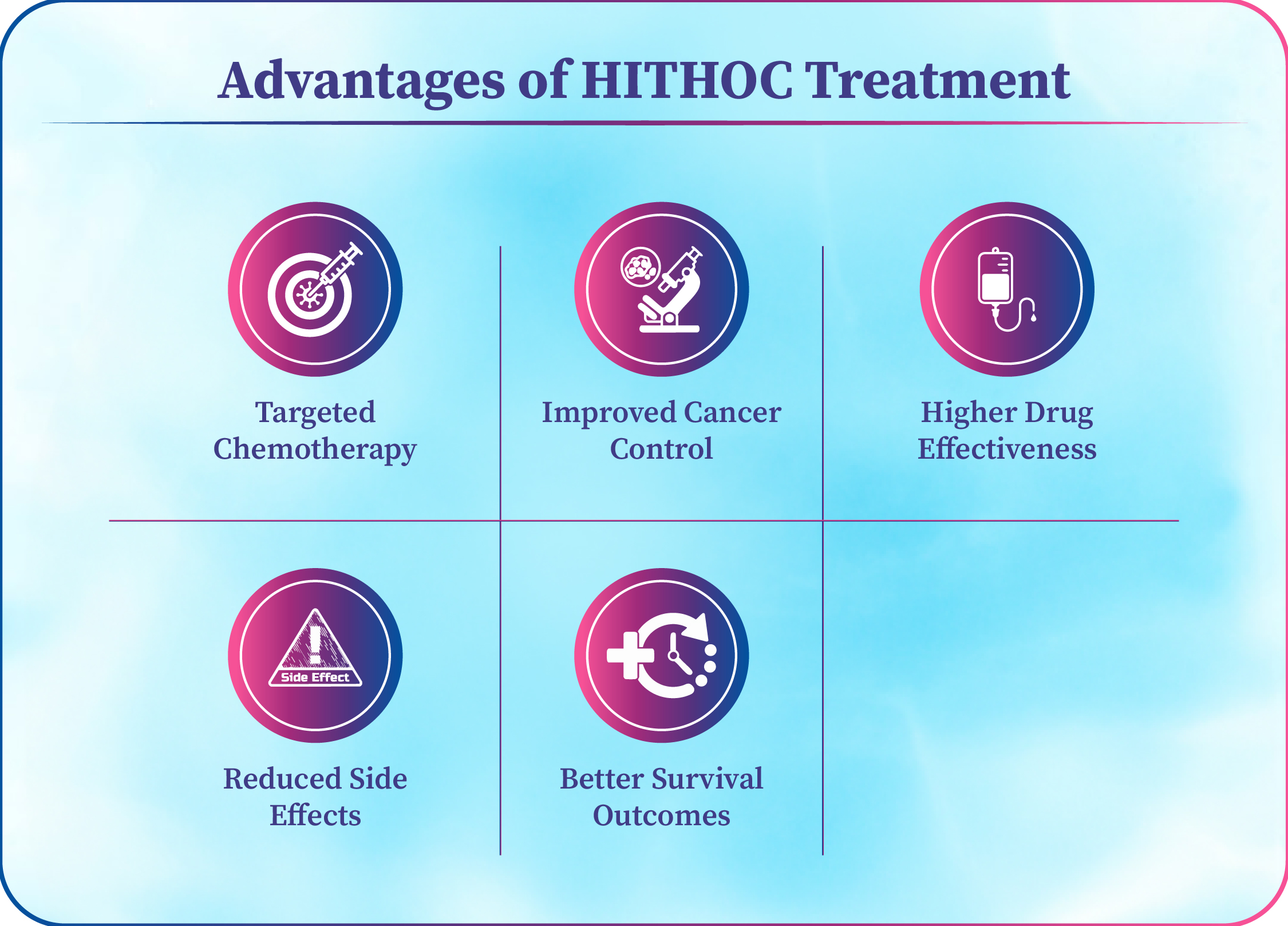
HITHOC offers several advantages compared to traditional cancer treatment.
Targeted Chemotherapy: The chemotherapy is delivered directly to the cancer-affected area instead of the entire body.
Improved Cancer Control: By killing microscopic cancer cells, HITHOC helps reduce recurrence.
Higher Drug Effectiveness: Heated chemotherapy works better than normal chemotherapy.
Reduced Side Effects: Since chemotherapy stays mostly inside the chest cavity, side effects on other organs are minimized.
Better Survival Outcomes: Studies have shown improved outcomes in selected patients undergoing HITHOC.
Benefits of HITHOC
Choosing an experienced surgeon is extremely important when undergoing complex cancer treatments.
Dr Rajesh Shinde is known for performing advanced cancer surgeries using modern techniques.
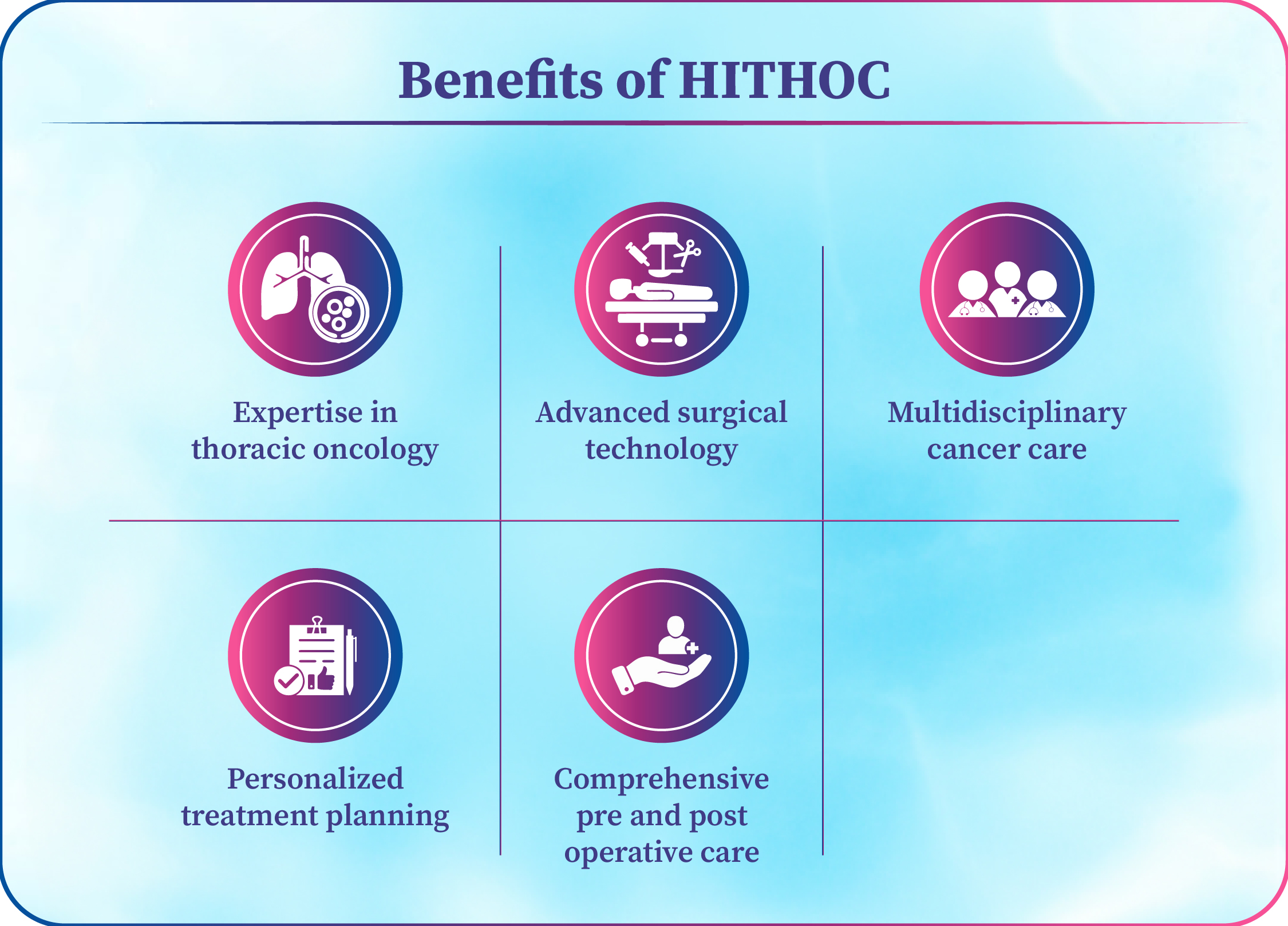
Patients benefit from:
Expertise in thoracic oncology
Advanced surgical technology
Multidisciplinary cancer care
Personalized treatment planning
Comprehensive pre and post-operative care
Patients looking for advanced thoracic cancer surgery or HITHOC treatment in Mumbai can consult Dr Rajesh Shinde for expert guidance.
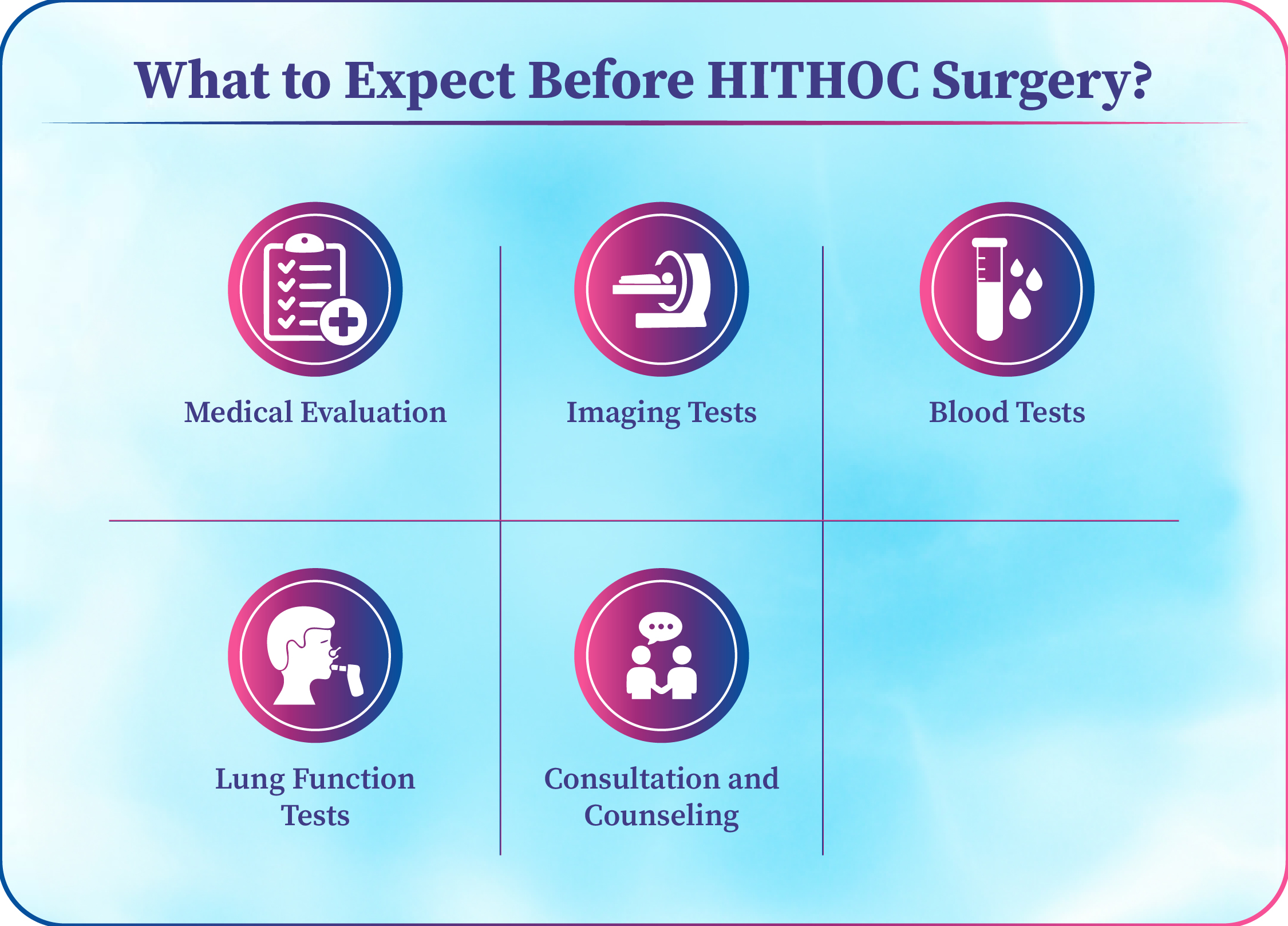
What to Expect Before HITHOC Surgery?
Before undergoing HITHOC treatment, patients go through several preparation steps.
Medical Evaluation: : Doctors assess overall health and fitness for surgery.
Imaging Tests CT scans and PET scans help determine the extent of disease.
Blood Tests: Blood tests ensure the patient is medically stable for surgery.
Lung Function Tests These tests assess whether the lungs can handle surgery safely.
Consultation and Counseling Doctors explain the entire procedure, benefits, and risks.
Patients are encouraged to ask questions and understand the treatment plan clearly.
Recovery After HITHOC Treatment
Recovery after HITHOC varies depending on the patient’s condition and the extent of surgery.
Most patients stay in the hospital for 7–14 days after the procedure.
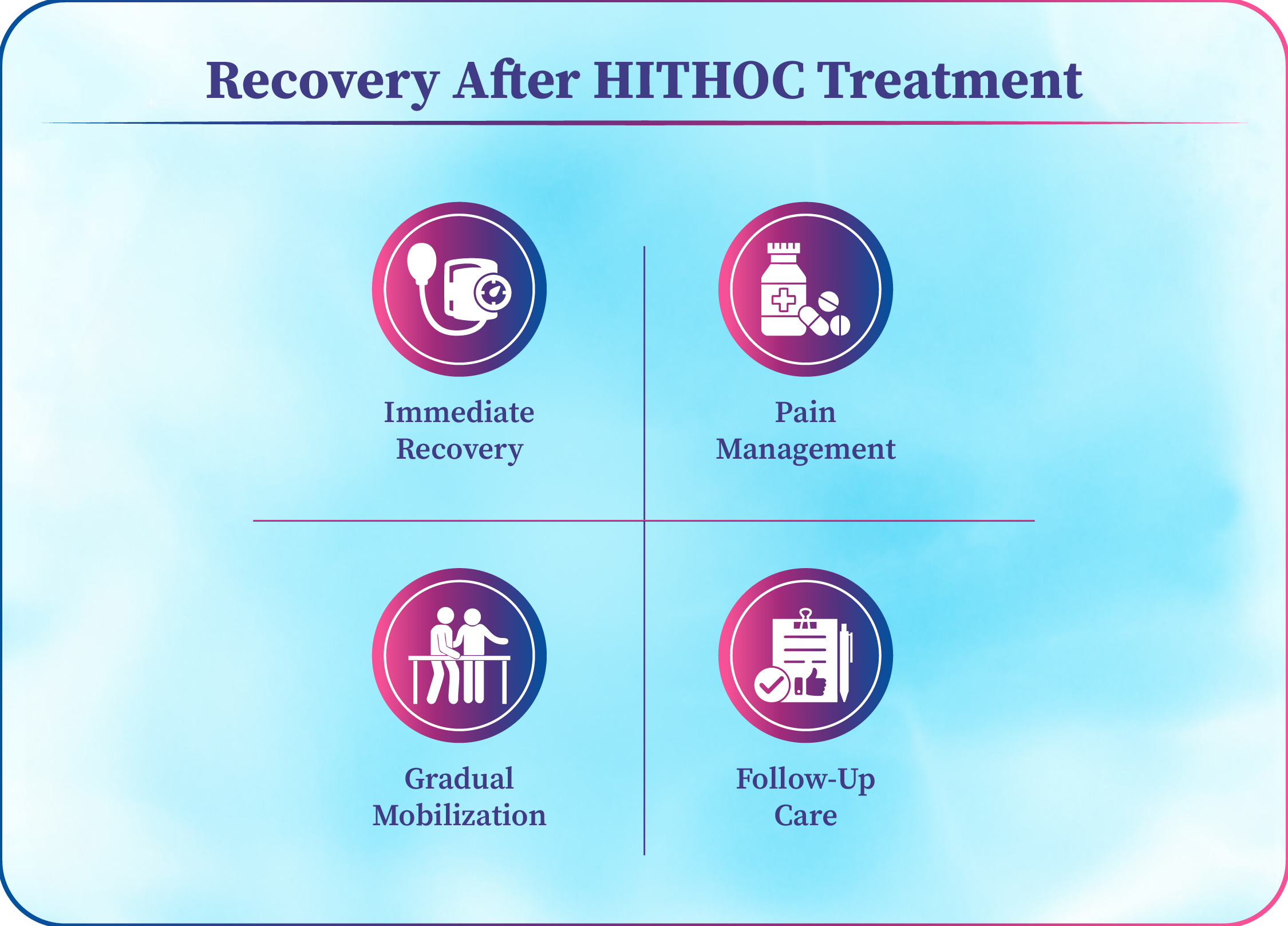
Immediate Recovery: After
surgery, patients are monitored in the intensive care unit or recovery unit.
Doctors
monitor:
- Breathing
- Heart rate
- Blood pressure
- Fluid balance
Pain Management: Pain medications are given to keep patients comfortable.
Gradual Mobilization: Patients are encouraged to start gentle movement and breathing exercises.
Follow-Up Care: After discharge, regular follow-ups are scheduled to monitor recovery.
Patients may also receive additional treatments like chemotherapy depending on their cancer type.
Possible Risks of HITHOC
Like any major surgery, HITHOC has potential risks. However, in experienced
hands, the procedure is generally safe.
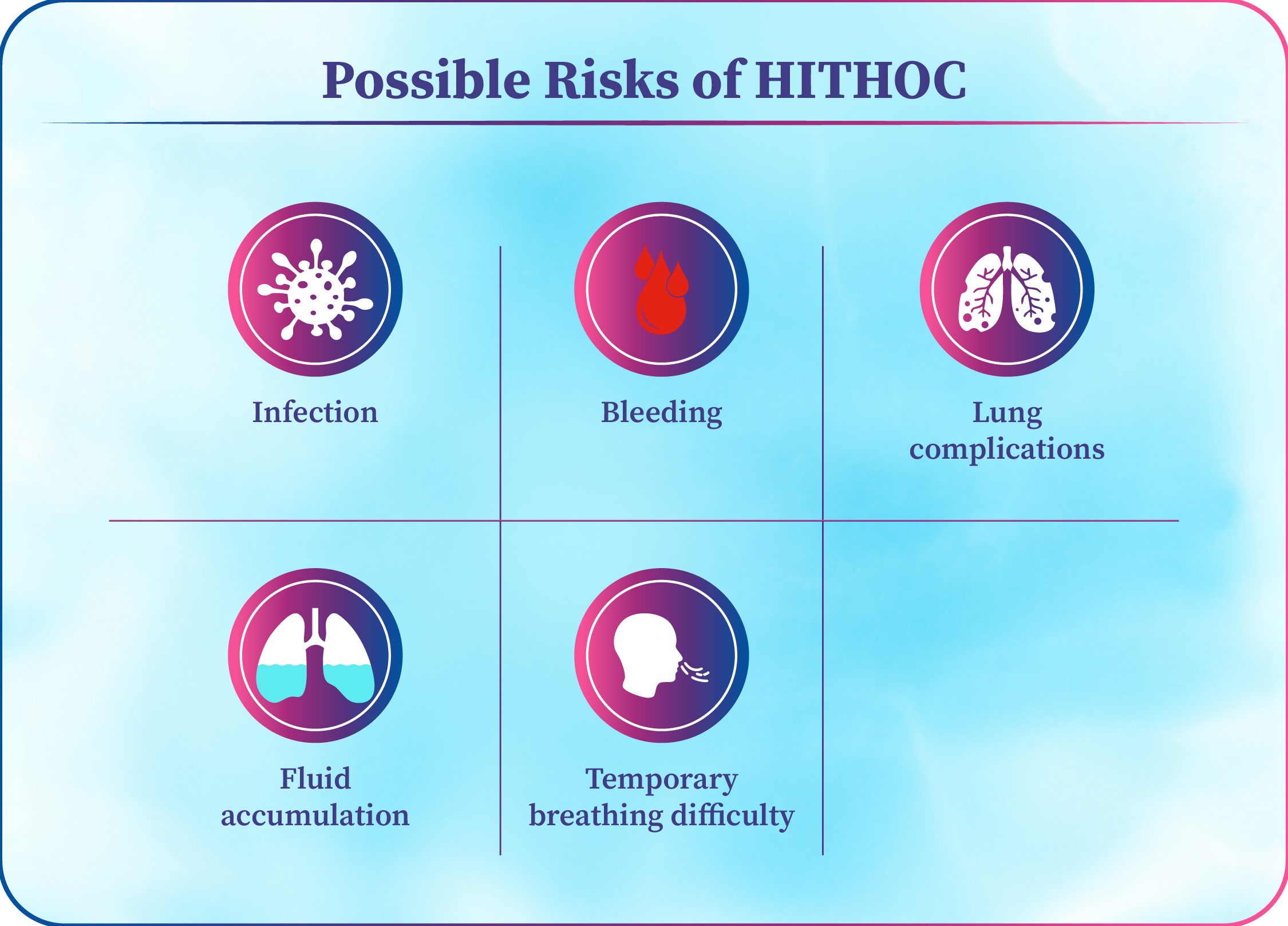
Possible risks include:
Infection
Bleeding
Lung complications
Fluid accumulation
Temporary breathing difficulty
These risks are carefully managed by the surgical and oncology team.
Why Choose Dr Rajesh Shinde for HITHOC Treatment?
When dealing with complex cancers, choosing the right specialist can make a significant difference.
Dr Rajesh Shinde is recognized for his expertise in advanced cancer surgeries and modern oncological techniques.
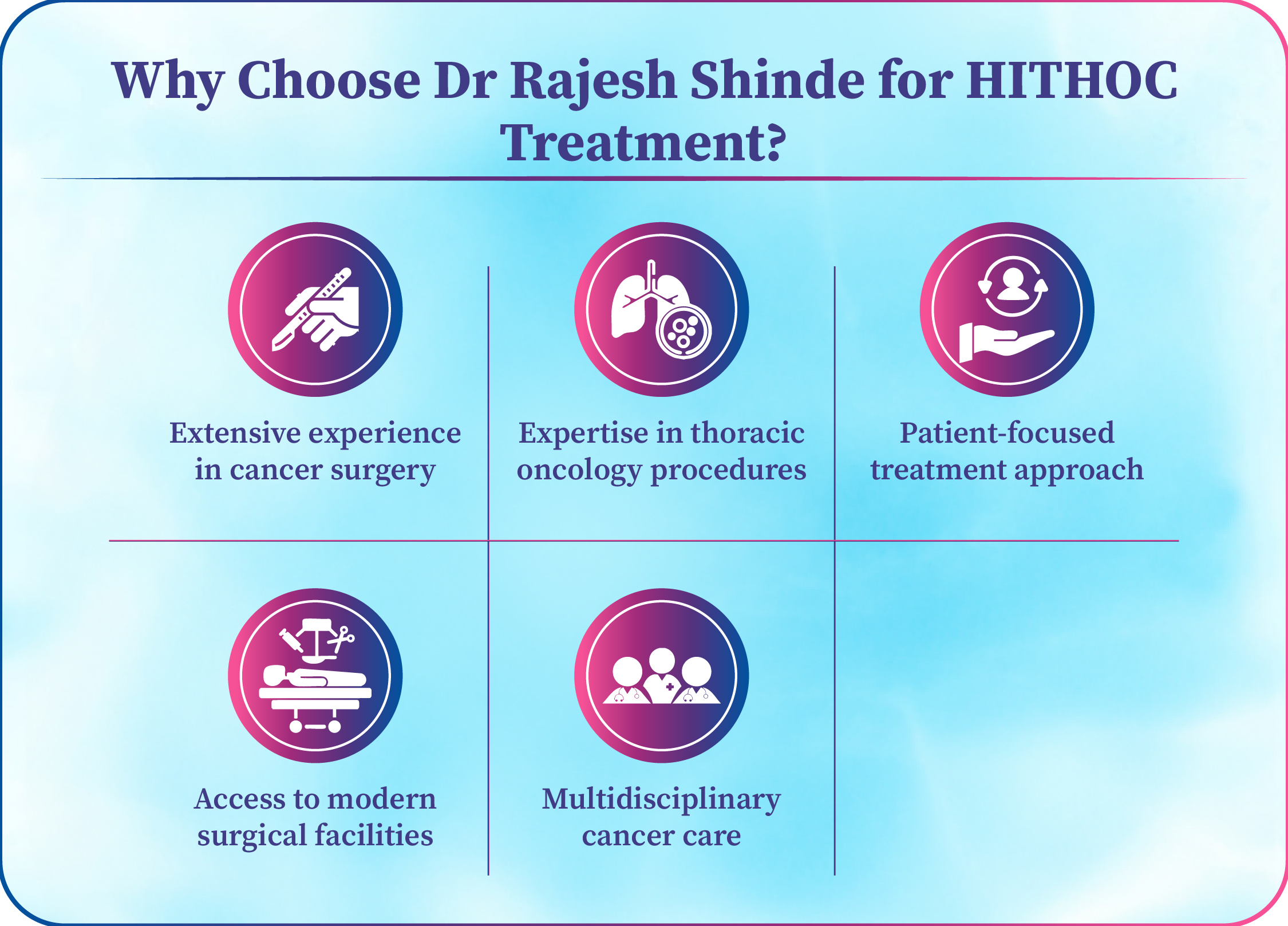
Reasons patients trust Dr Rajesh Shinde include:
Extensive experience in cancer surgery
Expertise in thoracic oncology procedures
Patient-focused treatment approach
Access to modern surgical facilities
Multidisciplinary cancer care
Patients seeking advanced chest cancer treatment, thoracic oncology surgery, or HITHOC treatment can benefit from his specialized expertise
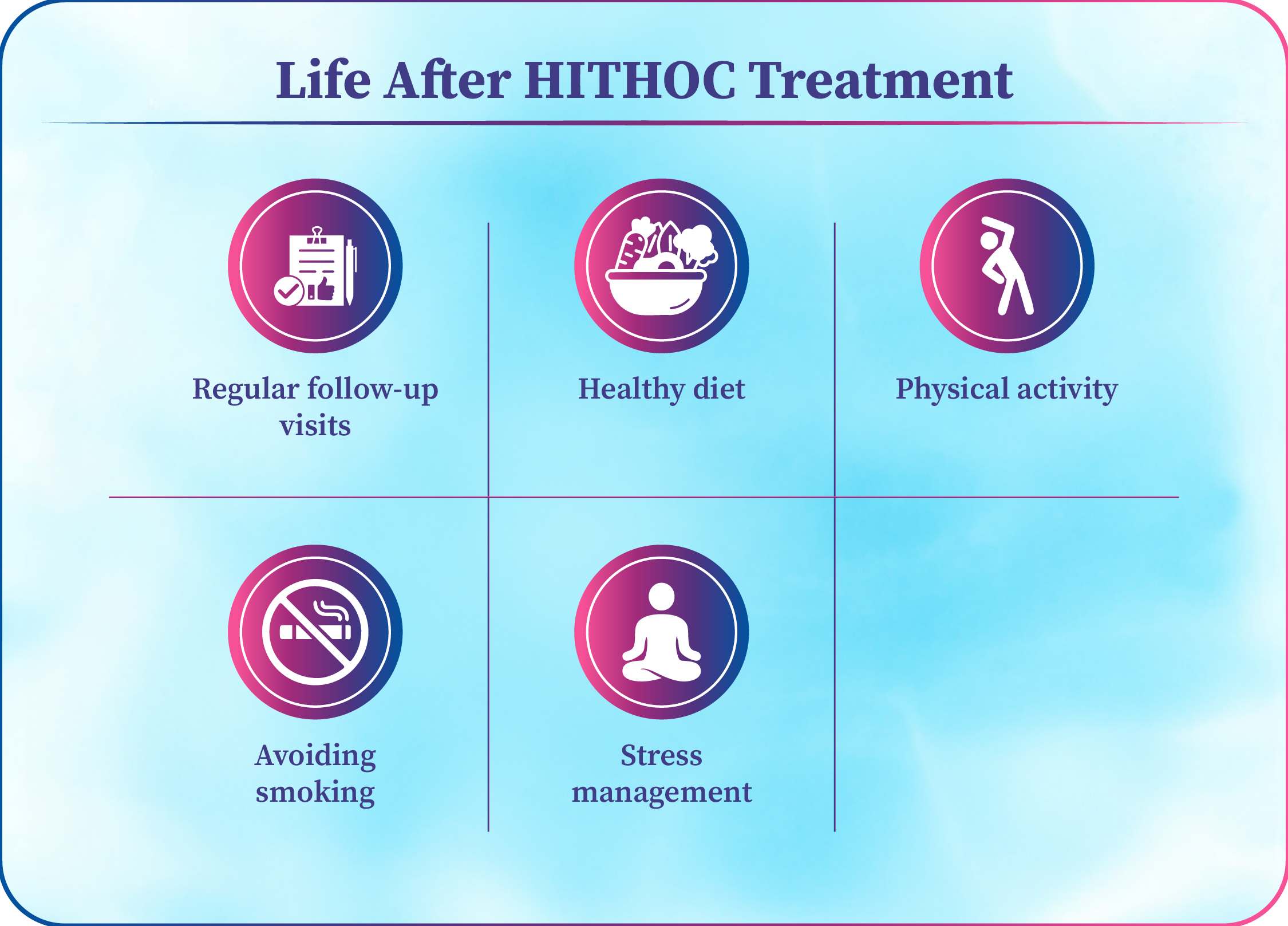
Life After HITHOC Treatment
Many patients are able to return to their normal activities after recovery from HITHOC treatment. Doctors usually recommend:
Regular follow-up visits
Healthy diet
Physical activity
Avoiding smoking
Stress management
These lifestyle changes support long-term recovery and overall well-being.
HITHOC represents a major advancement in the treatment of chest cavity cancers. By combining surgery with heated chemotherapy, this innovative technique provides a powerful way to eliminate cancer cells and reduce the risk of recurrence.
For patients diagnosed with pleural cancers or cancers spreading within the chest cavity, HITHOC offers new hope and improved outcomes.
Dr Rajesh Shinde, with his expertise in advanced cancer surgery and thoracic oncology, provides specialized care using modern treatment approaches like HITHOC.
If you or a loved one is searching for advanced chest cancer treatment, pleural cancer surgery, or HITHOC treatment, consulting an experienced specialist can make a significant difference in treatment outcomes.
Early diagnosis, expert care, and advanced treatment techniques together offer the best chance for recovery and long-term health.
Faq's