Laparoscopic Cancer Surgery
Laparoscopic cancer surgery is a modern, minimally invasive surgical technique used to remove
cancerous tumors with the help of small cuts and a high-definition camera. Unlike traditional open
surgery that requires large incisions, laparoscopic surgery is performed through tiny keyhole openings
using specialized instruments
For cancer patients, this approach means less pain, faster recovery, shorter hospital stay, and better
cosmetic results—without compromising on cancer control. Under the expertise of Dr. Rajesh Shinde,
laparoscopic cancer surgery is offered with precision, safety, and patient-centered care..
What is Laparoscopic Cancer Surgery?
Laparoscopic cancer surgery is a type of minimally invasive cancer surgery where the surgeon makes 3 to 5 small incisions (usually 0.5–1 cm each). A thin tube with a camera (laparoscope) is inserted through one cut, and surgical tools are inserted through others.
The camera sends high-definition images to a monitor, allowing the surgeon to operate with great accuracy.
This technique is commonly used for cancers of:
Colon and rectum
Stomach
Liver
Gall bladdern
Pancreas
Esophagus
Retroperitoneal tumors
Selected lung and mediastinal tumors
With the experience of Dr. Rajesh Shinde, laparoscopic techniques are combined with modern oncology principles to ensure complete tumor removal and proper lymph node clearance.
Why Choose Laparoscopic Surgery for Cancer?
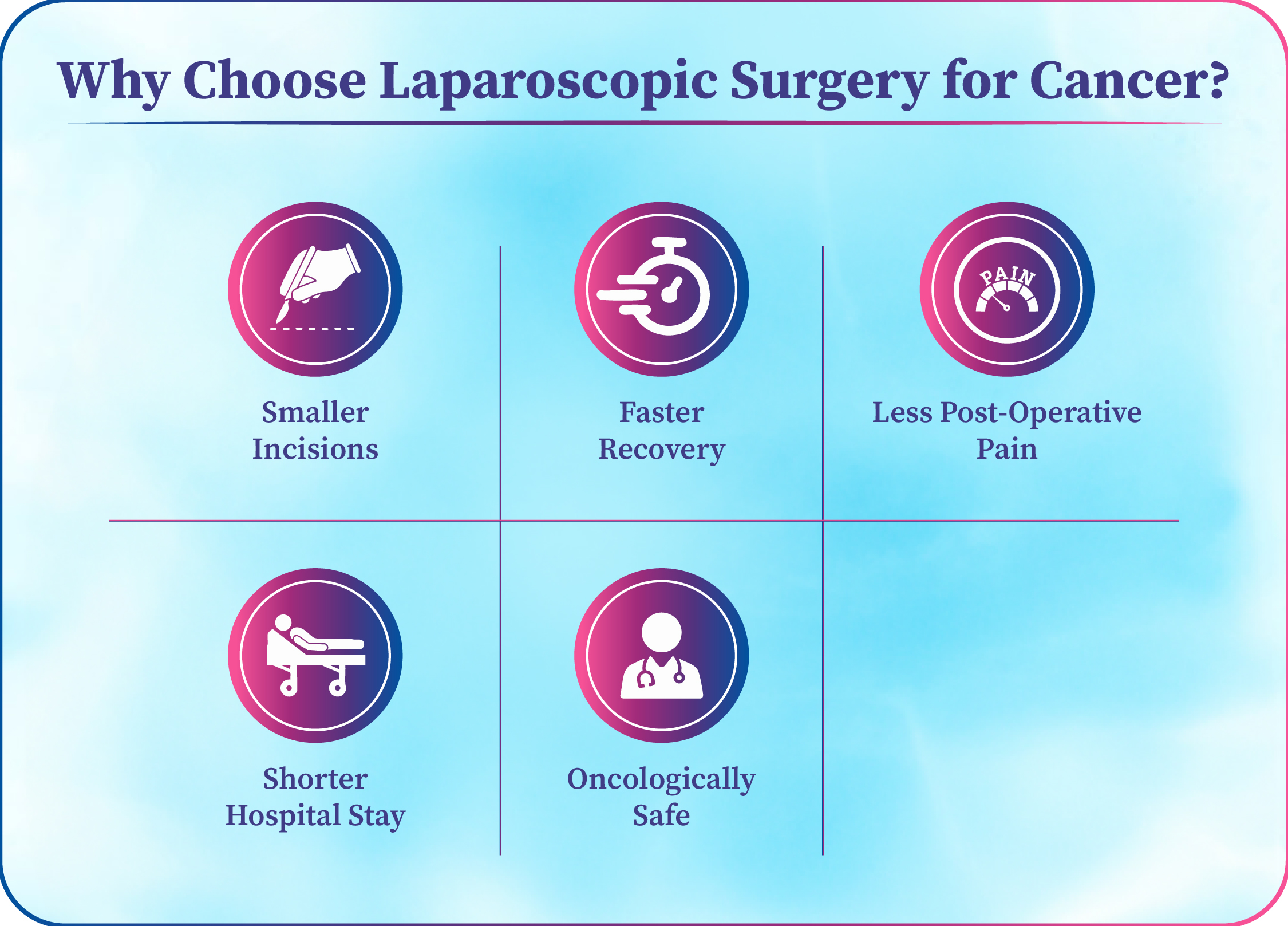
Laparoscopic cancer surgery offers multiple benefits over open surgery:
Smaller Incisions: Only small cuts are made leading to
- Less blood loss
- Less scarring
- Reduced risk of infection
Faster Recovery: Patients can
- Start walking early
- Resume oral diet sooner
- Return to daily life faster
Less Post-Operative Pain: Smaller wounds means
- Reduced need for painkillers
- Better comfort after surgery
Shorter Hospital Stay: Most patients go home within:
- 3–5 days for many laparoscopic cancer procedures
Oncologically Safe: When performed by an expert like Dr. Rajesh Shinde, laparoscopic cancer surgery
- Removes the tumor completely
- Follows proper cancer margins
- Includes lymph node dissection where required
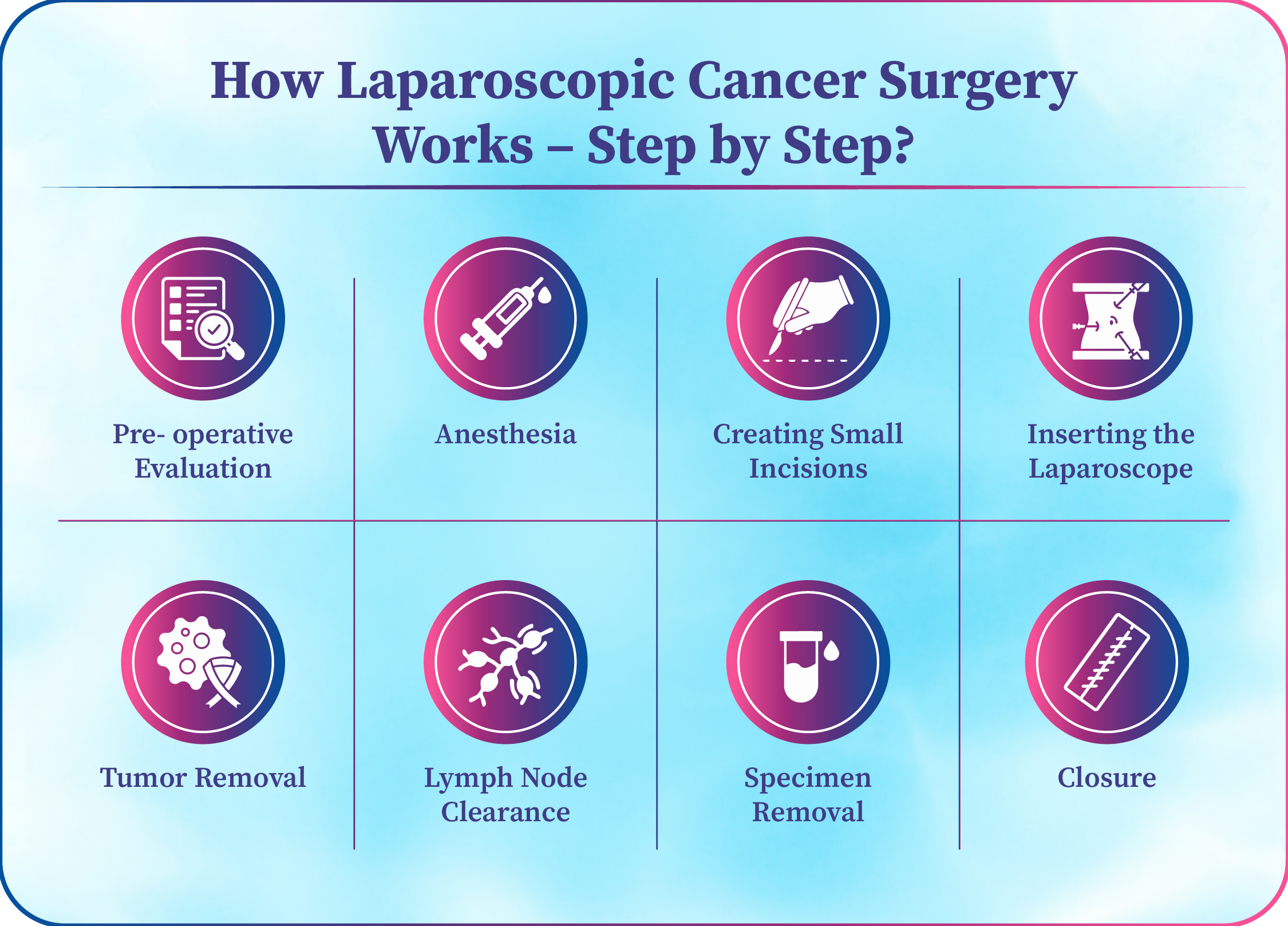
How Laparoscopic Cancer Surgery Works – Step by Step?
Preoperative Evaluation
- CT scan, MRI, PET scan
- Blood tests
- Endoscopy/biopsy
- Fitness for anesthesia
Anesthesia: The surgery is done under general anesthesia.
Creating Small Incisions: 3–5 small cuts are made on the abdomen or chest.
Inserting the Laparoscope: A camera shows internal organs on a large screen.
Tumor Removal: The cancer-affected organ or part of it is carefully removed.
Lymph Node Clearance: Nearby lymph nodes are removed if cancer spread is suspected.
Specimen Removal: Tumor is removed through a small protected incision.
Closure: Cuts are closed with stitches or surgical glue
Types of Cancers Treated with Laparoscopic Cancer Surgery
Laparoscopic Colon Cancer Surgery: Used to remove part of the colon
containing the tumor.
Benefits include:
- Faster bowel recovery
- Less pain
- Same survival rates as open surgery
Laparoscopic Rectal Cancer Surgery: Advanced techniques allow precise surgery in narrow pelvic spaces.
Laparoscopic Stomach (Gastric) Cancer Surgery: Involves partial or total stomach removal with lymph node clearance.
Laparoscopic Gall Bladder Cancer Surgery: Early-stage gall bladder cancer can be treated laparoscopically with liver wedge resection.
Laparoscopic Liver Cancer Surgery: Small liver tumors can be removed safely with minimal blood loss.
Laparoscopic Pancreatic Cancer Surgery: Selected pancreatic tumors can be treated using minimally invasive Whipple or distal pancreatectomy.
Laparoscopic Esophageal Cancer Surgery: Thoracoscopic and laparoscopic approaches are combined for better recovery.
Laparoscopic Retroperitoneal Tumor Surgery: Deep-seated tumors are accessed with precision and minimal tissue damage.
Who is an Ideal Candidate for Laparoscopic Cancer Surgery?
You may be suitable if:
Tumor is localized
No major spread to distant organs
You are medically fit for surgery
Cancer stage allows surgical removal
Final decision is made after:
Imaging
Biopsy
Tumor board discussion
Expert opinion from Dr. Rajesh Shinde
Safety of Laparoscopic Cancer Surgery
When done by trained surgical oncologists:
- Cancer control is equal to open surgery
- Risk of complications is lower
- Precision is higher
Dr. Rajesh Shinde follows strict oncology protocols to ensure:
- Complete tumor excision
- Proper lymph node removal
- No compromise on cancer cure
Role of Technology in Laparoscopic Cancer Surgery
HD cameras
Energy devices
Advanced staplers
3D imaging
Robotic assistance (in selected cases)
This combination improves:
Safety
Accuracy
Patient outcomes
Recovery After Laparoscopic Cancer Surgery
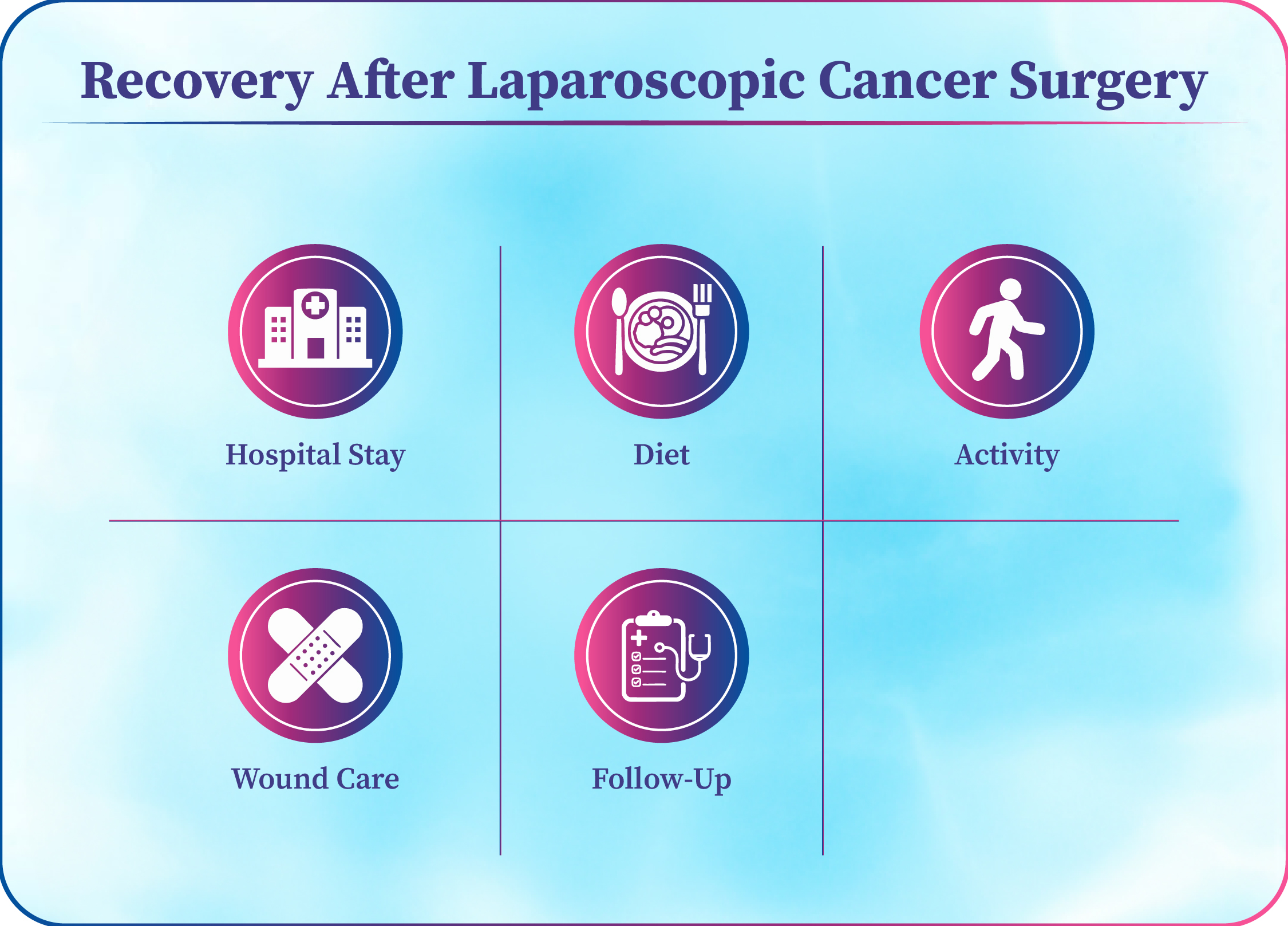
Hospital Stay: Usually 3–7 days depending on surgery type.
Diet
- Liquids → soft food → normal food
- Gradual progression
Activity
- Walking from Day 1
- Normal activity in 2–3 weeks
Wound Care:
- Keep clean and dry
- Small dressings
Follow-Up:
- Pathology report review
- Chemotherapy/radiotherapy if needed
- Regular scans and check-ups
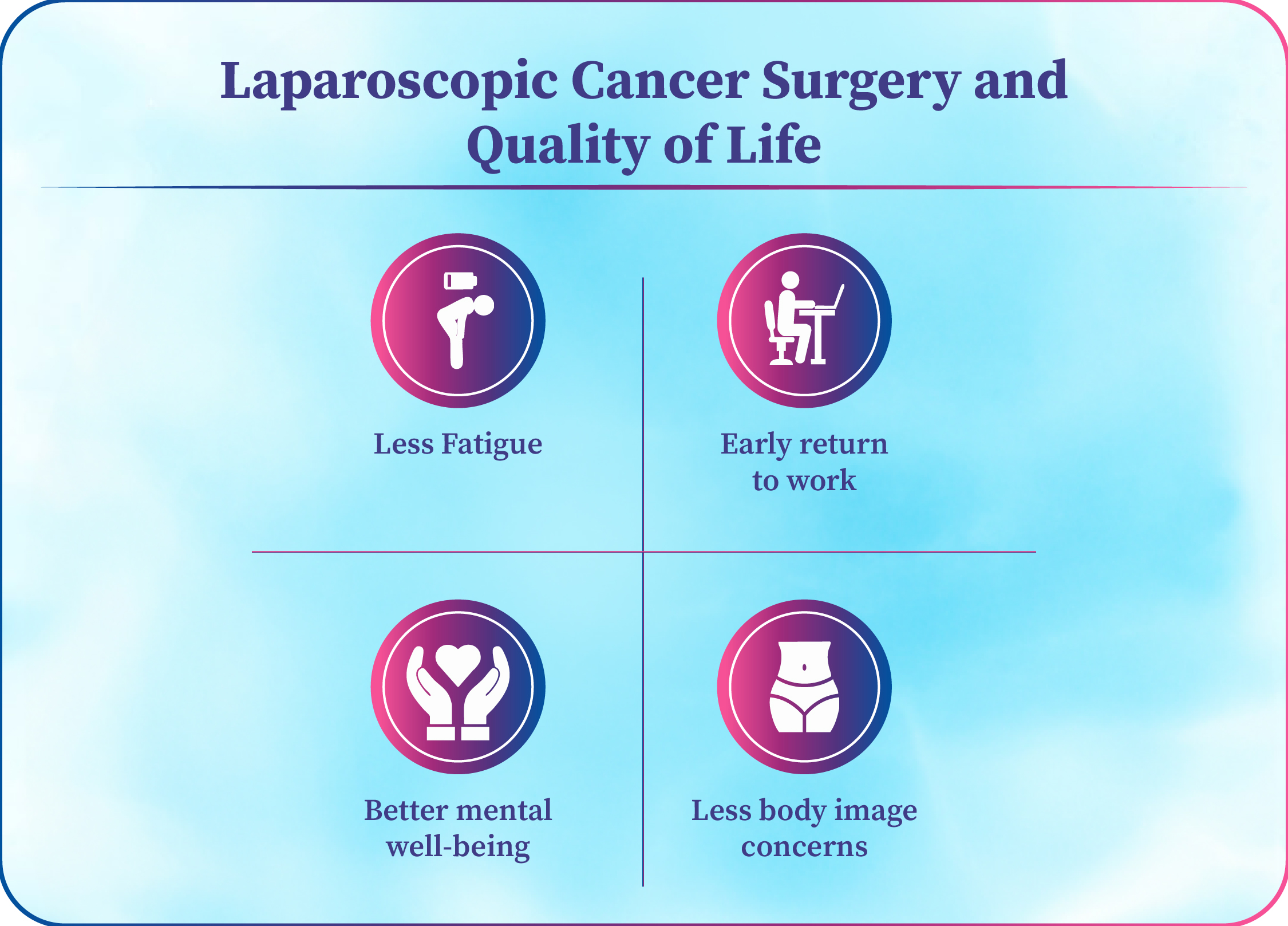
Laparoscopic Cancer Surgery and Quality of Life
Patients experience:
Less fatigue
Early return to work
Better mental well-being
Less body image concerns
This makes laparoscopic surgery especially valuable for working professionals and elderly patients.
Importance of Choosing the Right Cancer Surgeon
Laparoscopic cancer surgery requires:
Cancer knowledge
Advanced laparoscopic skill
Experience in complex cases
Dr. Rajesh Shinde brings together:
Surgical oncology expertise
Minimally invasive techniques
Compassionate patient care
This ensures patients receive treatment that is both scientifically correct and humanely delivered.
Common Myths About Laparoscopic Cancer Surgery
Myth 1: Laparoscopic surgery cannot remove cancer completely
Truth: When done correctly, results match open surgery.
Myth 2: It is only for small tumors
Truth: Even advanced tumors can be treated in selected cases.
Myth 3: It is risky
Truth: It is safer when performed by experienced surgeons.
This ensures patients receive treatment that is both scientifically correct and humanely delivered.
Why Choose Dr. Rajesh Shinde for Laparoscopic Cancer Surgery?
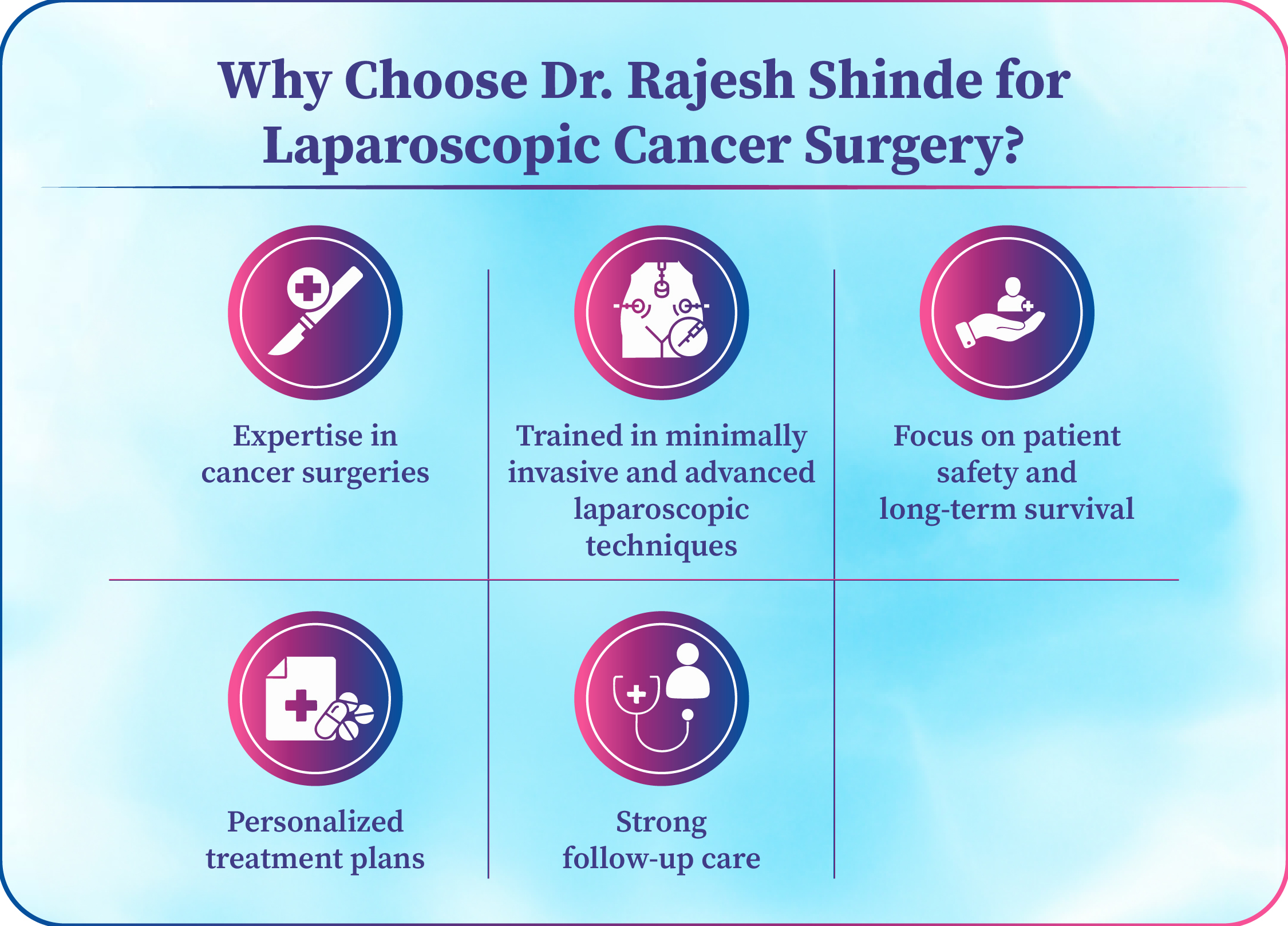
Expertise in GI, colorectal, thoracic, and complex cancer surgeries
Trained in minimally invasive and advanced laparoscopic techniques
Focus on patient safety and long-term survival
Personalized treatment plans
Strong follow-up care
Patients treated by Dr. Rajesh Shinde benefit from a blend of technology, experience, and compassion.
Laparoscopic cancer surgery is a major advancement in cancer treatment. It combines effective
tumorremoval with faster healing and better comfort. For patients who qualify, it offers a chance to
fight cancer with less physical and emotional burden.
Under the care of Dr. Rajesh Shinde,
patients receive world-class minimally invasive cancer surgery that is safe, precise, and tailored
to individual needs.
If you or your loved one is facing cancer surgery, laparoscopic cancer
surgery can be the right choice — offering hope, healing, and a faster return to normal life.
Faq's