Liver Cancer Treatment
Liver cancer is one of the fastest-growing cancers worldwide and a major health concern in Mumbai. When diagnosed early and treated by an experienced specialist, liver cancer can be managed effectively and many patients go on to live fulfilling lives. Under the expert care of Dr. Rajesh Shinde, patients receive comprehensive and compassionate liver cancer treatment using the latest medical technology and evidence- based protocols.
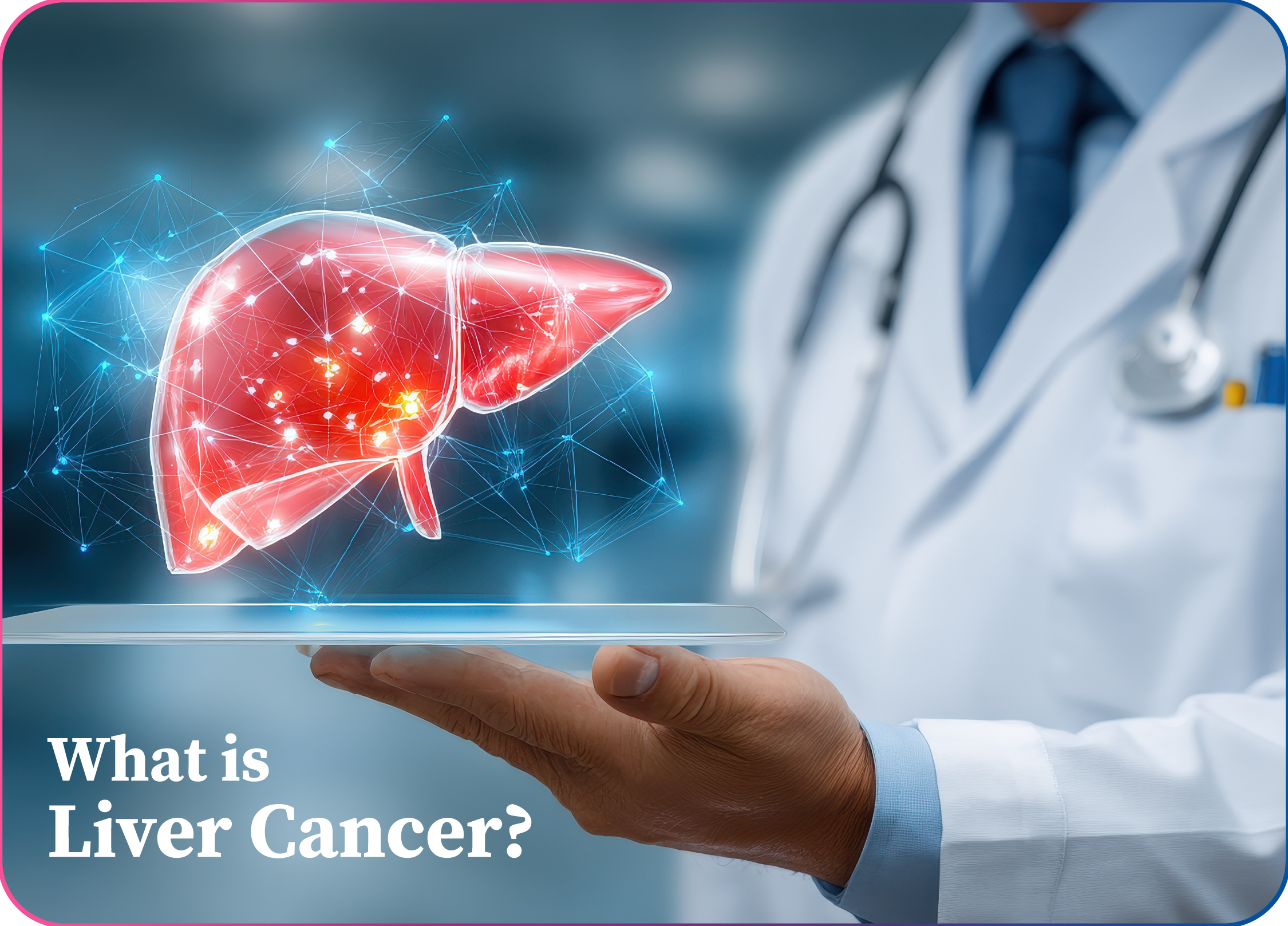
What is Liver Cancer?
Liver cancer begins in the cells of the liver. The liver is a vital organ that:
Filters toxins from the blood
Produces bile for digestion
Stores energy
Helps fight infection
When abnormal cells grow uncontrollably in the liver, they form a tumor. These tumors can be:
Benign (non-cancerous)
Malignant (cancerous)
Liver cancer usually refers to primary liver cancer, meaning cancer that starts in the liver itself.
Types of Liver Cancer
Gallbladder cancer is divided into stages:
Hepatocellular Carcinoma (HCC): This is the most common type of liver cancer. It begins in the liver cells called hepatocytes and is often linked to long-term liver disease such as cirrhosis or hepatitis.
Cholangiocarcinoma (Bile Duct Cancer): Starts in the bile ducts inside the liver and is more aggressive than HCC.
Hepatoblastoma: A rare type seen mainly in children.
Staging of Liver Cancer
Staging tells us how advanced the cancer is:
Stage 1: Single tumor, no spread
Stage 2: Multiple tumors but still inside liver
Stage 3:Spread to blood vessels or nearby organs
Stage 4: Spread to distant organs
Treatment planning by Dr Rajesh Shinde depends on:
Stage of cancer
Liver function
Overall health of the patient
Causes and Risk Factors of Liver Cancer
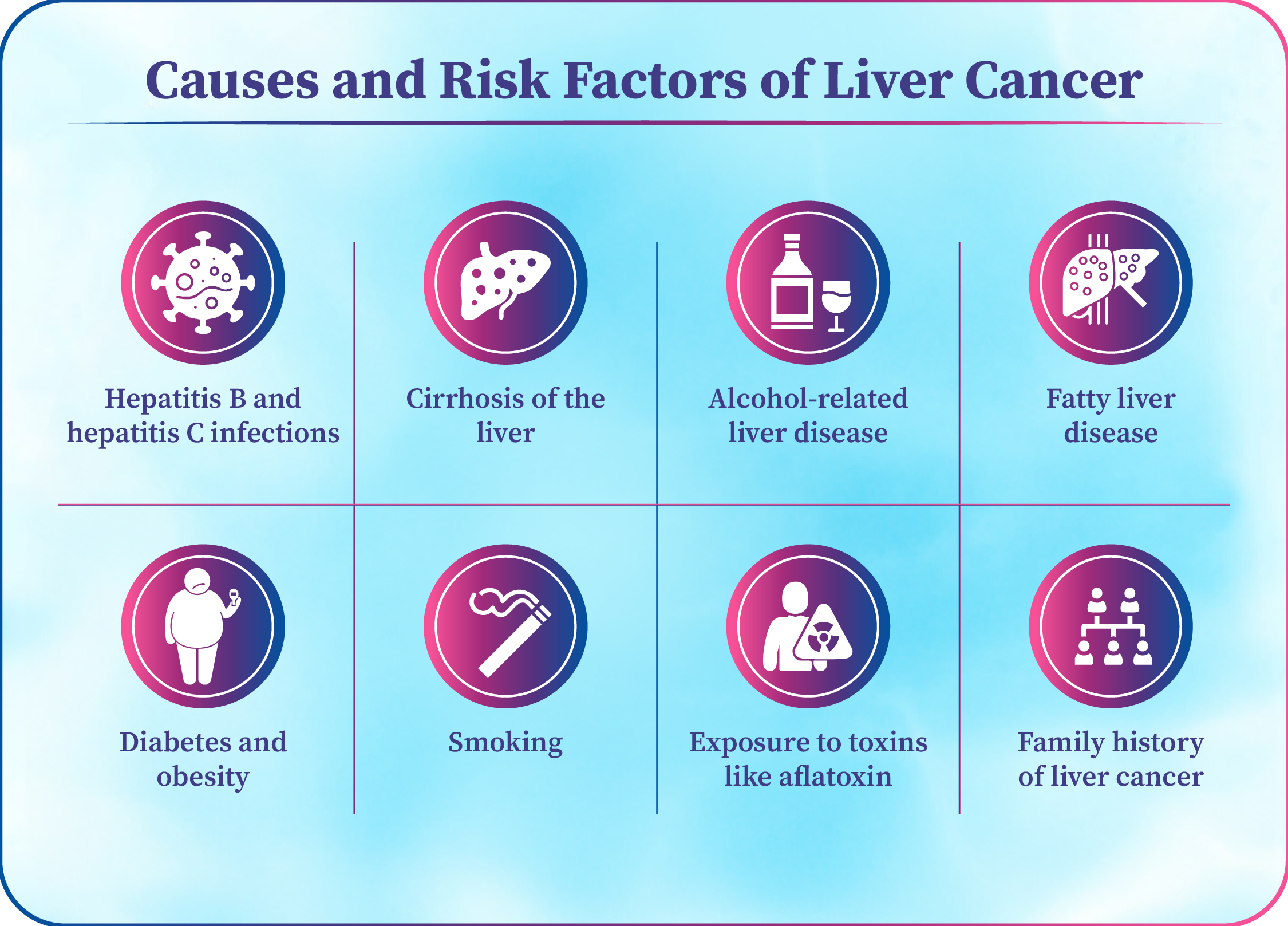
Liver cancer usually develops in people who already have chronic liver damage. Common causes and risk factors include:
Hepatitis B and hepatitis C infections
Cirrhosis of the liver
Alcohol-related liver disease
Fatty liver disease (NAFLD)
Diabetes and obesity
Smoking
Exposure to toxins like aflatoxin
Family history of liver cancer
Dr Rajesh Shinde emphasizes early screening for people with liver disease to detect cancer at a treatable stage.
Symptoms of Liver Cancer
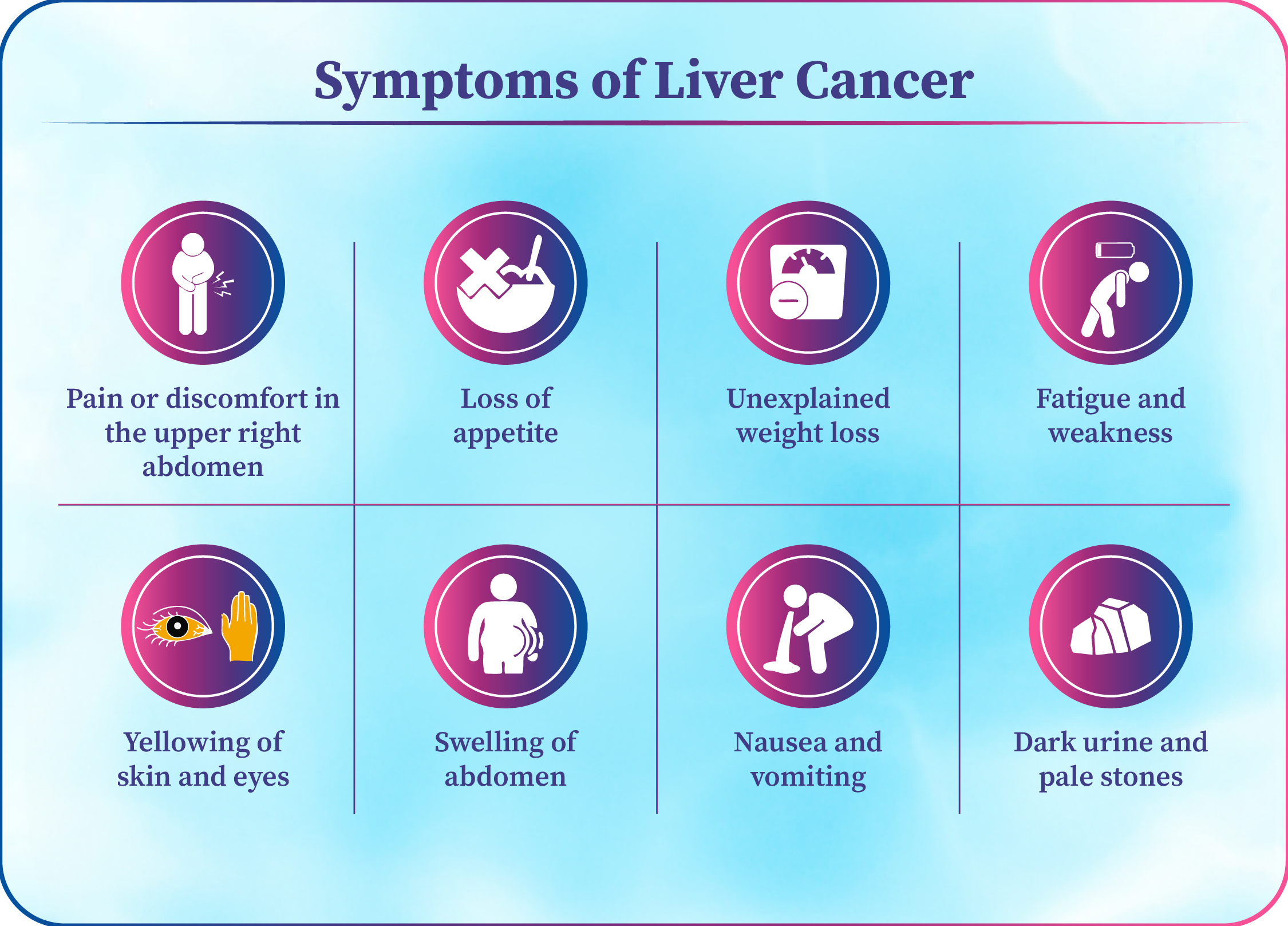
In early stages, liver cancer may not cause noticeable symptoms. As the disease progresses, symptoms may include:
Pain in the upper right side of the abdomen
Pain or discomfort in the upper right abdomen
Loss of appetite
Unexplained weight loss
Fatigue and weakness
Yellowing of skin and eyes (jaundice)
Swelling of abdomen
Nausea and vomiting
Dark urine and pale stones
If these symptoms appear, timely consultation with a liver cancer specialist like Dr Rajesh Shinde is crucial.
How is Liver Cancer Diagnosed?
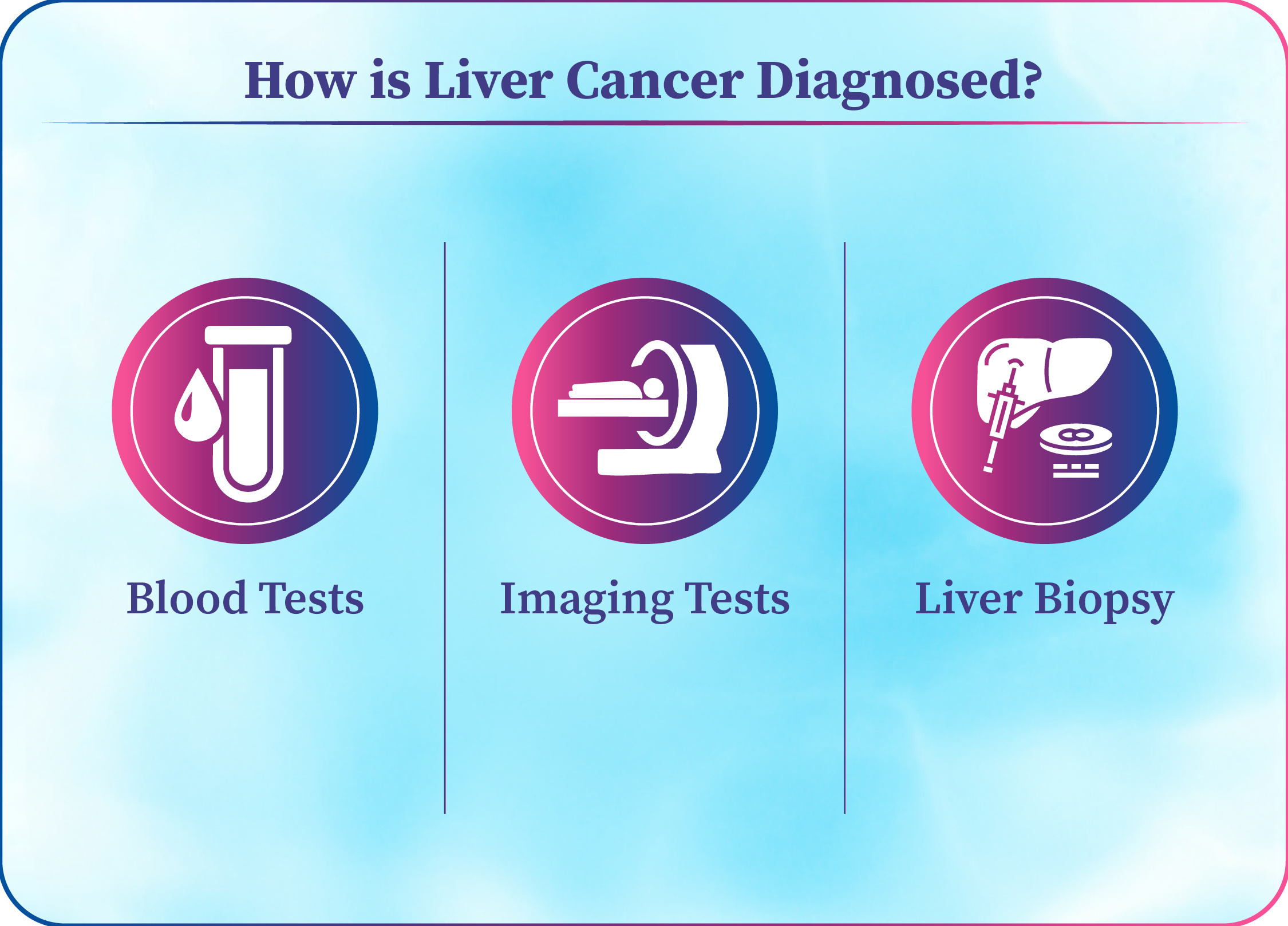
Diagnosis requires a combination of tests:
1. Blood Tests:
- Liver function tests
- Alpha-fetoprotein (AFP) tumor marker
2. Imaging Tests:
- Ultrasound
- CT scan
- MRI
These scans show the size, location, and number of tumors.
3. Liver Biopsy:
A small tissue sample is taken to confirm cancer.
Liver Cancer Treatment Options
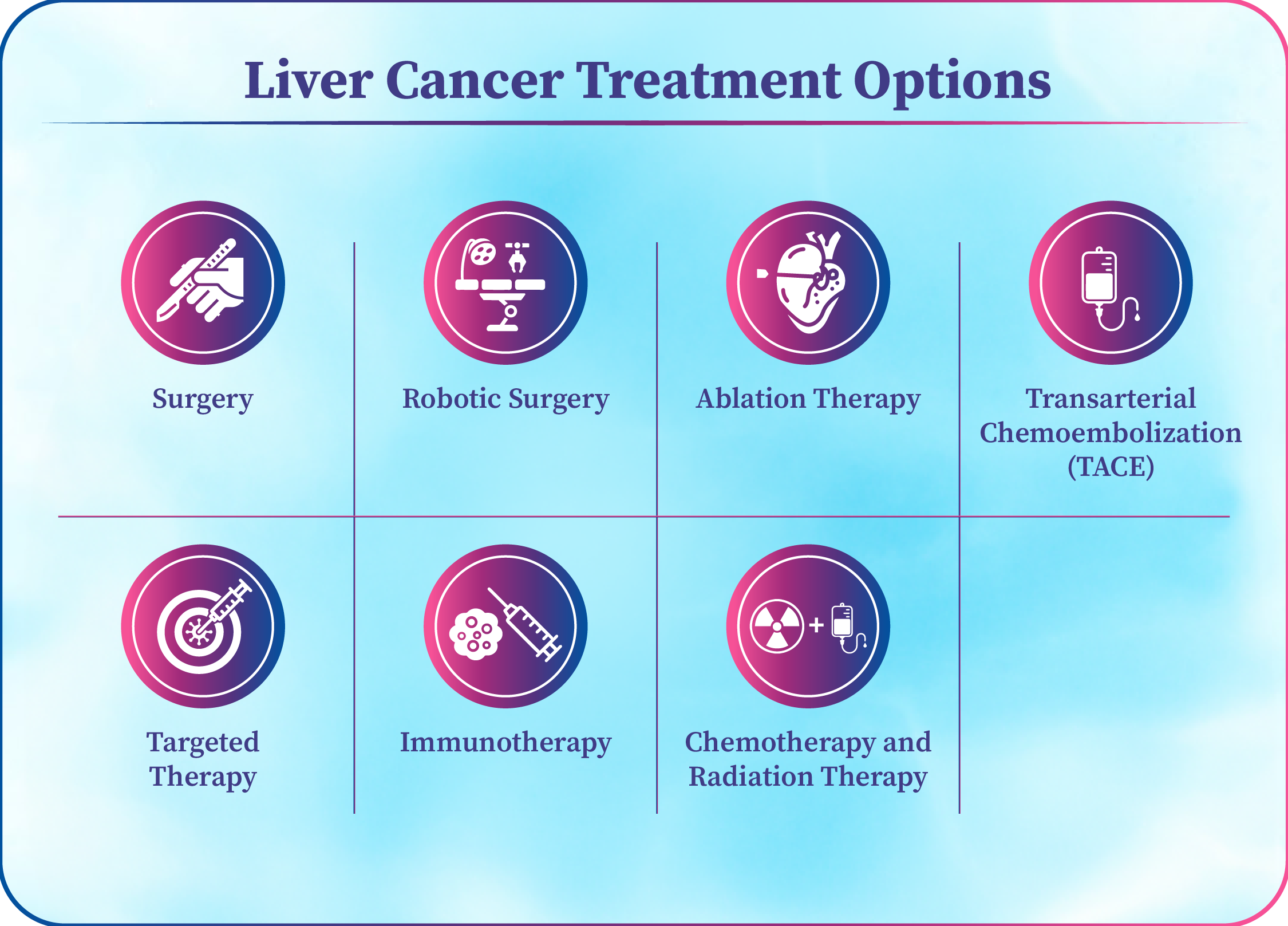
Treatment is personalized for each patient. Common options include:
Surgery for Liver Cancer: Surgery offers the best chance of cure in early stages.
- Liver Resection: Removal of the tumor and surrounding healthy tissue.
- Liver Transplant: Replacing the diseased liver with a healthy donor liver (for select patients).
- Nearby lymph nodes This is the most common surgery for gallbladder cancer.
2. Robotic Surgery for Liver Cancer: Robotic surgery is a modern, minimally invasive approach used in liver cancer treatment.
Under the guidance of Dr Rajesh Shinde, robotic liver surgery allows:
Greater precision
Smaller incisions
Less blood loss
Faster recovery
Reduced pain
Shorter hospital stay
Robotic liver surgery is especially useful for:
Tumors in difficult locations
Early-stage liver cancer
Patients fit for surgery but needing less trauma
Robotic technology gives the surgeon enhanced vision and control, improving surgical accuracy while protecting healthy liver tissue.
3. Ablation Therapy: Used for small tumors:
Radiofrequency ablation (RFA)
Microwave ablation
These methods destroy cancer cells using heat.
4. Transarterial Chemoembolization (TACE): Chemotherapy is delivered directly to the tumor through blood vessels and blood supply is blocked to shrink the tumor.
5. Targeted Therapy: Medicines that target cancer-specific proteins and pathways.
6. Immunotherapy: Helps the immune system fight cancer cells more effectively.
7. Chemotherapy and Radiation Therapy: Used in advanced cases or to control symptoms.
Why Choose Dr Rajesh Shinde for Liver Cancer Treatment?
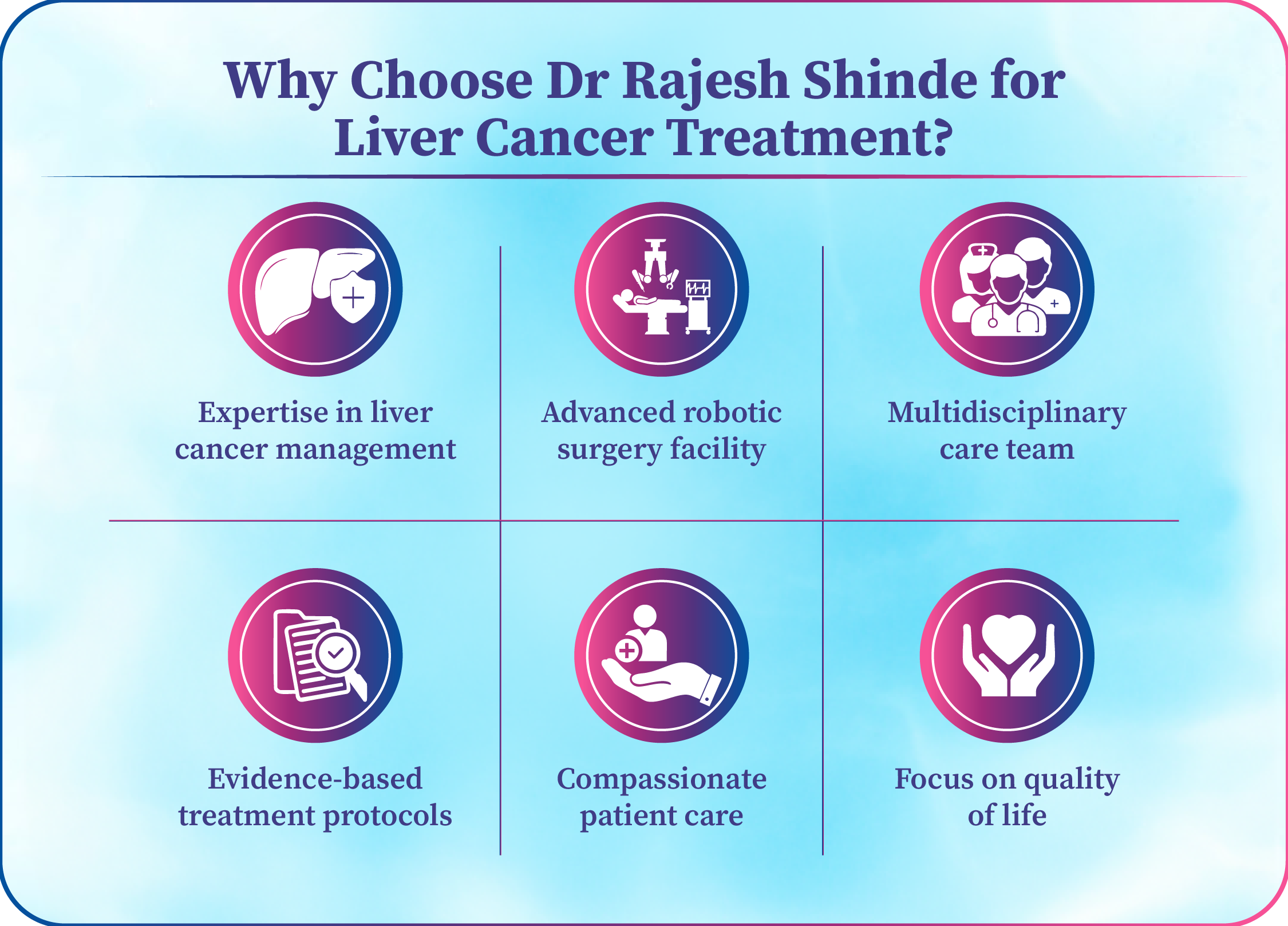
Expertise in liver cancer management
Advanced robotic surgery facility
Multidisciplinary care team
Evidence-based treatment protocols
Compassionate patient care
Focus on quality of life
Focus on quality of life
Role of Dr Rajesh Shinde in Liver Cancer Treatment
Dr Rajesh Shindeis known for his patient-centric approach and expertise in:
Liver cancer diagnosis
Surgical management
Robotic and minimally invasive liver surgery
Multidisciplinary cancer care
He focuses on:
Early detection
Personalized treatment plans
Advanced surgical techniques
Long-term follow-up care
Recovery After Liver Cancer Surgery
Recovery depends on treatment type and overall health.
After Robotic Liver Surgery:
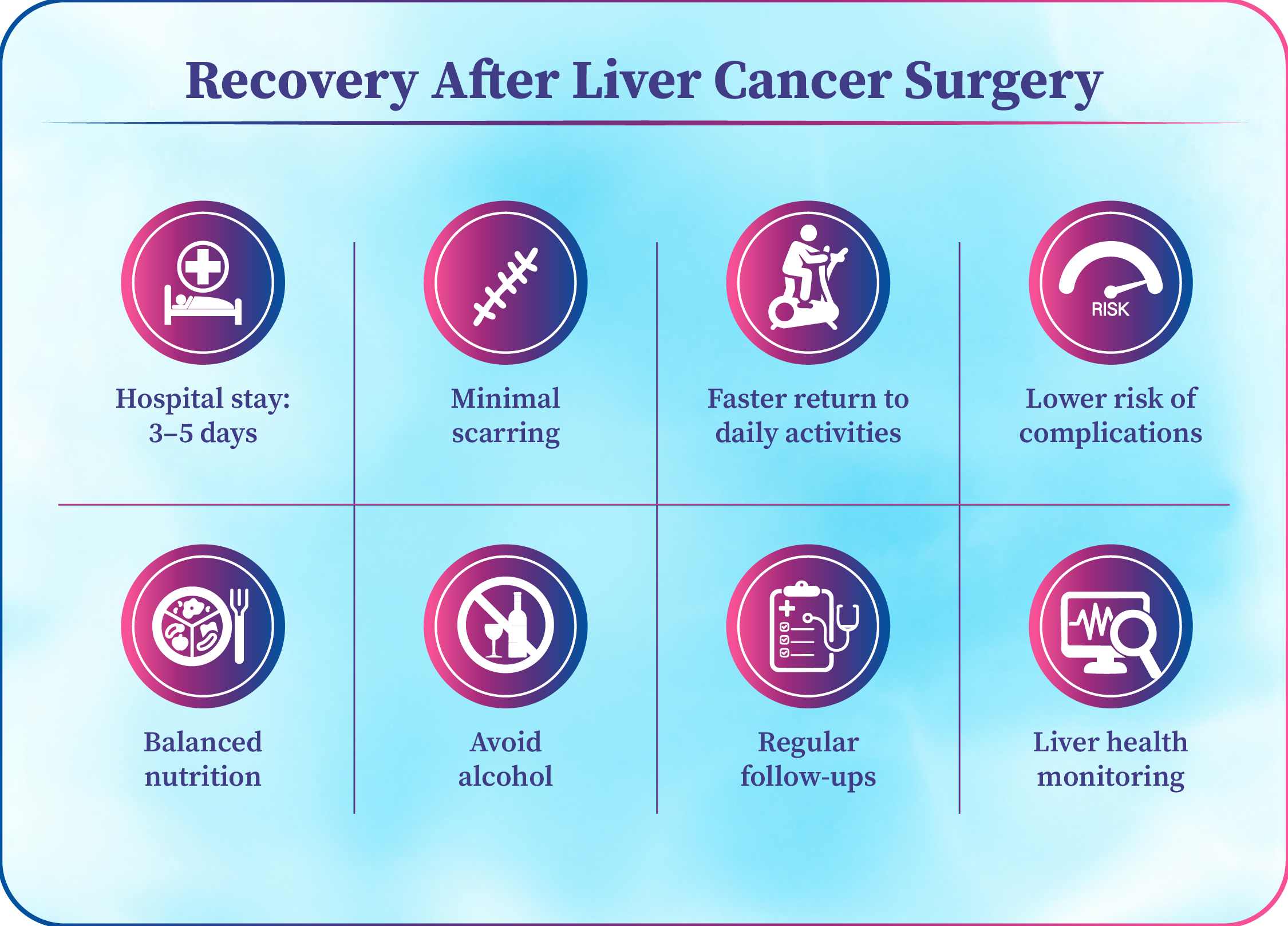
Hospital stay: 3–5 days
Minimal scarring
Faster return to daily activities
Lower risk of complications
Patients are advised:
Balanced nutrition
Avoid alcohol
Regular follow-ups
Liver health monitoring
Diet and Lifestyle for Liver Cancer Patients
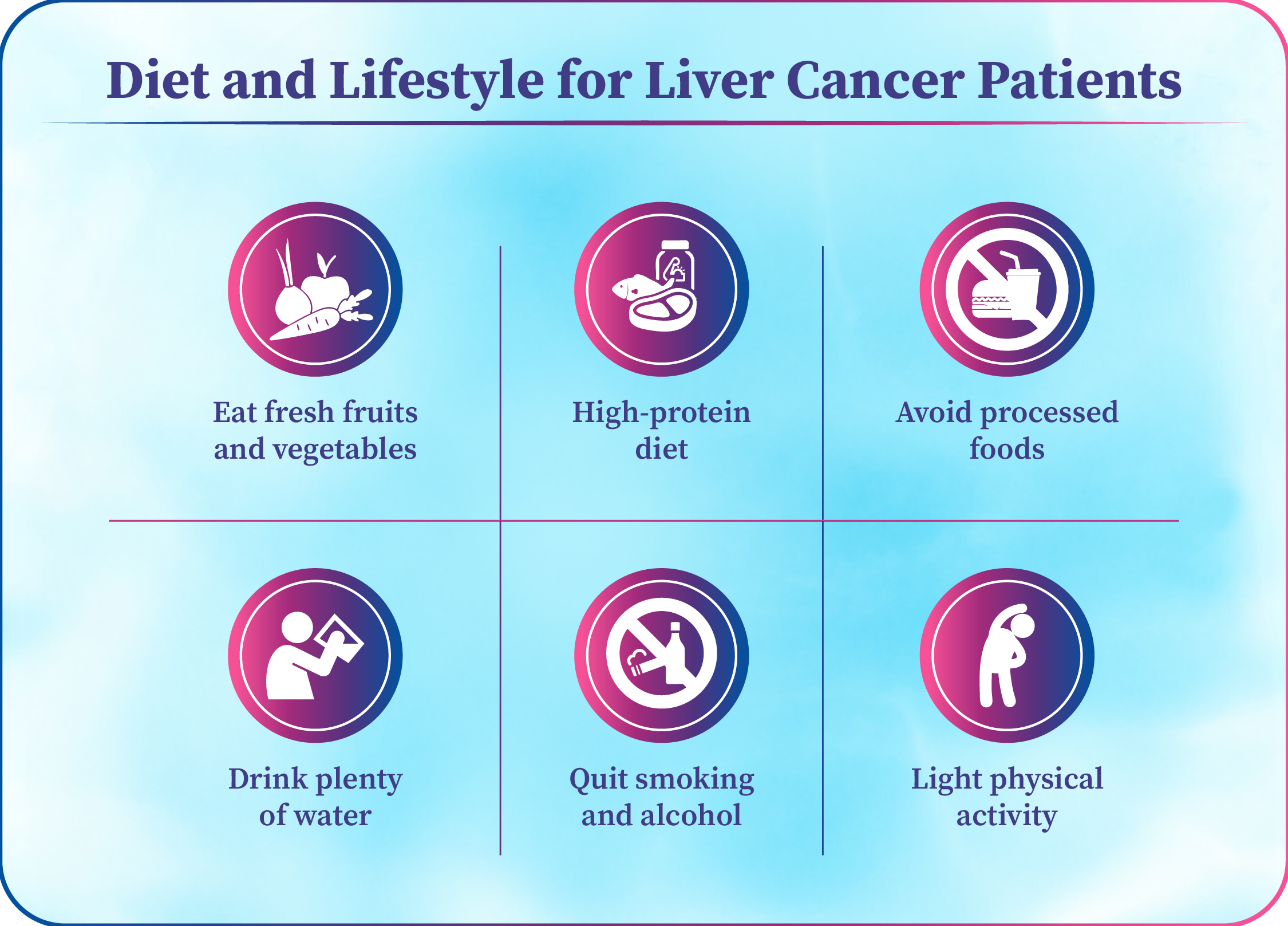
Eat fresh fruits and vegetables
High-protein diet
Avoid processed foods
Drink plenty of water
Quit smoking and alcohol
Light physical activity
Dr Rajesh Shinde provides personalized lifestyle guidance to support healing and liver function.
Liver cancer is serious, but with early detection, expert care, and advanced treatment like
roboticsurgery, outcomes can be greatly improved. Under the skilled care of Dr Rajesh Shinde,
patients receive world-class liver cancer treatment with a human touch.
If you or your loved one is diagnosed with liver cancer, do not delay treatment. Timely consultation
with a specialist can save life and liver function.
Faq's