Lung Cancer Treatment
Lung cancer is one of the most common and serious cancers affecting people across Mumbai. It begins in the lungs and can spread to others parts of the body if not detected and treated early. With advanced in medical technology and personalized treatment plans, lung cancer can now be treated more effectively than ever before.
Lung cancer treatment is led by Dr. Rajesh Shinde, an experienced cancer surgeon known for providing advanced, patient-centric care. We offer comprehensive services for diagnosis, staging, surgery, chemotherapy, targeted therapy, immunotherapy, and robotic lung cancer surgery.
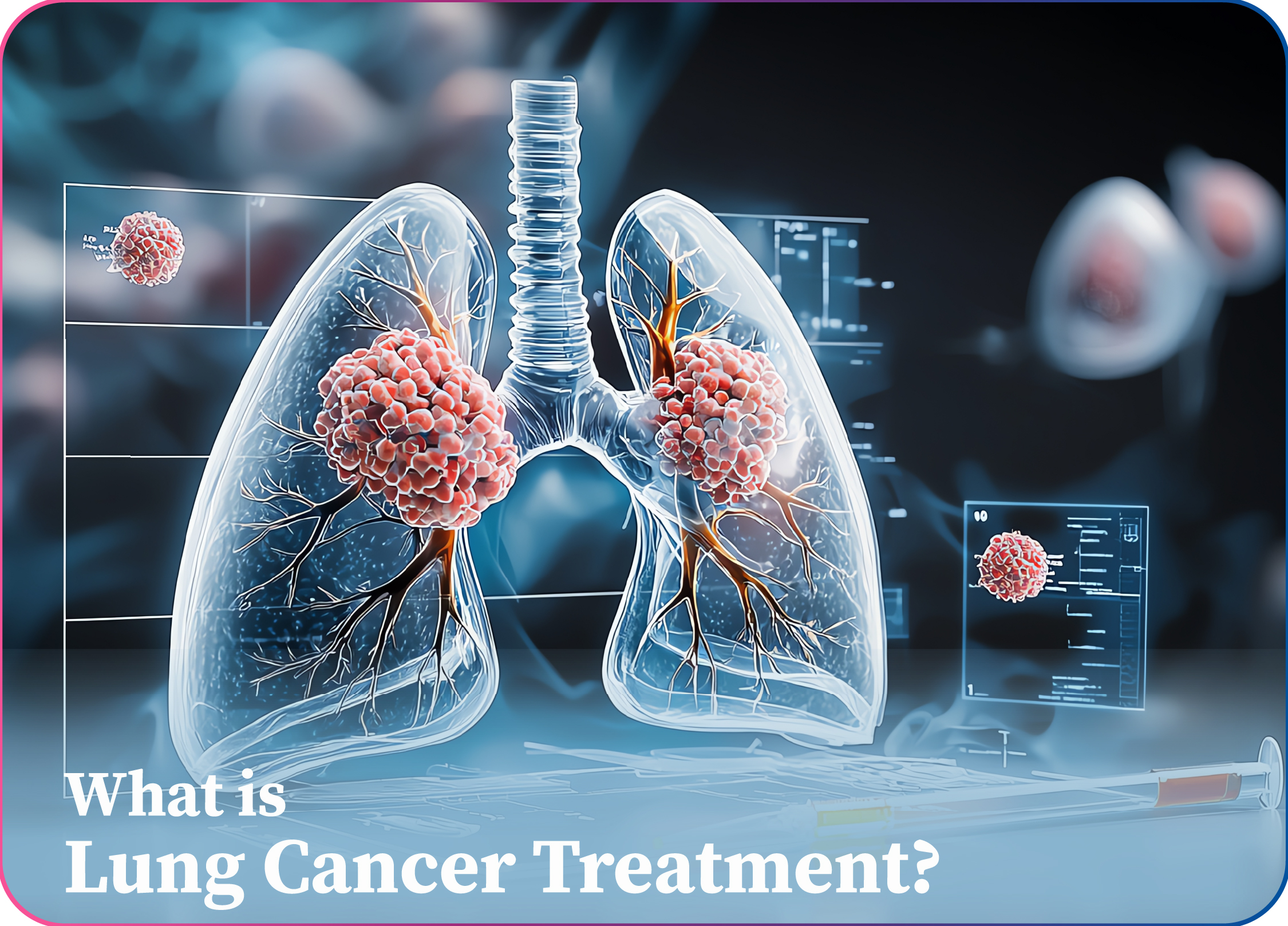
What is Lung Cancer?
Lung cancer occurs when abnormal cells grow uncontrollably in lung tissue. These cancer cells form a tumor that interferes with breathing and oxygen supply. Over time, lung cancer can spread to lymph nodes, brain, bones, liver, or other organs.
There are two main types:
Non-Small Cell Lung Cancer (NSCLC): This is the most common type and includes:
Adenocarcinoma
Squamous cell carcinoma
Large cell carcinoma
Small Cell Lung Cancer (SCLC): A faster-growing type, usually linked to smoking and often diagnosed at a later stage.Both types require different treatment approaches, which is why expert evaluation by a lung cancer specialist in Mumbai is essential.
Staging of Lung Cancer
Staging determines how advanced the cancer is and helps plan treatment.
Stage 1: Cancer limited to lung
Stage 2: Spread to nearby lymph nodes
Stage 3: Spread within chest
Stage 4: Spread to distant organs
Early-stage lung cancer can often be cured with surgery, while advanced stages require a combination of therapies.
Causes and Risk Factors of Lung Cancer
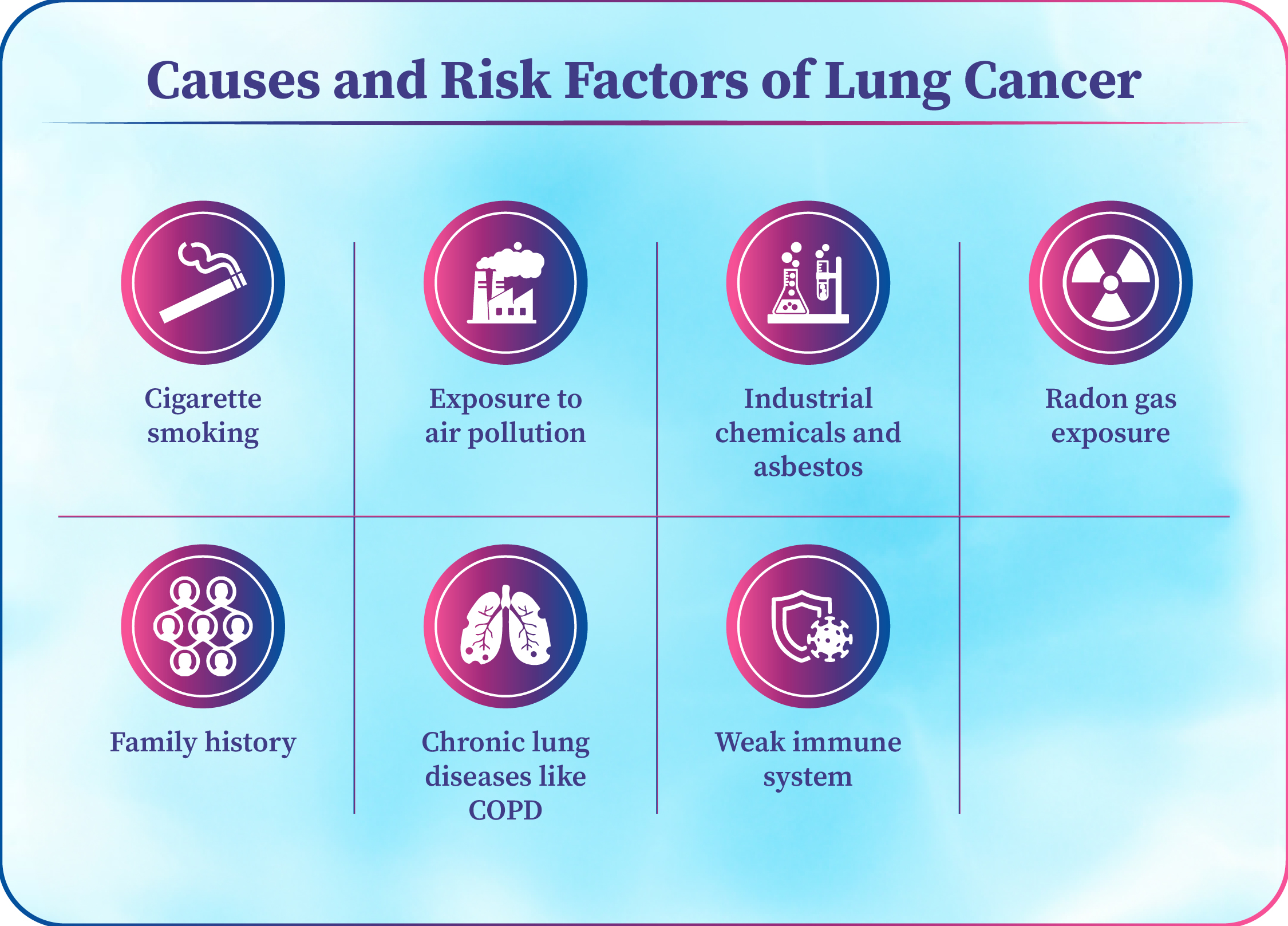
Lung cancer does not develop overnight. It is usually caused by long-term exposure to harmful substances.
Common causes include:
Cigarette smoking (active or passive)
Exposure to air pollution
Exposure to air pollution
Industrial chemicals and asbestos
Radon gas exposure
Family history of lung cancer
Chronic lung diseases like COPD
Weak immune system
Even non-smokers can develop lung cancer due to pollution and genetic factors, making awareness and early screening important.
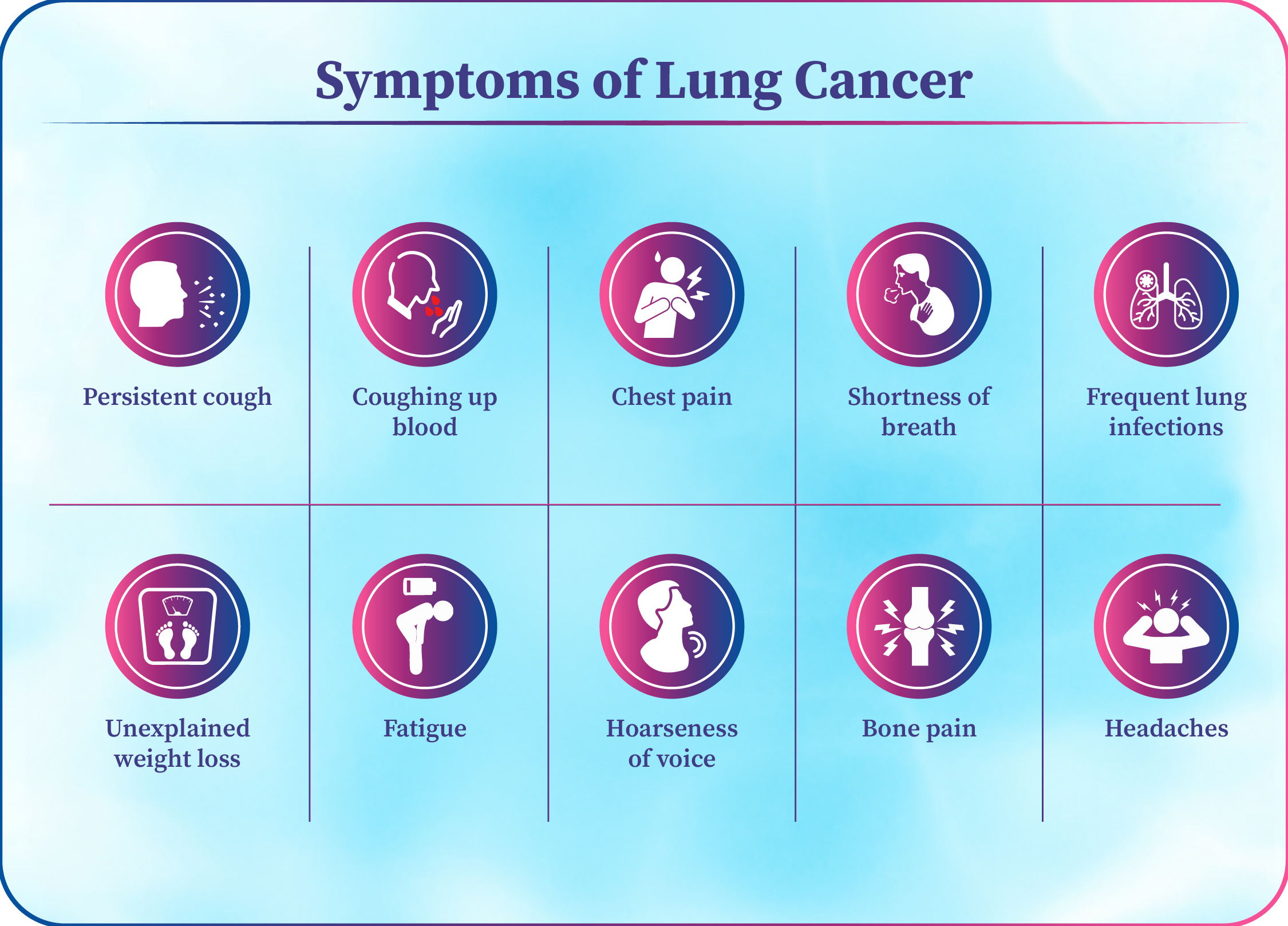
Symptoms of Lung Cancer
Persistent cough
Coughing up blood
Chest pain
Shortness of breath
Frequent lung infections
Unexplained weight loss
Fatigue
Hoarseness of voice
Bone pain (in advanced cases)
Headaches or neurological symptoms (if spread to brain)
If any of these symptoms persist for more than 2–3 weeks, consult a lung cancer doctor immediately.
Diagnosis of Lung Cancer
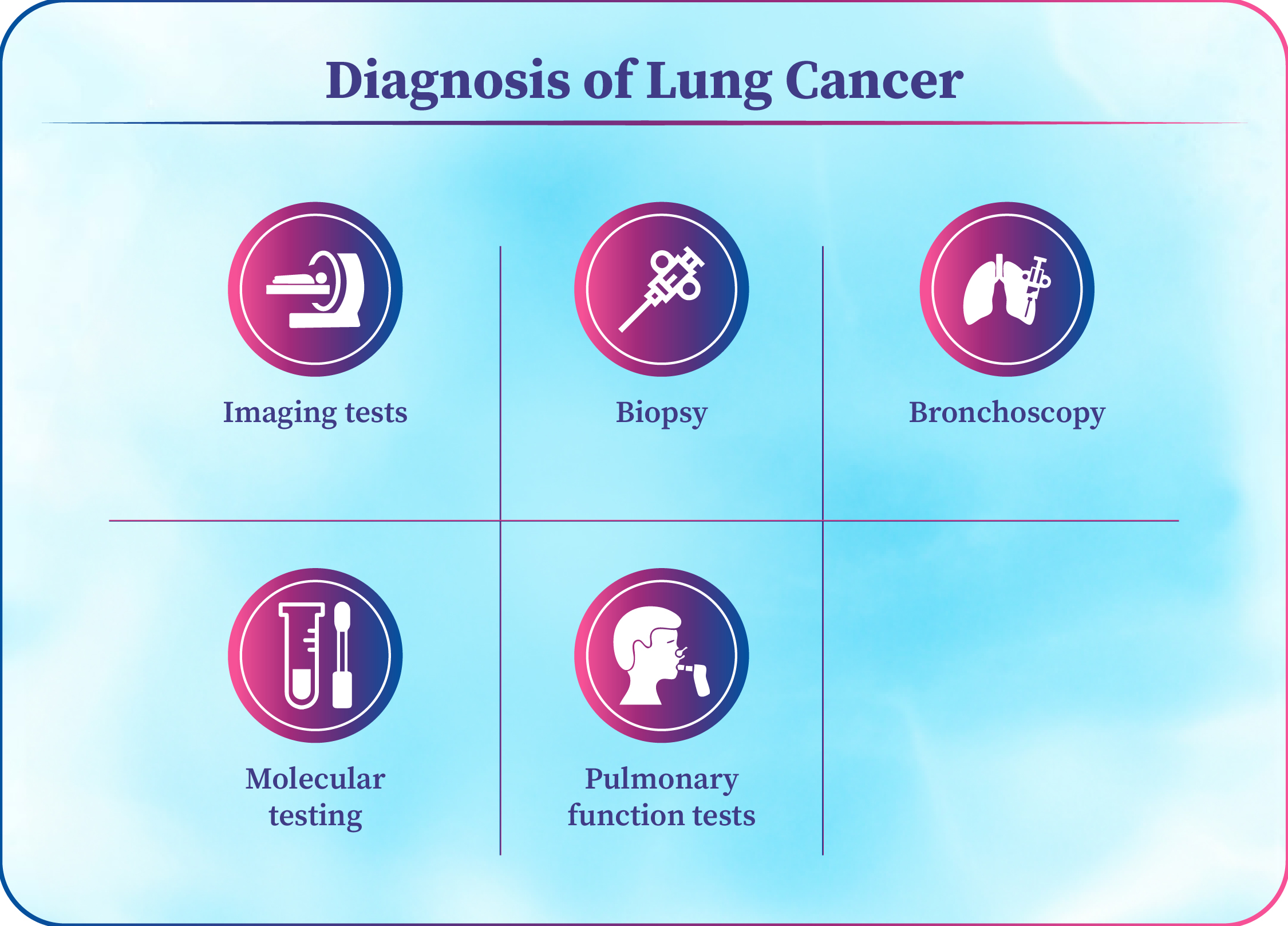
Accurate diagnosis is the foundation of effective treatment. Under the guidance of Dr. Rajesh Shinde, a step-by-step evaluation is performed.
Diagnostic tests include:
Imaging tests:
- Chest X-ray
- CT scan
- PET-CT scan
These help detect tumors and check spread.
Biopsy: A small tissue sample is taken from the lung and examined to confirm cancer type.
Bronchoscopy: A thin tube is passed into airways to visualize and take samples.
Molecular testing: Genetic tests help identify mutations that guide targeted therapy.
Pulmonary function tests: These assess lung capacity before surgery.
Lung Cancer Treatment Options
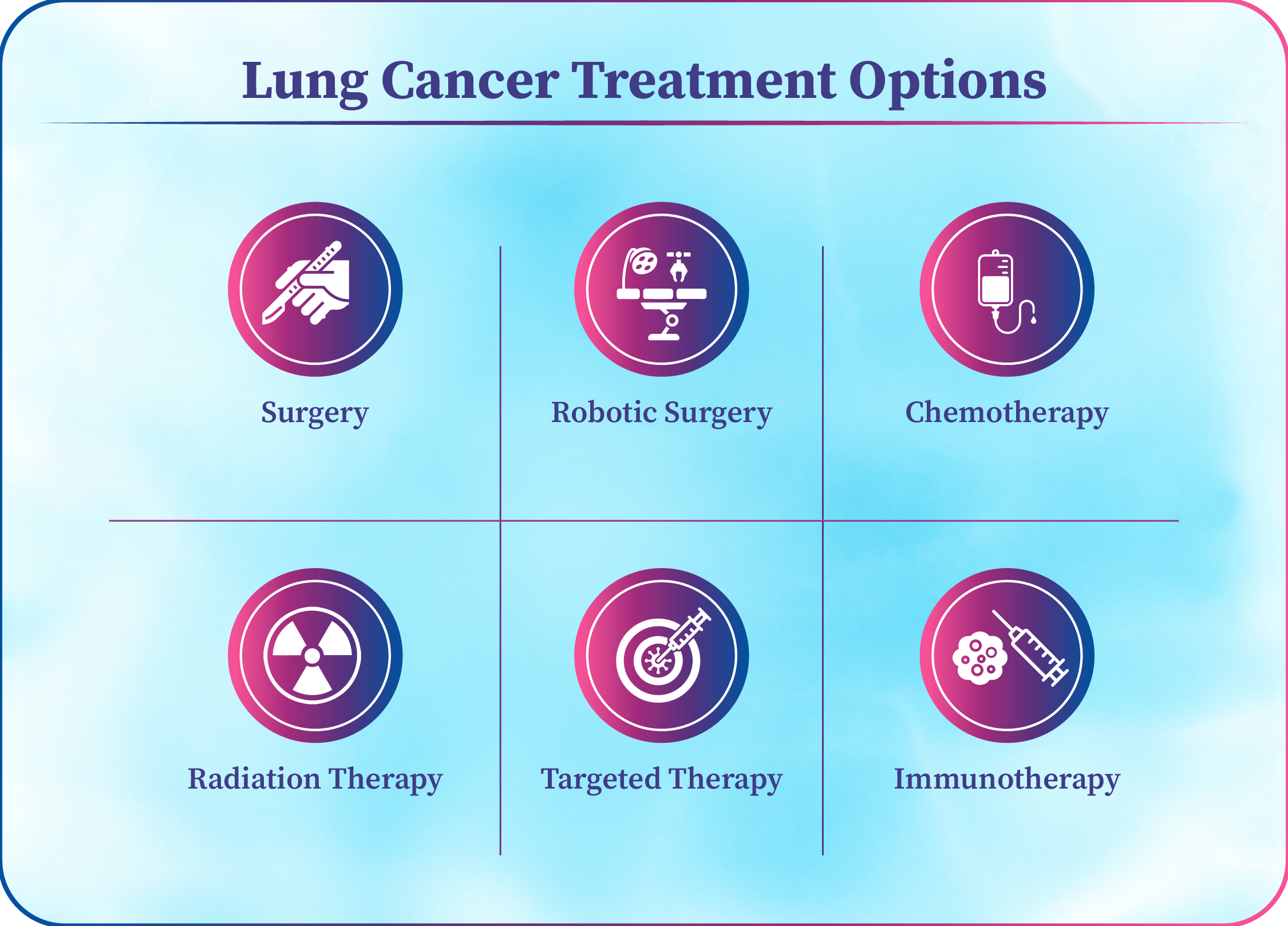
1. Cancer Surgery: Surgery is the
main treatment
for early-stage lung cancer.
Types of lung cancer surgery:
Lobectomy of the affected lobe of the lung.
Segmentectomy or Wedge Resection: Removal of a small part of lung.
Pneumonectomy Removal of entire lung (rare cases).
2. Robotic Surgery for Lung Cancer: Robotic lung cancer surgery is one of the most advanced treatment options available today. Dr. Rajesh Shinde is trained in minimally invasive robotic techniques that allow precise tumor removal with minimal trauma.
How robotic surgery works:
Small keyhole incisions
Robotic arms controlled by surgeon
3D magnified vision
High precision and control
Benefits of robotic lung cancer surgery:
Less pain
Minimal blood loss
Smaller scars
Shorter hospital stay
Faster recovery
Better preservation of lung tissue
Lower complication risk
Robotic surgery is ideal for:
Early-stage lung cancer
Tumors in difficult locations
Patients needing quicker recovery
This advanced approach makes Dr. Rajesh Shinde one of the preferred choices for robotic lung cancer surgery in Mumbai.
3. Chemotherapy for Lung Cancer: Chemotherapy uses medicines to destroy cancer cells. It may be given:
Before surgery (to shrink tumor)
After surgery (to prevent recurrence)
As main treatment in advanced stages
It can be given as tablets or injections and is usually done in cycles.
4. Radiation Therapy:
Radiation uses high-energy rays to kill cancer cells.
It is used:
When surgery is not possible
After surgery to kill remaining cells
For symptom relief in advanced cancer
Modern radiation techniques reduce damage to healthy lung tissue.
5. Targeted Therapy: Targeted therapy attacks specific genetic changes in cancer cells. It is used when molecular testing shows:
EGFR mutation
ALK mutation
ROS1 mutation
BRAF mutation
This treatment causes fewer side effects than chemotherapy and improves survival in selected patients.
6. for Lung Cancer: Immunotherapy strengthens the body’s immune system to fight cancer. It is effective in:
Advanced lung cancer
Certain genetic profiles
It helps the immune system recognize and destroy cancer cells.
Life After Lung Cancer Treatment
Recovery does not end with surgery or chemotherapy. Patients need long-term follow-up.
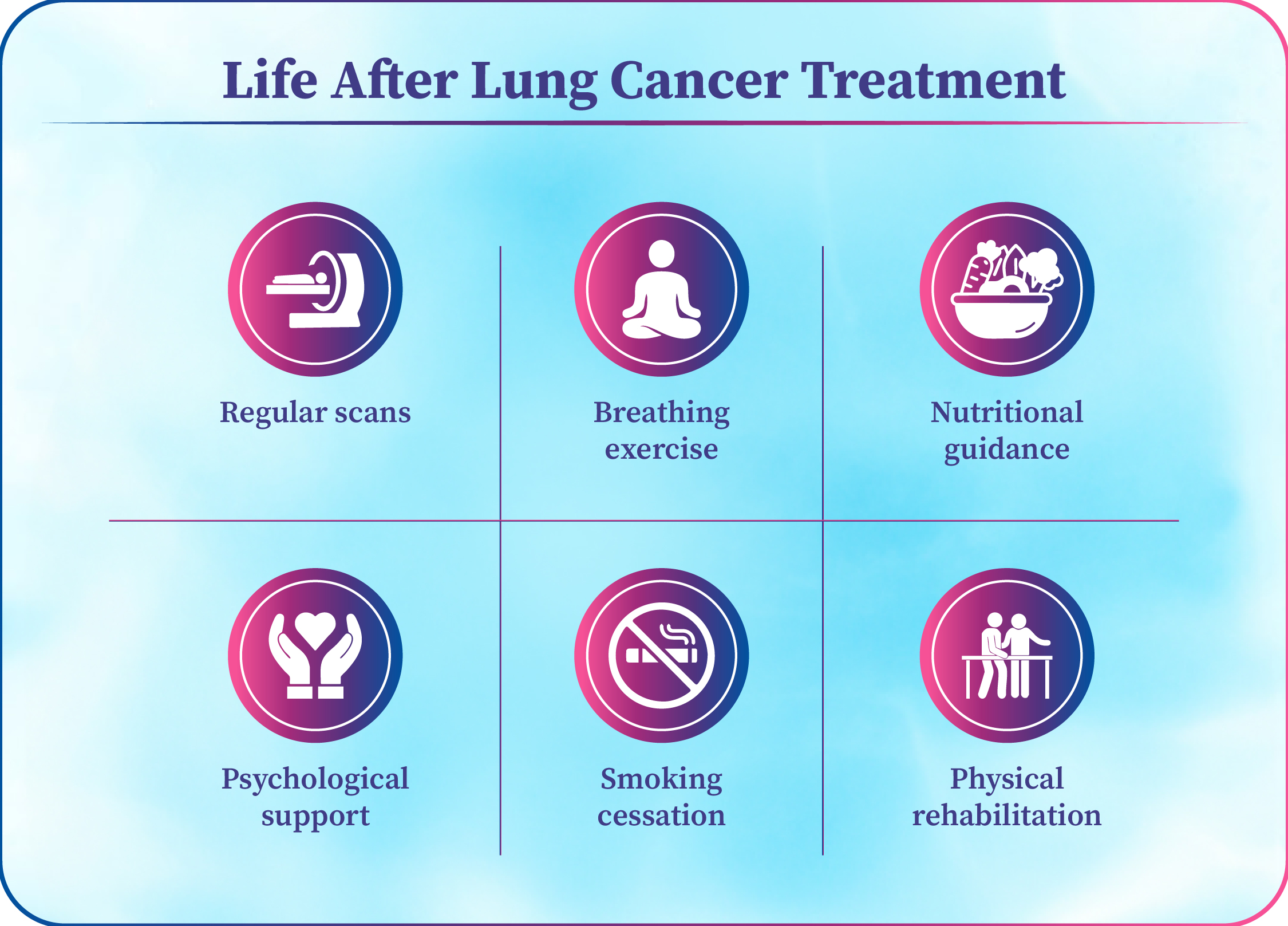
Post-treatment care includes:
Regular scans
Breathing exercise
Nutritional guidance
Psychological support
Smoking cessation
Physical rehabilitation
With proper care, many patients return to normal daily activities and enjoy good quality of life.
Importance of Early Detection
When lung cancer is detected early:
Surgery is more effective
Cure rates are higher
Treatment is less aggressive
Survival is improved
High-risk individuals (smokers, pollution exposure, family history) should undergo regular screening with low-dose CT scans.
Why Choose Dr. Rajesh Shinde for Lung Cancer Treatment?
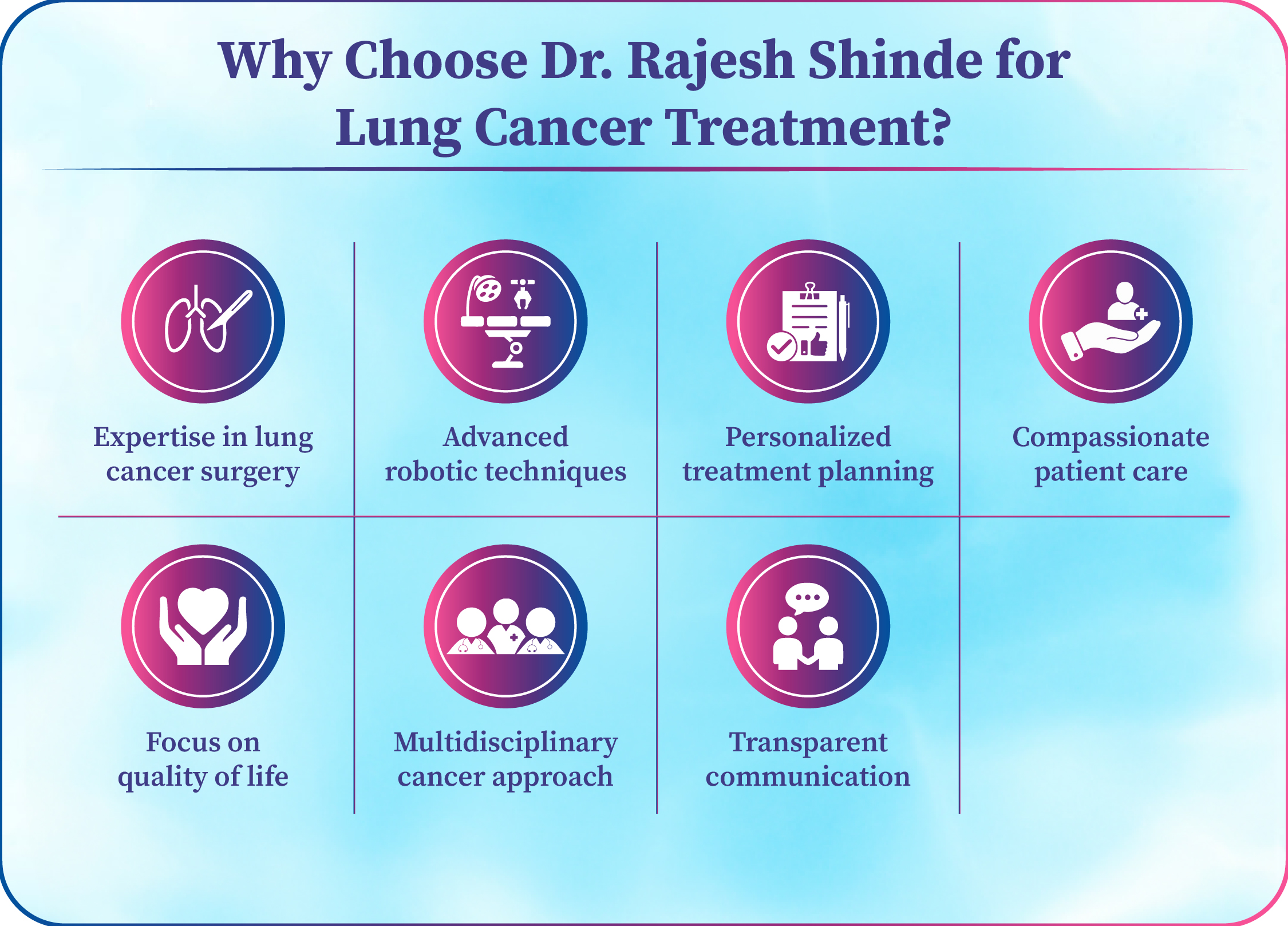
Patients trust Dr. Rajesh Shinde because he offers:
Expertise in lung cancer surgery
Advanced robotic techniques
Personalized treatment planning
Compassionate patient care
Multidisciplinary cancer approach
Transparent communication
Focus on quality of life
His experience in managing complex lung cancer cases makes him one of the leading lung cancer specialists in Mumbai.
Book an Appointment with Dr. Rajesh Shinde
If you or your loved one is diagnosed with lung cancer or has suspicious symptoms, do not delay. Early consultation with a lung cancer specialist can save life. Dr. Rajesh Shinde provides advanced lung cancer treatment, including robotic surgery, with compassion and precision.
Faq's