Mediastinal Tumors (Cancer) Treatment
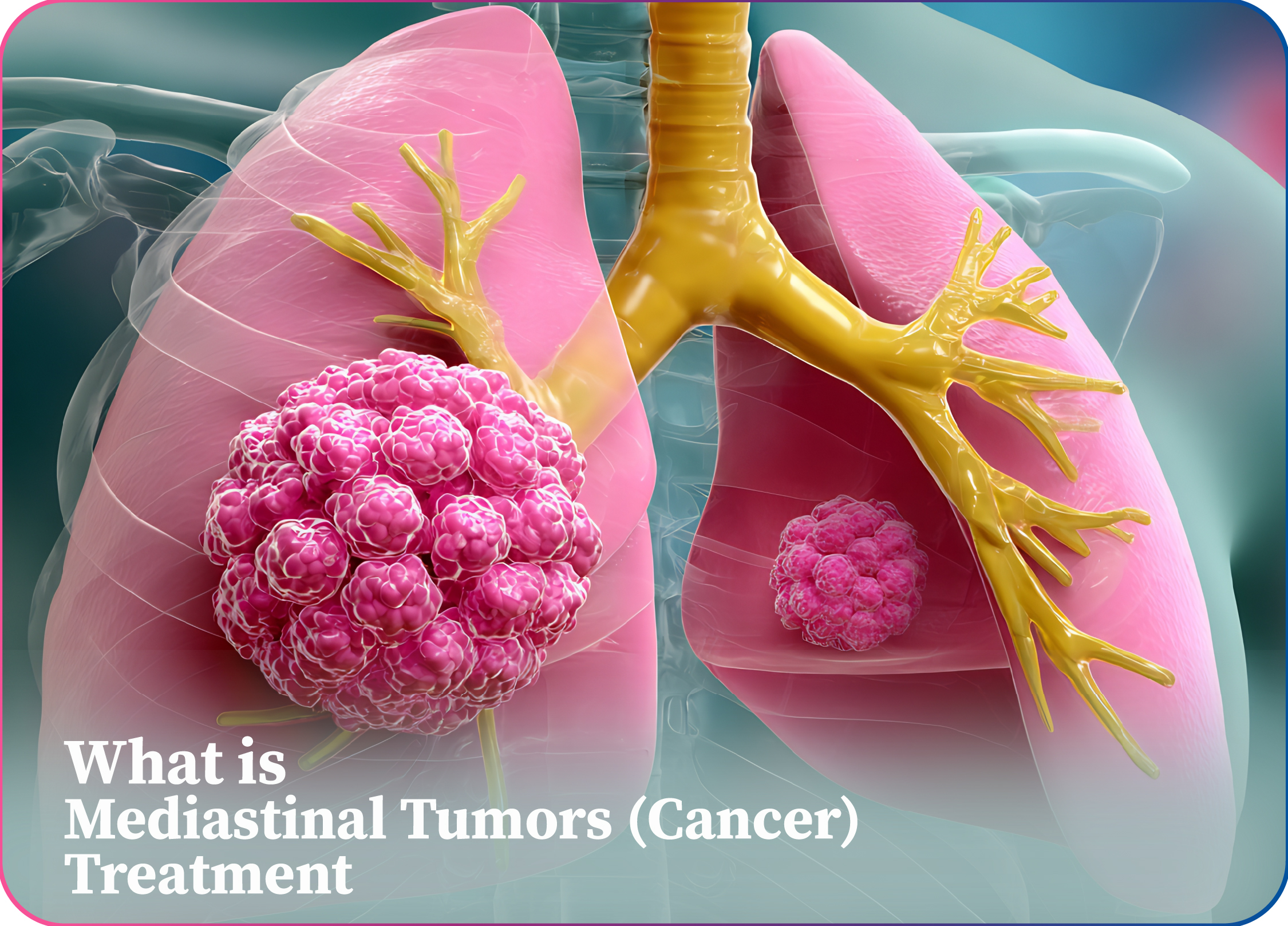
Mediastinal tumors are abnormal growths that develop in the mediastinum, the central area of the chest located between the lungs. This space contains vital organs such as the heart, thymus gland,lymph nodes, windpipe (trachea), food pipe (esophagus), and major blood vessels.
Because of the important structures in this region, mediastinal tumors require accurate diagnosis andspecialized treatment. Mediastinal tumors treatment is led by Dr. Rajesh Shinde, a highly experienced cancer specialist, offering advanced medical care including minimally invasive androbotic surgery.
His goal is to provide safe, effective, and personalized treatment for each patients while maintaining quality of life.
What Are Mediastinal Tumors?
Mediastinal tumors are masses that develop in the mediastinum. They can be:
Benign (non-cancerous)
Malignant (cancerous)
These tumors can occur at any age but are more common in adults. Many mediastinal tumors grow slowly and may not cause symptoms in the early stages. However, as they grow, they may press on nearby organs like the lungs or heart and cause discomfort or breathing problems.
Types of Mediastinal Tumors
Mediastinal tumors are classified based on their location:
Anterior Mediastinal Tumors: These are the most common and include:
Thymoma and thymic carcinoma
Lymphoma
Germ cell tumors
Middle Mediastinal Tumors: These include:
Bronchogenic cysts
Lymph node enlargement
Vascular tumors
Posterior Mediastinal Tumors: Mostly nerve-related tumors such as:
Neurogenic tumors
Schwannomas
Paragangliomas
Each type requires a different treatment approach, which is why expert evaluation by Dr. RajeshShinde is crucial.
Staging of Mediastinal Tumors
Staging tells us how far the cancer has spread:
These include:
Stage 1: Tumor limited to mediastinum
Stage 2: Involvement of nearby structures
Stage 3: Spread to nearby lymph nodes
Stage 4: Spread to distant organs
Staging helps in selecting the best treatment plan.
Causes and Risk Factors
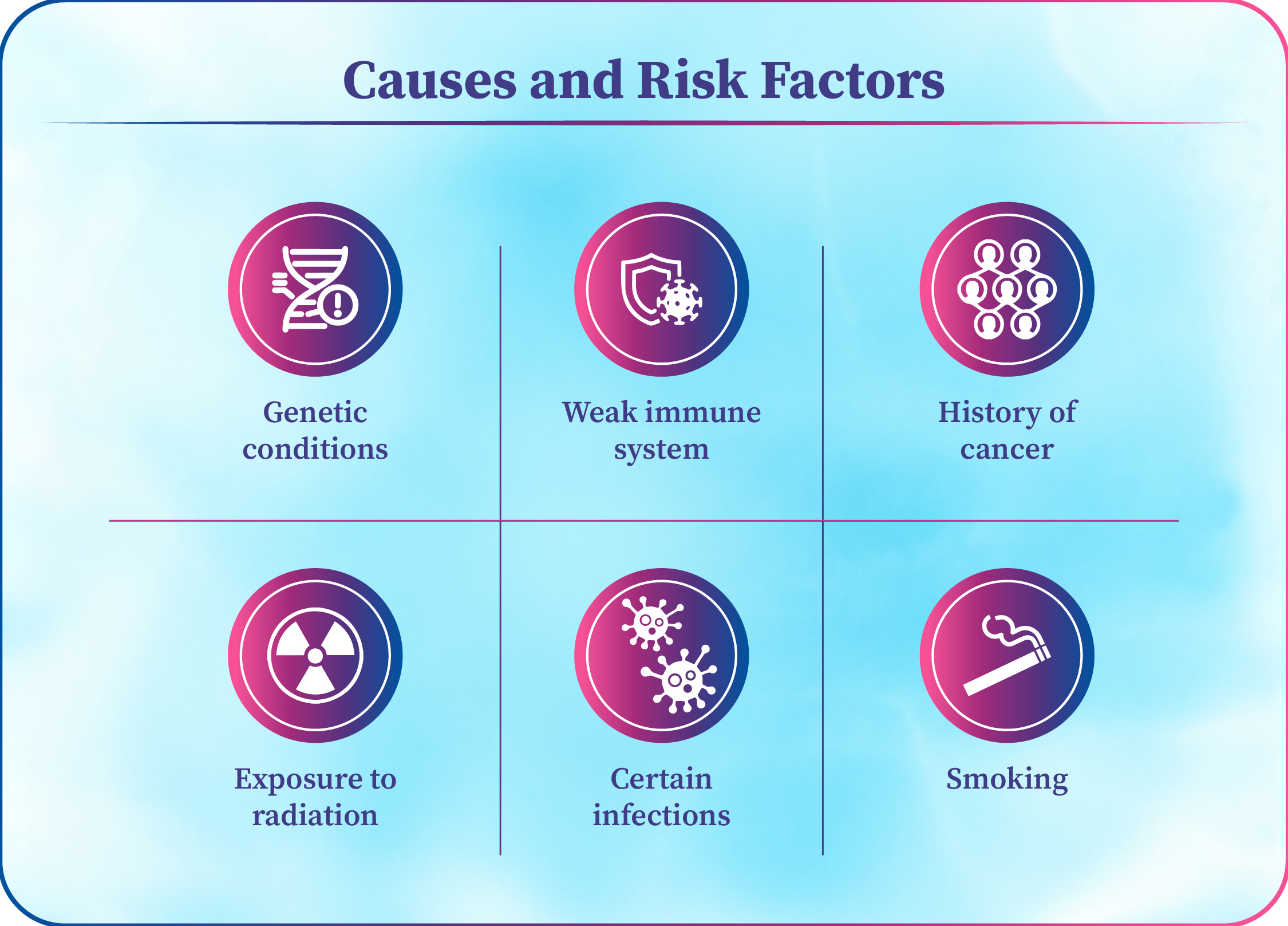
The exact cause of mediastinal tumors is not always known, but risk factors include:
Genetic conditions
Weak immune system
History of cancer
Exposure to radiation
Certain infections
Smoking (for some types)
Not all mediastinal tumors are cancerous, but any mass in the mediastinum should be evaluated promptly
Symptoms of Mediastinal Tumors
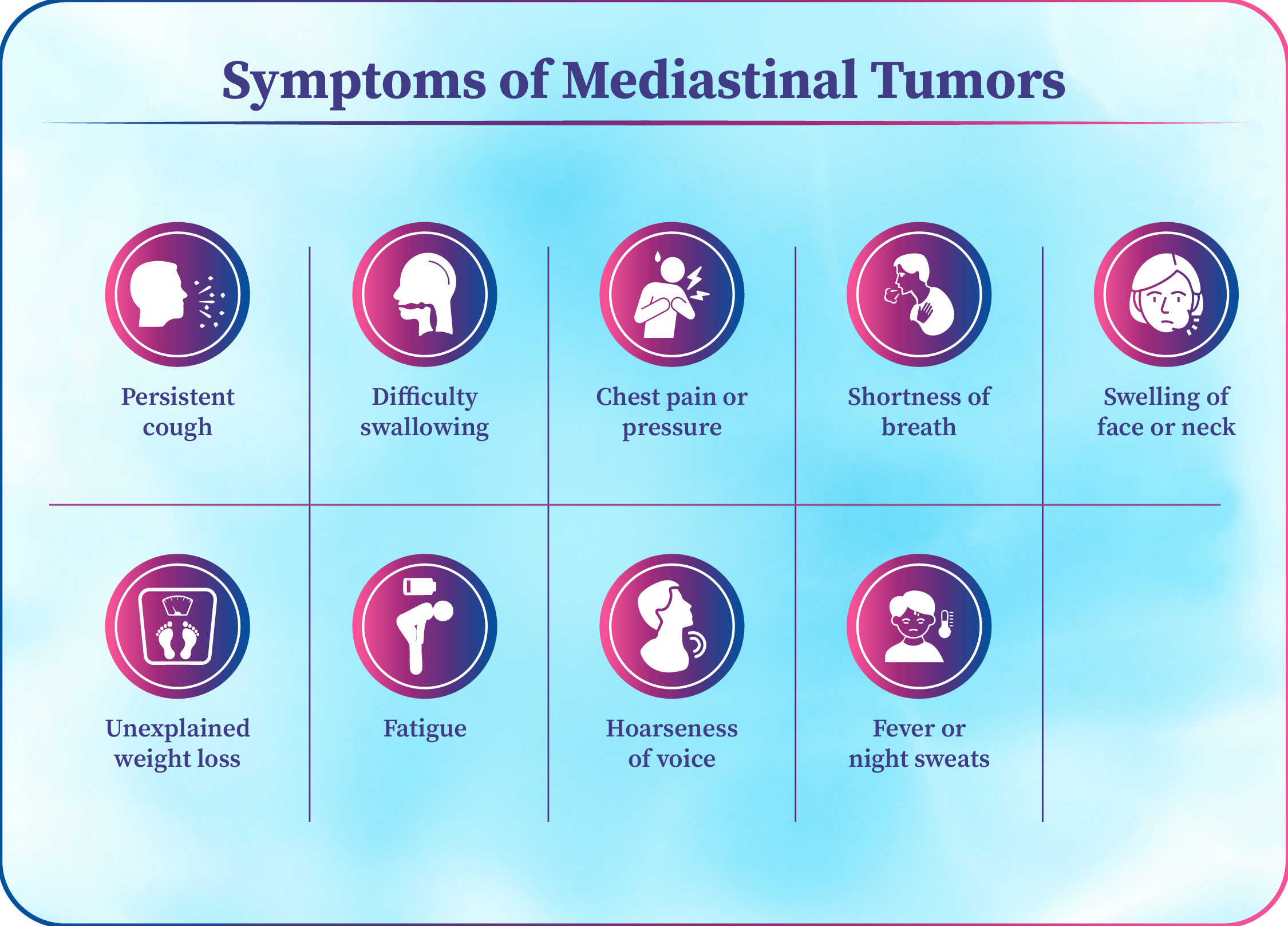
Many patients have no symptoms in early stages. As the tumor grows, symptoms may include:
Chest pain or pressure
Persistent cough
Shortness of breath
Difficulty swallowing
Hoarseness of voice
Swelling of face or neck
Fever or night sweats
Fatigue
Weight loss
These symptoms are often mistaken for lung or heart problems. Early diagnosis improves outcomes.
Diagnosis of Mediastinal Tumors
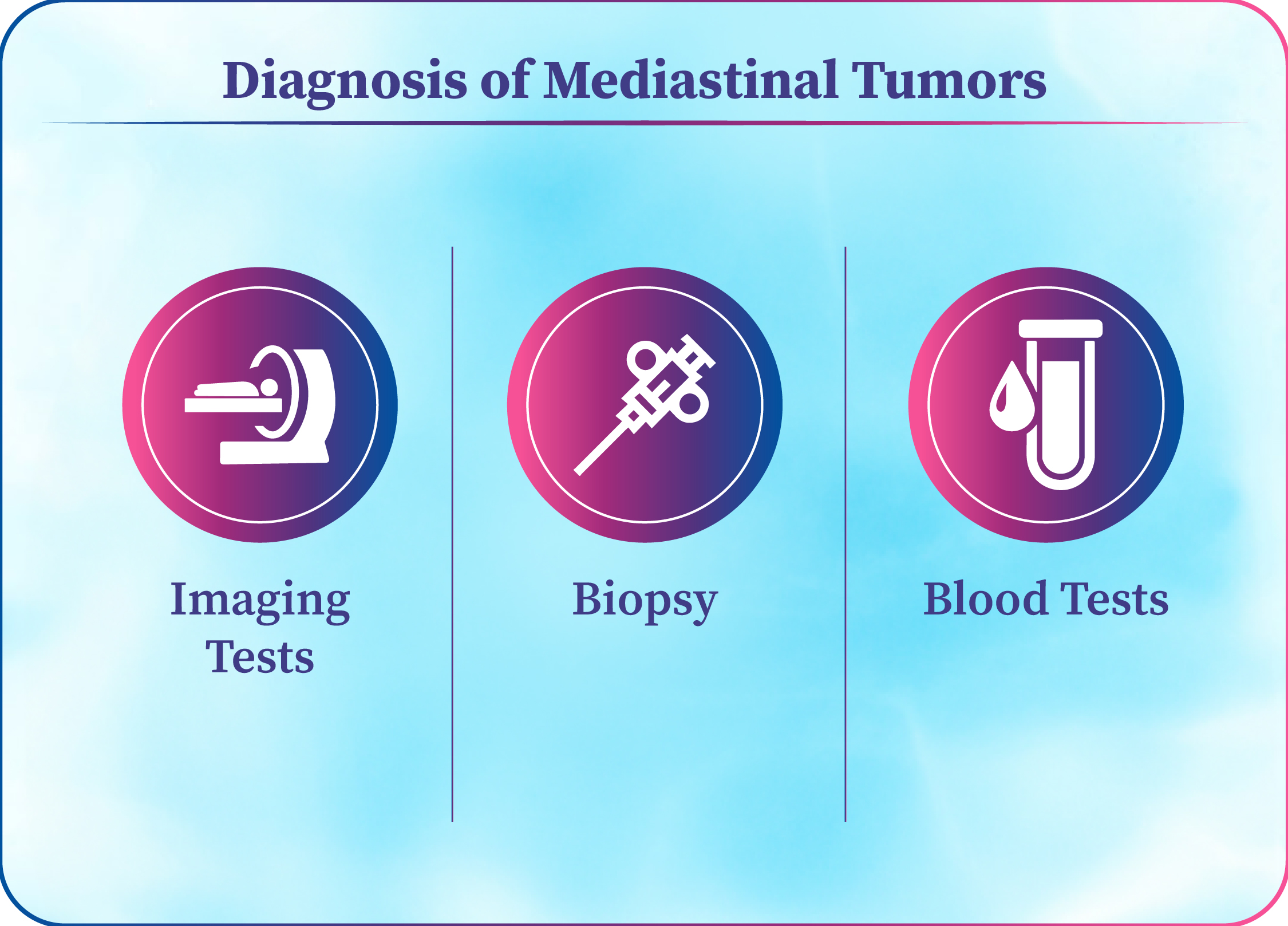
Accurate diagnosis is essential for proper treatment planning. Under the care of Dr. Rajesh Shinde, the diagnostic process may include:
Imaging Tests
Chest X-ray
CT scan
MRI scan
PET scan
These tests show the size, location, and spread of the tumor.
Biopsy A small tissue sample is taken to confirm whether the tumor is cancerous and determine its type. Methods include:
CT-guided biopsy
Endoscopic biopsy
Surgical biopsy
Blood Tests: Some tumors release tumor markers that help in diagnosis.
Treatment of Mediastinal Tumors
Treatment depends on:
Tumor type
Size and location
Stage
Patient’s age and health
Dr. Rajesh Shinde offers a multidisciplinary approach, combining surgery, chemotherapy, radiation, and targeted therapy.
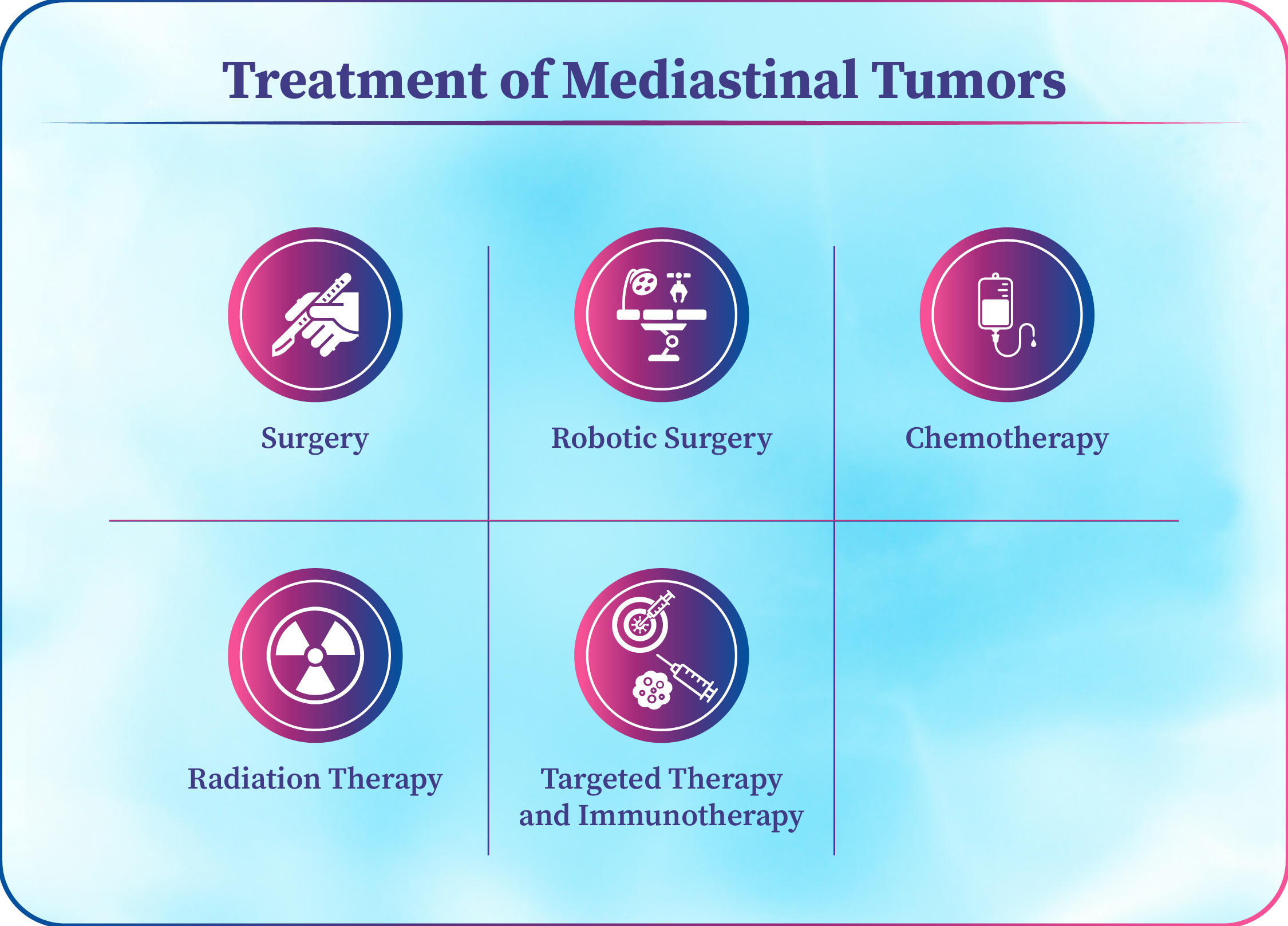
Surgery for Mediastinal Tumors: Surgery is the main treatment for many mediastinal tumors, especially when the tumor is localized. Goals of Surgery
Complete removal of tumor
Relief of pressure on organs
Prevention of spread
Long-term cure
Types of surgical approaches:
Open chest surgery
Video-assisted thoracic surgery (VATS)
Robotic Surgery for Mediastinal Tumors: Robotic surgery is a modern, minimally invasive technique that offers greater precision and safety. Benefits of Robotic Surgery:
Small incisions
Less pain
Less blood loss
Faster recovery
Shorter hospital stay
Better visibility for surgeon
Precise tumor removal
Robotic surgery is especially useful for:
Thymic tumors
Small to medium mediastinal tumors
Tumors near vital structures
Dr. Rajesh Shinde is trained in advanced robotic surgical techniques and selects robotic surgery when it offers the best outcome for the patient.
Chemotherapy for Mediastinal Tumors: Chemotherapy uses medicines to kill cancer cells or stop their growth. It may be used:
Before surgery (to shrink tumor)
After surgery (to reduce recurrence risk)
As main treatment when surgery is not possible
Chemotherapy is commonly used for:
Lymphoma
Germ cell tumors
Advanced thymic cancer
Radiation Therapy: Radiation therapy uses high-energy rays to destroy cancer cells. It may be used:
After surgery
Along with chemotherapy
For symptom relief
Advanced radiation techniques reduce damage to nearby organs like the heart and lungs.
Targeted Therapy and Immunotherapy:Some mediastinal tumors respond to targeted medicines that attack cancer cells specifically.Immunotherapy helps the body’s immune system fight cancer.These therapies are selected based on tumor type and genetic markers
Recovery After Treatment
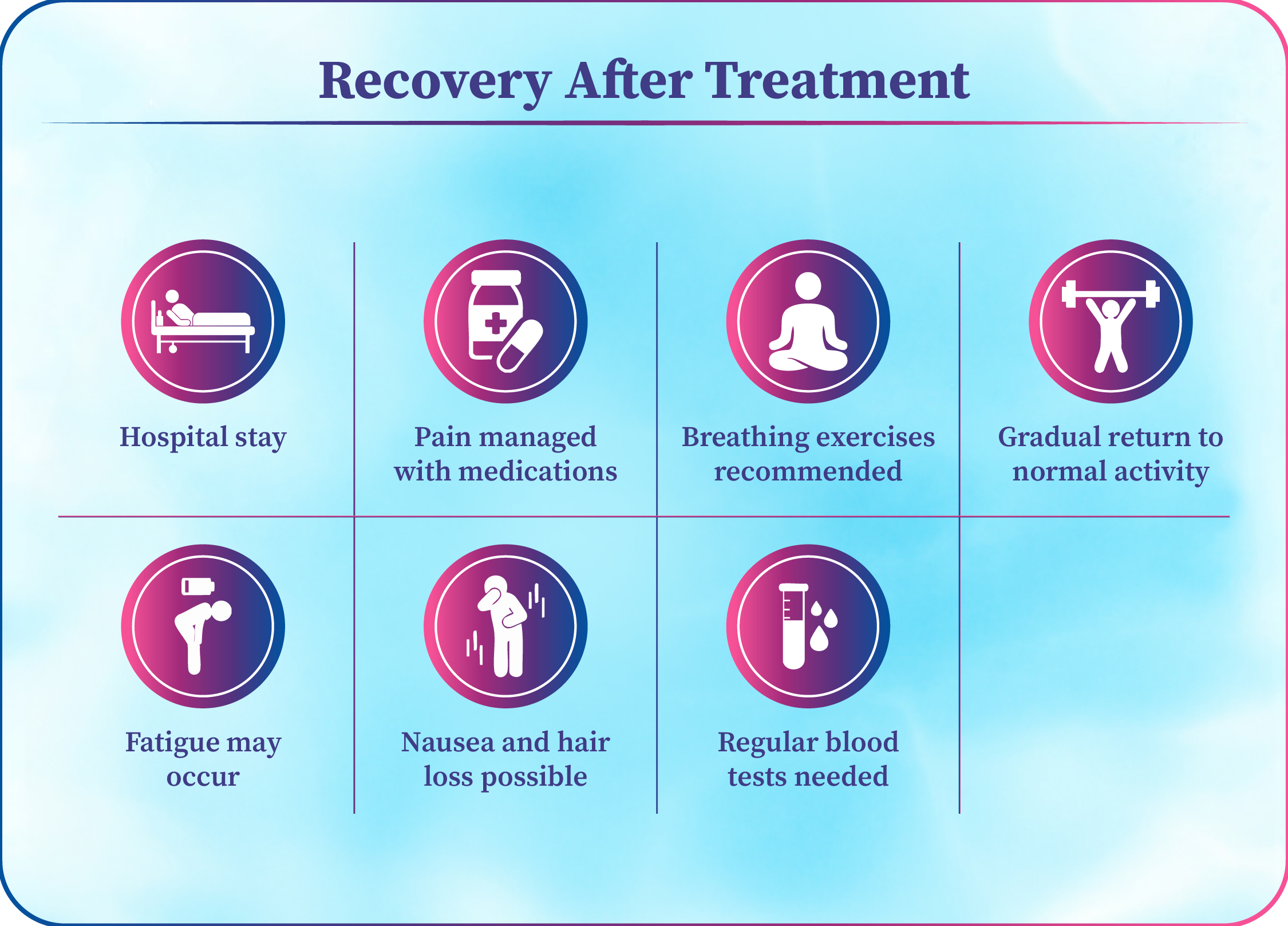
Recovery depends on treatment type:
After Surgery
Hospital stay: 3–7 days
Pain managed with medications
Breathing exercises recommended
Gradual return to normal activity
After Chemotherapy/Radiation:
Fatigue may occur
Nausea and hair loss possible
Regular blood tests needed
Patients are guided through recovery with a personalized rehabilitation plan.
Follow-Up Care
Long-term follow-up is important to:
Detect recurrence early
Monitor lung and heart function
Manage side effects
Follow-up includes:
CT scans
Blood tests
Physical examination
Why Choose Dr. Rajesh Shinde for Mediastinal Tumor Treatment?
Extensive experience in thoracic and cancer surgery
Expertise in minimally invasive and robotic surgery
Personalized treatment planning
Multidisciplinary cancer care
Focus on safety and long-term results
Compassionate patient support
Patients trust Dr. Rajesh Shinde for his skill, honesty, and patient-centered approach.
Lifestyle and Support During Treatment
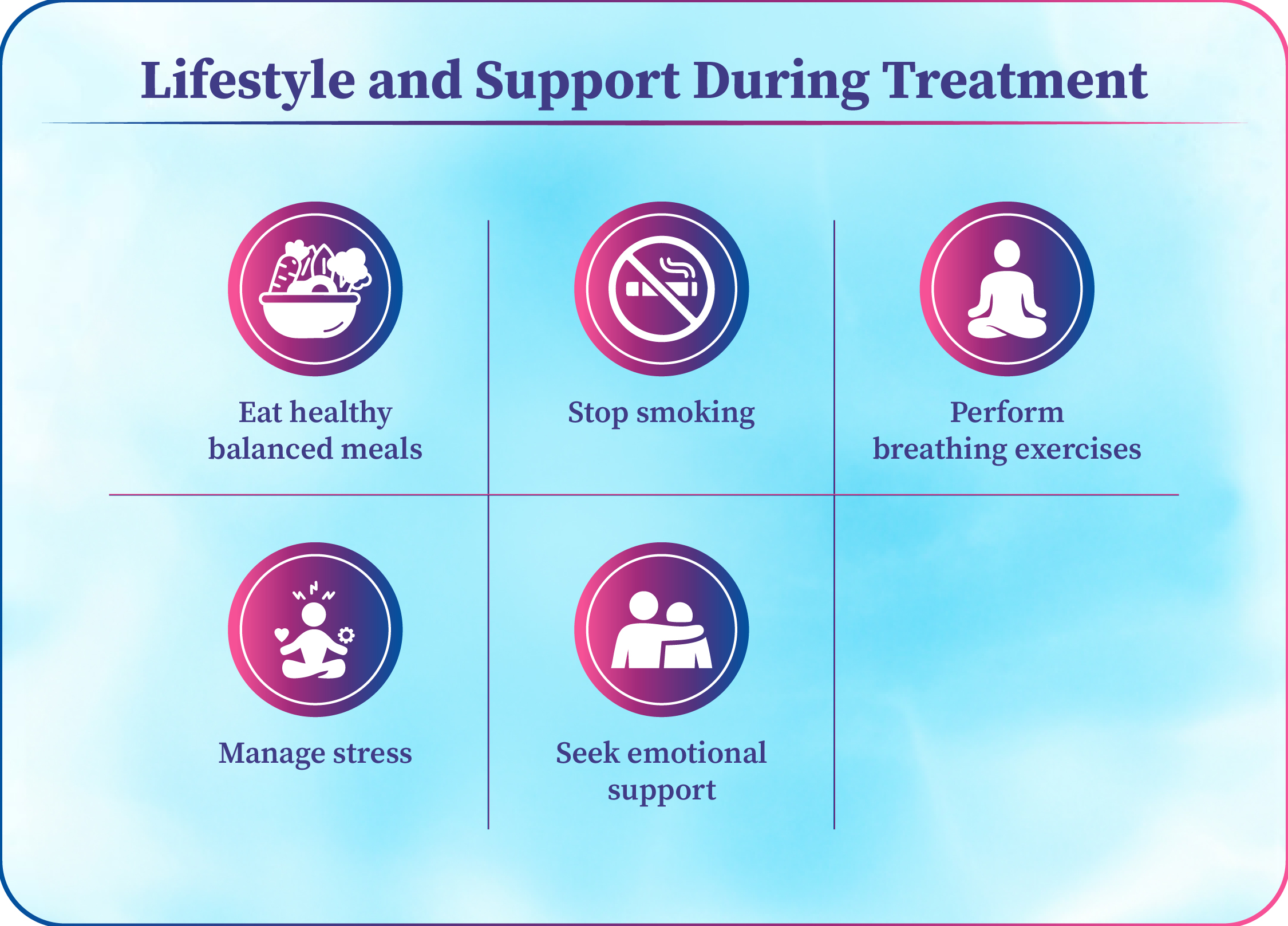
Patients are advised to:
Eat healthy balanced meals
Stop smoking
Perform breathing exercises
Manage stress
Seek emotional support
Support groups and counseling are available for patients and families.
Book a Consultation:
If you or your loved one has been diagnosed with a mediastinal tumor or has symptoms like chest pain or breathing difficulty, early evaluation is important.
Consult Dr. Rajesh Shinde for:
Accurate diagnosis
Advanced treatment
Robotic surgery options
Long-term care
Early treatment saves lives.
Faq's