Pancreatic Cancer Treatment
Pancreatic cancer is one of the most serious and challenging cancers, mainly because it is often detected late and can spread quickly. The pancreas is a small but very important organ located behind the stomach. It helps in digestion and controls blood sugar by producing insulin. When cancer develops in the pancreas, it can affect both digestion and overall health.
Pancreatic cancer is treated with a combination of early diagnosis, advanced imaging, expert surgical care, chemotherapy, radiation therapy, and modern techniques like robotic surgery. Under the guidance of Dr. Rajesh Shinde, patients receive personalized, evidence-based treatment aimed at improving survival and quality of life.
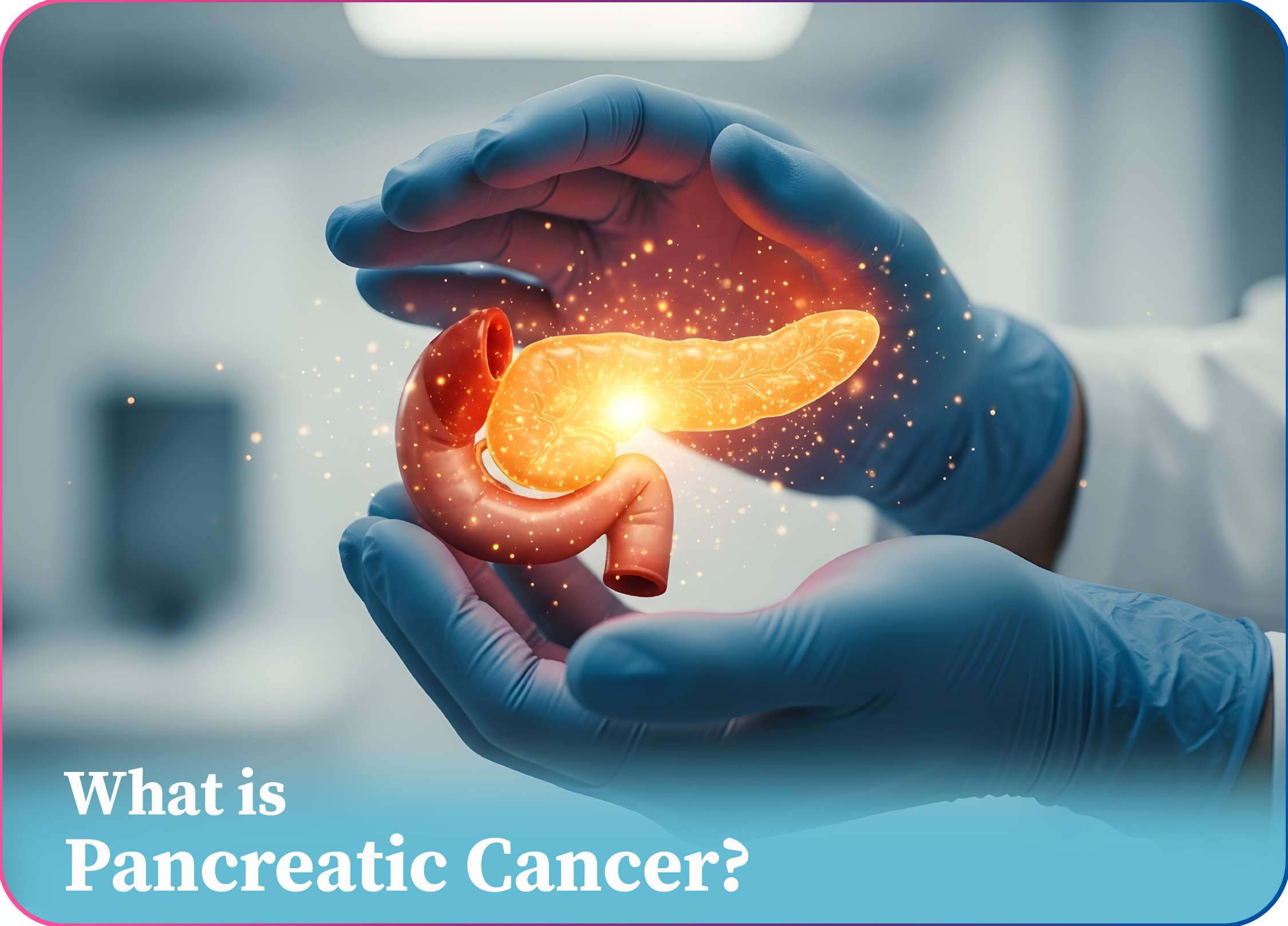
What Is Pancreatic Cancer?
Pancreatic cancer starts when abnormal cells in the pancreas grow uncontrollably and form a tumor. The most common type is adenocarcinoma, which begins in the ducts that carry digestive juices. Other rare types include neuroendocrine tumors.
Because the pancreas is deep inside the body, early-stage pancreatic cancer usually does not cause clear symptoms. Many patients are diagnosed only after the cancer has grown or spread, which makes treatment more complex.
Why Is Pancreatic Cancer Dangerous?
Pancreatic cancer is dangerous because:
It grows silently in the early stages.
Symptoms appear late
It spreads quickly to nearby organs like the liver and intestines.
It affects digestion and blood sugar control
It is resistant to treatment in advanced stages.
However, with modern medicine, early detection and advanced surgical techniques like robotic pancreatic surgery can significantly improve outcomes.
Types of Surgery for Pancreatic Cancer
Whipple Procedure (Pancreaticoduodenectomy): Removal of the head of the pancreas, gallbladder, bile duct, and part of intestine.
Distal Pancreatectomy: Removal of the tail and body of the pancreas.
Total Pancreatectomy: Removal of the entire pancreas (rare cases).
These surgeries can be done using open, laparoscopic, or robotic techniques depending on case complexity.
Stages of Pancreatic Cancer
Pancreatic cancer is classified into stages based on size and spread:
Stage 1: Cancer is limited to the pancreas
Stage 2: Spread to nearby tissues or lymph nodes
Stage 3: Involves major blood vessels
Stage 4: Spread to distant organs like liver or lungs
Treatment options depend heavily on the stage of the disease.
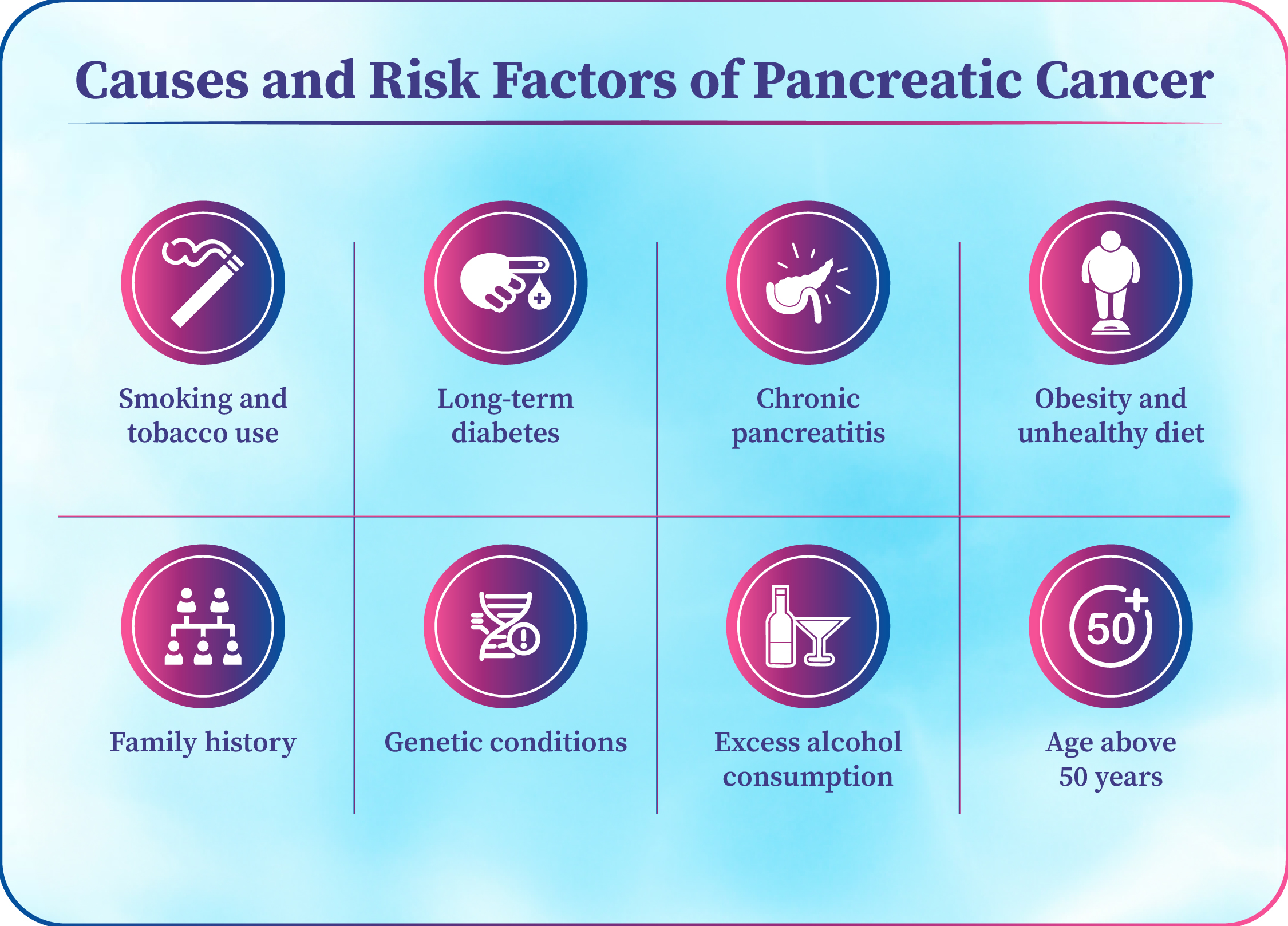
Causes and Risk Factors of Pancreatic Cancer
There is no single cause of pancreatic cancer, but several risk factors increase the chance of developing it.
Common risk factors include:
Smoking and tobacco use
Long-term diabetes
Chronic pancreatitis (long-standing inflammation of the pancreas)
Obesity and unhealthy diet
Family history of pancreatic cancer
Genetic conditions
Excess alcohol consumption
Age above 50 years
People with these risk factors should be alert to symptoms and seek medical advice early.
Early Signs and Symptoms of Pancreatic Cancer
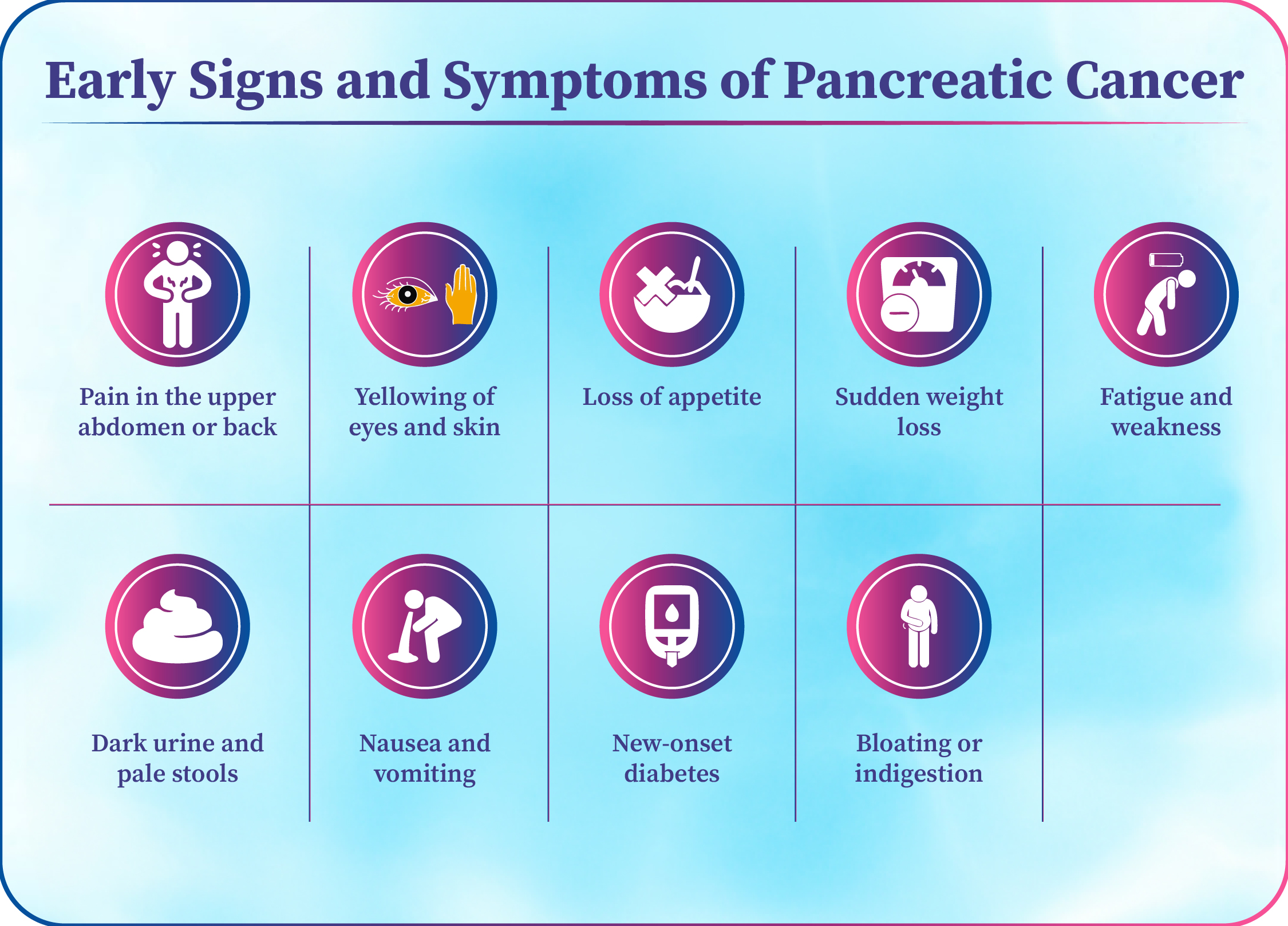
Symptoms depend on the location of the tumor and the stage of the disease. Early symptoms are often mild and ignored.
Common symptoms include:
Pain in the upper abdomen or back
Yellowing of eyes and skin (jaundice)
Loss of appetite
Sudden weight loss
Fatigue and weakness
Dark urine and pale stools
Nausea and vomiting
New-onset diabetes
Bloating or indigestion
If these symptoms persist for more than two weeks, medical evaluation is strongly recommended.
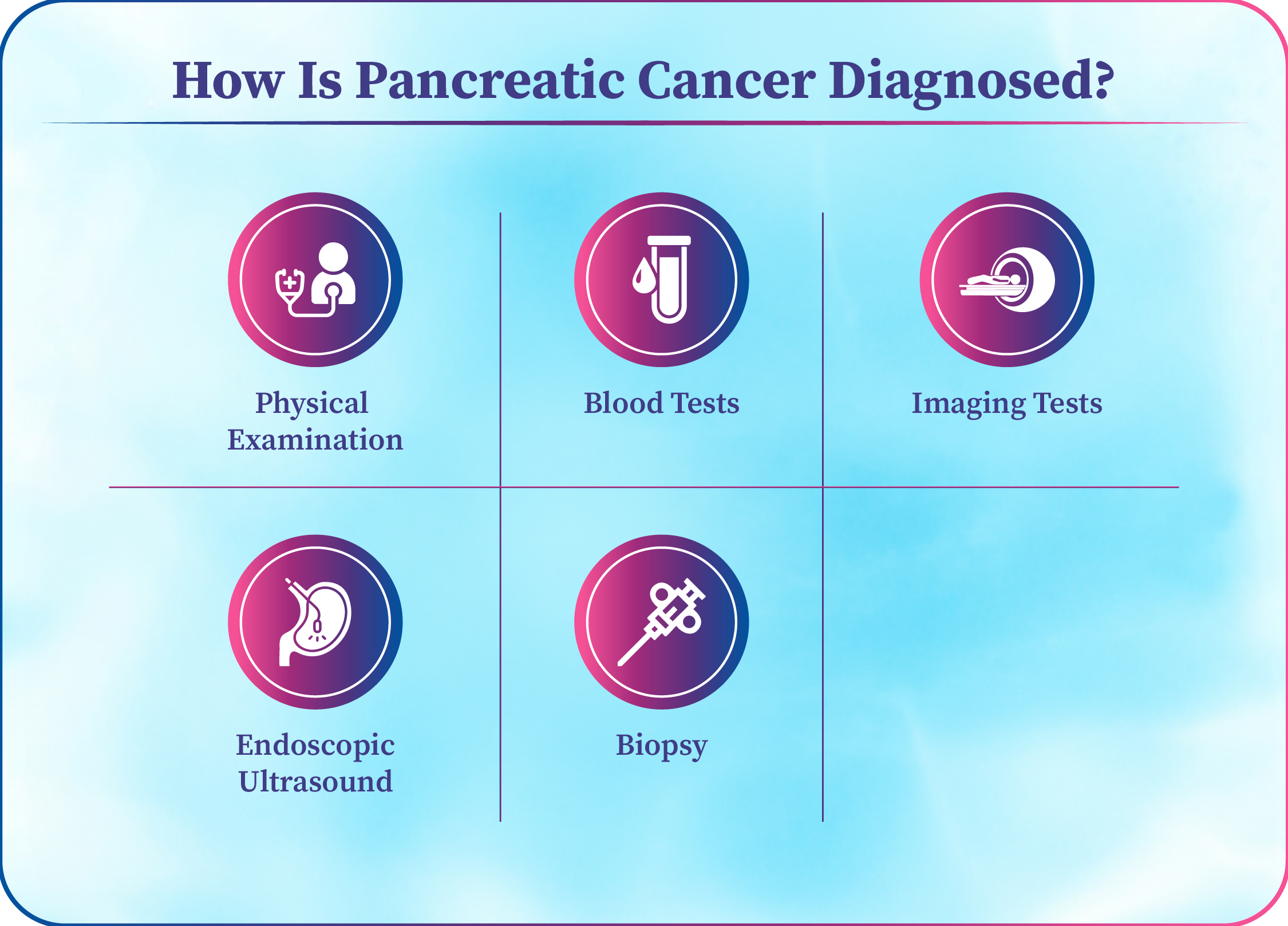
How Is Pancreatic Cancer Diagnosed?
Diagnosis of pancreatic cancer requires a combination of tests and scans.
Medical History and Physical Examination The doctor evaluates symptoms, medical history and family history.
Blood Tests Tumor markers such as CA 19-9 may help in diagnosis and monitoring treatment response.
Imaging Tests CT scan, MRI, PET scan, and ultrasound help locate the tumor and check spread
Endoscopic Ultrasound (EUS): A thin tube with a camera is passed through the mouth to view the pancreas closely.
Biopsy A small tissue sample is taken and examined under a microscope to confirm cancer.
Treatment Options for Pancreatic Cancer
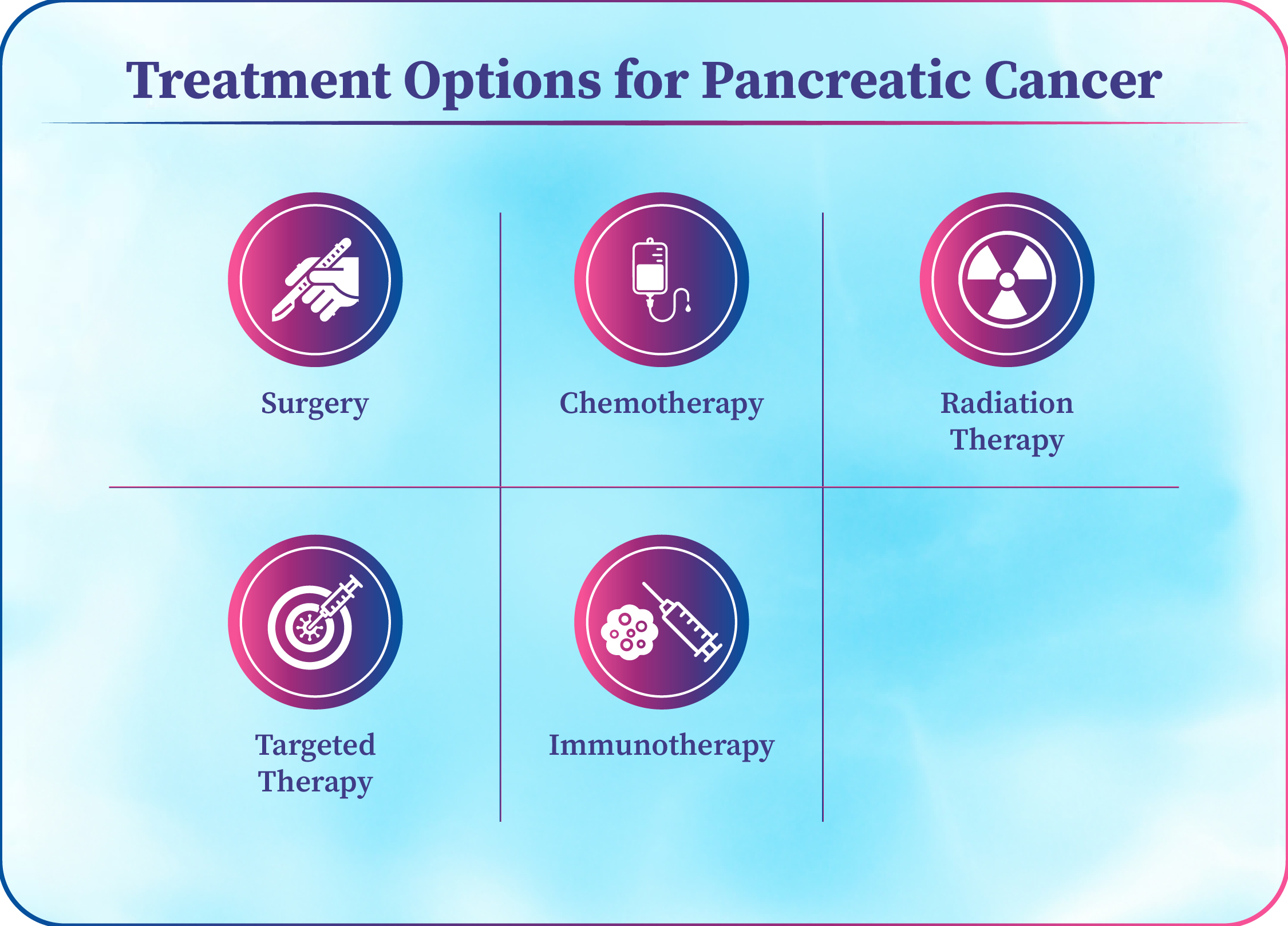
Treatment depends on:
Stage of cancer
Patient’s age and health
Location of tumor
Whether surgery is possible
Treatment usually includes a combination of:
Surgery: Surgery is the only potential cure for pancreatic cancer. It is suitable for early-stage disease.
Chemotherapy: Medicines are used to kill cancer cells or slow their growth.
Radiation Therapy: High-energy rays destroy cancer cells and shrink tumors.
Targeted Therapy: Specific drugs target cancer cell proteins.
Immunotherapy: Helps the immune system fight cancer in selected cases.
Robotic Surgery for Pancreatic Cancer
Robotic surgery is a modern, minimally invasive technique used to remove pancreatic tumors with high precision. It uses robotic arms controlled by the surgeon through a console.
Advantages of Robotic Surgery:
Smaller cuts and less pain
Better visibility for the surgeon
Less blood loss
Faster recovery
Shorter hospital stay
Lower risk of infection
More precise tumor removal
Robotic surgery is especially useful for:
Early-stage pancreatic cancer
Distal pancreatectomy
Complex tumor locations
Under the expertise of Dr. Rajesh Shinde, robotic pancreatic cancer surgery is performed using advanced systems to ensure safety and accuracy.
Life After Pancreatic Cancer Surgery
Recovery after pancreatic surgery takes time and requires proper care.
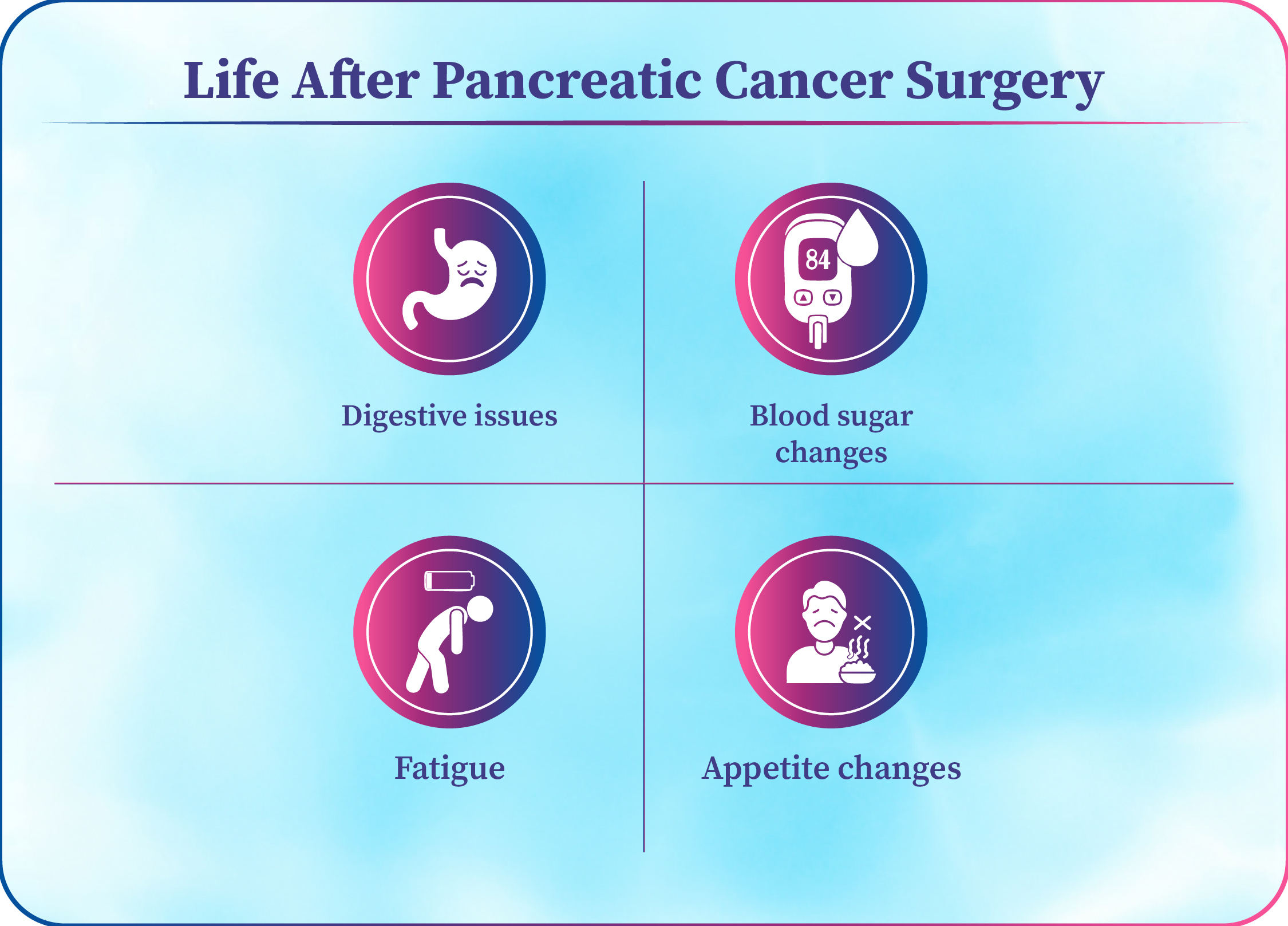
Patients may experience:
Digestive issues
Blood sugar changes
Fatigue
Appetite changes
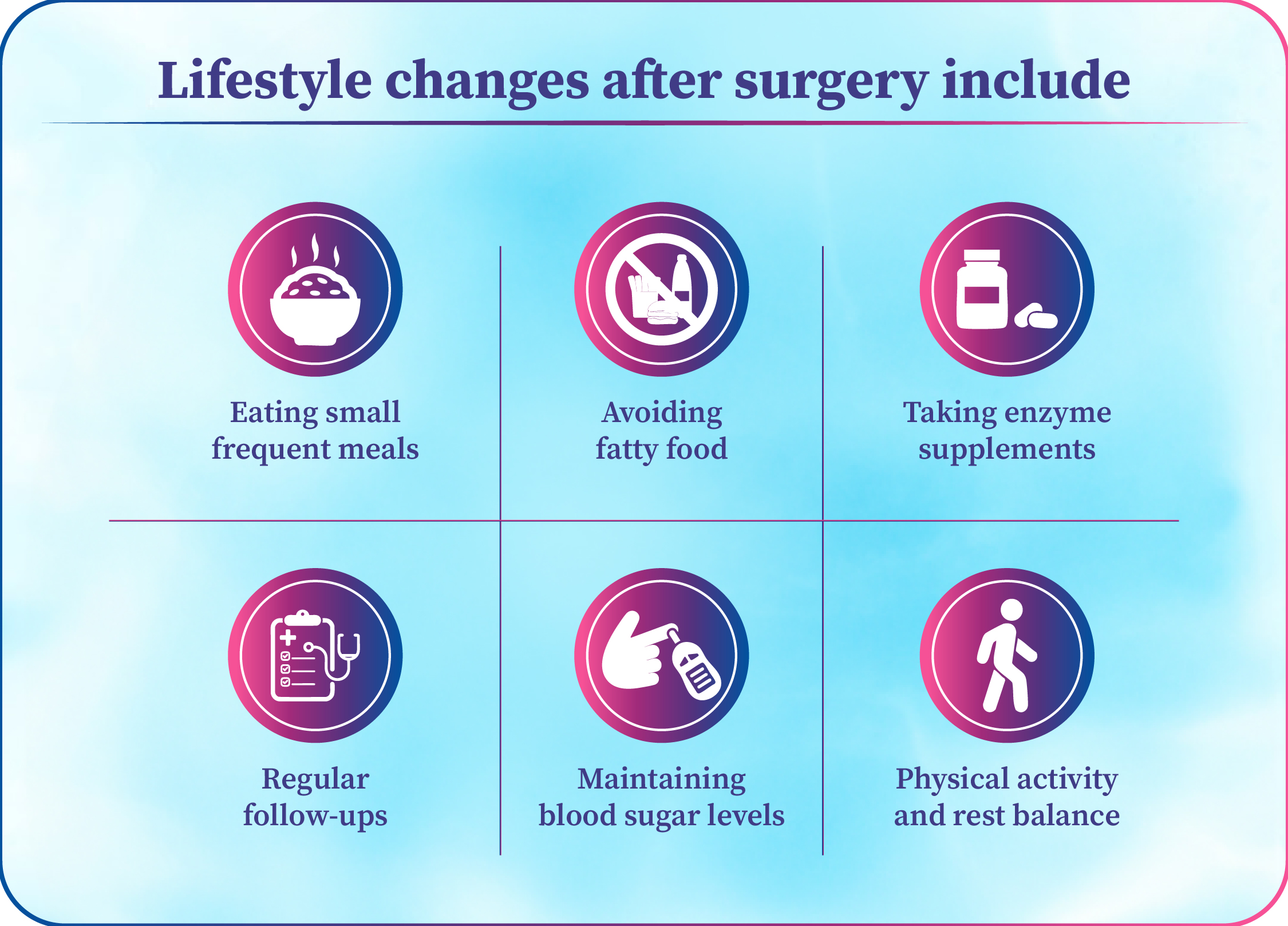
Lifestyle changes after surgery include:
Eating small frequent meals
Avoiding fatty food
Taking enzyme supplements
Regular follow-ups
Maintaining blood sugar levels
Physical activity and rest balance
Importance of Early Detection
Early detection increases survival chances significantly. People with family history or long-term diabetes should consider regular screening.
Warning signs should never be ignored.
Why Choose Dr. Rajesh Shinde for Pancreatic Cancer Treatment?
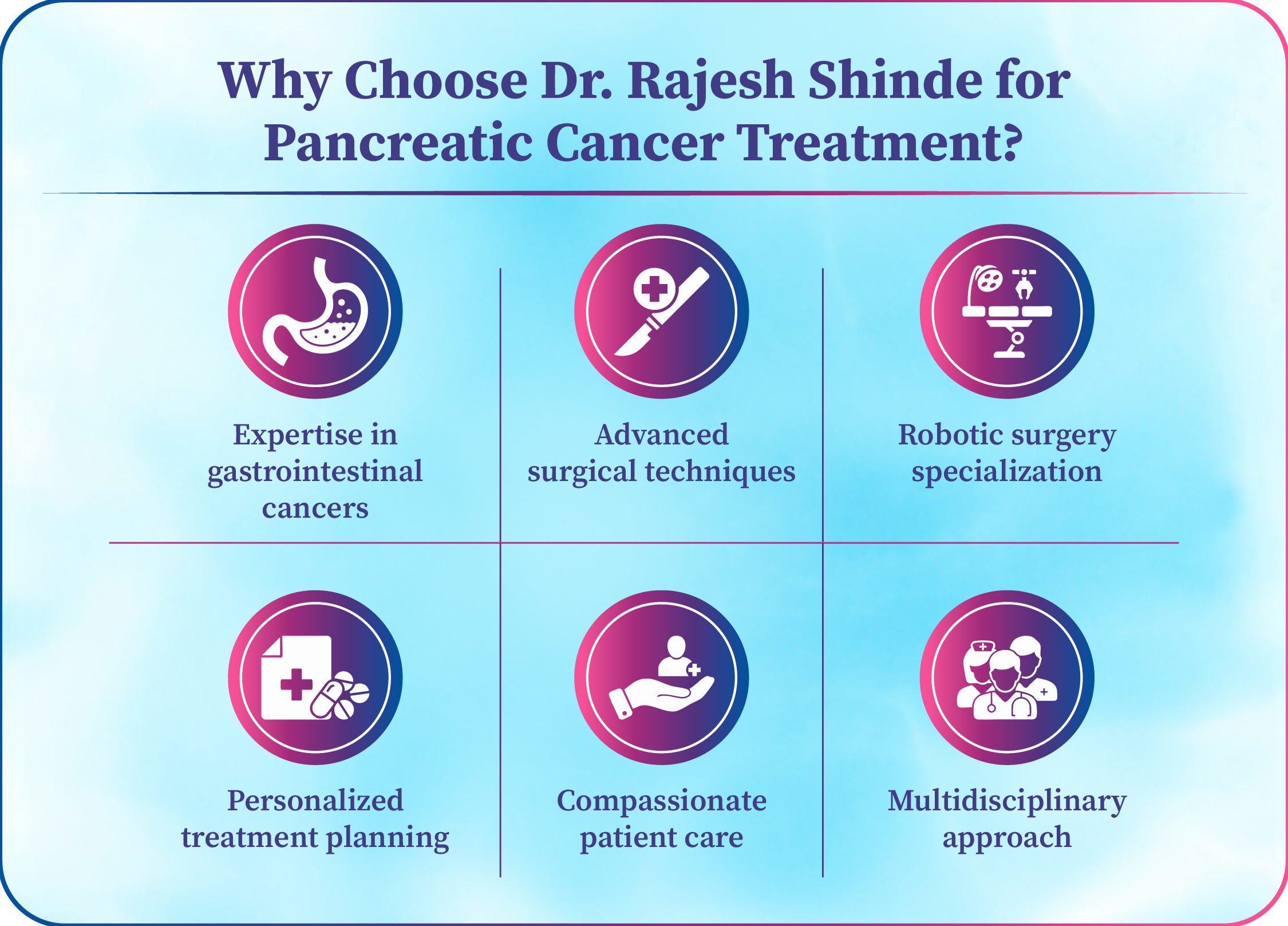
Dr. Rajesh Shinde is known for:
Expertise in gastrointestinal cancers
Advanced surgical techniques
Robotic surgery specialization
Personalized treatment planning/p>
Compassionate patient care
Multidisciplinary approach
He focuses on:
Accurate diagnosis
Complete tumor removal
Preserving quality of life
Long-term monitoring
Patients trust him as one of the leading pancreatic cancer specialists in Mumbai
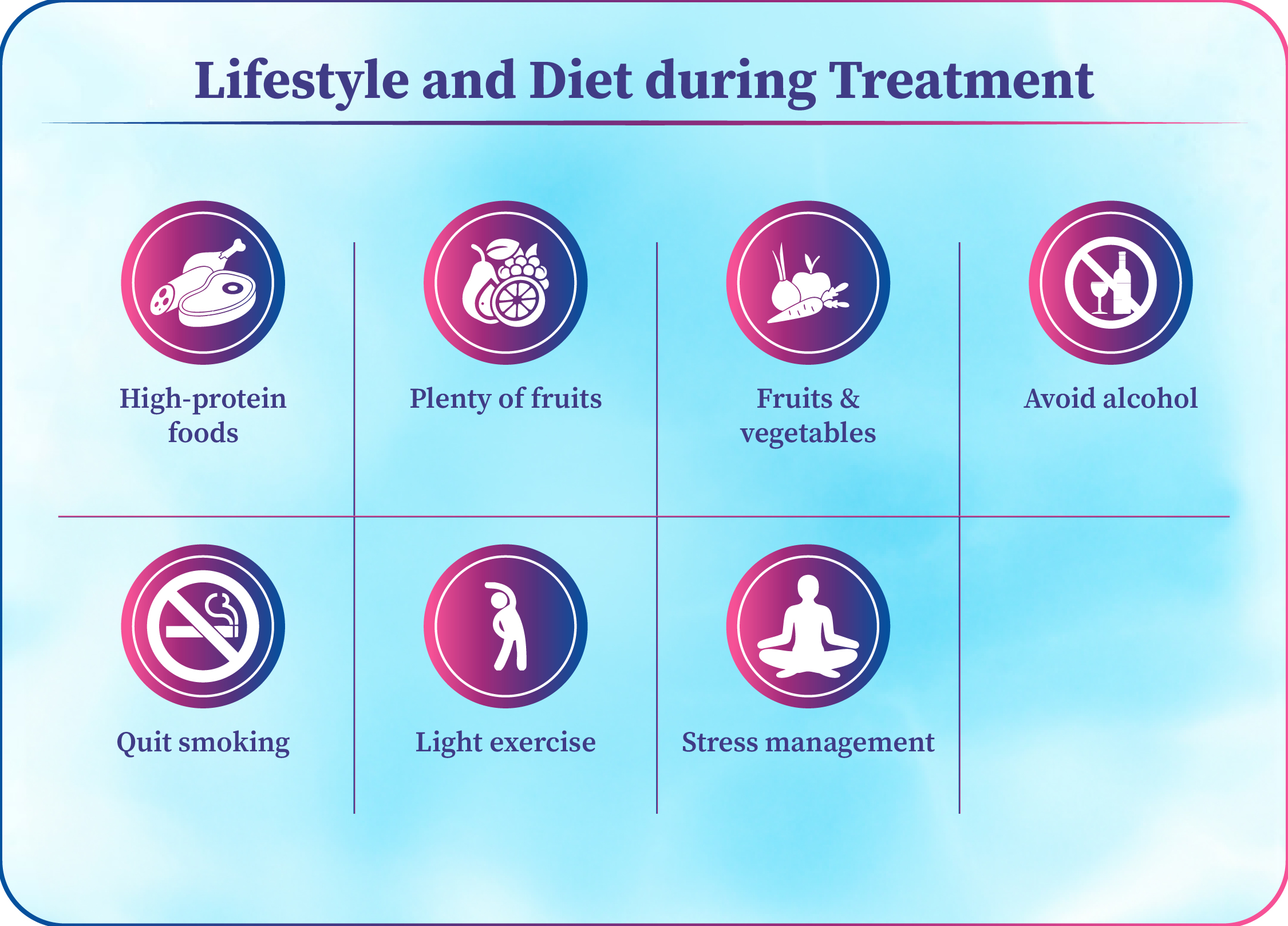
Lifestyle and Diet during Treatment
Good nutrition improves treatment tolerance.
Recommended habits:
High-protein foods
Plenty of fruits
Fruits & vegetables
Avoid alcohol
Quit smoking
Light exercise
Stress management
Support groups and counseling are available for patients and families.
Emotional and Psychological Support
Pancreatic cancer affects mental health as much as physical health. Support groups, counseling, and family support are crucial.
Prognosis of Pancreatic Cancer:
Survival depends on:
Stage of diagnosis
Treatment response
Overall health
Surgical success
Early-stage cancer treated surgically has better outcomes.
Robotic surgery is changing pancreatic cancer treatment by offering better precision and faster recovery. Combined with chemotherapy and radiation, it offers new hope even for complex cases.
With expert care by Dr. Rajesh Shinde, patients benefit from modern technology and compassionate treatment under one roof.
Pancreatic cancer is a serious disease, but modern medical advances like robotic surgery, targeted therapies, and personalized treatment plans have significantly improved patient outcomes. With early detection, expert surgical care, and proper follow-up, many patients can achieve longer survival and better quality of life.
Under the leadership of Dr. Rajesh Shinde, pancreatic cancer treatment is delivered with precision, compassion, and advanced technology. If you or your loved one has symptoms or risk factors, early consultation can make a life-saving difference.
Faq's