Retroperitoneal Tumor Cancer Treatment
Retroperitoneal tumors are rare growth that develop deep inside the abdomen, behind the organs like kidneys, pancreas, and intestine. Because they grow silently and remain hidden for a long time, they are often diagnosed late. Early diagnosis and expert surgical care are crucial for successful treatment.
Dr. Rajesh Shinde, an experienced cancer surgeon, offers advanced diagnosis and personalized treatment for retroperitoneal tumors using modern surgical techniques, including robotic surgery, ensuring better outcomes and faster recovery for patients.
If you or your loved one has been diagnosed with a retroperitoneal tumor, timely consultation specialist like Dr. Rajesh Shinde can make a life-saving difference.

What is a Retroperitoneal Tumor?
The retroperitoneum is the area in the back of the abdomen that contains vital organs such as:
Kidneys
Pancreas
Adrenal glands
Major blood vessels
Parts of the intestines
A retroperitoneal tumor is an abnormal growth that develops in this space. These tumors can be:
Benign (non-cancerous)
Malignant (cancerous)
Because this area has a lot of empty space, tumors can grow large before causing symptoms, which makes early detection difficult.
Staging of Retroperitoneal Tumors
Staging means finding how advanced the cancer is:
Stage 1: Small tumor, localized
Stage 2: Larger tumor, no spread.
Stage 3: Invasion into nearby organs
Stage 4: Spread to distant organs
Treatment depends on the stage and overall health of the patient.
Causes of Retroperitoneal Tumors
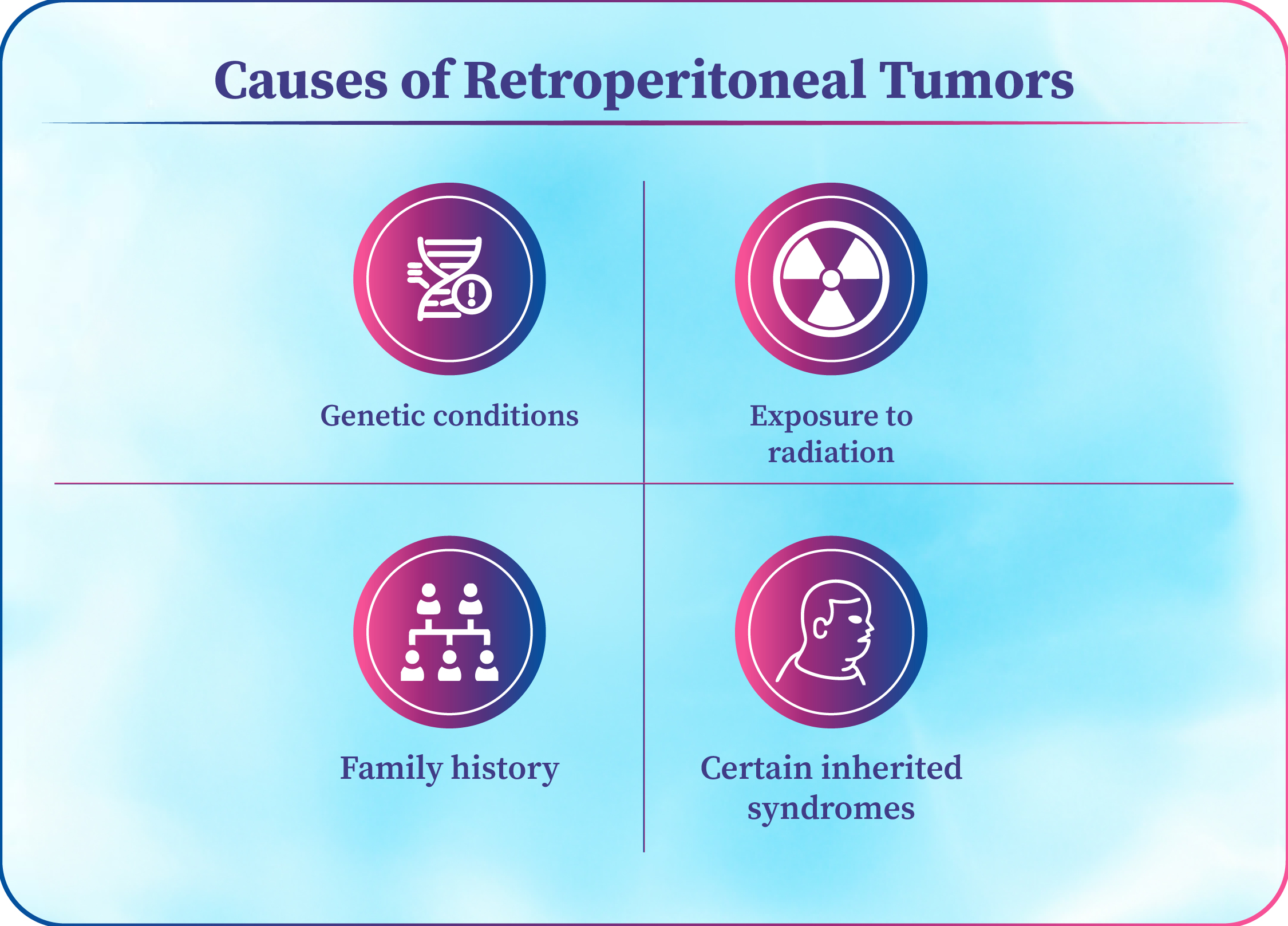
In most cases, the exact cause is unknown. However, some possible risk factors include:
Genetic conditions
Exposure to radiation
Family history of cancer
Certain inherited syndromes
Even healthy individuals with no known risk factors can develop retroperitoneal tumors.
Symptoms of Retroperitoneal Tumor Cancer
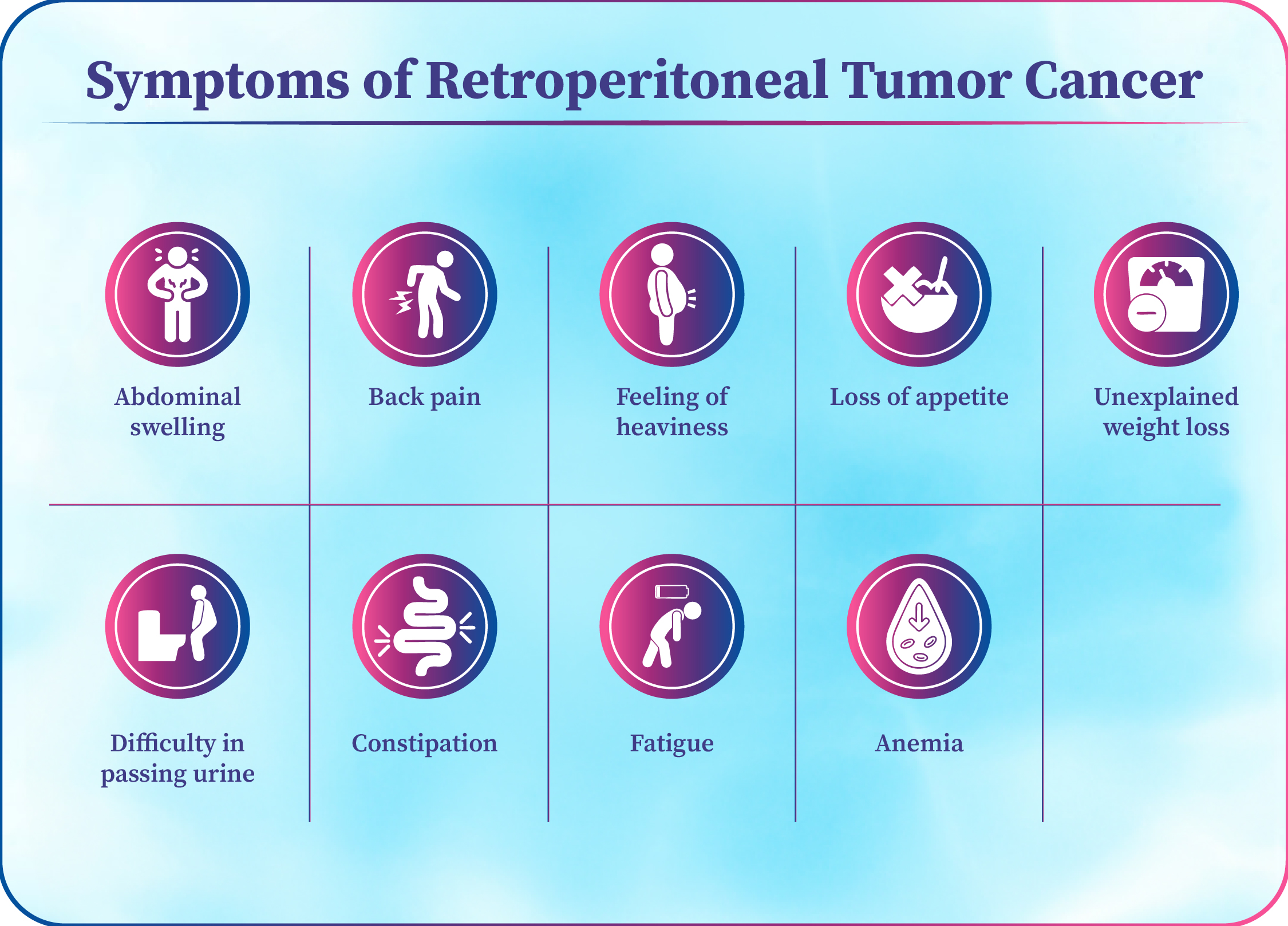
Symptoms usually appear late and may include:
Abdominal swelling
Back pain
Feeling of heaviness
Loss of appetite
Unexplained weight loss
Difficulty in passing urine
Constipation
Fatigue
Anemia
Many patients ignore these signs, assuming they are normal digestive problems. This delay can allow the tumor to grow bigger.
Diagnosis of Retroperitoneal Tumors
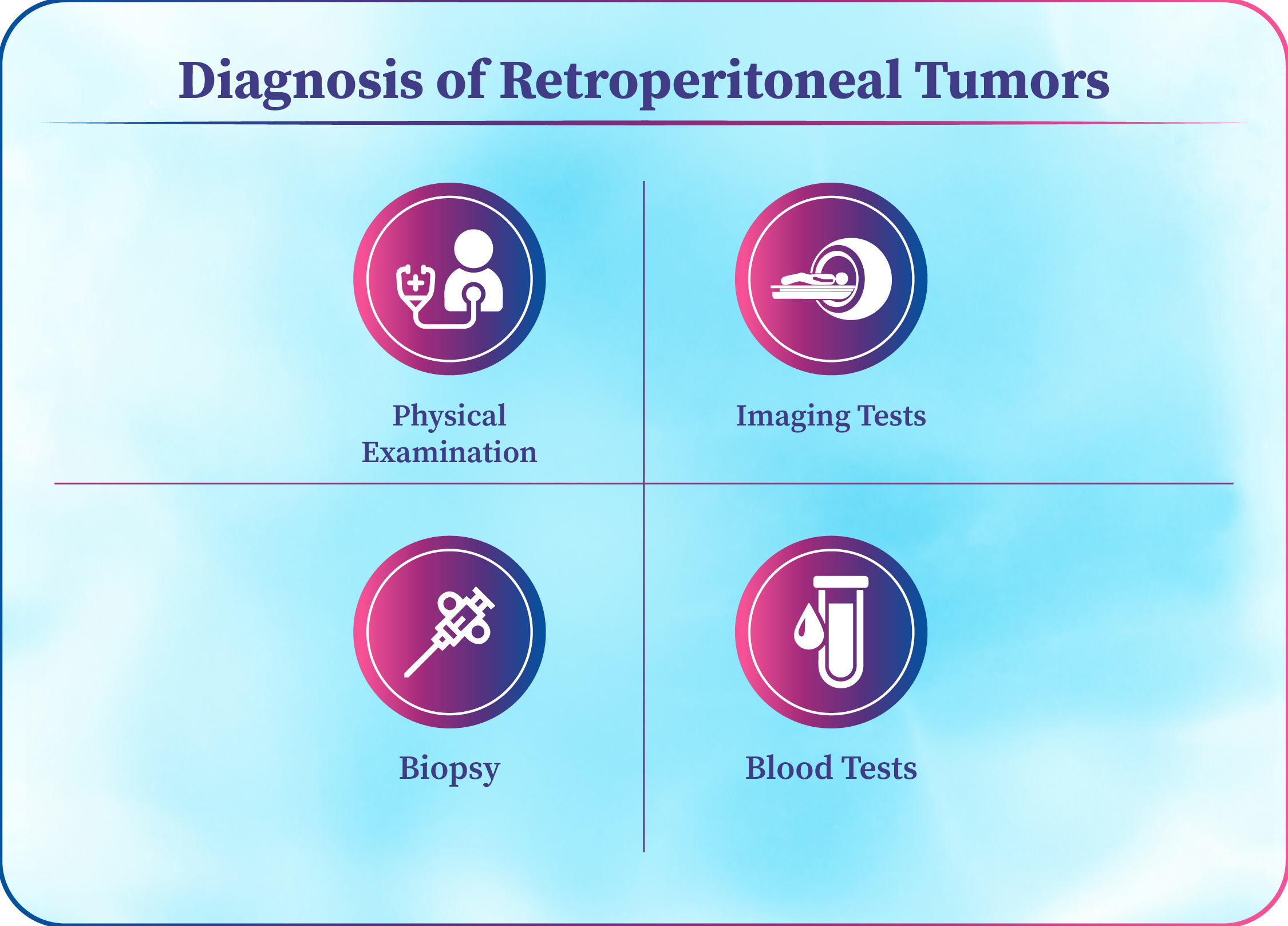
Dr. Rajesh Shinde follows a step-by-step diagnostic approach:
Physical Examination: Checking for swelling or mass.
Imaging Tests:
Ultrasound
CT Scan
MRI
PET Scan
These tests help determine:
Size of tumor
Location
Spread to nearby organs
Biopsy: A small tissue sample is taken to confirm
Whether it is cancer
Tumor type
Aggressiveness
Blood Tests: To assess organ function and tumor markers.
Treatment Options for Retroperitoneal Tumors
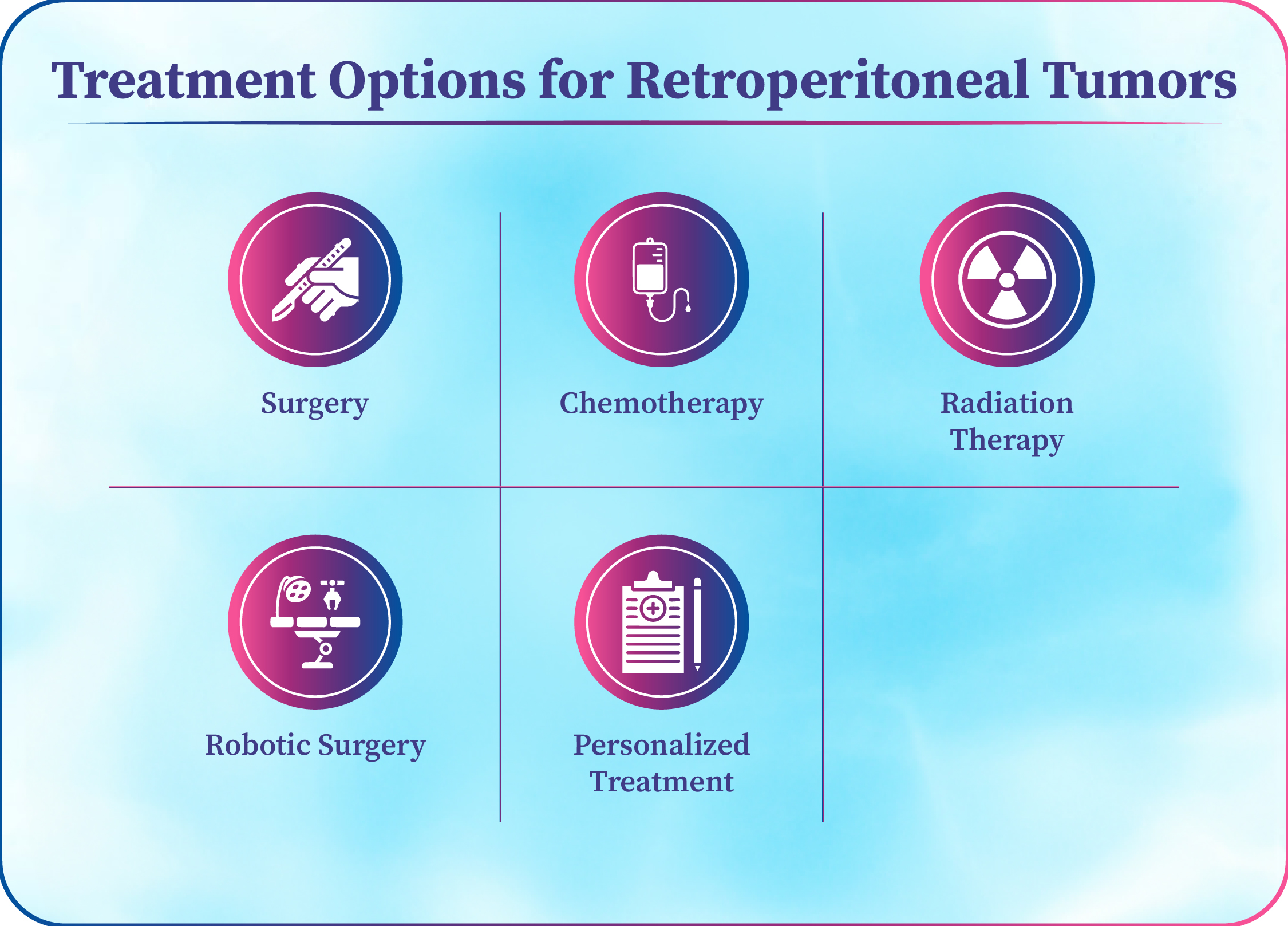
Treatment is planned by Dr. Rajesh Shinde using a multidisciplinary approach that includes surgery, chemotherapy, and radiotherapy when needed.
The main aim is to remove the tumor completely while preserving normal bowel and bladder function whenever possible.
Surgery is the most important and effective treatment for most retroperitoneal tumors. Goals of Surgery:
Remove the tumor completely
Preserve nearby organs
Prevent recurrence
Because these tumors grow near vital organs and blood vessels, surgery must be performed by an experienced cancer surgeon like Dr. Rajesh Shinde.
Robotic Surgery for Retroperitoneal Tumors: Robotic surgery is a modern and advanced technique used to remove retroperitoneal tumors with high precision. Benefits of Robotic Surgery:
Smaller incisions
Less blood loss
Better visualization
More precise tumor removal
Less pain
Faster recovery
Shorter hospital stay
Better cosmetic results
Dr. Rajesh Shinde uses robotic surgery for suitable cases of retroperitoneal tumor cancer to improve safety and outcomes.
Chemotherapy for Retroperitoneal Tumors: Chemotherapy may be used:
Before surgery (to shrink tumor)
After surgery (to prevent recurrence)
For advanced stages
It uses drugs to destroy cancer cells.
Radiation Therapy: Radiation may be used:
Before surgery
After surgery
When surgery is not possible
It helps control tumor growth and relieve symptoms
Personalized Treatment by Dr. Rajesh Shinde: Every patient is different. Dr. Rajesh Shinde creates customized treatment plans based on:
Tumor size
Tumor type
Stage
Age
Overall health
This ensures the best chance of cure and long-term survival.
Recovery After Retroperitoneal Tumor Surgery
Recovery depends on:
Surgery type
Tumor size
Patient’s health
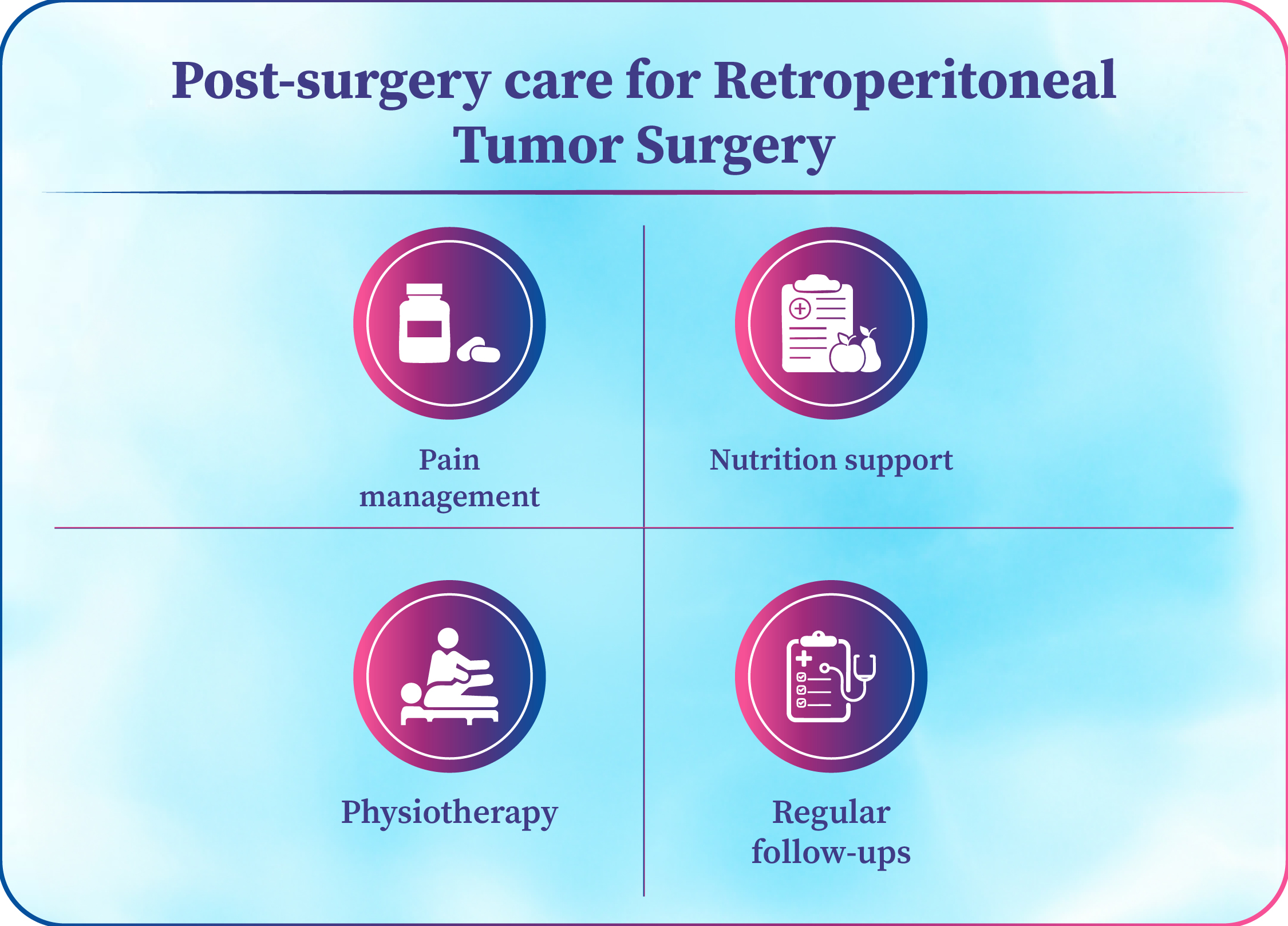
Post-surgery care includes:
Pain management
Nutrition support
Physiotherapy
Regular follow-ups
Robotic surgery patients recover faster and return to normal life sooner.
Follow-Up and Monitoring
Follow-up is crucial to detect recurrence early.
Includes
Regular CT scans
Blood tests
Physical examination
Dr. Rajesh Shinde ensures long-term monitoring and support.
Life After Retroperitoneal Tumor Treatment
Most patients can return to normal life after treatment.
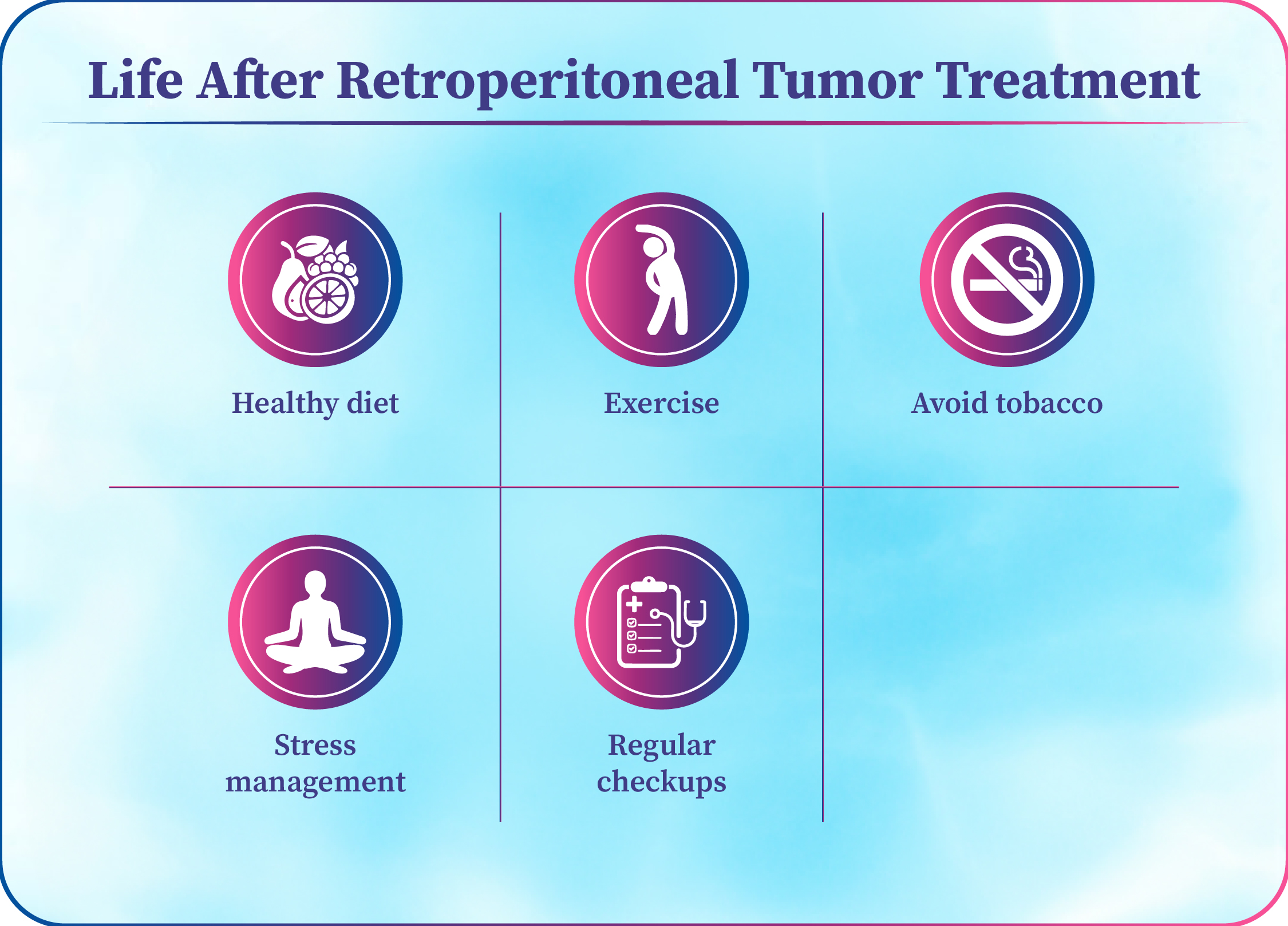
Important lifestyle changes:
Healthy diet
Exercise
Avoid tobacco
Stress management
Regular checkups
Why Choose Dr. Rajesh Shinde for Retroperitoneal Tumor Treatment?
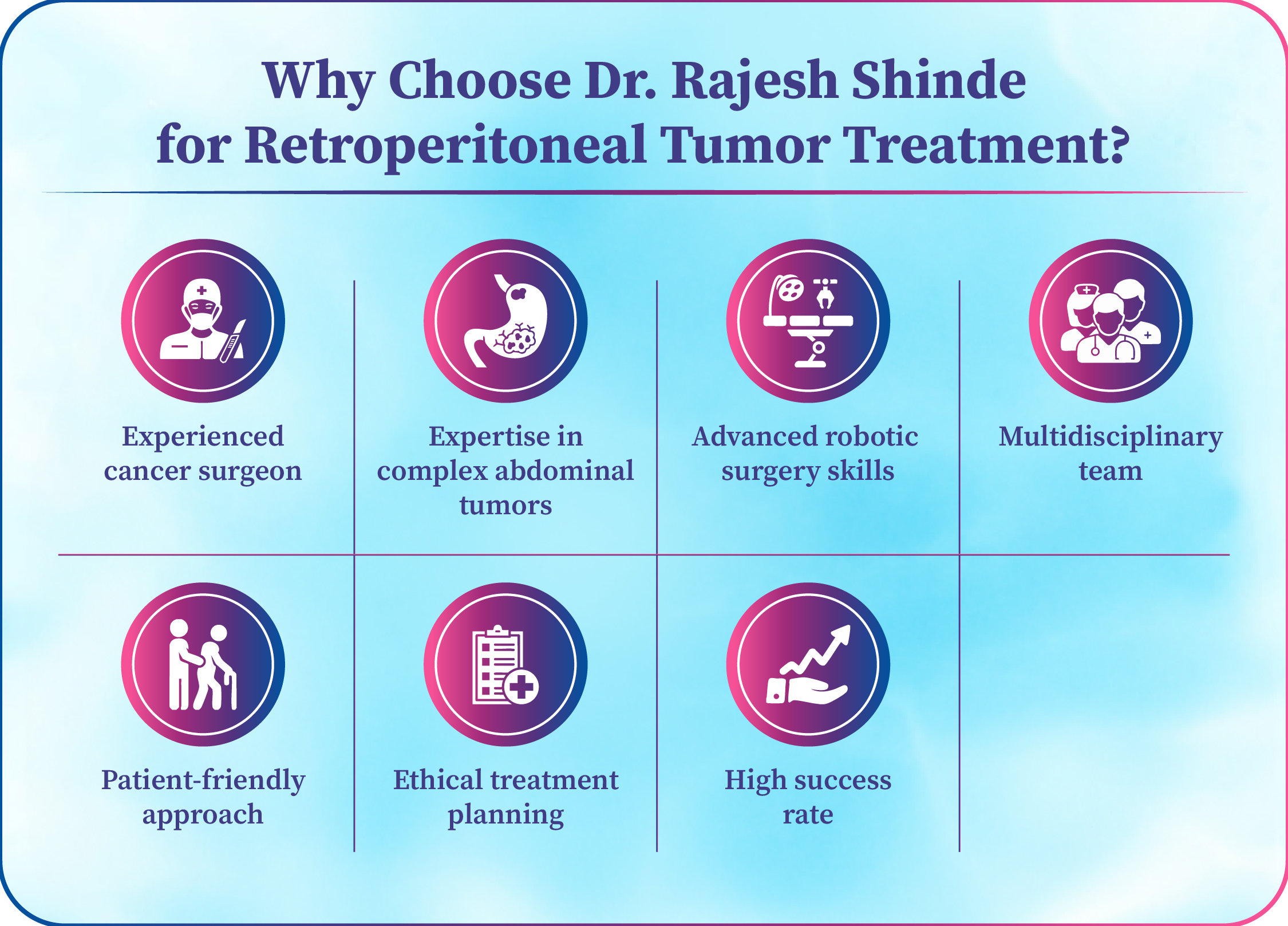
Experienced cancer surgeon
Expertise in complex abdominal tumors
Advanced robotic surgery skills
Multidisciplinary team
Patient-friendly approach
Ethical treatment planning
High success rate
If you are searching for the best retroperitoneal tumor cancer surgeon, Dr. Rajesh Shinde offers reliable and advanced care.
Book Consultation with Dr. Rajesh Shinde
If you or your family member has symptoms or diagnosis of a retroperitoneal tumor, do not delay treatment.
Consult Dr. Rajesh Shinde today for expert evaluation and advanced treatment including robotic surgery for retroperitoneal tumor cancer.
Faq's