Robotic Cancer Surgery
Cancer treatment has advanced significantly over the last few decades. Today, patients no longer need to rely only on large open surgeries with long-recovery time. One of the biggest medical breakthroughs in cancer care is robotic cancer surgery. This modern technique allows surgeon to perform complex cancer operations with high precision, minimal cuts, and faster recovery.
Dr. Rajesh Shinde, a leading cancer surgeon, offers robotic cancer surgery using advanced robotic technology to ensure safer procedures, better outcomes, and improved quality of life for cancer patients.

What is Robotic Cancer Surgery?
Robotic cancer surgery is a minimally invasive surgical technique where the surgeon uses a robotic system to remove cancerous tumors. The robot does not work on its own, it’s fully controlled by the surgeon
The robotic system includes:
A surgeon console
Robotic arms
High-definition 3D camera
Miniature surgical instruments
Using this system, Dr. Rajesh Shinde can perform delicate cancer surgeries with extreme accuracy while sitting at a console and guiding the robotic arms.
Types of Cancer Treated with Robotic Surgery
Dr. Rajesh Shinde uses robotic surgery for various types of cancer including:
Staging determines how advanced the cancer is and helps plan treatment.
Prostate cancer: Robotic prostate surgery help preserve urinary control and sexual function.
Colorectal cancer: Precise remove of tumors in the colon and rectum
Lung cancer: Robotic thoracic surgery reduces trauma to chest wall
Gynecological cancer: Includes cervical, ovarian, and uterine cancer
Kidney cancer: Robotic partial nephrectomy preserves kidney function
Kidney cancer: Robotic partial nephrectomy preserves kidney function
Bladder cancer: Accurate removal while protecting nearby organs
Head and neck cancer: Used for tumor in throat and oral cavity
Pancreatic and liver cancer: Complex surgeries become safer with robotic assistance.
How Robotic Surgery Works?
Lung cancer does not develop overnight. It is usually caused by long-term exposure to harmful substances.
Small key hole incisions are made
A tiny camera is inserted for 3D vision
Robotic arms hold surgical instruments
Surgeon controls movements precisely
Timor is removed safely
Organs and tissues are preserved
Why Robotic Surgery is Ideal for Cancer Treatment?
Cancer surgery often involves:
Removing tumors close to vital organs
Protecting nerves and blood vessels
Maintaining organ function
Robotic surgery offers:
Magnified 3D view
Tremor-free movements
High precision
Better control in narrow spaces
This makes robotic surgery especially useful for complex cancer cases.
Benefits of Robotic Cancer Surgery
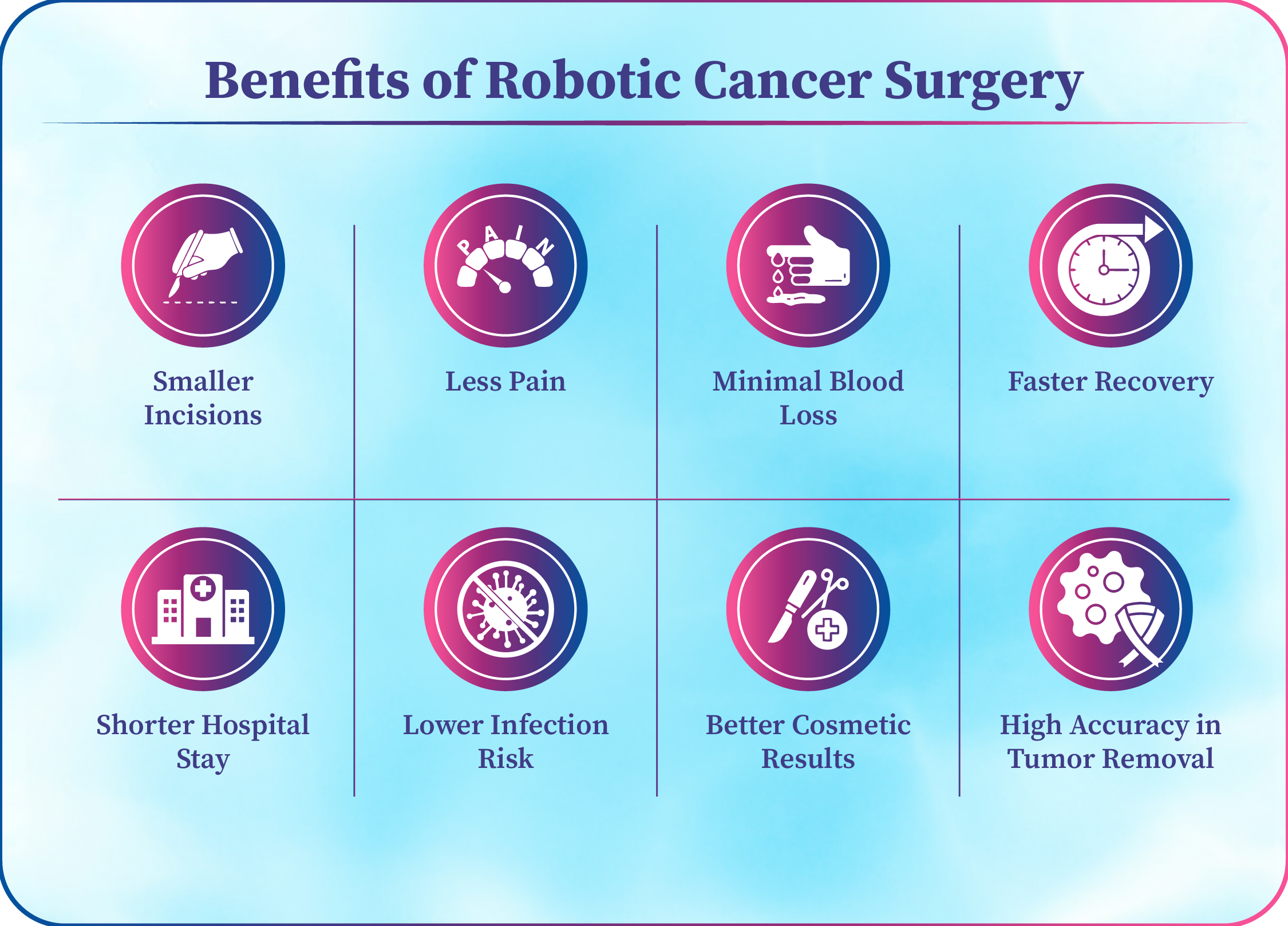
Robotic cancer surgery offers many advantages compared to traditional open surgery.
Smaller Incisions: Only small cuts are made instead of a large surgical wound.
Less Pain: Patients experience less pain after surgery.
Minimal Blood Loss: Precise movements reduce bleeding during surgery.
Faster Recovery: Patients return to normal activities sooner.
Shorter Hospital Stay: Most patients go home earlier.
Lower Infection Risk: Smaller wounds reduce chances of infection.
Better Cosmetic Results: scarring compared to open surgery.
High Accuracy in Tumor Removal: Cancer cells can be removed more completely.
Who is a Candidate for Robotic Cancer Surgery?
Robotic surgery is suitable for:
Early and mid-stage cancers
Localized tumors
Patients fit for anesthesia
Patients needing organ preservation
Not all cancers require robotic surgery. Dr. Rajesh Shinde carefully evaluates:
Cancer type
Stage
Tumor size
Overall health
Imaging reports
Only after this evaluation is robotic surgery recommended.
Role of Dr. Rajesh Shinde in Robotic Cancer Surgery
Dr. Rajesh Shinde is a highly experienced cancer surgeon trained in robotic and minimally invasive techniques. His approach focuses on:
Patient-centric care
Evidence-based treatment
Advanced surgical planning
Organ preservation
Quality of life after surgery
He believes cancer surgery should not only remove the tumor but also help the patient live a healthier life after treatment.
Robotic Surgery for Esophagus Cancer
What Is Esophagus Cancer?
Esophagus cancer affects the food pipe that carries food from mouth to stomach. Surgery is often required to remove the cancerous part and reconstruct the food passage.
How Robotic Surgery Helps?
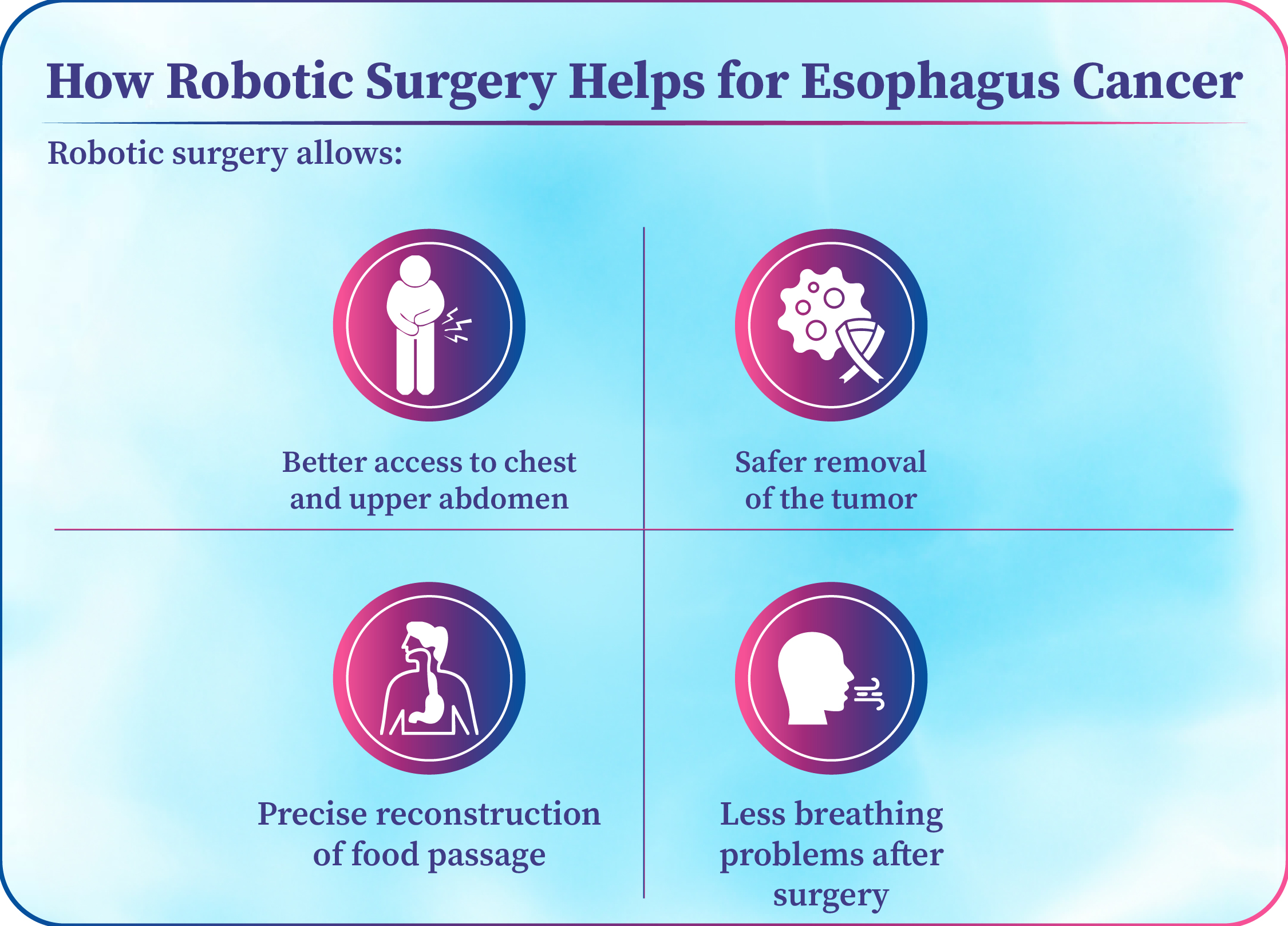
Robotic surgery allows:
Better access to chest and upper abdomen
Safer removal of the tumor
Precise reconstruction of food passage
Less breathing problems after surgery
Benefits for Patients:
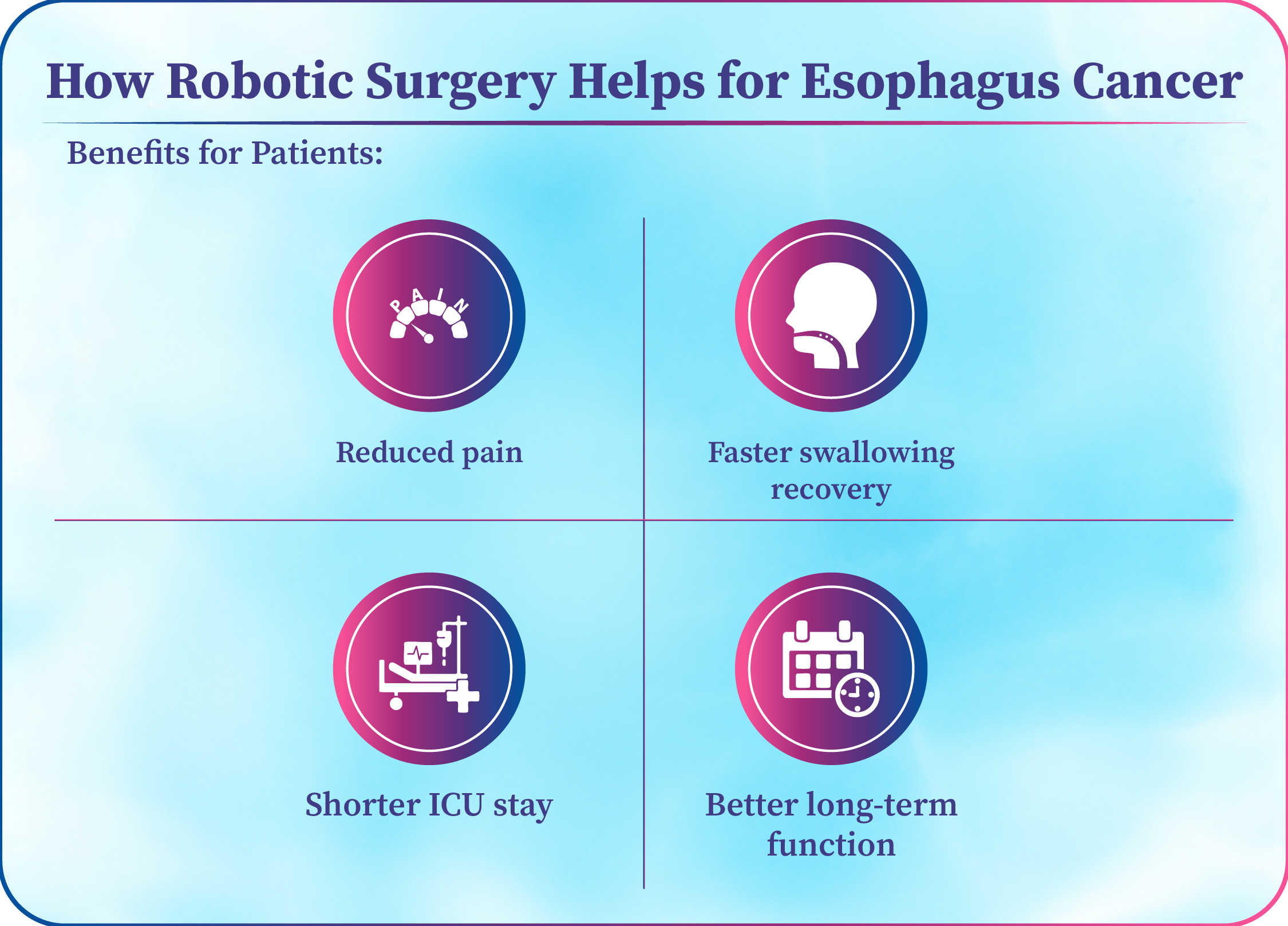
Reduced pain
Faster swallowing recovery
Shorter ICU stay
Better long-term function
Dr. Rajesh Shinde uses robotic esophagectomy to safely remove esophageal tumors while protecting lungs and nerves.
Robotic Surgery for Stomach (Gastric) Cancer
What Is Stomach Cancer?
Stomach cancer forms in the lining of the stomach and often needs surgical removal of part or all of the stomach.
How Robotic Surgery Helps?
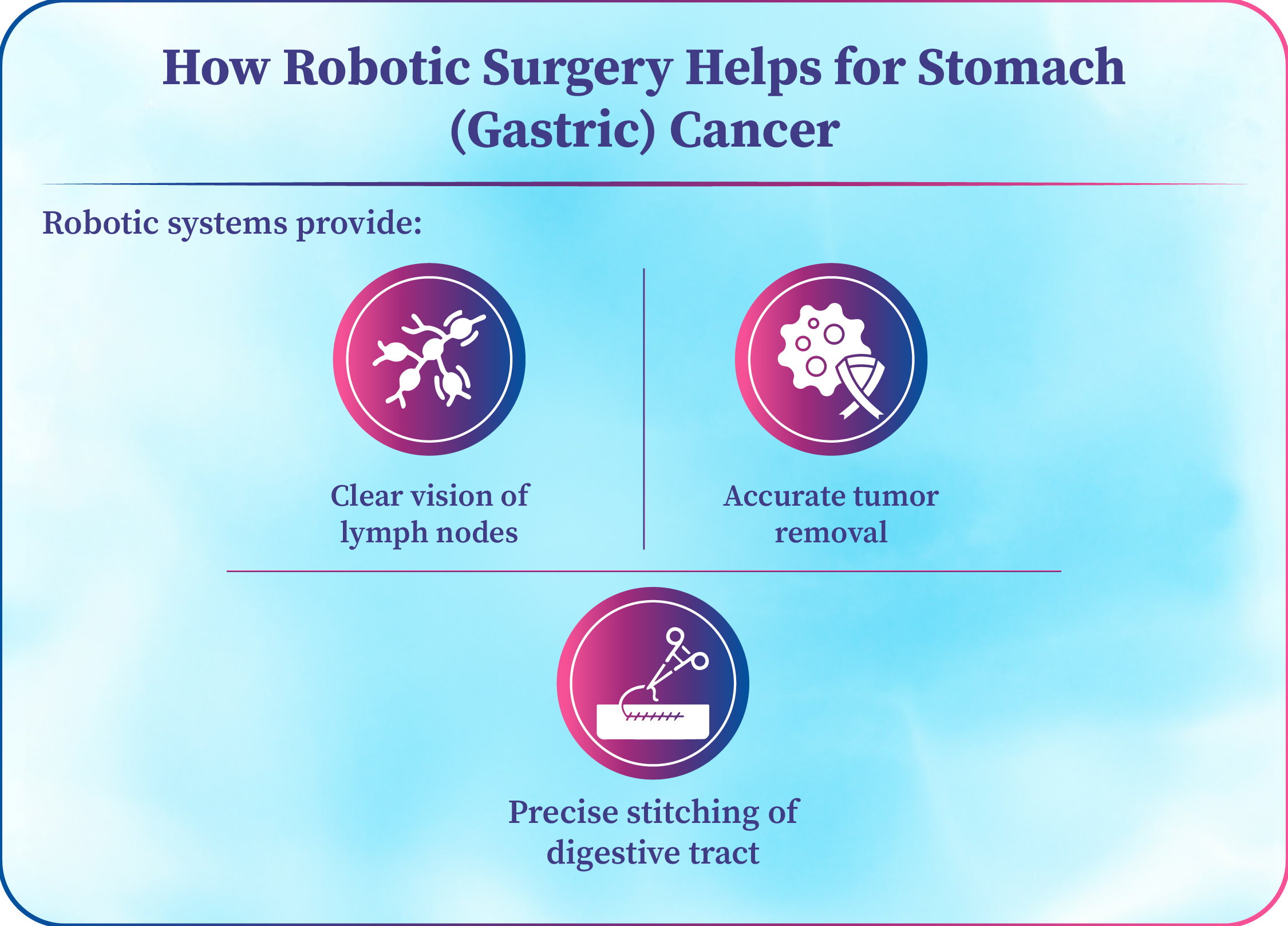
Robotic systems provide:
Clear vision of lymph nodes
Accurate tumor removal
Precise stitching of digestive tract
Benefits for Patients
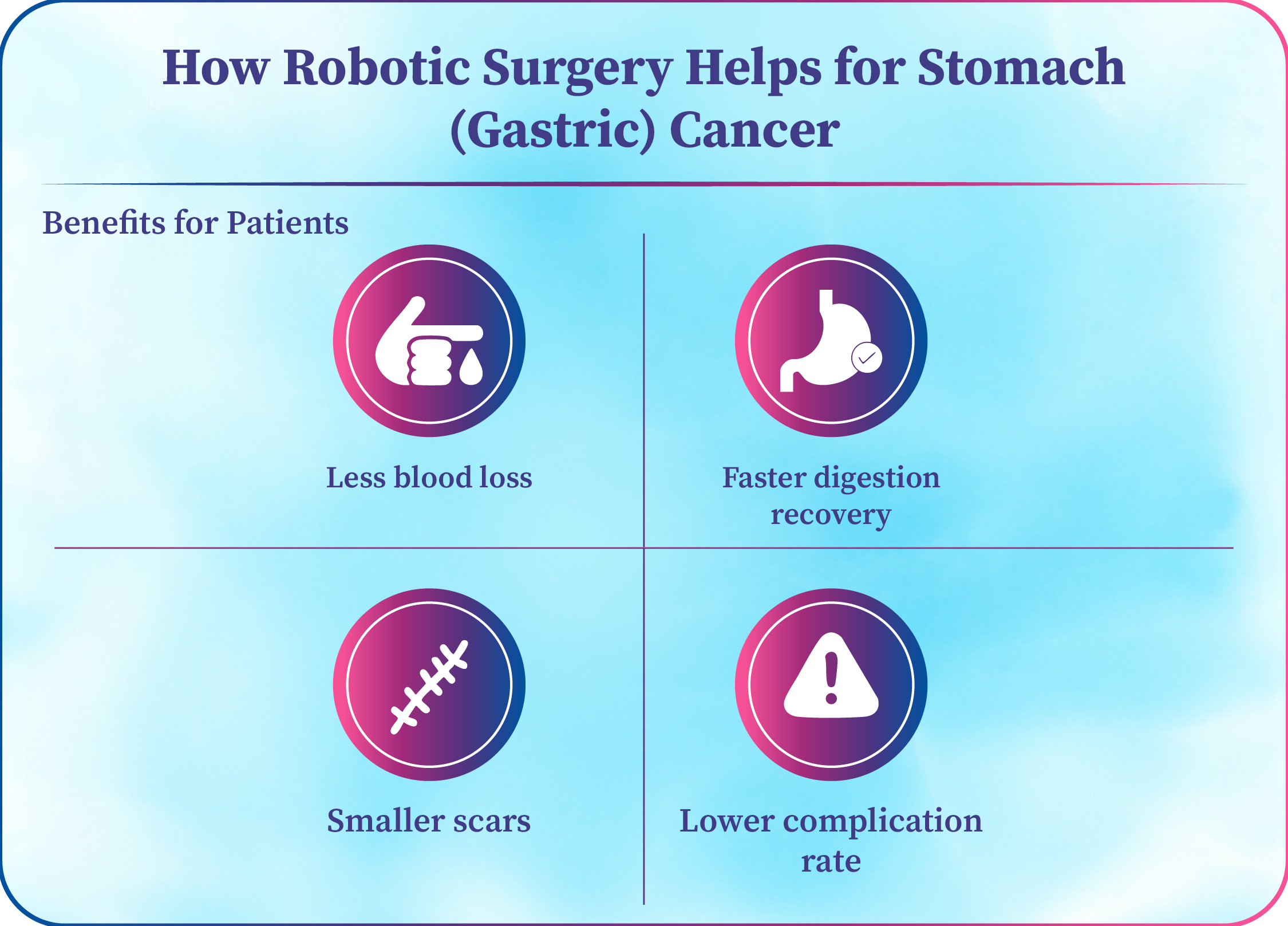
Less blood loss
Faster digestion recovery
Smaller scars
Lower complication rate
Robotic gastrectomy by Dr. Rajesh Shindehelps patients heal faster while ensuring complete cancer removal.
Robotic Surgery for Liver Cancer
What Is Liver Cancer?
Liver cancer develops in liver cells and is difficult to treat because the liver has many blood vessels.
How Robotic Surgery Helps?
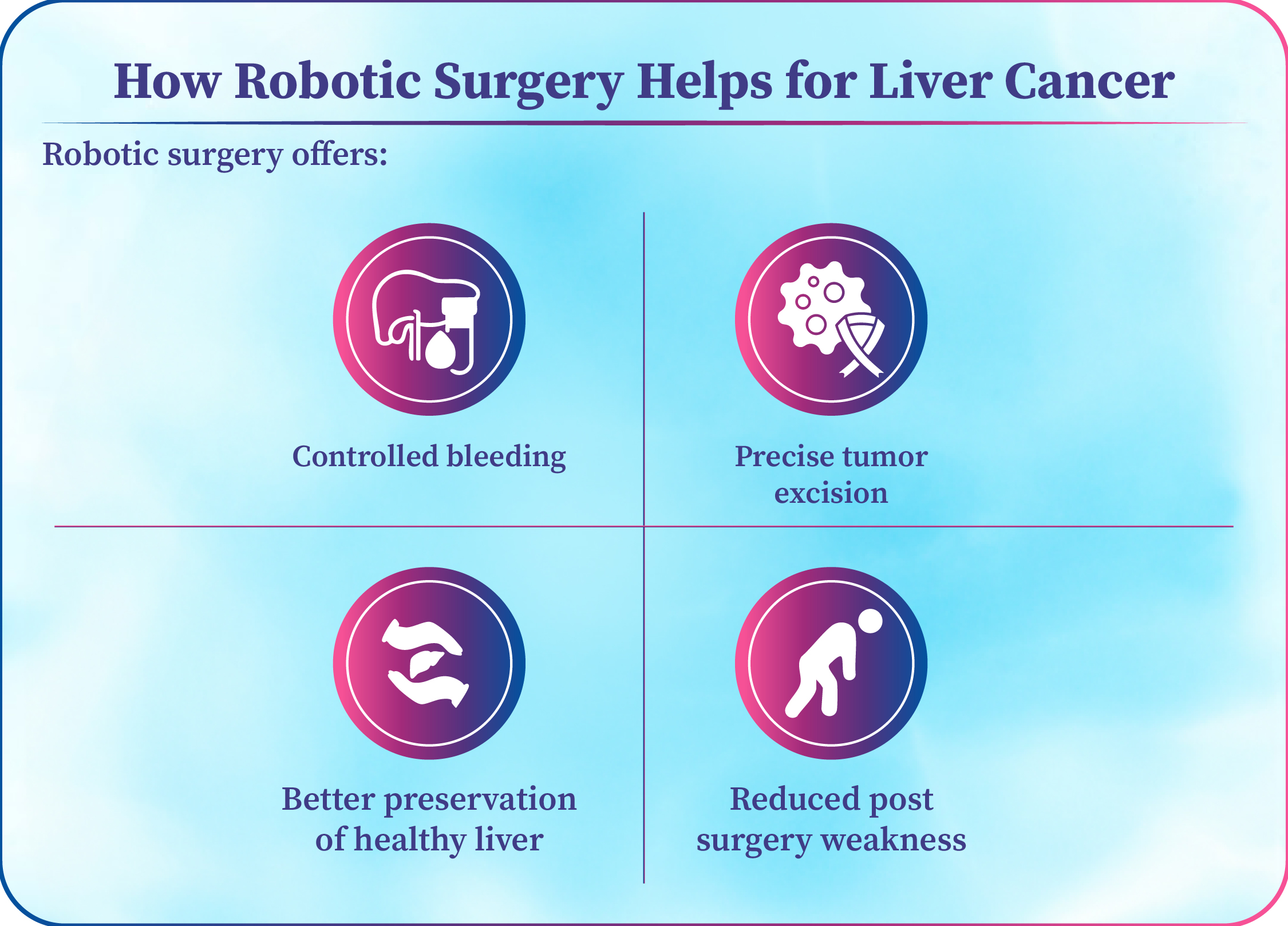
Robotic surgery offers:
Controlled bleeding
Precise tumor excision
Better preservation of healthy liver
Reduced post-surgery weakness
Benefits for Patients
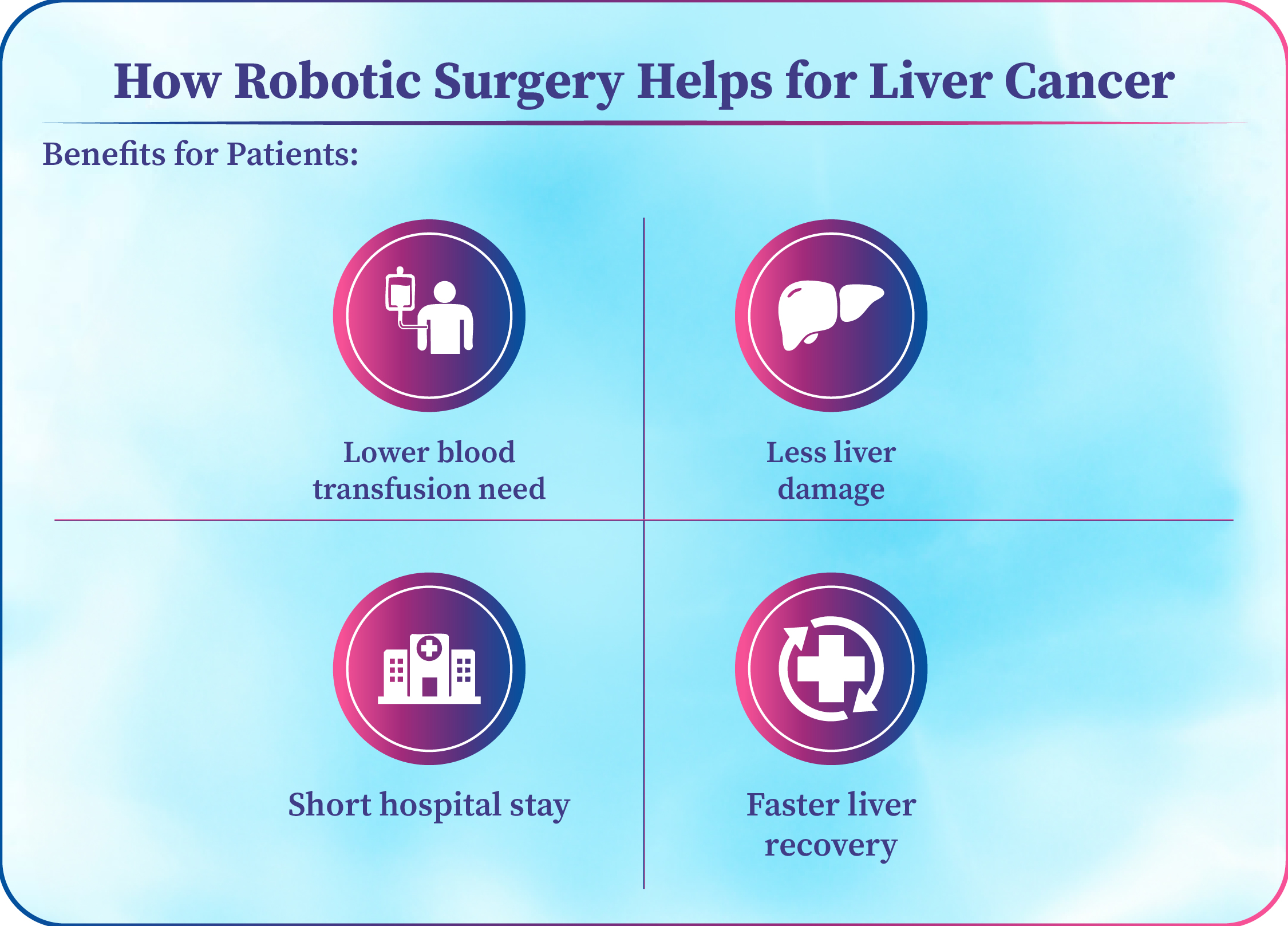
Lower blood transfusion need
Less liver damage
Short hospital stay
Faster liver recovery
Dr. Rajesh Shinde carefully selects suitable patients for robotic liver tumor surgery to ensure safety and good results.
Robotic Surgery for Gall Bladder Cancer
What Is Gall Bladder Cancer?
Gall bladder cancer is aggressive and spreads easily to nearby organs.
How Robotic Surgery Helps?
Robotic surgery allows:
Wide cancer removal
Precise lymph node clearance
Safer bile duct handling
Better visibility of liver surface
Benefits for Patients
Lower risk of bile leakage
Less pain
Faster wound healing
Better cancer control
With robotic techniques, Dr. Rajesh Shinde can perform complex gall bladder cancer surgeries with high accuracy.
Robotic Surgery for Pancreatic Cancer
What Is Pancreatic Cancer?
Pancreatic cancer is one of the most complex cancers due to deep location and vital blood vessels.
How Robotic Surgery Helps?
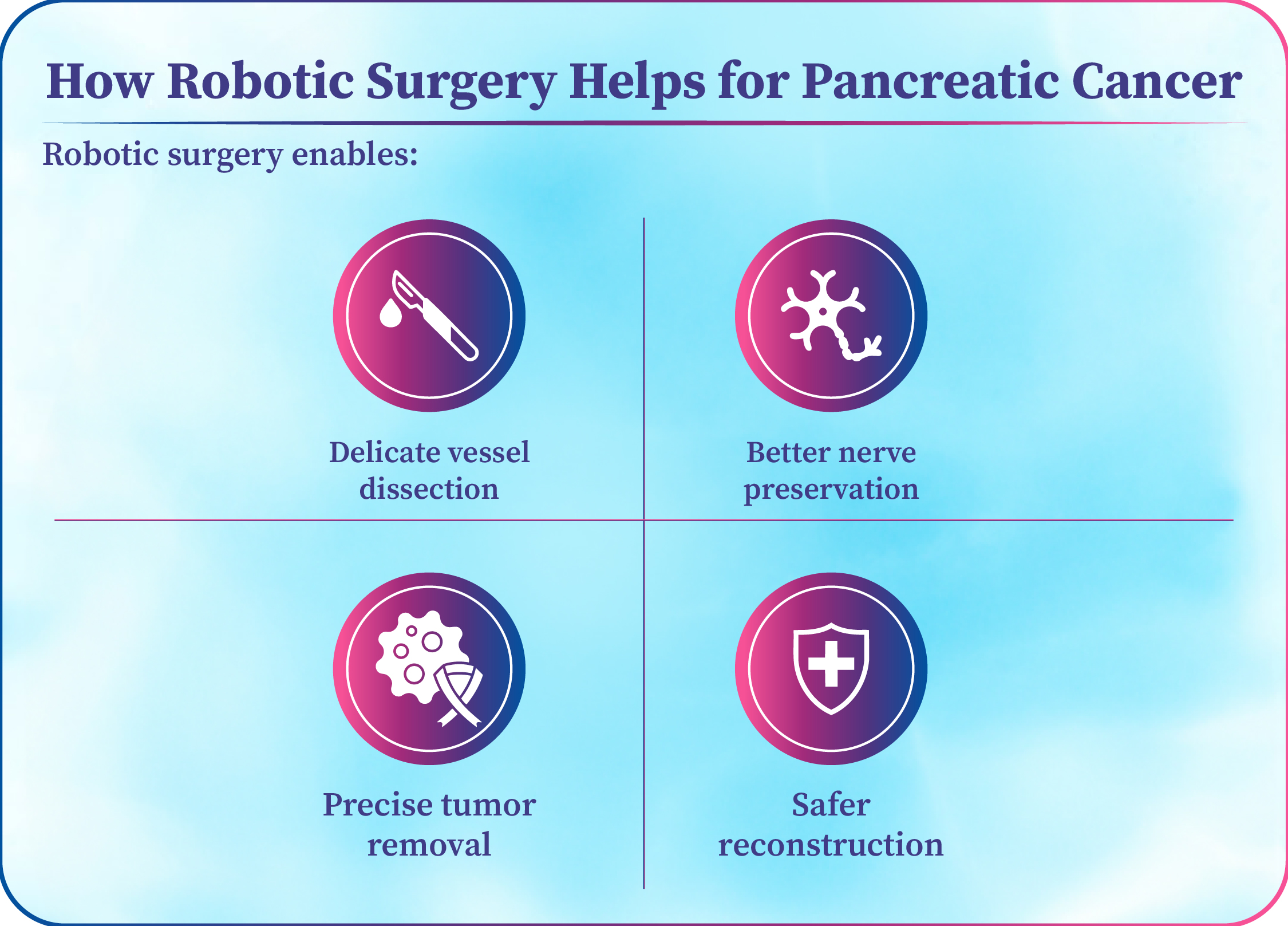
Robotic surgery enables:
Delicate vessel dissection
Better nerve preservation
Precise tumor removal
Safer reconstruction
Benefits for Patients
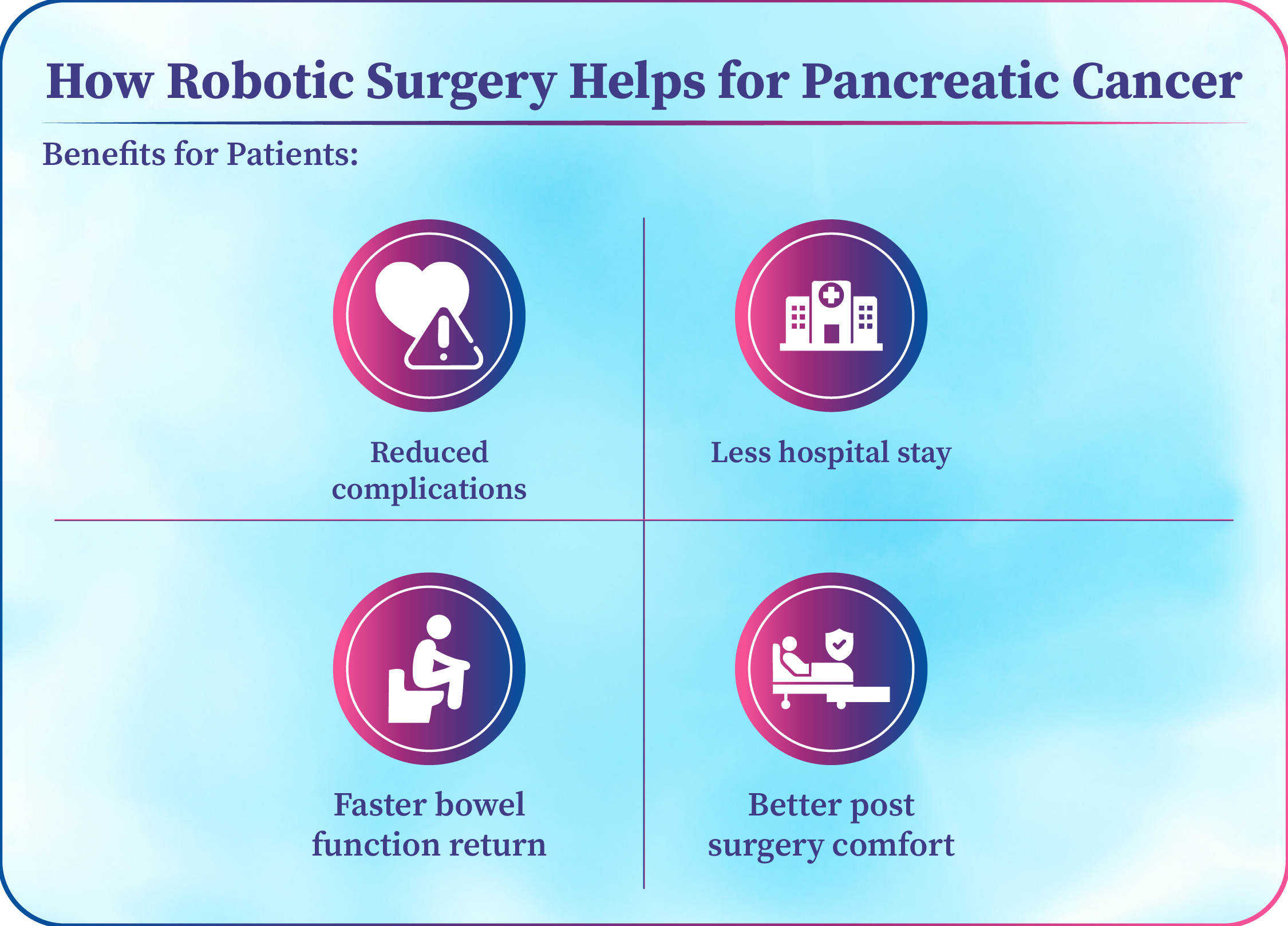
Reduced complications
Less hospital stay
Faster bowel function return
Better post-surgery comfort
Robotic Whipple surgery and distal pancreatectomy by Dr. Rajesh Shinde are performed with advanced precision.
Pre-Surgery Evaluation
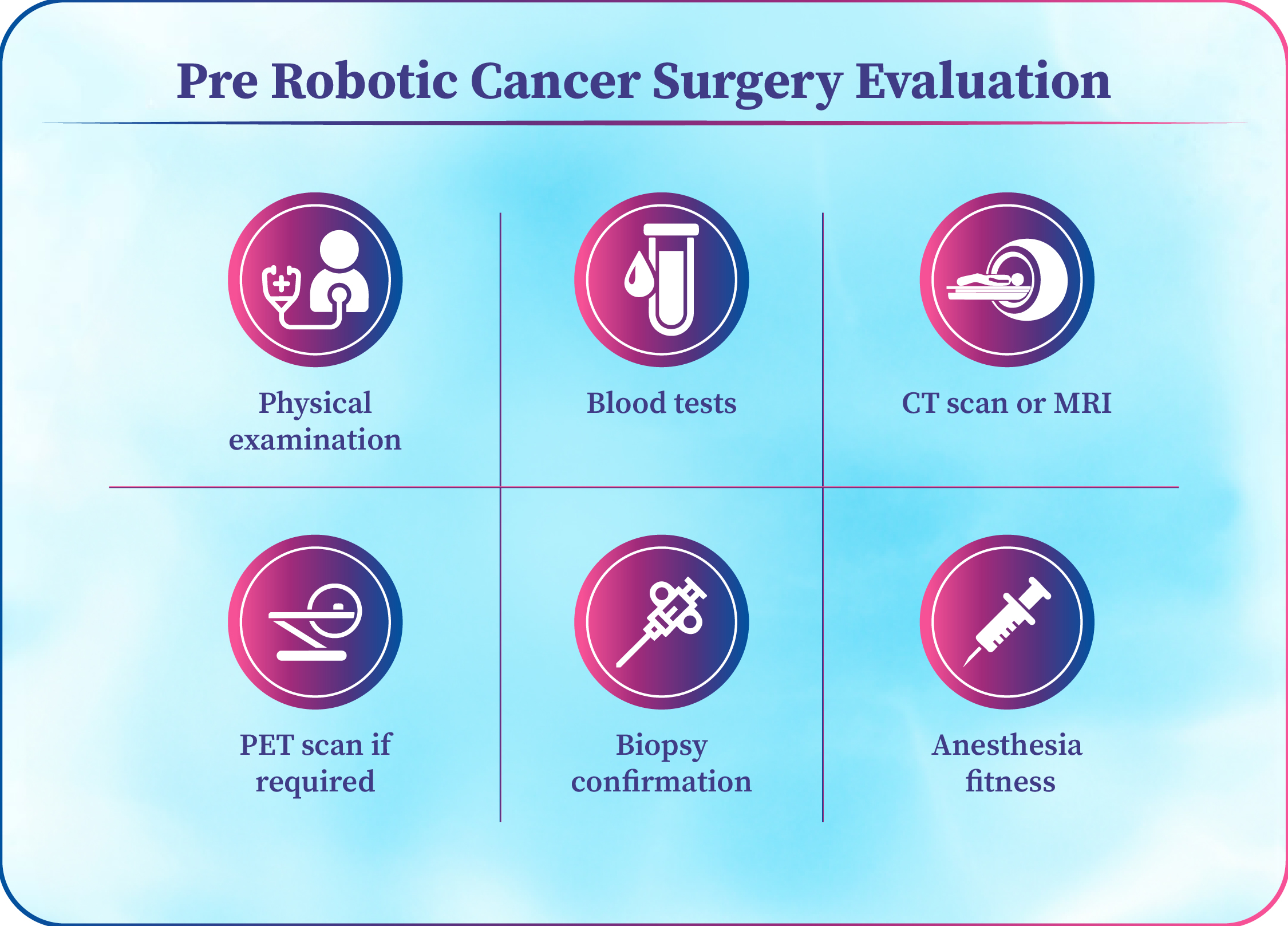
Before robotic cancer surgery, patients undergo:
Physical examination
Blood tests
CT scan or MRI
PET scan if required
Biopsy confirmation
Anesthesia fitness
Dr. Rajesh Shinde explains:
Procedure steps
Expected results
Possible risks
Recovery timeline
Before robotic cancer surgery, patients undergo:
The Surgical Procedure
On surgery day:
Patient receives anesthesia
Small incisions are made
Robotic instruments are inserted
Tumor is removed
Organs reconstructed if needed
Incisions closed
The entire procedure is carefully monitored.
The Surgical Procedure
On surgery day:
Patient receives anesthesia
Small incisions are made
Robotic instruments are inserted
Tumor is removed
Organs reconstructed if needed
Incisions closed
The entire procedure is carefully monitored.
Recovery After Robotic Cancer Surgery
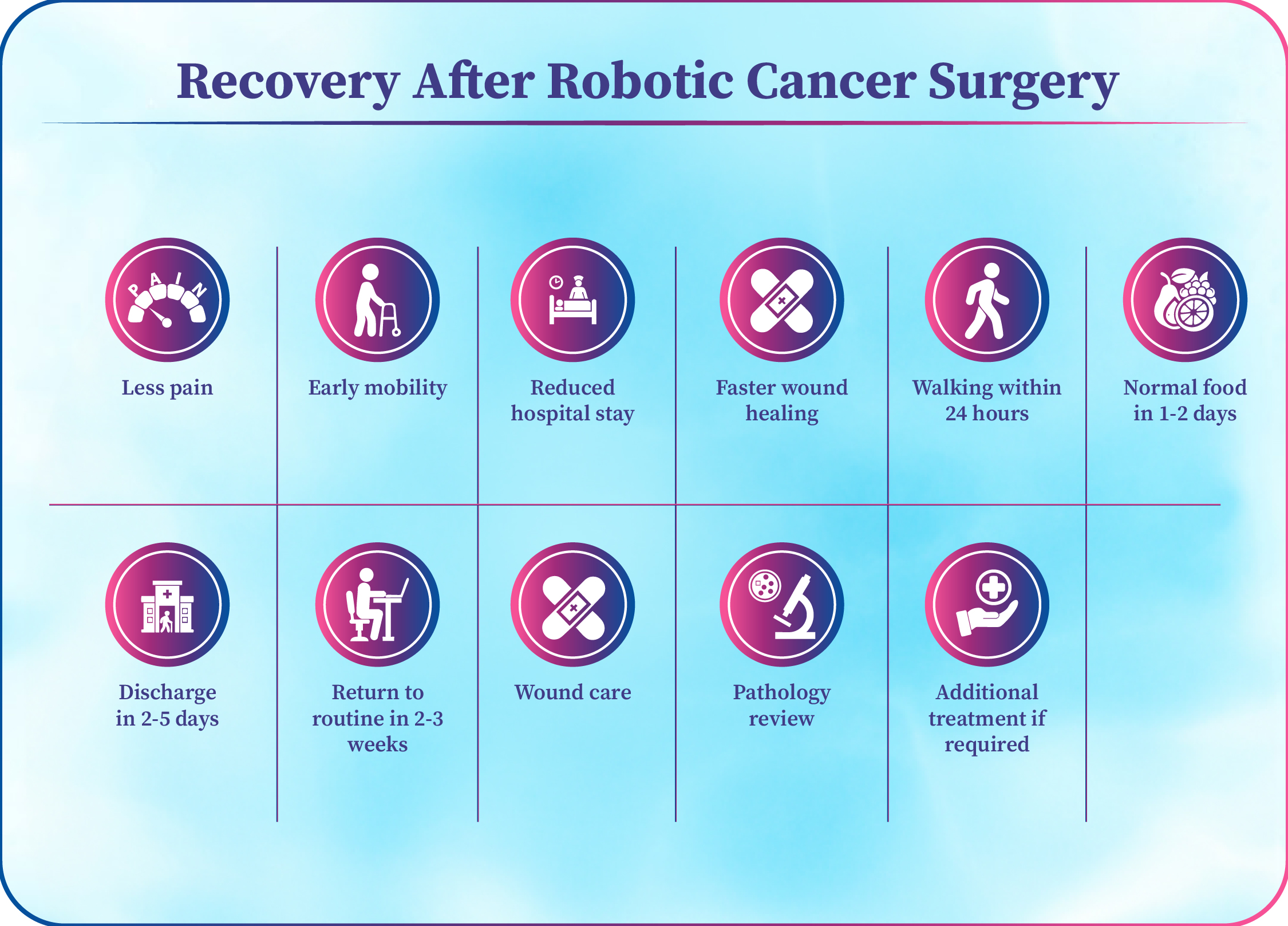
Most patients experience:
Less pain
Early mobility
Reduced hospital stay
Faster wound healing
Recovery steps:
Most patients experience:
Walking within 24 hours
Normal food in 1-2 days
Discharge in 2-5 days
Return to routine in 2-3 weeks
Follow-up includes:
Wound care
Pathology review
Additional treatment if required
Risks and Safety
Robotic cancer surgery is very safe when performed by an expert like Dr. Rajesh Shinde. Possible risks include:
Bleeding
Infection
Injury to nearby organs
Anesthesia risks
These risks are much lower compared to open surgery.
Robotic Surgery and Quality of Life
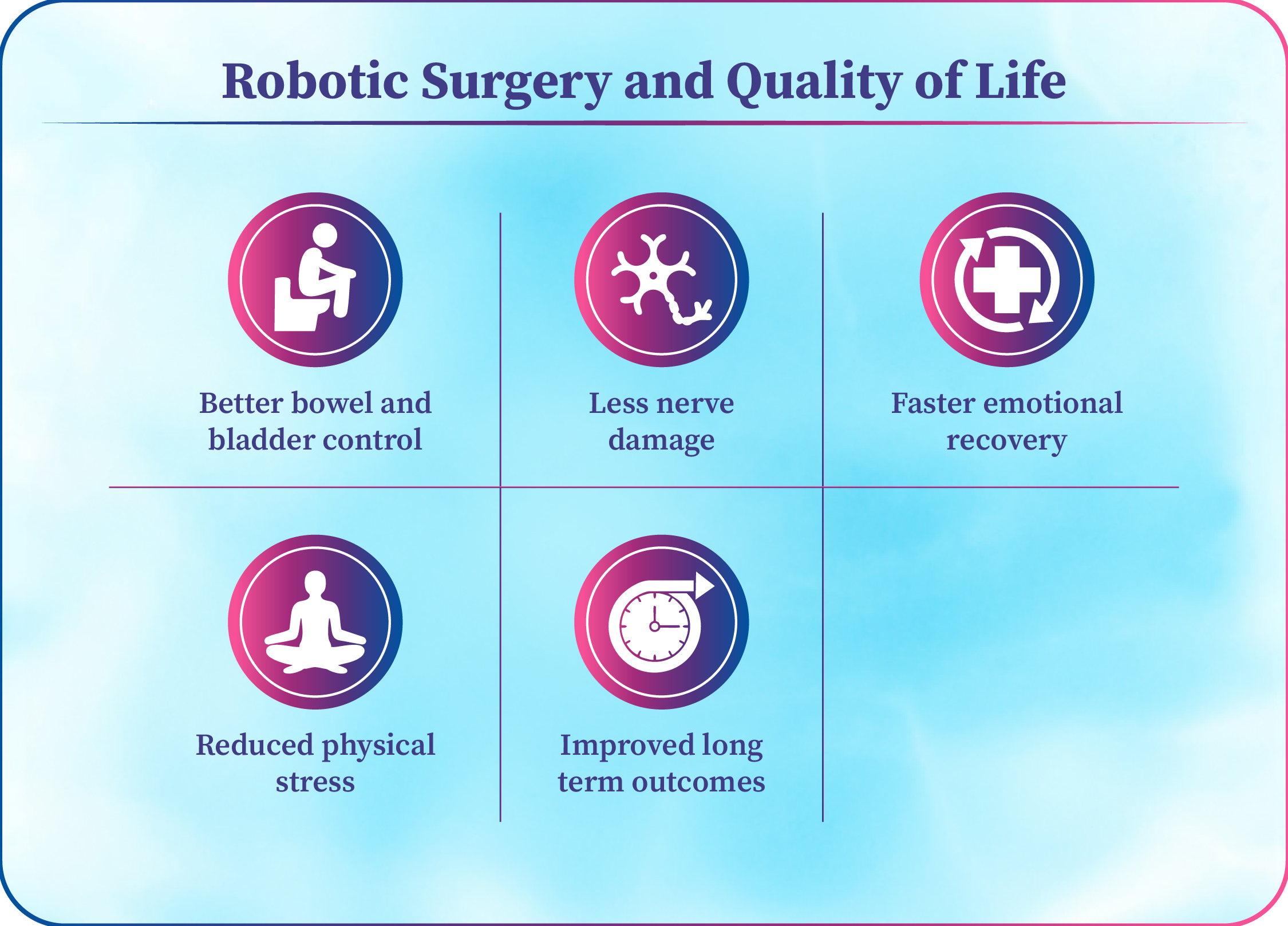
One of the biggest advantages of robotic cancer surgery is quality of life:
Better bowel and bladder control
Less nerve damage
Reduced physical stress
Improved long-term outcomes
These risks are much lower compared to open surgery.
Importance of Choosing the Right Surgeon
Robotic surgery success depends heavily on surgeon skill.
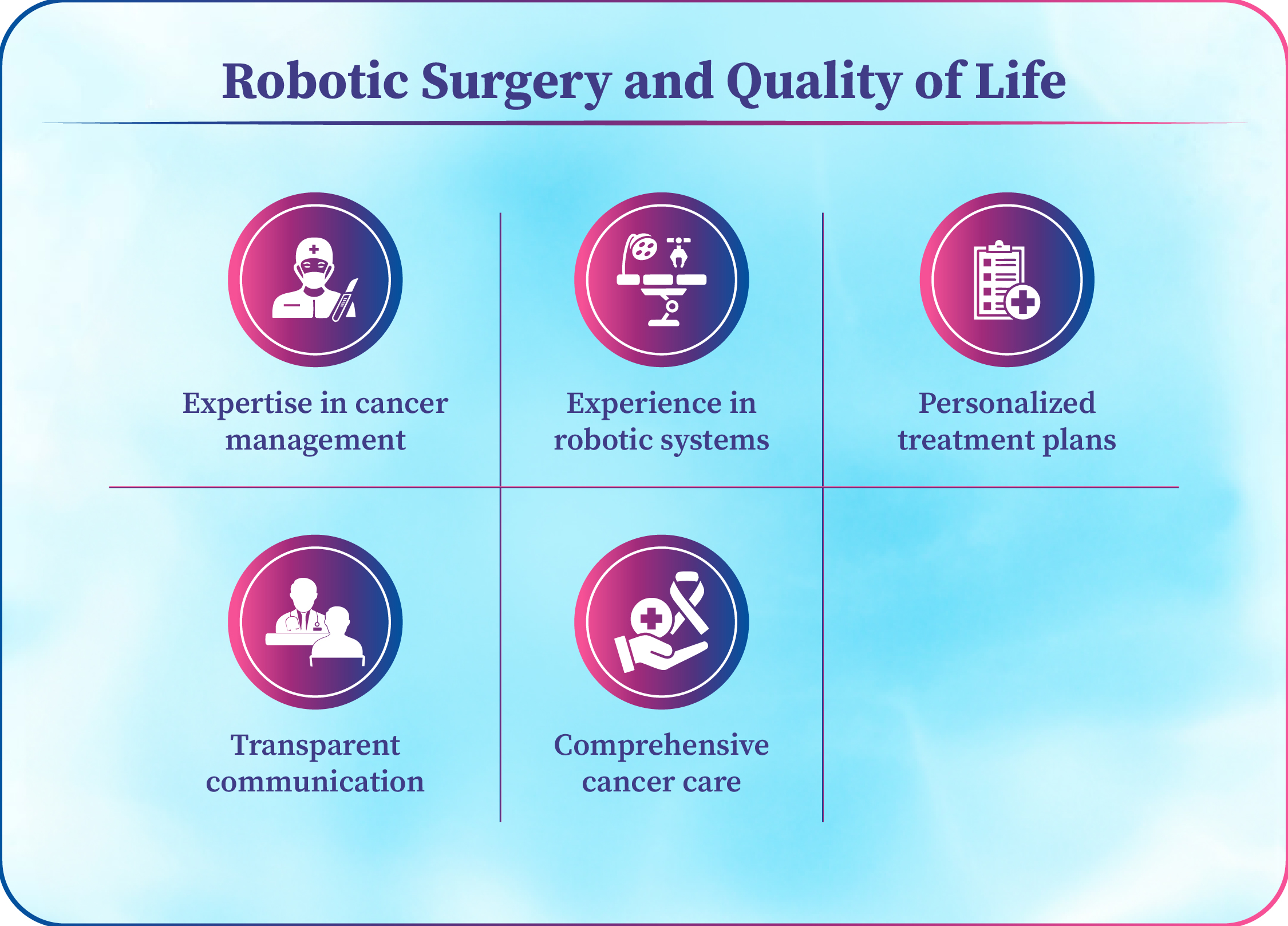
Choosing Dr. Rajesh Shinde ensures:
Expertise in cancer management
Experience in robotic systems
Personalized treatment plans
Transparent communication
Comprehensive cancer care
These risks are much lower compared to open surgery.
Robotic cancer surgery represents the future of cancer treatment. It combines advanced technology with skilled surgical expertise to provide safer procedures, quicker recovery, and better quality of life for patients.
Under the care of Dr. Rajesh Shinde, patients receive world-class cancer surgery with compassion and precision. His expertise in robotic cancer surgery ensures that every patient gets a customized treatment plan designed for long-term health and recovery.
If you or your loved one is diagnosed with cancer, robotic surgery may be the best step forward. Early diagnosis, expert surgical care, and modern technology together offer hope, healing, and strength.
Faq's