Stomach (Gastric) Cancer Treatment
Stomach cancer, also known as gastric cancer, is a disease in which cancer cells form in the lining of the stomach. It is one of the most common cancers of the digestive system and often develops slowly over many years. Many patients do not experience symptoms in the early stages, which is why stomach cancer is frequently diagnosed at an advanced stage.
Under the care of Dr. Rajesh Shinde, patients receive advanced and compassionate care for stomach cancer using modern diagnostic tools, personalized treatment planning, and cutting-edge surgical techniques, including robotic surgery.
Our goal is not just to treat cancer, but to restore health, improve quality of life, and provide long-term support for every patient and their family.
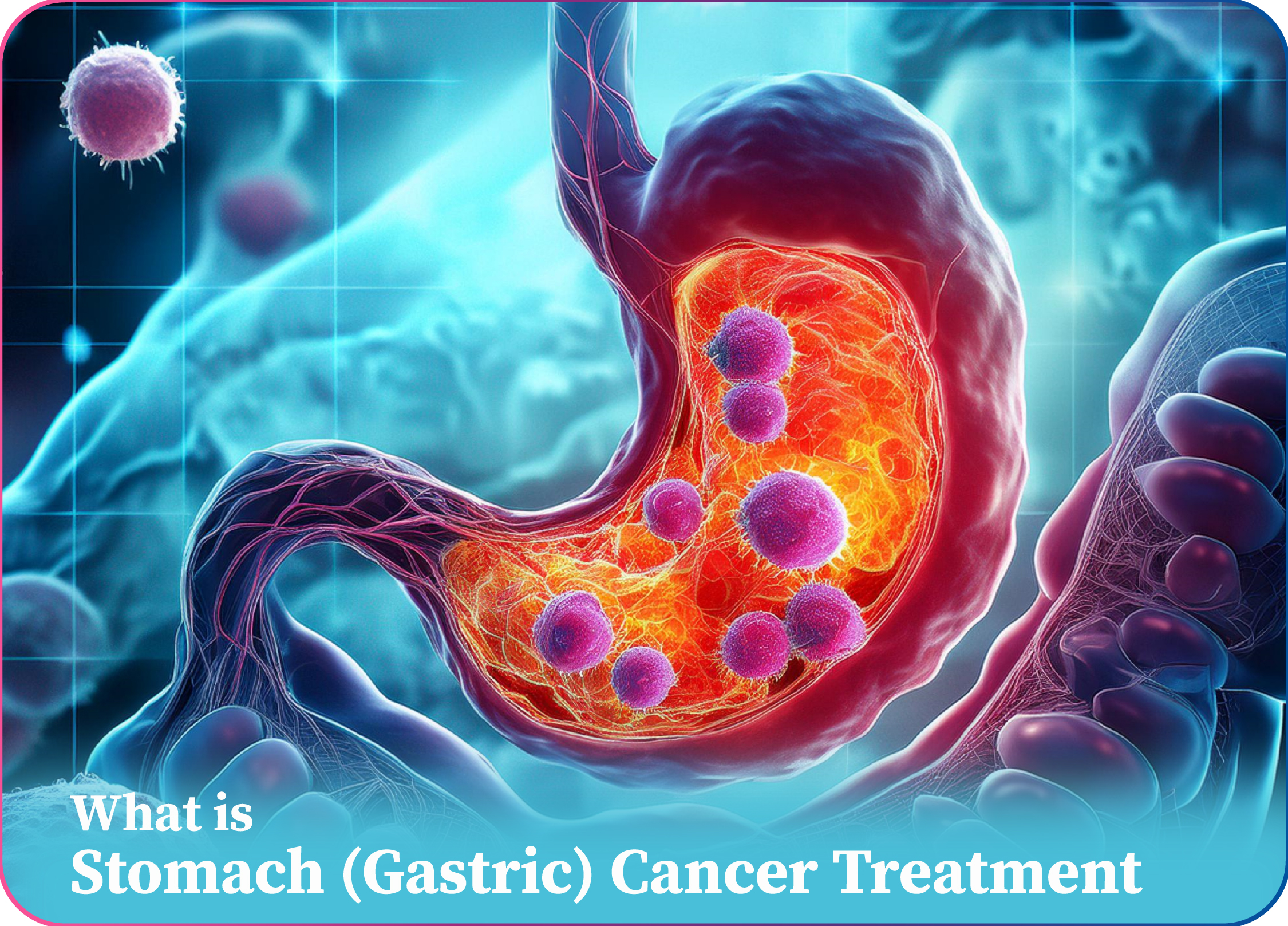
Understanding Stomach (Gastric) Cancer
The stomach is a muscular organ that plays a key role in digesting food. Stomach cancer usually begins in the inner lining of the stomach and can spread deeper into the stomach wall and nearby organs if not treated in time.
Types of Stomach Cancer
There are different types of gastric cancer, including:
Adenocarcinoma: The most common type, starting from gland cells of the stomach lining
Lymphoma: Cancer of immune system tissue in the stomach
Gastrointestinal stromal tumors (GIST): Tumors arising from connective tissue
Neuroendocrine tumors: Rare tumors that develop from hormone-producing cells
Most stomach cancer cases are adenocarcinomas.
Stages of Esophageal Cancer
Staging describes how advanced the cancer is:
Stage 1: Cancer is limited to the stomach lining
Stage 2: Cancer has spread deeper or to nearby lymph nodes.
Stage 3: Cancer has spread extensively to lymph nodes or surrounding tissue
Stage 4: Cancer has spread to distant organs such as liver or lungs.
Staging helps in selecting the most suitable treatment plan.
Causes and Risk Factors
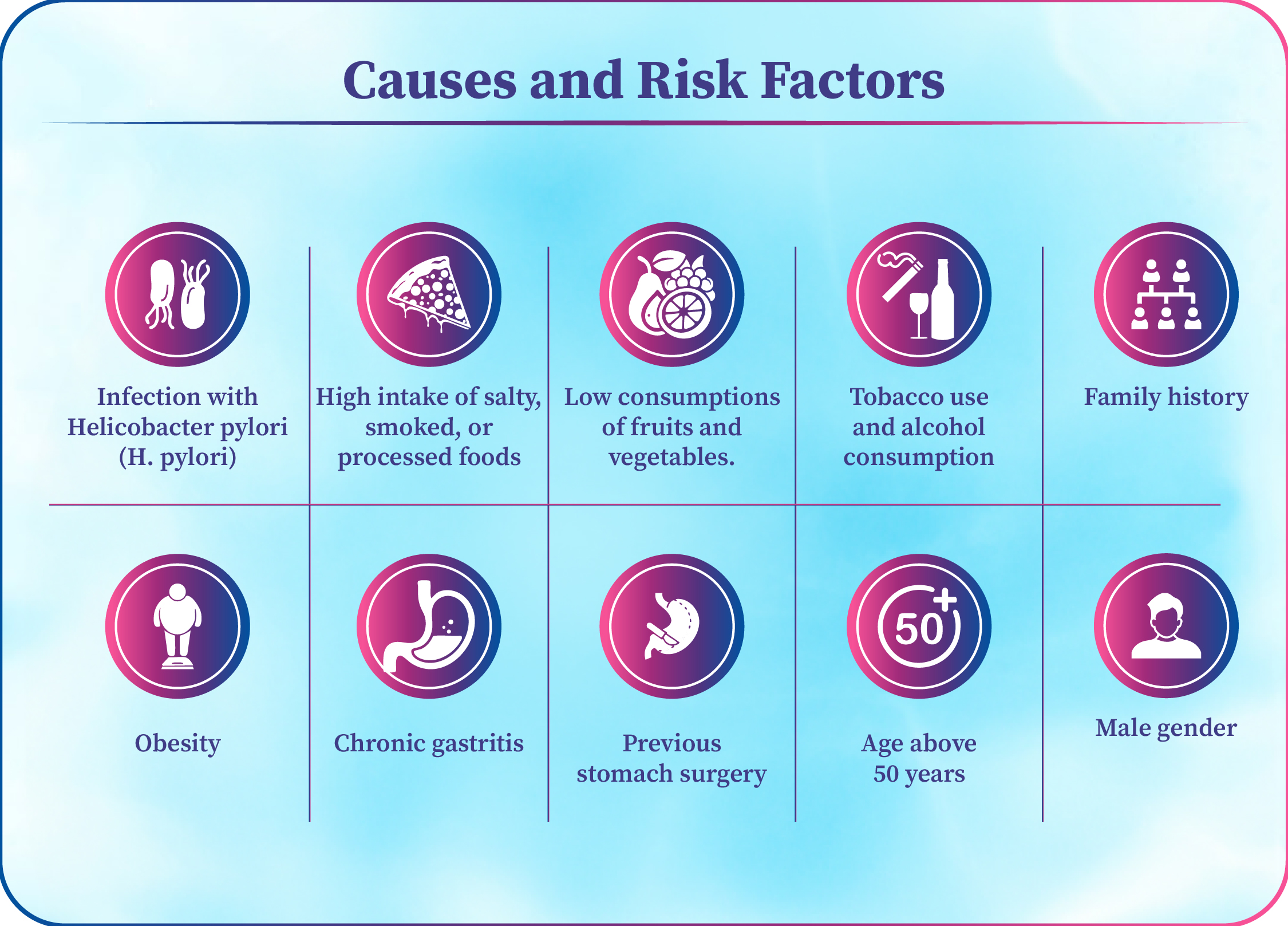
Several factors increase the risk of developing stomach cancer:
Infection with Helicobacter pylori (H. pylori)
High intake of salty, smoked, or processed foods
Low consumptions of fruits and vegetables.
Tobacco use and alcohol consumption
Family history of stomach cnacer
Obesity
Chronic gastritis
Previous stomach surgery
Age above 50 years
Male gender
Not everyone with these risk factors will develop cancer, but awareness and early screening are important.
Common Symptoms of Stomach Cancer
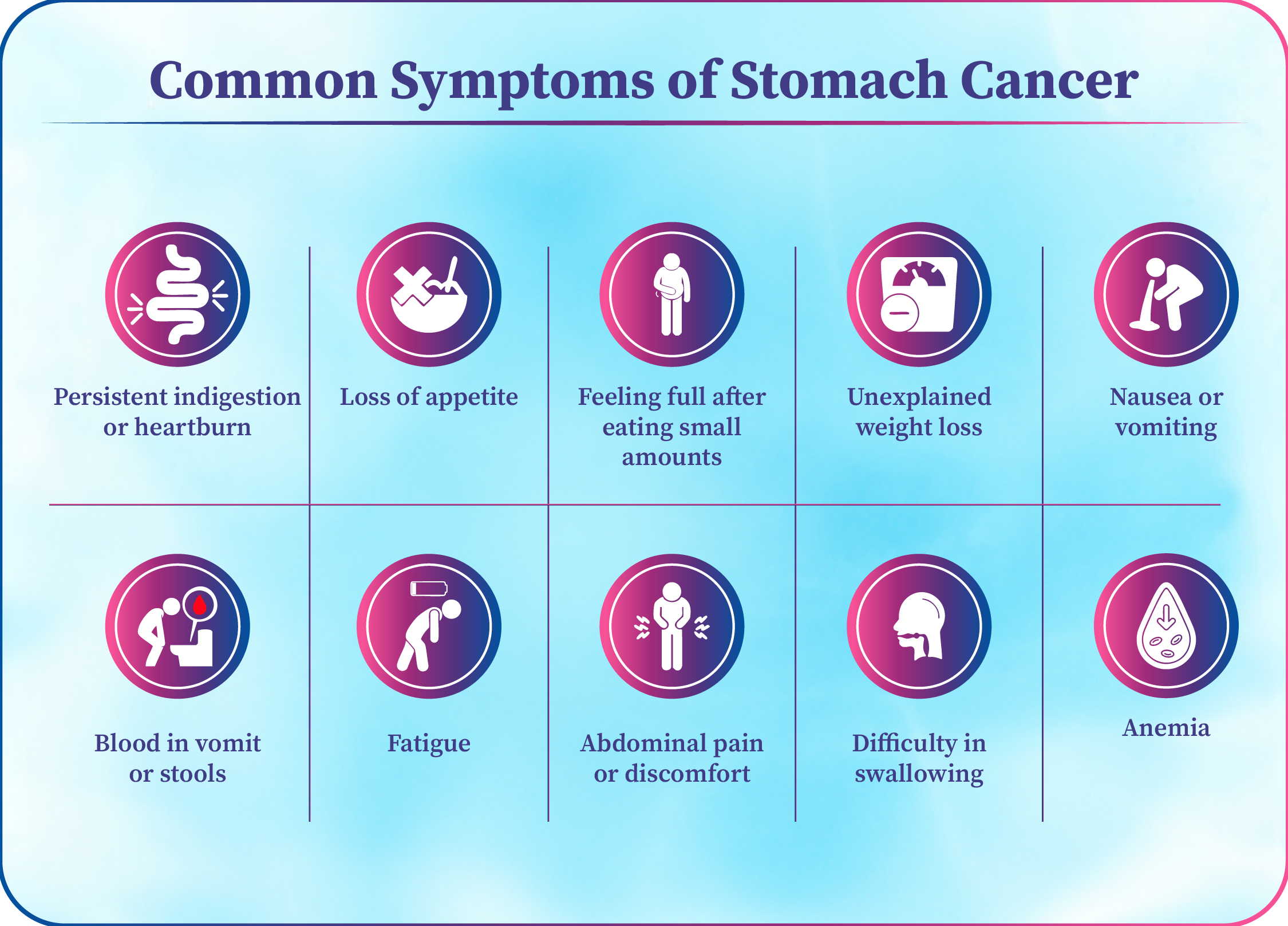
In the early stages, stomach cancer may not cause noticeable symptoms. As the disease progresses, symptoms may include:
Persistent indigestion or heartburn
Loss of appetite
Feeling full after eating small amounts
Unexplained weight loss
Nausea or vomiting
Blood in vomit or stools
Fatigue
Abdominal pain or discomfort
Difficulty in swallowing
Anemia
If these symptoms persist, medical evaluation is essential.
Diagnosis of Stomach Cancer
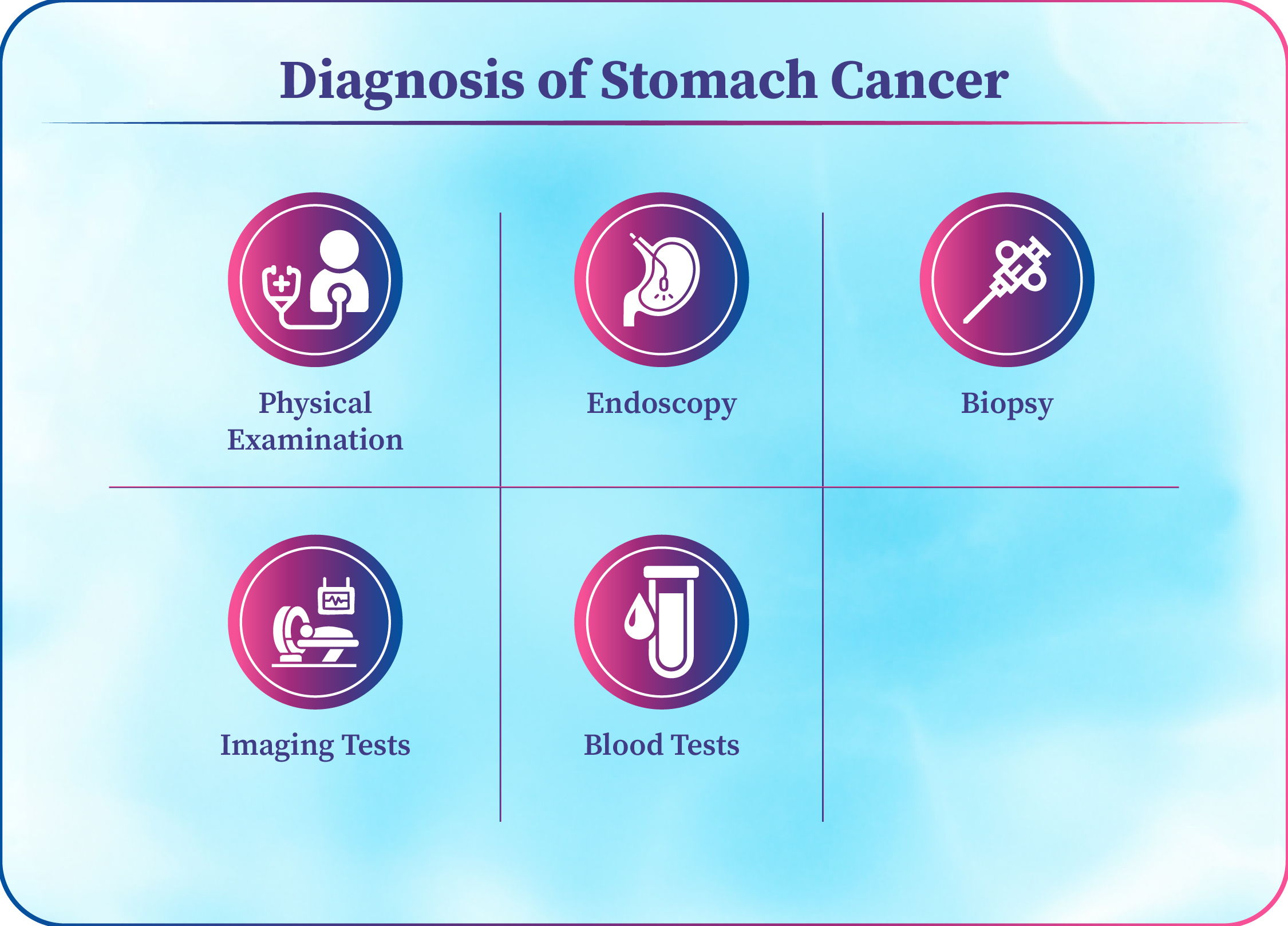
Accurate diagnosis is the foundation of effective treatment. Dr. Rajesh Shinde follows a systematic approach to diagnose stomach cancer:
Medical History and Physical Examination: The doctor assesses symptoms, dietary habits, family history, and overall health.
Endoscopy: TA thin tube with a camera is inserted into the stomach to visualize abnormalities. A biopsy is taken if suspicious areas are seen.
Biopsy: A small tissue sample is examined under a microscope to confirm cancer.
Imaging Tests:
- CT scan
- MRI
- PET scan
- Ultrasound
These tests help determine the stage and spread of cancer.
Blood Tests: Used to assess anemia, liver function, and overall health.
Treatment Options for Stomach (Gastric) Cancer
Treatment depends on the stage, location of the tumor, patient’s health, and nutritional status. Dr. Rajesh Shinde uses a multidisciplinary approach involving surgeons, medical oncologists, radiation oncologists, nutritionists, and supportive care specialists.
1. Surgery for Stomach Cancer: Surgery is the most effective treatment when cancer is detected at an operable stage.
Types of surgery include:
Partial gastrectomy: Removal of part of the stomach
Total gastrectomy:Removal of the entire stomach
Lymph node dissection: Removal of surrounding lymph nodes
Reconstruction surgery: To restore digestive continuity
Surgery aims to completely remove the tumor while preserving as much function as possible.
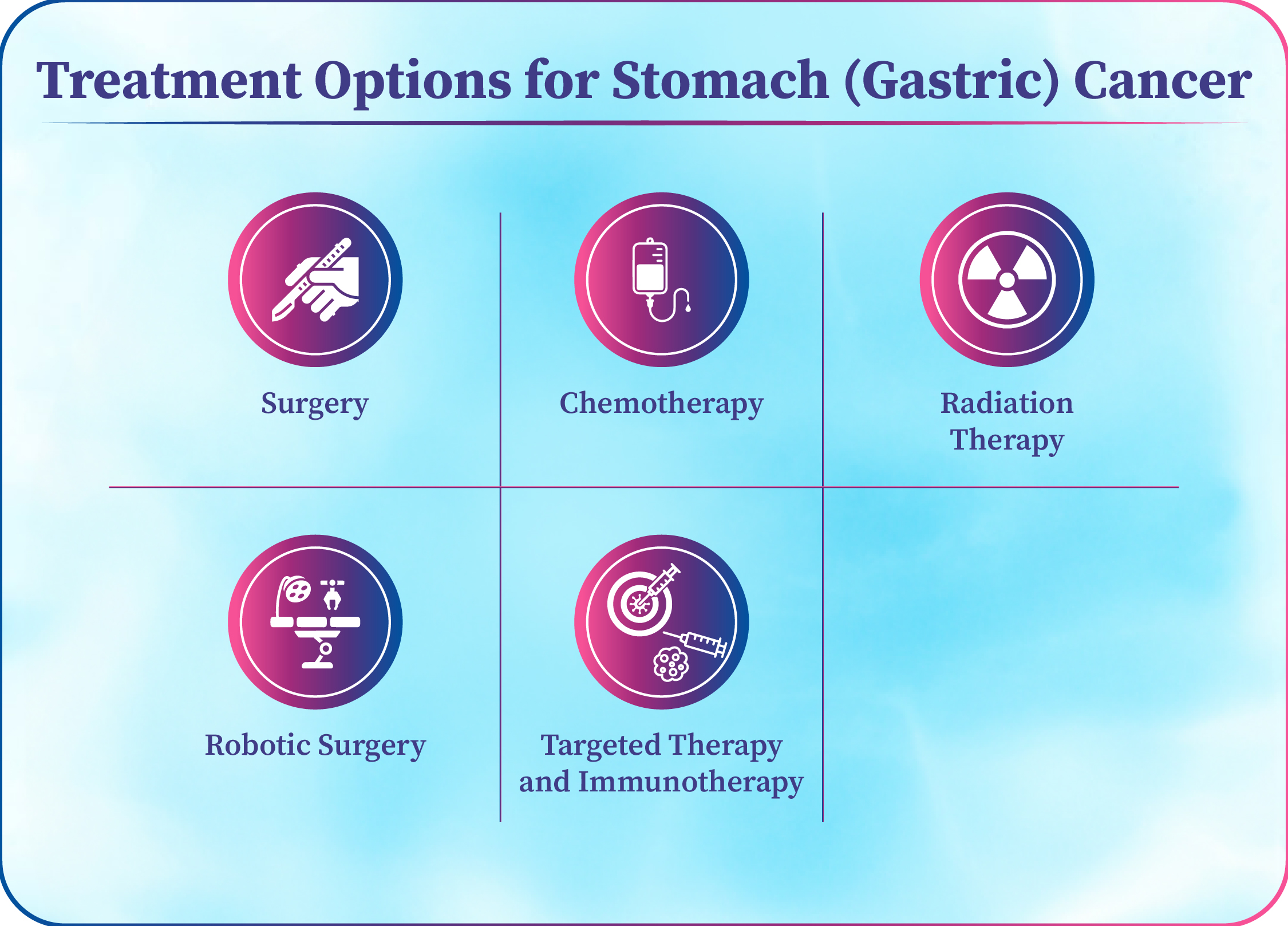
2. Robotic Surgery for Stomach Cancer: Robotic surgery represents a major advancement in stomach cancer treatment. Dr. Rajesh Shinde is trained in advanced minimally invasive surgical techniques, including robotic-assisted gastrectomy.
What is Robotic Surgery?
Robotic surgery uses computer-assisted robotic arms controlled by the surgeon. It allows highly precise movements and enhanced visualization of the surgical field.
Benefits of Robotic Surgery for Gastric Cancer
Smaller incisions
Reduced blood loss
Greater surgical precision
Less postoperative pain
Faster recovery
Shorter hospital stay
Lower risk of complications
Better lymph node dissection
Improved cosmetic results
Robotic surgery is especially useful for:
Early-stage gastric cancer
Complex tumor locations
Patients requiring lymph node removal
Patients who prefer minimally invasive surgery
3. Chemotherapy for Stomach Cancer: Chemotherapy uses drugs to destroy cancer cells or slow their growth. It may be given:
Before surgery (neoadjuvant chemotherapy) to shrink the tumor
After surgery (adjuvant chemotherapy) to reduce recurrence risk
For advanced cancer to control symptoms and improve survival
Chemotherapy can be given orally or through injections. Side effects are managed with supportive care.
4. Radiation Therapy: Radiation therapy uses high-energy rays to kill cancer cells. It may be used:
Along with chemotherapy
After surgery to kill remaining cancer cells
To relieve pain and bleeding in advanced stages
Modern radiation techniques reduce damage to healthy tissues.
5. Targeted Therapy and Immunotherapy: Some stomach cancers have specific genetic changes. Targeted therapy focuses on these changes. Immunotherapy strengthens the immune system to fight cancer.These advanced treatments may be recommended in selected patients after special testing.
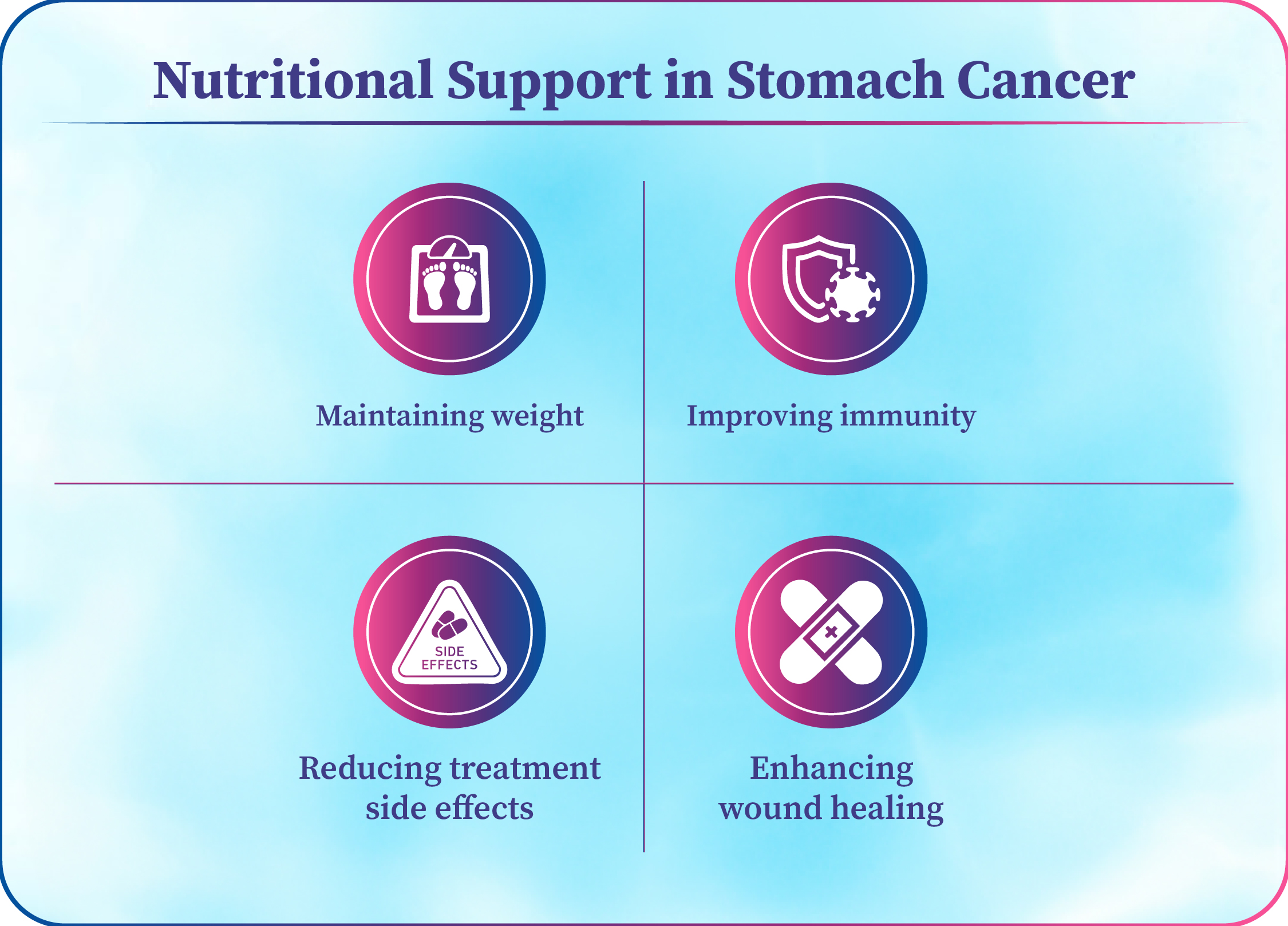
Nutritional Support in Stomach Cancer
Nutrition plays a vital role in recovery. Patients often struggle with eating
due to reduced stomach capacity or digestive changes.
A specialized nutrition plan
helps in:
Maintaining weight
Improving immunity
Reducing treatment side effects
Enhancing wound healing
Patients are advised to eat small frequent meals and high-protein foods.
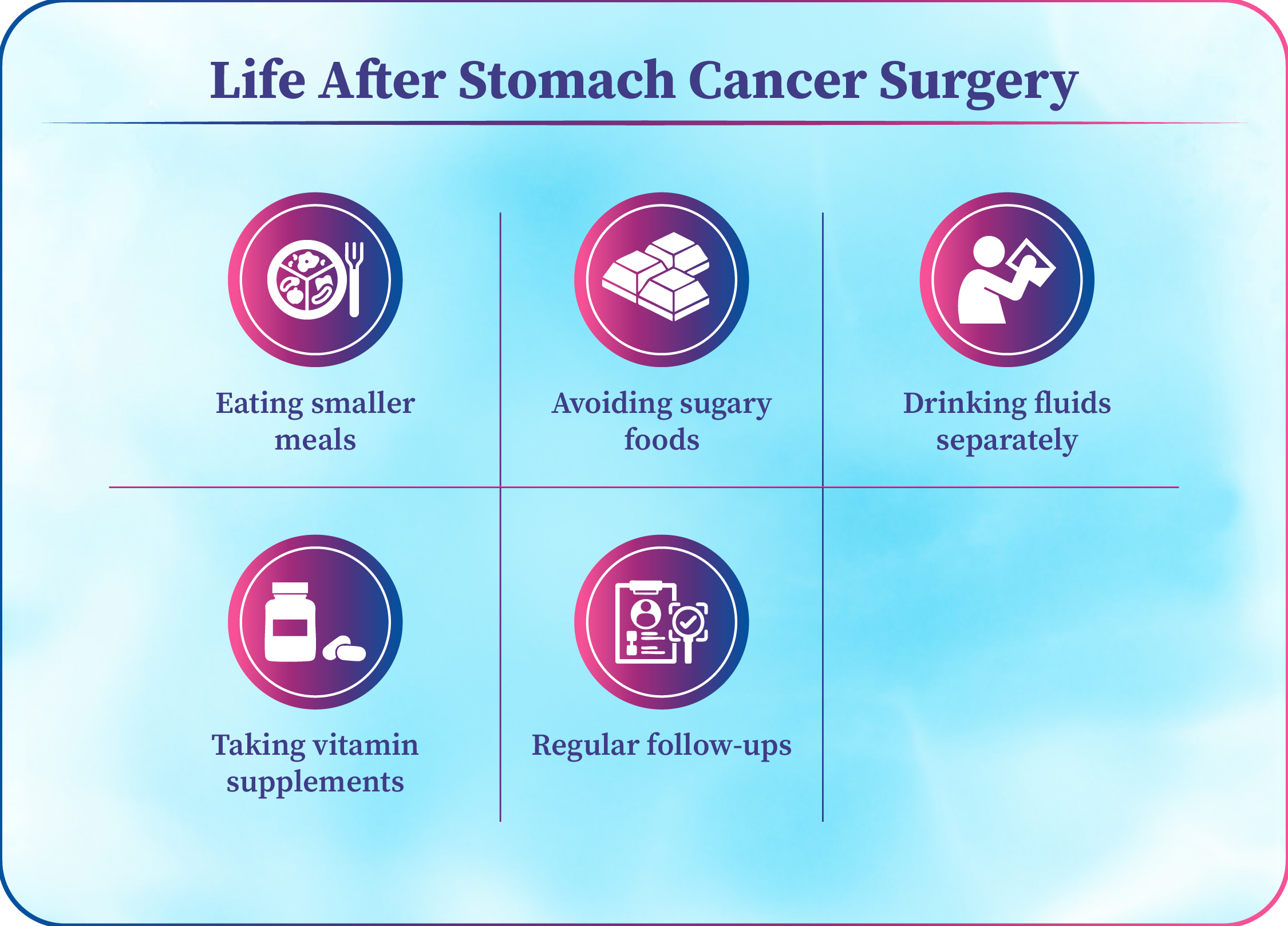
Life After Stomach Cancer Surgery
After stomach surgery, patients need time to adjust to new eating habits. Common adjustments include:
Eating smaller meals
Avoiding sugary foods
Drinking fluids separately
Taking vitamin supplements
Regular follow-ups
Most patients gradually return to normal life with proper guidance.
Importance of Early Detection
Early detection dramatically improves survival rates in gastric cancer. Regular health checkups and prompt evaluation of persistent digestive symptoms can save lives.
High-risk individuals should undergo periodic screening.
Why Choose Dr. Rajesh Shinde for Stomach Cancer Treatment?
Dr. Rajesh Shinde is recognized for his expertise in gastrointestinal and
stomach cancers.
His patient-focused approach ensures that each treatment plan is personalized.
Key
strengths include:
Extensive experience in gastric cancer surgery
Expertise in robotic and minimally invasive techniques
Multidisciplinary treatment planning
High standards of safety and hygiene
Focus on patient comfort and recovery
Ethical and transparent treatment
Continuous follow-up and long-term care
Patients receive not only medical treatment but emotional and psychological support.
Book a Consultation with Dr. Rajesh Shinde
If you or a loved one has been diagnosed with stomach cancer, early expert care is essential. Dr. Rajesh Shinde offers complete evaluation and advanced treatment options, including robotic surgery for stomach cancer.
A timely consultation can make all the difference.
Faq's