Thoracic Cancer Surgery
Cancer affecting the chest area can be frightening for patients and families. However, with modern medical technology and experienced surgeons, thoracic cancers can now be treated more effectively than ever before.
Thoracic cancer surgery is a specialized surgical treatment used to remove cancers that develop in the chest region, including the lungs, esophagus, mediastinum, and chest wall. The goal of the surgery is to remove cancerous tumors while preserving as much healthy tissue as possible.
If you or a loved one has been diagnosed with thoracic cancer, it is important to consult an experienced specialist. Dr. Rajesh Shinde, a highly skilled thoracic cancer surgeon, provides advanced surgical treatment using modern minimally invasive techniques to ensure better outcomes and faster recovery.
Patients searching for the best thoracic cancer surgeon, thoracic cancer surgery specialist, or advanced thoracic cancer treatment can rely on Dr. Rajesh Shinde’s expertise and compassionate care.
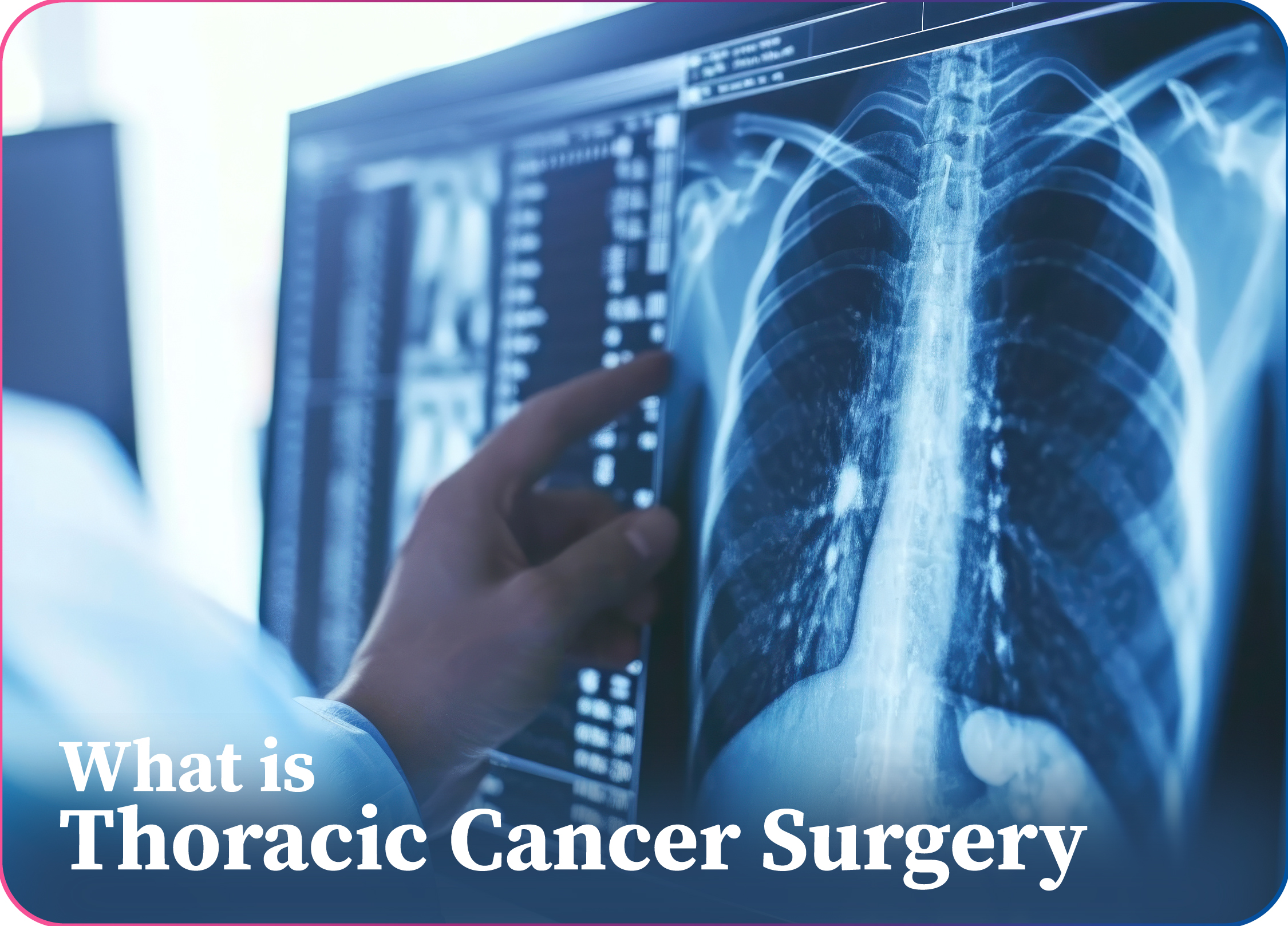
Understanding Thoracic Cancer
Thoracic cancer refers to cancers that occur in the organs located inside the chest cavity (thorax). These cancers can affect several structures including:
Lungs
Esophagus (food pipe)
Mediastinum (area between the lungs)
Chest wall
Pleura (lining around the lungs)
Thymus gland
Thoracic cancer refers to cancers that occur in the organs located inside the chest cavity (thorax). These cancers can affect several structures including:
Thoracic cancers can grow silently for a long time before symptoms appear. This is why early detectionand expert surgical treatment play a very important role in improving survival and recovery.
Types of Thoracic Cancers Treated with Surgery
Thoracic cancer surgery is performed to treat several types of cancers in the chest region.
1. Lung Cancer: Lung cancer occurs when abnormal cells grow uncontrollably in lung tissue. Surgery is often the most effective treatment for early-stage lung cancer. Procedures include:
Lobectomy (removal of one lung lobe)
Pneumonectomy (removal of an entire lung)
Segmentectomy (removal of part of the lung)
Wedge resection
Dr. Rajesh Shinde, a specialist in thoracic cancer surgery, performs advanced lung cancer surgeries using minimally invasive approaches whenever possible
2. Esophageal Cancer: Esophageal cancer affects the food pipe that connects the throat to the stomach.Symptoms may include:
Difficulty swallowing
Weight loss
Chest discomfort
Persistent cough
Treatment often involves esophagectomy, where the cancerous portion of the esophagus is surgically removed.
3. Mediastinal Tumors: The mediastinum is the space between the lungs where vital structures such as the heart, trachea, and lymph nodes are located.Tumors in this region may include:
Thymoma
Lymphoma
Germ cell tumors
Neurogenic tumors
Thoracic cancer surgery helps remove these tumors safely while protecting nearby organs.
4. Pleural Cancer (Mesothelioma): Pleural cancer affects the lining of the lungs and is often associated with asbestos exposure.Treatment may include:
Pleurectomy
Extrapleural pneumonectomy
Tumor removal surgery
These procedures require a highly experienced thoracic cancer surgeon like Dr. Rajesh Shinde.
5. Chest Wall Tumors:Chest wall tumors may originate from:
Bone
Muscle
Cartilage
Connective tissue
Surgical removal of these tumors often requires reconstruction of the chest wall to maintain stability and breathing function.
Symptoms of Thoracic Cancer
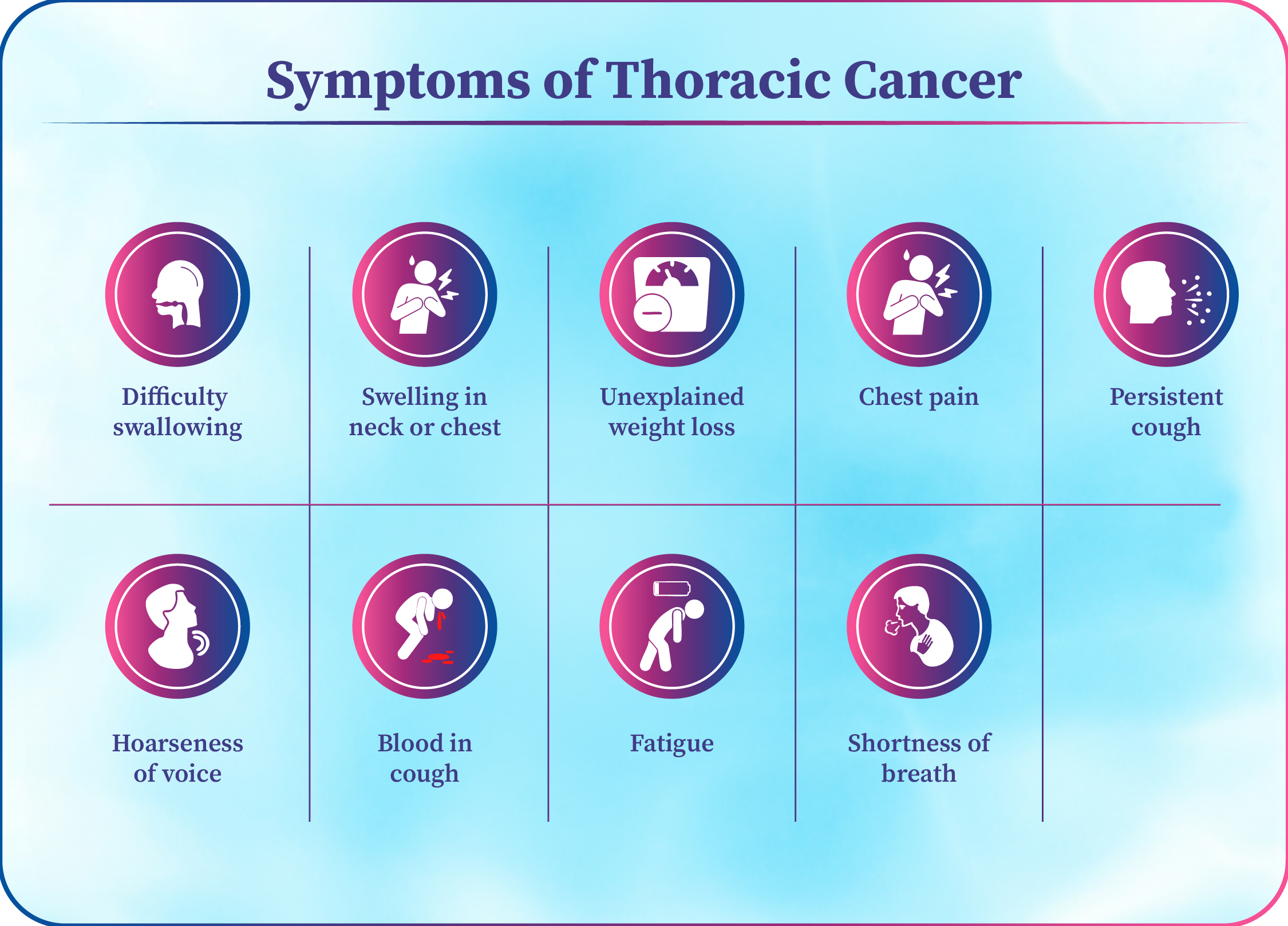
Thoracic cancers may cause different symptoms depending on the location and stage of the tumor.
Common symptoms include:
Persistent cough
Chest pain
Shortness of breath
Difficulty swallowing
Unexplained weight loss
Fatigue
Blood in cough (hemoptysis)
Hoarseness of voice
Swelling in neck or chest
If you experience any of these symptoms, it is important to consult a thoracic cancer specialist like Dr.Rajesh Shinde for proper diagnosis
When is Thoracic Cancer Surgery Needed?
Thoracic cancer surgery is recommended when
The tumor can be safely removed
Cancer is detected in early or localized stages
Surgery can improve survival
Other treatments such as chemotherapy or radiation need surgical support
Tumor is causing severe symptoms
In some cases, surgery may be combined with:
Chemotherapy
Radiation therapy
Immunotherapy
Targeted therapy
This multidisciplinary approach ensures the best possible outcomes for patients.
Modern Techniques Used in Thoracic Cancer Surgery
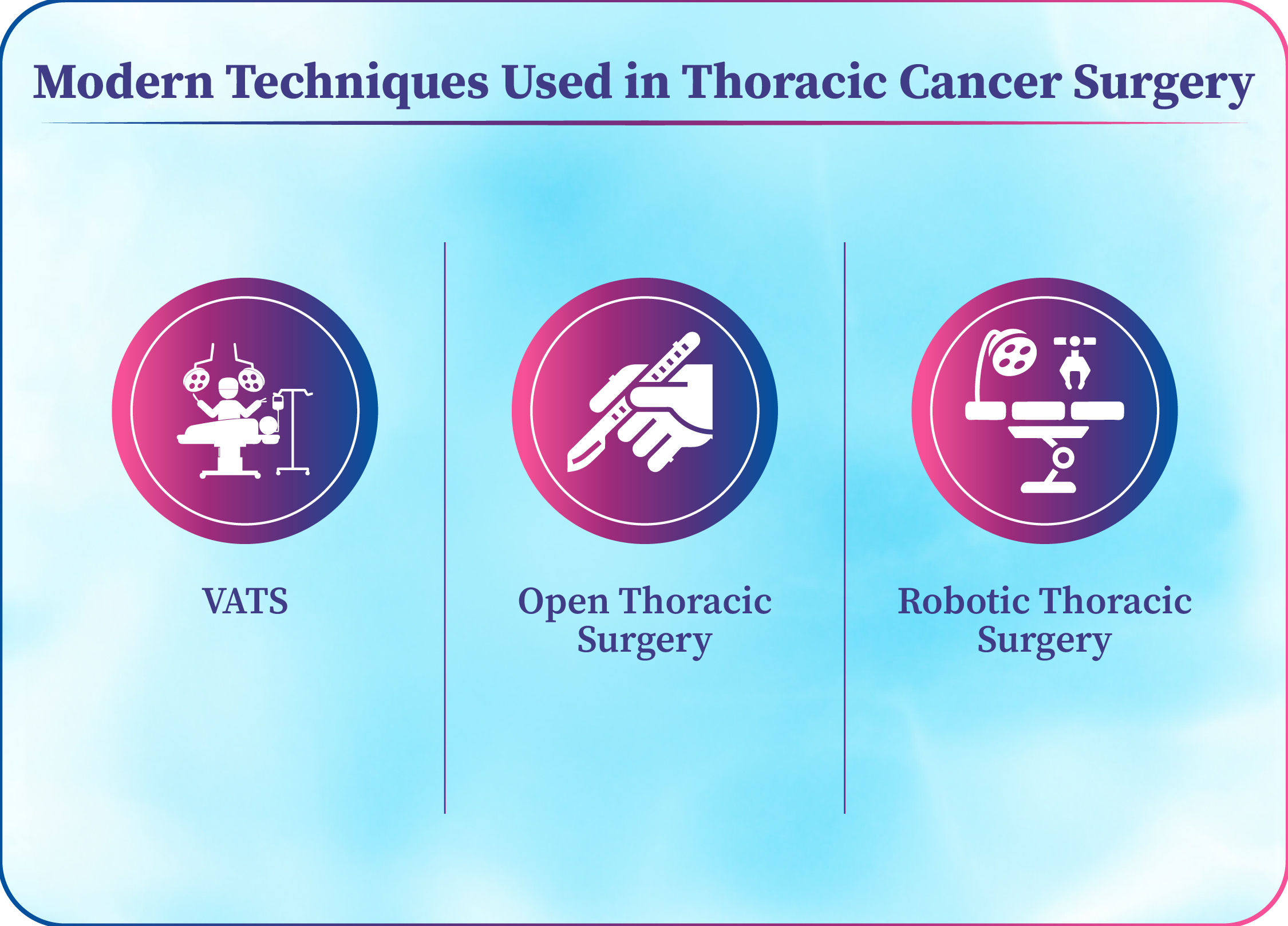
Medical advancements have transformed thoracic cancer treatment. Today, many surgeries can be performed using minimally invasive techniques, leading to better recovery and fewer complications.
1. VATS (Video Assisted Thoracic Surgery): VATS is a minimally invasive procedure where surgery is performed through small incisions using a camera and specialized instruments. Benefits include:
Smaller scars
Less pain
Faster recovery
Shorter hospital stay
Reduced complications
Dr. Rajesh Shinde is experienced in performing advanced VATS procedures for thoracic cancers.
2. Robotic Thoracic Surgery: Robotic surgery allows surgeons
to perform extremely precise procedures using robotic arms controlled by the surgeon.
Advantages include:
High precision
Better visualization
Improved surgical accuracy
Faster healing
3. Open Thoracic Surgery: In complex cancer cases, traditional open surgery may still be required to completely remove the tumor.This approach may be necessary for:
Large tumors
Tumors involving major blood vessels
Advanced cancer cases
Diagnosis Before Thoracic Cancer Surgery
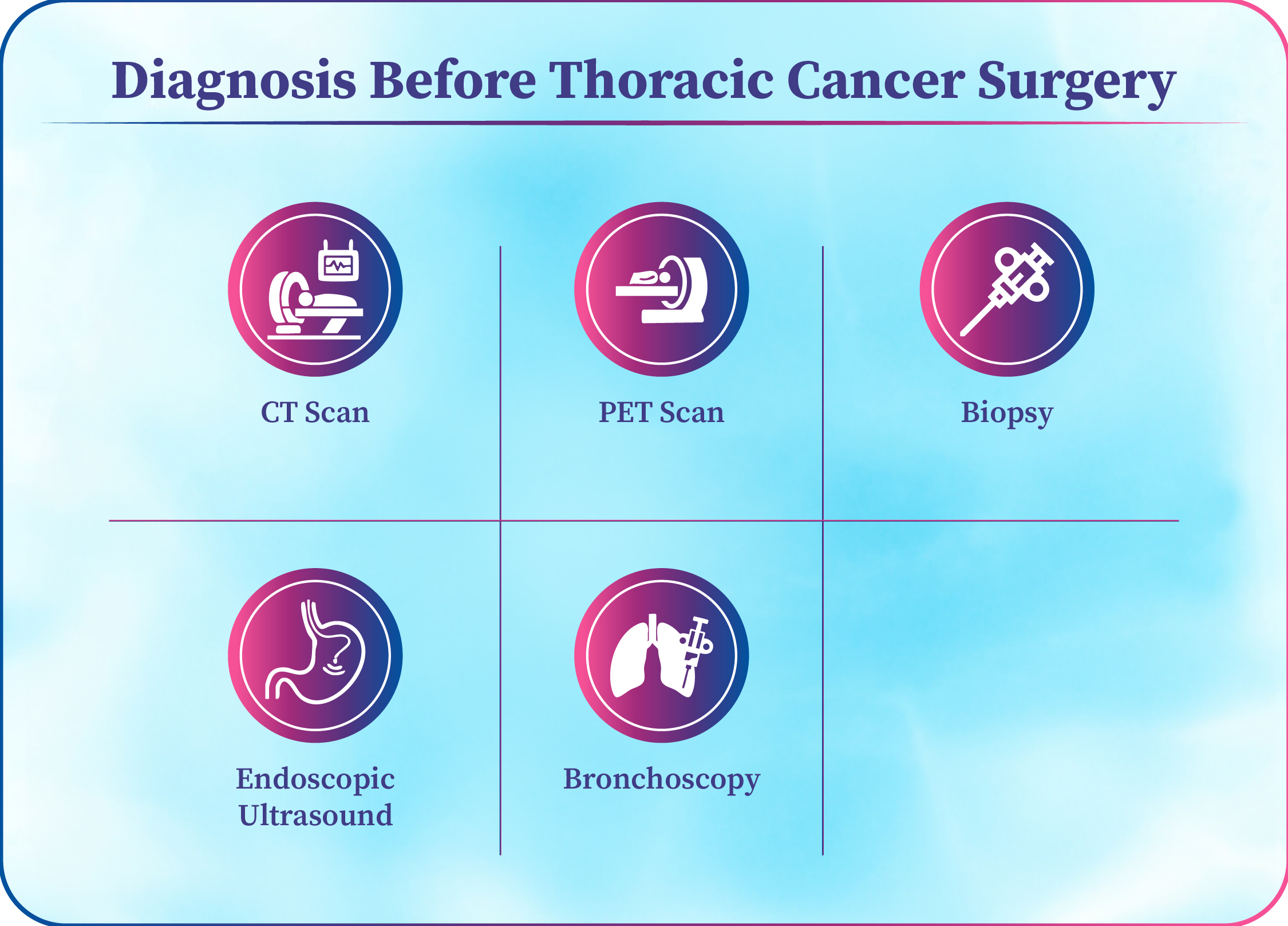
Before recommending surgery, a detailed diagnosis is required to understand the
type and stage of cancer.
Common diagnostic tests include:
CT Scan: Provides detailed images of the chest to detect tumors.
PET Scan: Helps determine whether cancer has spread to other parts of the body.
Biopsy: A small sample of tissue is taken to confirm cancer.
Bronchoscopy: Allows doctors to examine the airways and collect tissue samples.
Endoscopic Ultrasound: Allows doctors to examine the airways and collect tissue samples.
Dr. Rajesh Shinde carefully evaluates all diagnostic results before creating a personalized surgical treatment plan.
Preparing for Thoracic Cancer Surgery
Preparation before surgery is important to ensure the best possible outcomes.
Patients may undergo:
Blood tests
Lung function tests
Heart evaluation
Nutritional assessment
Patients are also advised to:
Stop smoking
Maintain a healthy diet
Stay physically active
Follow pre-surgery instructions given by the doctor
Dr. Rajesh Shinde and his medical team guide patients throughout the preparation process.
What Happens During Thoracic Cancer Surgery?
The surgical procedure depends on the type and location of the cancer.
However, the general process includes:
The patient is given general anesthesia.
The surgeon makes small or larger incisions depending on the surgical technique.
Cancerous tissue is carefully removed.
Nearby lymph nodes may also be removed for staging.
The incision is closed after ensuring proper bleeding control.
The surgery may take 2 to 6 hours, depending on complexity.
Recovery After Thoracic Cancer Surgery
Recovery varies from patient to patient depending on the procedure performed.
Most patients stay in the hospital for 3 to 7 days.
During recovery:
Pain management medications are provided
Breathing exercises are encouraged
Early walking is recommended
Nutritional support is given
Full recovery may take 4 to 8 weeks.
Dr. Rajesh Shinde closely monitors recovery to ensure patients return to normal life as soon as possible.
Benefits of Thoracic Cancer Surgery
Thoracic cancer surgery offers several benefits when performed at the right
stage.
Key advantages include:
Complete removal of cancer
Improved survival rates
Reduced symptoms
Better quality of life
Accurate staging of cancer
Possibility of cure in early stages
This is why choosing an experienced thoracic cancer surgeon like Dr. Rajesh Shinde is extremely important.
Why Choose Dr. Rajesh Shinde for Thoracic Cancer Surgery?
Selecting the right surgeon plays a crucial role in successful cancer
treatment.Dr. Rajesh Shinde is known for providing advanced and patient-focused thoracic
cancer care.
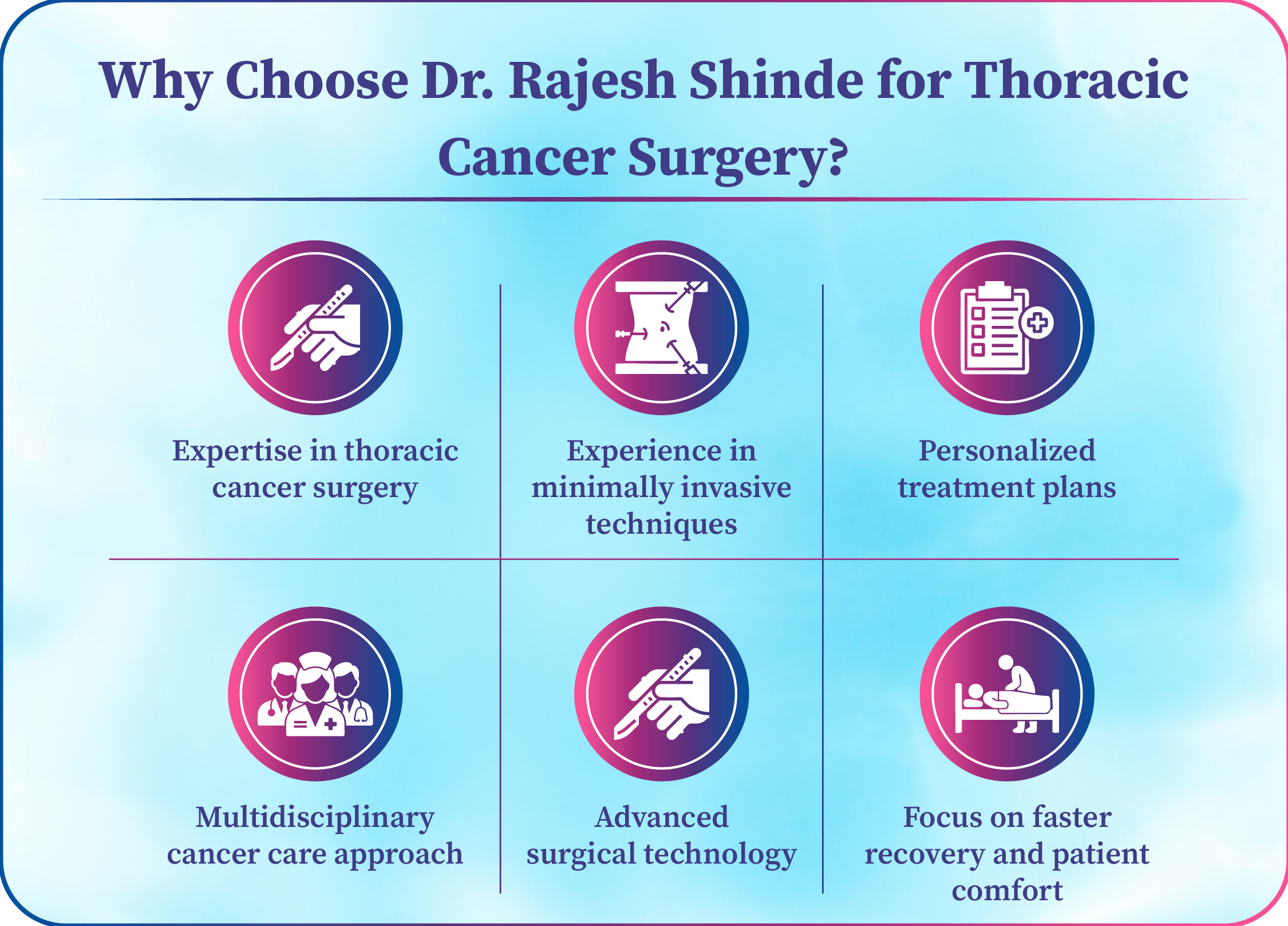
Reasons patients trust Dr. Rajesh Shinde include:
Expertise in thoracic cancer surgery
Experience in minimally invasive techniques
Personalized treatment plans
Multidisciplinary cancer care approach+
Advanced surgical technology
Focus on faster recovery and patient comfort
Patients searching online for the best thoracic cancer surgeon, thoracic oncology surgery specialist, or thoracic cancer treatment expert often choose Dr. Rajesh Shinde for his experience and compassionate care.
Life After Thoracic Cancer Surgery
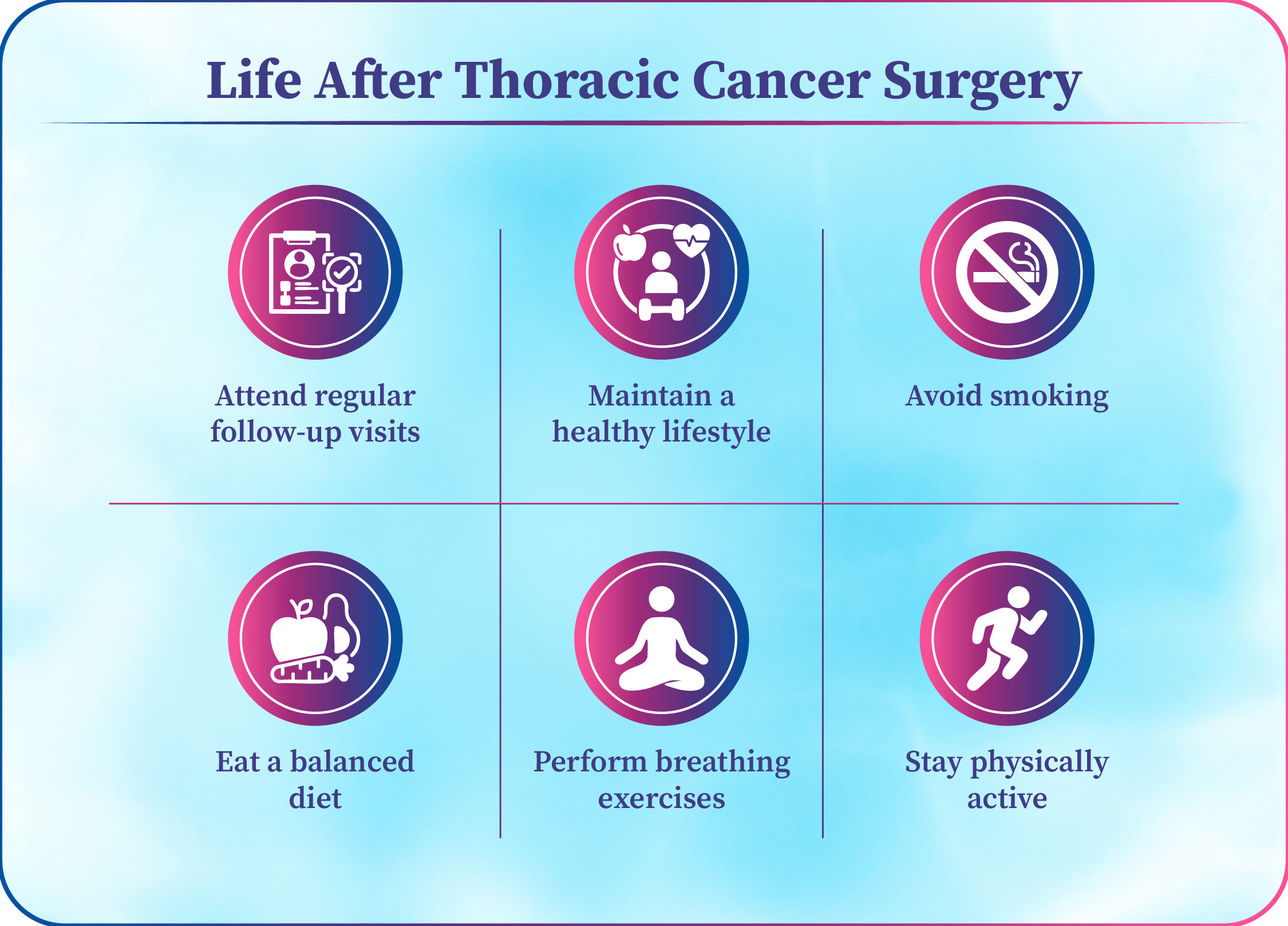
After surgery, long-term care and follow-up are essential.Patients are advised to:
Attend regular follow-up visits
Maintain a healthy lifestyle
Avoid smoking
Eat a balanced diet
Perform breathing exercises
Stay physically active
These lifestyle changes can significantly improve recovery and overall health.
Consult Dr. Rajesh Shinde for Thoracic Cancer Surgery
Thoracic cancer requires expert surgical treatment, advanced technology, and compassionate care. Early consultation with a skilled thoracic cancer surgeon can significantly improve treatment outcomes.
If you or a loved one has been diagnosed with thoracic cancer, consult Dr. Rajesh Shinde, an experienced specialist in thoracic cancer surgery, for comprehensive evaluation and personalized treatment.
With modern surgical techniques and patient-centered care, Dr. Rajesh Shinde aims to provide the best possible results and help patients regain a healthy and fulfilling life.
Faq's