VATS Surgery
When it comes to treating diseases of the chest, lungs, and thoracic organs, modern medicine has made significant advancements. One of the most advanced and minimally invasive procedures available today is VATS – Video-Assisted Thoracic Surgery. This surgical technique allows doctors to treat complex chest conditions with smaller incisions, less pain, and faster recovery compared to traditional open surgery.
If you or your loved one has been diagnosed with a lung condition, chest tumor, or thoracic disease, VATS surgery performed by an experienced thoracic surgeon can be life-changing. Dr. Rajesh Shinde, a highly experienced specialist in minimally invasive thoracic procedures, offers advanced VATS surgery using modern techniques and patient-focused care.
Patients searching for VATS surgery, minimally invasive lung surgery, thoracic surgery specialist, and advanced chest surgery treatments often prefer this technique because it reduces complications and improves recovery time.
With expertise, precision, and patient-centered care, Dr. Rajesh Shinde provides safe and effectiveVATS surgery, helping patients return to normal life faster.
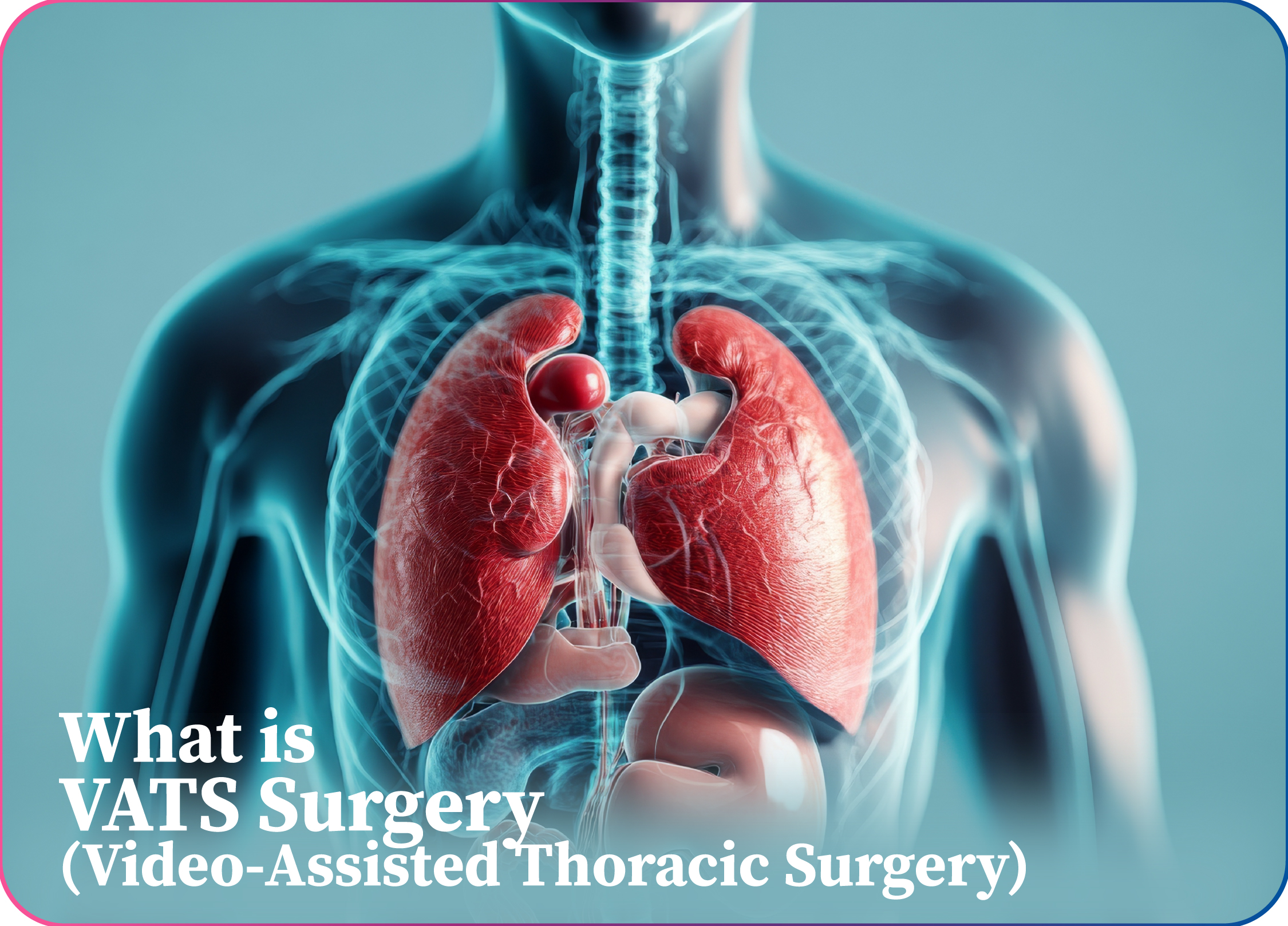
What is VATS (Video-Assisted Thoracic Surgery)?
Video-Assisted Thoracic Surgery (VATS) is a minimally invasive surgical technique used to diagnose and treat diseases inside the chest cavity.
Instead of making a large incision like traditional thoracic surgery, VATS uses:
Small incisions (usually 2–3 cm)
A tiny high-definition camera called a thoracoscope
Special surgical instruments
The camera sends live images to a monitor, allowing the surgeon to perform the procedure with high precision and minimal trauma to the body.
Because of these advantages, VATS surgery is now widely used worldwide for lung diseases, chest tumors, and thoracic conditions
Patients looking for advanced thoracic surgery and minimally invasive lung surgery often prefer VATS because it is safer and more comfortable.
Conditions Treated with VATS Surgery
VATS surgery is used to treat a wide range of conditions affecting the lungs and chest cavity. With the expertise of Dr. Rajesh Shinde, patients can receive advanced treatment for various thoracic conditions.
These cancers often spread across surfaces rather than forming a single tumor. This makes it difficult to remove every cancer cell through surgery alone.
HITHOC helps by:
Lung Cancer: VATS is commonly used for early-stage lung cancer surgery. The surgeon removes the tumor while preserving as much healthy lung tissue as possible. Benefits include:
- Smaller incisions
- Less blood loss
- Faster recovery
- Reduced hospital stay
Patients searching for lung cancer surgery or thoracic cancer surgery often benefit from this minimally invasive approach.
Lung Nodules: Small abnormal growths called lung nodules are sometimes detected during scans. These nodules may be benign or cancerous. VATS allows doctors to:
- Diagnose suspicious nodules
- Remove abnormal tissue safely
- Prevent further complications
Pleural Effusion: Pleural
effusion is a condition where fluid accumulates around the lungs, making breathing
difficult.
Using VATS surgery, doctors can:
- Drain excess fluid
- Identify the cause
- Prevent recurrence
Pneumothorax (Collapsed Lung):
A pneumothorax occurs when air leaks into the chest cavity, causing the lung to
collapse.
VATS surgery helps by:
- Repairing the air leak
- Removing damaged lung tissue
- Preventing repeated collapse
Chest Infections and Empyema: Severe infections can cause pus to accumulate around the lungs. VATS allows surgeons toclean the infected area and treat the infection effectively.
Mediastinal Tumors: The mediastinum is the central area of the chest containing important organs.VATS surgery helps in removing tumors, cysts, or abnormal tissue safely.
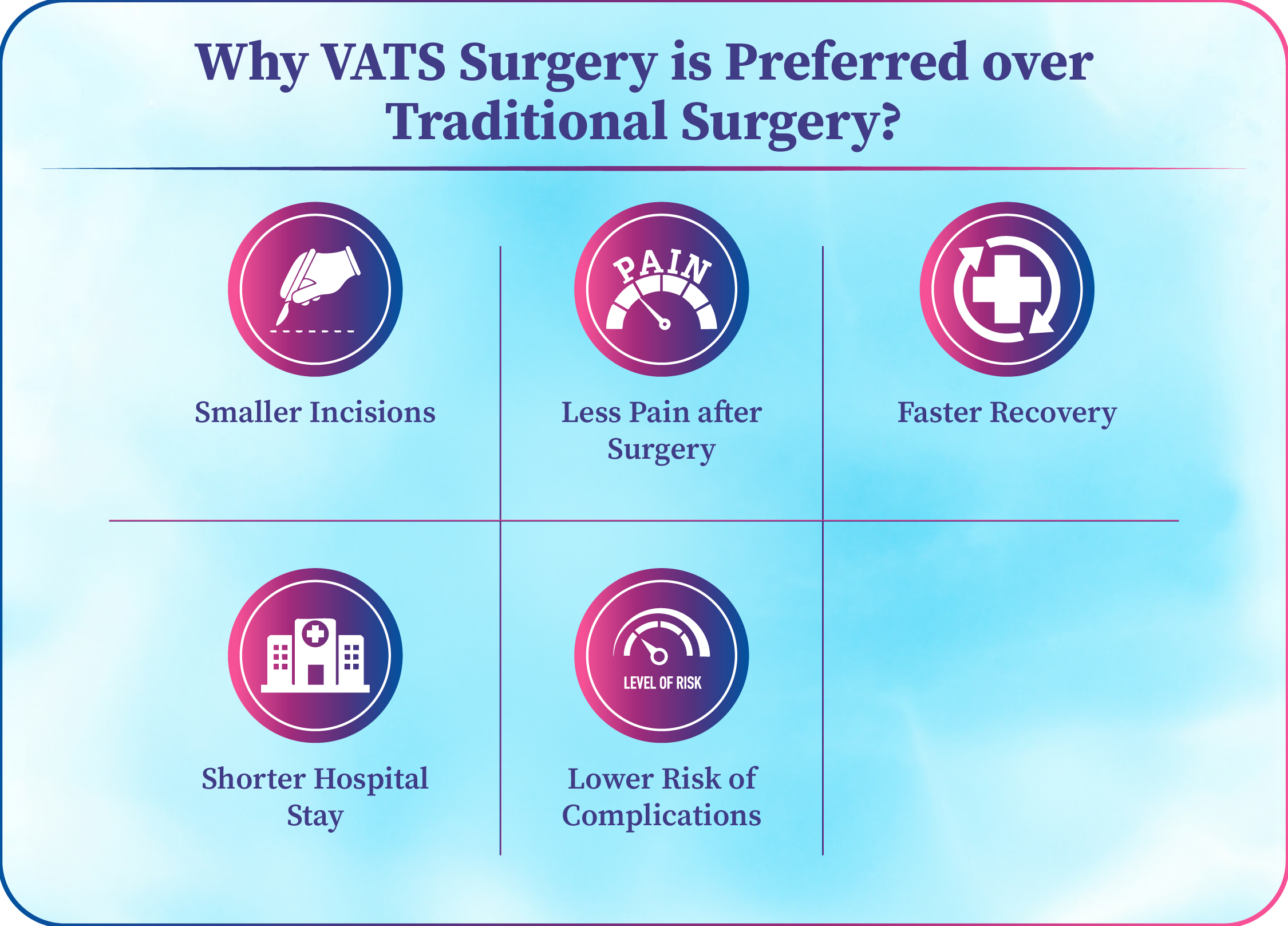
Why VATS Surgery is Preferred over Traditional Surgery?
Traditional thoracic surgery often requires large incisions and spreading of
the ribs, which can cause severe pain and long recovery times.
VATS surgery offers
several advantages.
These include:
Smaller Incisions: VATS requires only tiny cuts, which means less damage to muscles and tissues.
Less Pain after Surgery: Because the incisions are small, patients experience significantly less post-operative pain.
Faster Recovery: Patients can usually return to daily activities much sooner compared to open surgery.
Shorter Hospital Stay: Most patients undergoing VATS surgery can leave the hospital within 3 to 5 days, depending on the condition.
Lower Risk of Complications: Minimally invasive techniques reduce the risk of:
- Infection
- Excessive bleeding
- Lung complications
This makes VATS a preferred surgical option for many chest diseases.
How VATS Surgery is Performed?
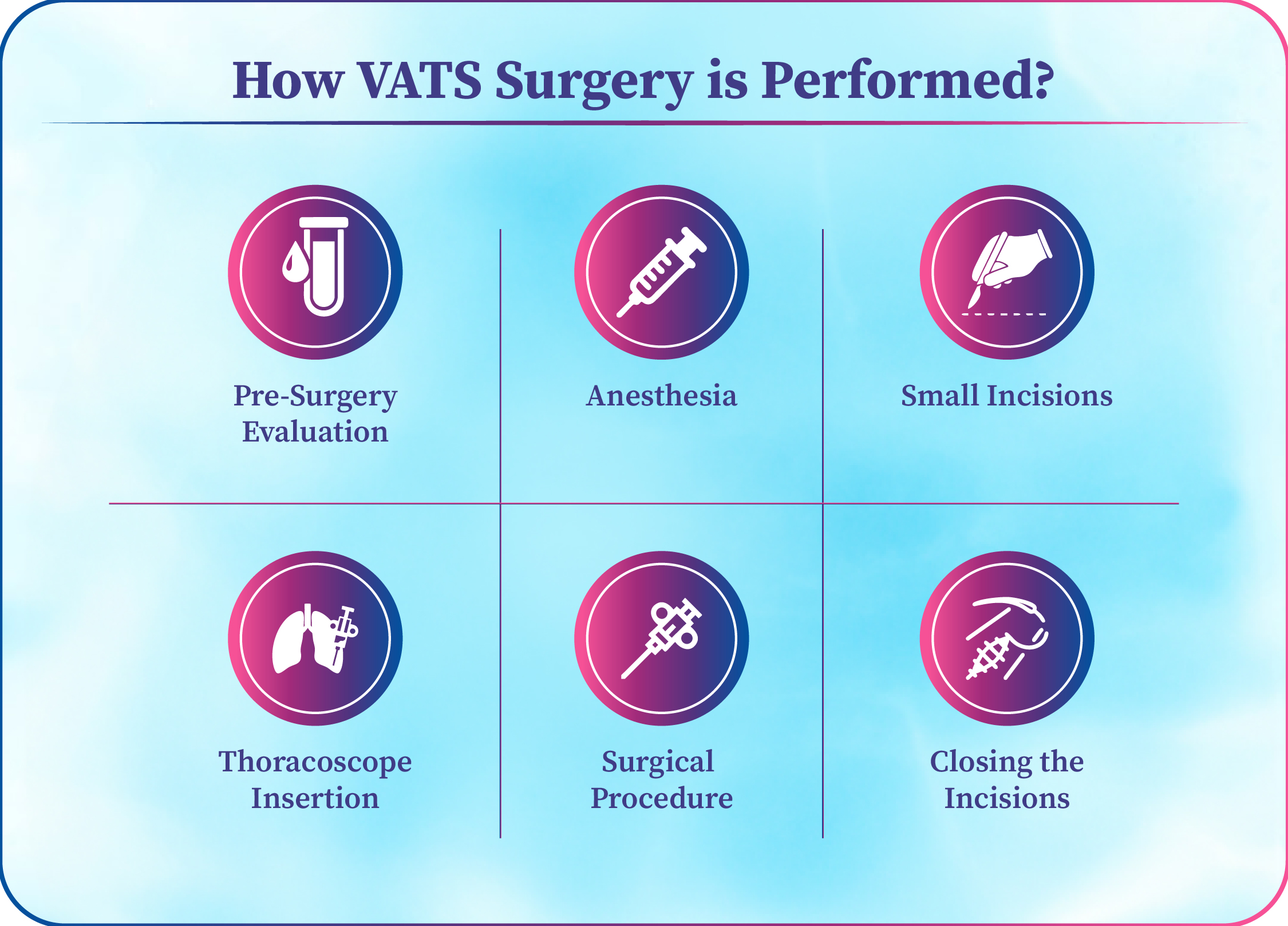
Understanding the procedure helps patients feel more comfortable before surgery.
Step 1: Pre-Surgery Evaluation Before the procedure, the doctor performs several tests such as:
- CT scan
- Chest X-ray
- Blood tests
- Lung function tests
These tests help the surgeon plan the surgery precisely.
Step 2: Anesthesia VATS surgery is performed under general anesthesia, meaning the patient will be asleep and pain-free during the procedure.
Step 3: Small IncisionsThe surgeon makes two or three small incisions in the chest wall.
Step 4: Thoracoscope Insertion A tiny camera called a thoracoscope is inserted through one incision. This camera sends high-definition images to a monitor.
Step 5: Surgical Procedure Using specialized instruments, the surgeon performs the required procedure, such as:
Step 5: Surgical Procedure Using specialized instruments, the surgeon performs the required procedure, such as:
- Removing tumors
- Repairing lung tissue
- Draining fluid
- Taking biopsy samples
Step 6: Closing the Incisions After the procedure is completed, the instruments are removed and the small incisions are closed with stitches.
A chest tube may be temporarily placed to drain fluid and help the lungs expand properly.
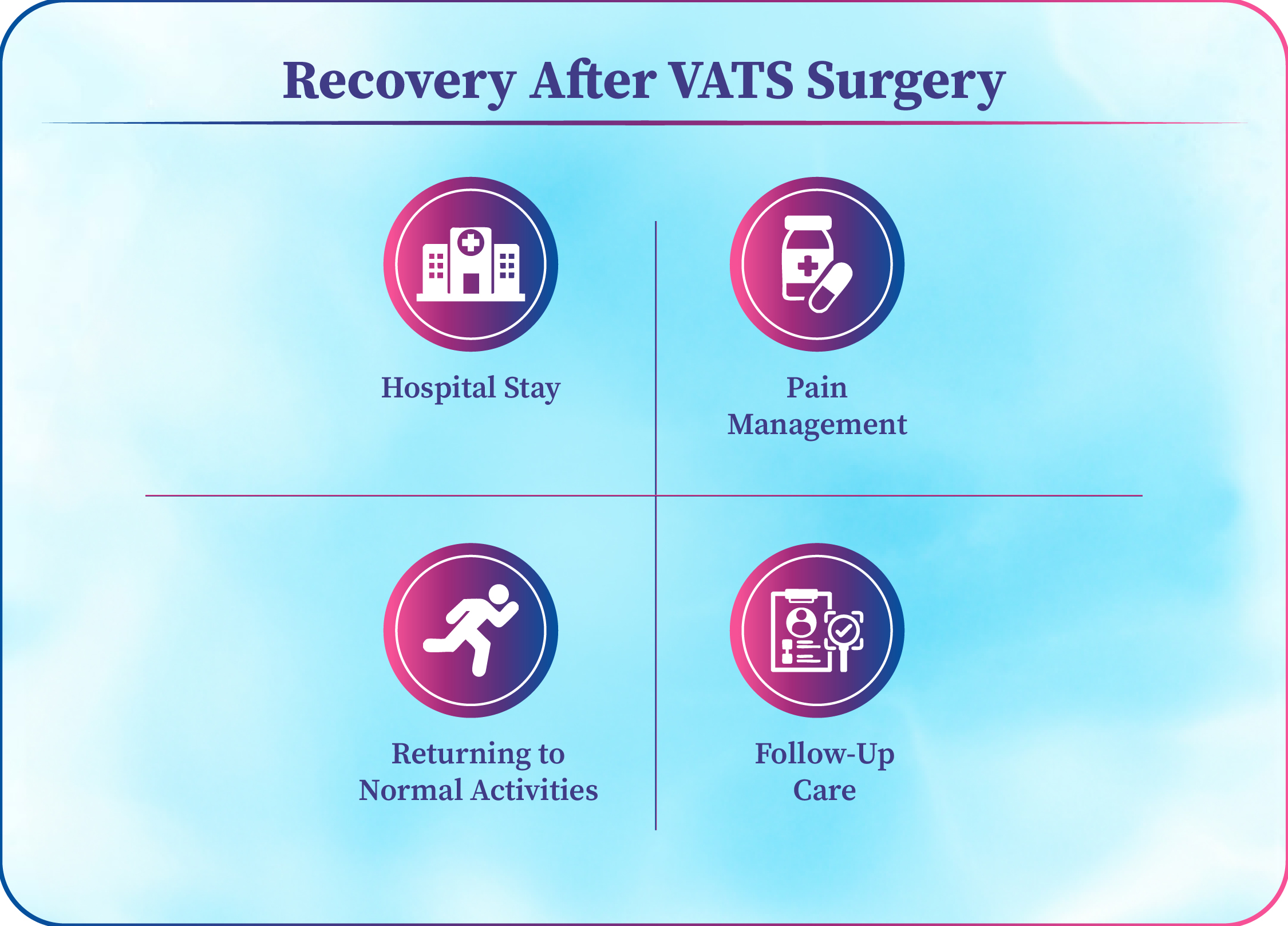
Recovery After VATS Surgery
Recovery after VATS surgery is generally quicker compared to traditional surgery.
Hospital Stay: Most patients stay in the hospital for 3–5 days.
Pain Management: Pain is usually mild and controlled with medication.
Returning to Normal Activities: Patients can typically return to normal daily activities within 2–3weeks.
Follow-Up Care: Regular follow-up visits with Dr. Rajesh Shinde ensure proper healing and monitor recovery.
Risks and Possible Complications
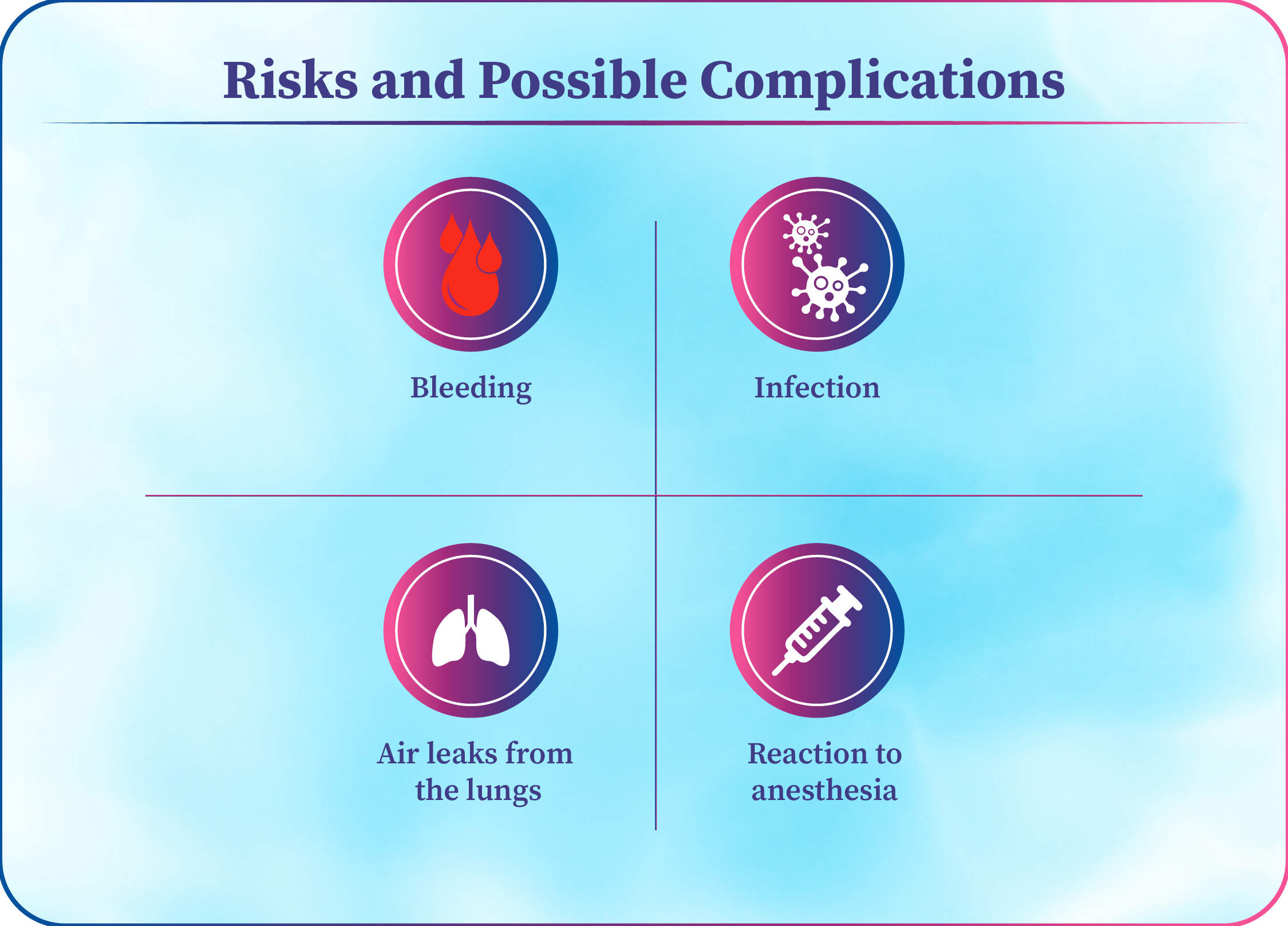
Although VATS surgery is safe and widely performed, like any surgical procedure, it carries some risks.
Possible complications include:
Bleeding
Infection
Air leaks from the lungs
Reaction to anesthesia
However, when performed by an experienced surgeon like Dr. Rajesh Shinde, the risk of complications is significantly reduced
Why Choose Dr. Rajesh Shinde for VATS Surgery
Choosing the right surgeon is one of the most important decisions when considering thoracic surgery.
Dr. Rajesh Shinde is known for his expertise in advanced thoracic procedures and minimally invasive surgeries.
Patients choose him for several reasons.
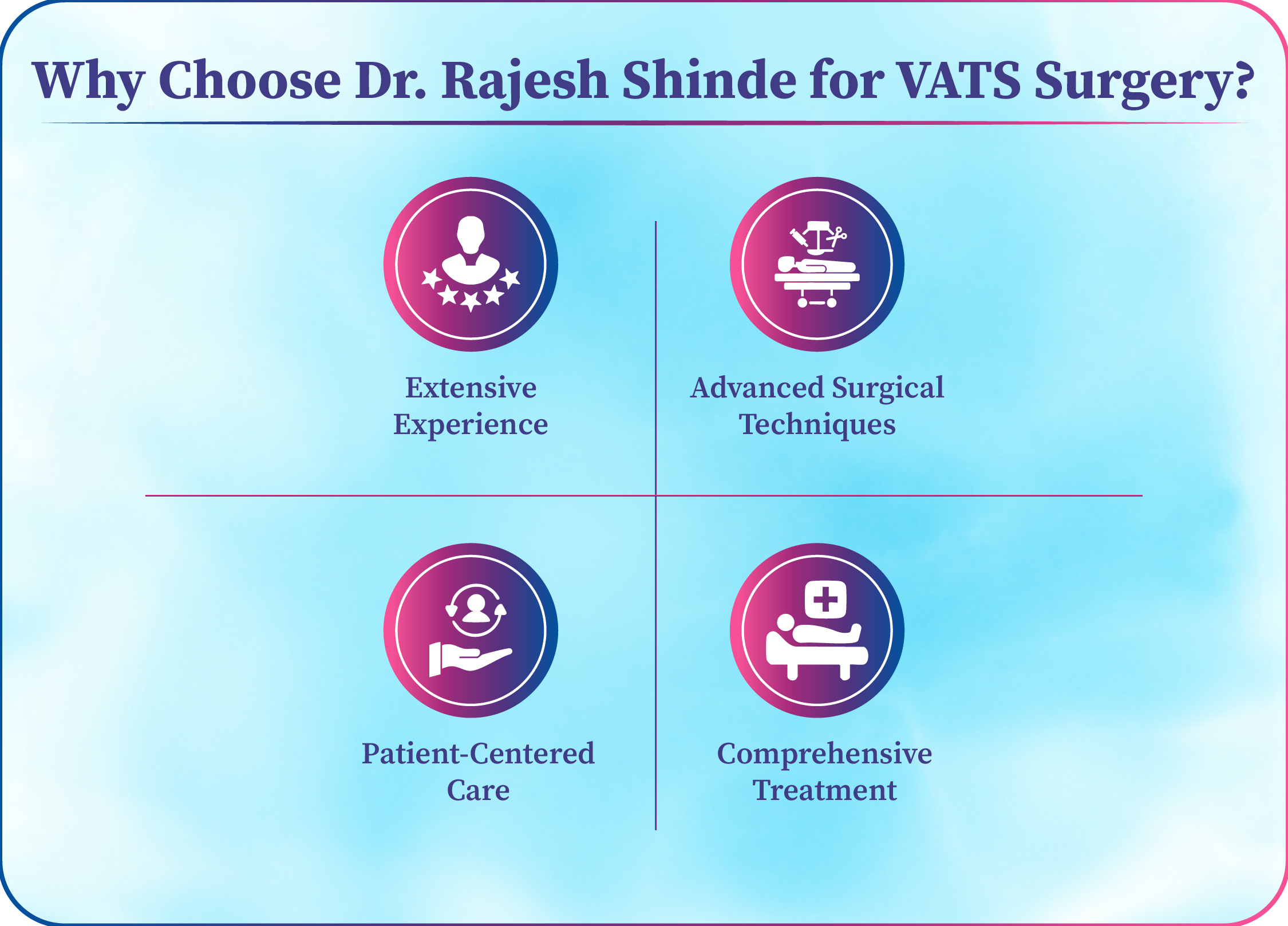
Extensive Experience: Dr. Rajesh Shinde has extensive experience in VATS surgery and thoracicprocedures, ensuring safe and precise treatment.
Advanced Surgical Techniques: He uses modern minimally invasive techniques, reducing patient discomfort and improving outcomes.
Patient-Centered Care Each patient receives personalized treatment plans designed to provide the best possible results
Comprehensive Treatment From diagnosis to surgery and recovery, patients receive complete thoracic care under expert supervision.
Preparing for VATS Surgery
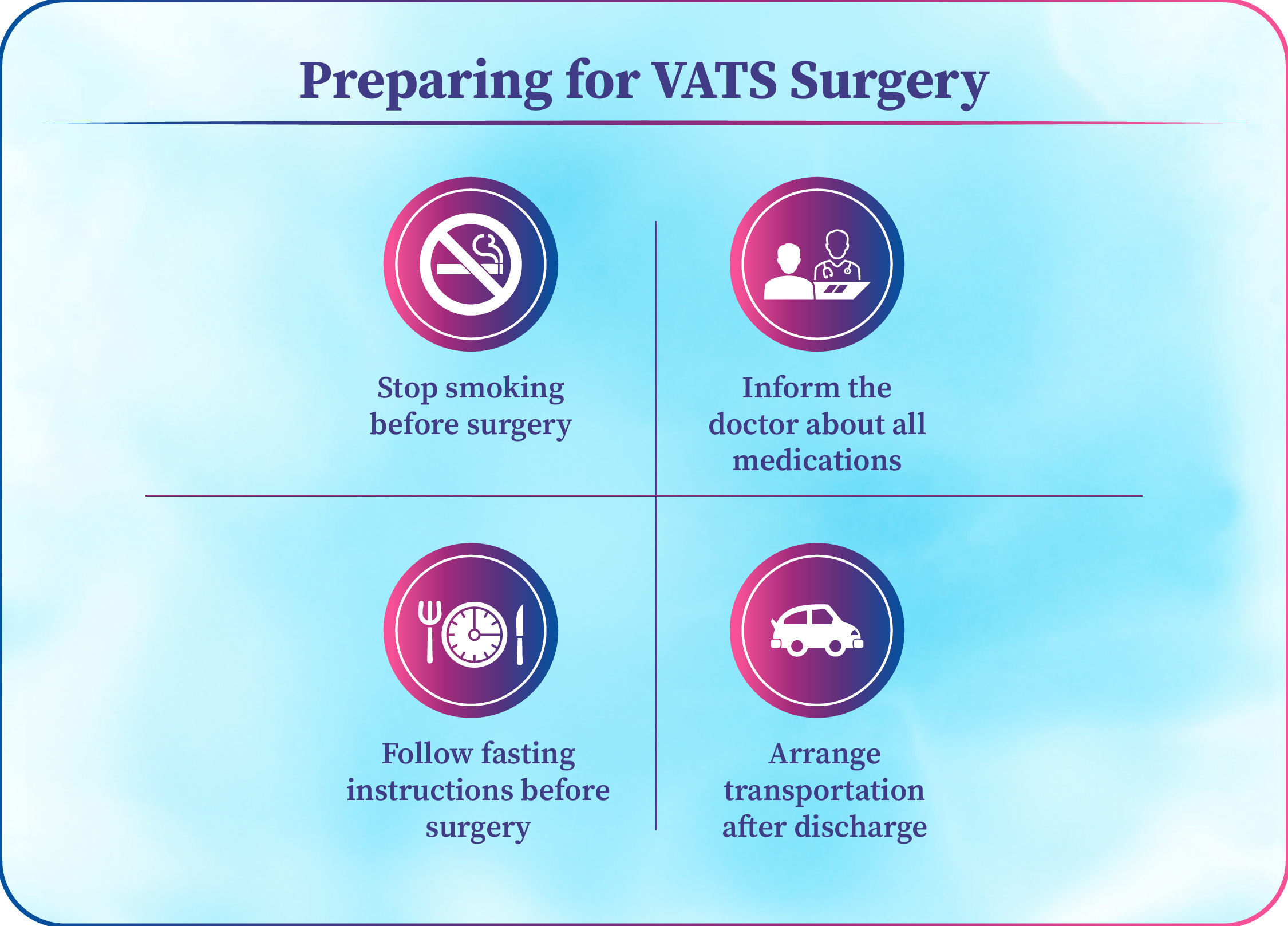
Patients can prepare for surgery by following some simple steps.
Stop smoking before surgery
Inform the doctor about all medications
Follow fasting instructions before surgery
Arrange transportation after discharge
Proper preparation helps ensure a smooth surgical experience and faster recovery.
Life After VATS Surgery
After successful surgery, many patients experience significant improvement in breathing and overall health.
Maintaining a healthy lifestyle after surgery is important.
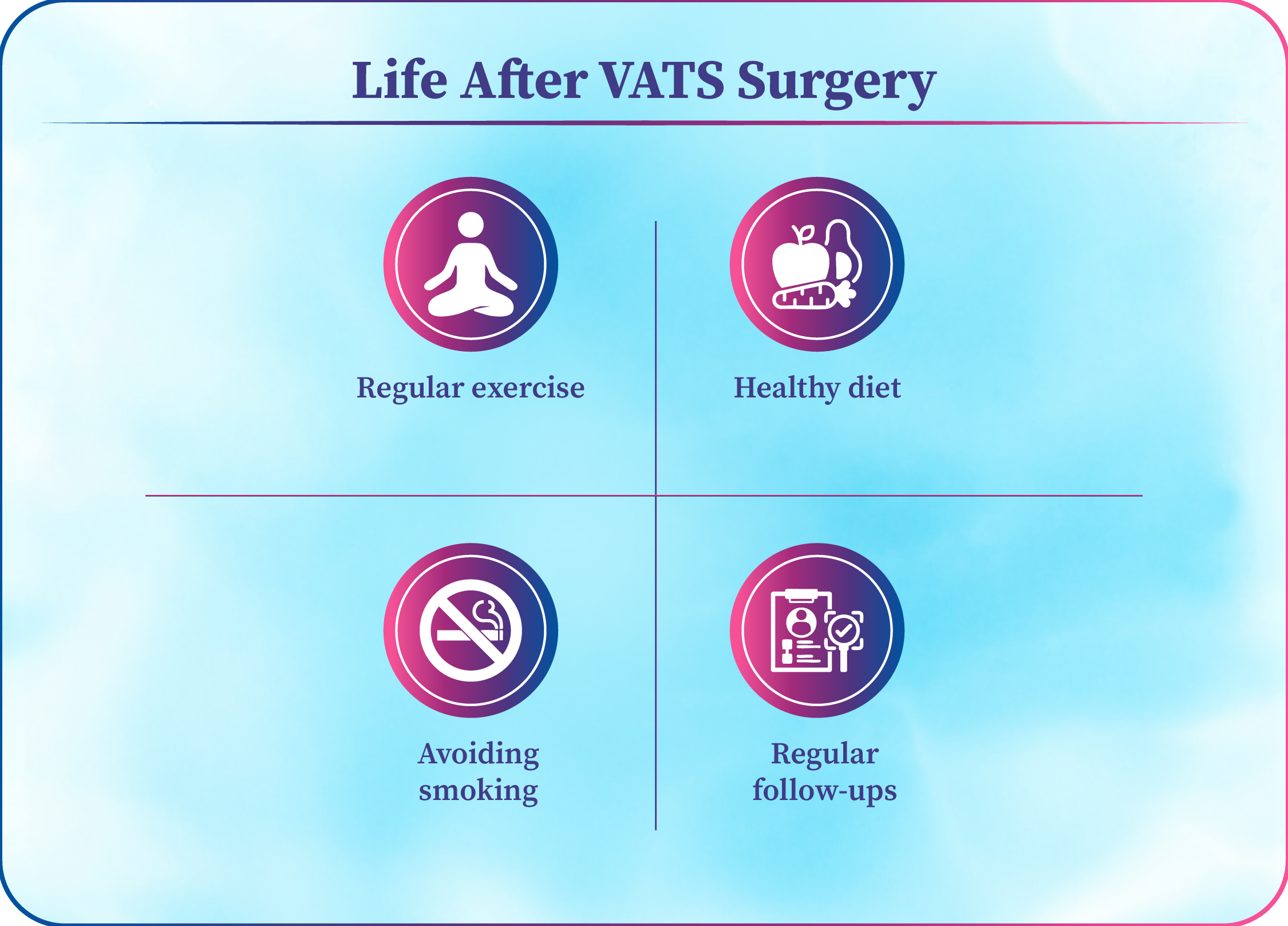
Doctors usually recommend:
- Regular exercise
- Healthy diet
- Avoiding smoking
- Regular follow-ups
With proper care, patients can return to a normal and active lifestyle.
Video-Assisted Thoracic Surgery (VATS) has transformed the way thoracic diseases are treated. By using advanced technology and minimally invasive techniques, this procedure offers patients less pain, fasterrecovery, and better outcomes.
For patients looking for advanced thoracic surgery and minimally invasive lung surgery, choosing an experienced surgeon is crucial.
With expertise in modern thoracic procedures, Dr. Rajesh Shinde provides safe, precise, and patient-focused VATS surgery, helping patients achieve better health and improved quality of life.
If you or a loved one has been diagnosed with a lung or chest condition, consulting Dr. Rajesh Shinde forVATS surgery could be the first step toward effective treatment and faster recovery.
Faq's